📌 Disclaimer
Prices, schedules, tour details, flight routes, visa requirements, and all other information on this page are based on data at the time of writing. Fares, availability, and policies may change. Please verify current details on the official website before booking.
Why Visit Sete#
The scent of salt, roasting garlic, and diesel from working fishing boats hangs heavy over the quays of the Mediterranean’s most distinct island port. Often called the Venice of Languedoc, this southern French town features a grid of canals slicing through pastel-colored houses, where fishermen mend nets on the sidewalks and older men play pastis-fueled games of boules in neighborhood squares. Unlike the heavily commercialized stretches of the nearby Riviera, this destination maintains an authentic working-class maritime identity that feels entirely grounded in daily French life.
Visitors drawn to authentic coastal culture find a rewarding alternative to overcrowded tourist hubs further east. The town rises steeply up Mount Saint-Clair, offering sweeping views over the Mediterranean Sea on one side and the vast Thau Lagoon on the other, where millions of oysters and mussels grow on neat wooden tables. Painters, poets, and musicians have long found inspiration in the intense southern light reflecting off the water. It provides an unhurried pace where travelers can sit at a waterfront café for hours, watching wooden jousting boats practice their medieval tournaments in the canals.
Best Time to Visit Sete#
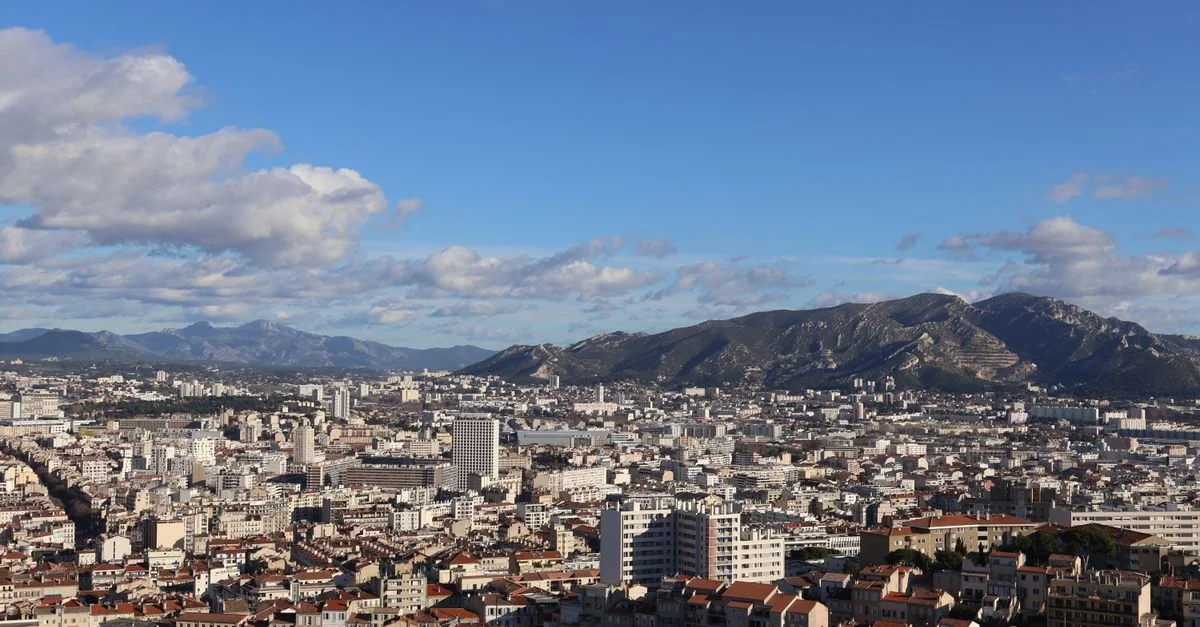
Planning a trip from the United States requires looking beyond the peak French vacation months of July and August, when European holidaymakers crowd the beaches and accommodation prices double. Late spring, spanning May and June, offers ideal weather with daytime temperatures hovering in the comfortable seventies, while the sea gradually warms up after winter. During these months, sidewalk terraces fill with locals rather than tourists, and finding a table at a seafood bistro requires zero advance planning.
September and early October represent another prime window for American travelers. The intense summer heat breaks into crisp, clear days, and the Mediterranean remains warm enough for swimming until mid-October. This period coincides with the annual grape harvest in the surrounding Languedoc vineyards and the gradual calming of the town after the high-energy summer festivals. Winter brings cooler, windier weather with daytime highs in the fifties, and while many beach-facing establishments close, the town itself functions normally with a cozy, introspective atmosphere and significantly discounted lodging rates.
Where to Stay in Sete#
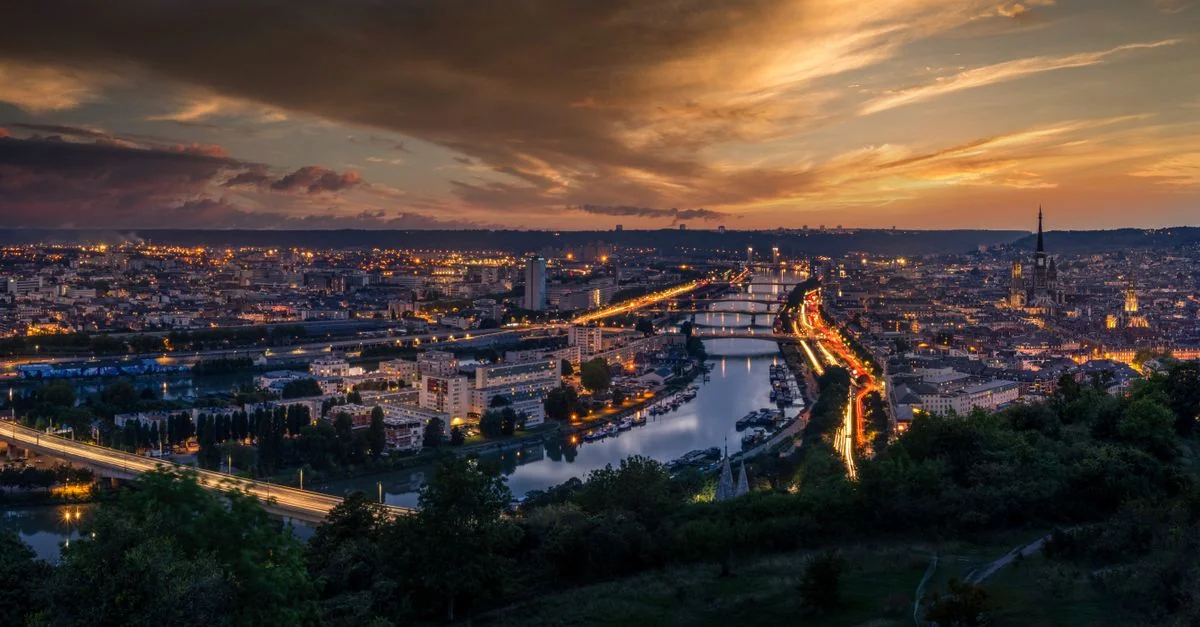
Choosing a neighborhood depends largely on whether you prefer the maritime bustle of the port or the panoramic quiet of the hillside. The Canal District puts you right in the center of daily life, surrounded by fish markets, bakeries, and outdoor cafés. Budget travelers can find simple, independent guesthouses and apartments here starting around $60 to $90 a night, while mid-range boutique properties occupy historic townhouses overlooking the water for $120 to $180. Staying near the canals means hearing the morning hum of delivery trucks and church bells, offering an authentic immersion in local rhythms.
For travelers seeking a residential feel with traditional French architecture, the La Corniche and Corniche de Neubourg areas sit closer to the coastal beaches. Mid-range apartment rentals and family-run seaside lodges dominate this stretch, generally priced between $100 and $200 per night depending on sea views. Properties here tend to be quieter at night, appealing to visitors who want easy access to sandy shores and coastal walking paths without the central canal noise.
Rising steeply above the town, Mount Saint-Clair offers the most upscale accommodation tier, featuring luxury private rental villas and high-end guesthouses with expansive terraces overlooking the Mediterranean or the Thau Lagoon. Prices for these exclusive hilltop retreats easily exceed $250 to $400 per night. A stay here requires reliable transportation or a willingness to tackle steep walking paths, but the reward is total tranquility and impressive sunset vistas over the southern French coastline.
Top Things to Do in Sete#
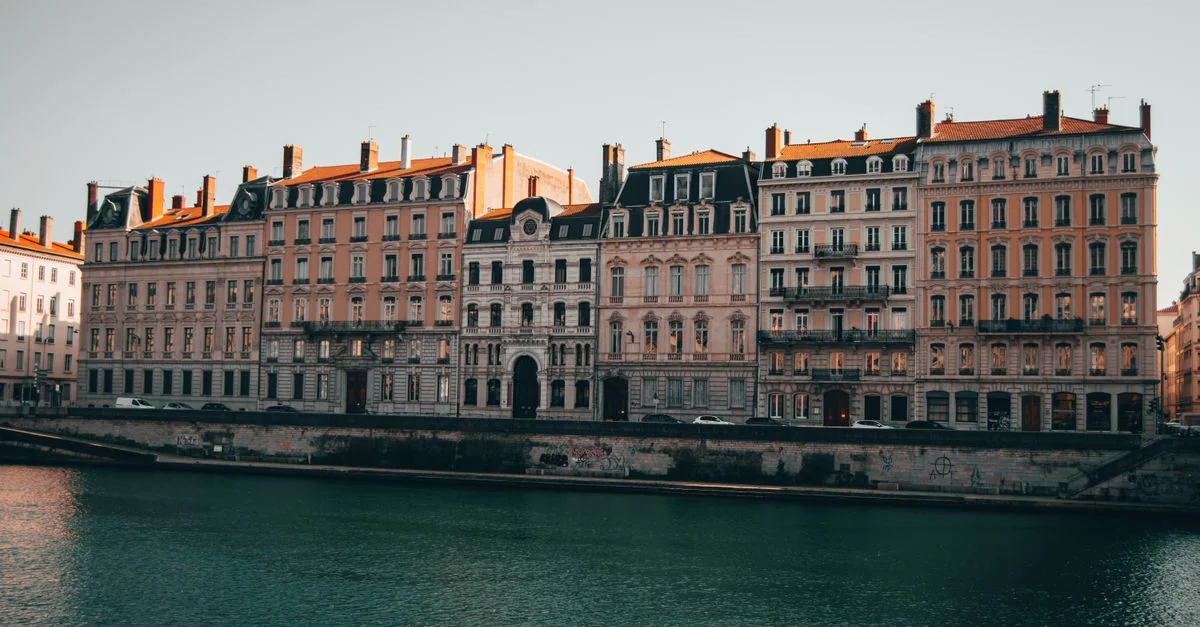
A proper introduction to the town begins with a morning walk along the busy Quai de la Marine, where fishing vessels unload their catch directly to neighboring seafood stalls. From there, climbing the stone staircases leading up to Mount Saint-Clair rewards the effort with a panoramic look at the grid of canals below and the thin spit of land separating the sea from the lagoon. At the summit, the Chapelle Notre-Dame de la Salette features striking interior murals and a viewing platform that on clear days reveals the Pyrenees mountains in the distance.
Art enthusiasts should spend a few hours at the Espace Brassens, a dedicated museum celebrating the life and poetry of Georges Brassens, one of France ’s most beloved singer-songwriters who was born locally. Afterward, walking through the Cimetière Marin places you among sea pines and dramatic cliffside graves, including the final resting place of the poet Paul Valéry. For a dose of local heritage, the International Museum of Arts Modestes showcases eccentric collections ranging from folk art to everyday objects, proving the town has a delightfully quirky side.
Nature lovers can escape the urban core by exploring the Espace Nature de Onglous, located where the Canal du Midi meets the Thau Lagoon, perfect for quiet birdwatching away from the crowds. Back in town, wandering through the Halles Centrales, the covered daily market, provides a sensory-rich experience among cheesemongers, butchers, and oyster shuckers. If your travel dates align with late August, witnessing the fierce, centuries-old Water Jousting Tournaments along the Grand Canal—where men in white and blue balance on wooden platforms attached to rowing boats, trying to knock opponents into the water with heavy lances—stands out as an unmissable cultural spectacle. Finally, spending an afternoon on the sandy stretch of Plage de la Corniche allows you to unwind in the Mediterranean sun just a short bus ride from the town center.
Food and Dining Guide#
The local gastronomy is deeply tied to the Mediterranean Sea and the neighboring Thau Lagoon, resulting in a distinct menu found nowhere else in France. The undisputed king of the local table is the Bouillabaisse Sètoise, a rich, saffron-scented fish stew packed with rockfish, conger eel, potatoes, and garlic rouille spread over toasted bread. Unlike the famous version from Marseille , this regional variation incorporates white wine and specific local herbs, creating a deeply comforting broth that defines the coastal identity.
Another essential culinary experience is sampling Tian de Sétois, a savory casserole made from layered eggplant, zucchini, onions, and rice, all baked slowly with local olive oil and herbs until tender. For a quick street food snack, grab a Tielles Sètoises, a small, round pie filled with spicy octopus, tomatoes, and herbs encased in a thick, golden crust. Originally brought to the port by Italian immigrants from Gaeta, these savory pies are sold warm in corner bakeries and make for a perfect lunch on the go while walking the canals.
For seafood lovers, a sit-down meal featuring Bouef à la Sètoise provides a hearty land-and-sea contrast, combining tender beef braised with stuffed squid, onions, and white wine. No meal is complete without ordering a dozen raw Thau Lagoon Oysters, renowned for their distinct hazelnut finish, paired with a crisp, chilled glass of local Picpoul de Pinet white wine. Casual outdoor dining along the canals offers the best atmosphere for these dishes, where family-run bistros serve daily catch menus without pretension or inflated tourist pricing.
Getting Around Sete#
Navigating the town and its surroundings is straightforward, largely because the central core is remarkably compact and pedestrian-friendly. Walking across the island port takes very little time, and traversing the footbridges over the canals is the most efficient way to reach shops, markets, and restaurants. Comfortable walking shoes are essential, however, due to the numerous stone staircases and steep inclines leading up toward Mount Saint-Clair.
For longer distances, the local bus network operated by Sète Agglopôle Méditerranée provides reliable and affordable service connecting the central station, residential neighborhoods, and coastal beaches. Single tickets cost just a couple of euros, and day passes are available for travelers planning multiple journeys. Taxis are readily available near the main railway station and major squares, though calling ahead or using a ride-hailing app is recommended during peak summer weekends. Renting a car is unnecessary if you plan to stay strictly within town limits, but having a vehicle proves useful for American travelers wanting to explore the surrounding vineyards and nearby medieval villages of the Languedoc countryside.
Budget Breakdown#
Planning daily expenses helps tailor your trip to your financial comfort level, keeping in mind that southern France generally offers better value than Paris or the French Riviera. A budget traveler staying in a simple guesthouse or hostel bed, eating bakery pastries and street-food pies, and relying on walking and public buses can easily manage on $60 to $90 per day. This tier allows for affordable museum admissions and casual picnicking by the water.
Mid-range travelers can expect a daily expenditure between $150 and $250 per person. This covers a comfortable double room in a canal-view hotel or apartment rental, sit-down lunches and dinners at traditional seafood bistros featuring local wine, occasional taxi rides, and paid entries to cultural sites and boat tours. Luxury travelers spending $350 to $600-plus per day will enjoy upscale hillside villas or boutique hotels with panoramic sea views, fine-dining multi-course seafood dinners, private wine-tasting excursions in the nearby countryside, and rental car transportation.
Travel Tips for Sete#
Mastering local customs enhances your daily experience and ensures smooth interactions with residents. Language basics go a long way here; while tourist-facing staff speak English, greeting every shopkeeper or waiter with a polite Bonjour upon entering an establishment is considered essential French etiquette and instantly warms up the interaction.
Meal times operate on strict schedules that differ from typical American routines. Lunch is generally served between noon and two o’clock, while dinner service rarely begins before seven-thirty or eight in the evening. Arriving at a restaurant too early often results in closed doors or reluctant staff, so plan your sightseeing around these distinct windows.
Tipping culture in France differs significantly from the United States because service charges are legally included in all restaurant and café bills. Leaving a small cash tip of one to five euros for exceptional table service is appreciated by waitstaff, but large percentage-based tips are neither expected nor customary.
Market days offer the best glimpse into local life, with the central indoor market operating every morning, alongside various outdoor clothing and antique markets held on specific days of the week. Visiting these markets early in the morning ensures the best selection of fresh produce and seafood before the crowds arrive.
Sun protection is crucial during the Mediterranean summer months, when temperatures soar and the glare off the water is intense. Packing a wide-brimmed hat, sunglasses, and high-SPF sunscreen prevents heat exhaustion while walking the exposed stone quays or spending afternoons on the coastal beaches.
Siesta hours still apply to many smaller, family-owned shops and boutiques, which routinely close their doors between twelve-thirty and three in the afternoon. Plan your souvenir shopping and administrative errands for the morning or late afternoon to avoid finding locked doors during the midday lull.
📌 Disclaimer
Prices, schedules, tour details, flight routes, visa requirements, and all other information on this page are based on data at the time of writing. Fares, availability, and policies may change. Please verify current details on the official website before booking.
📌 More about Sete