📌 Disclaimer
Prices, schedules, tour details, flight routes, visa requirements, and all other information on this page are based on data at the time of writing. Fares, availability, and policies may change. Please verify current details on the official website before booking.
Why Visit Santorini?#
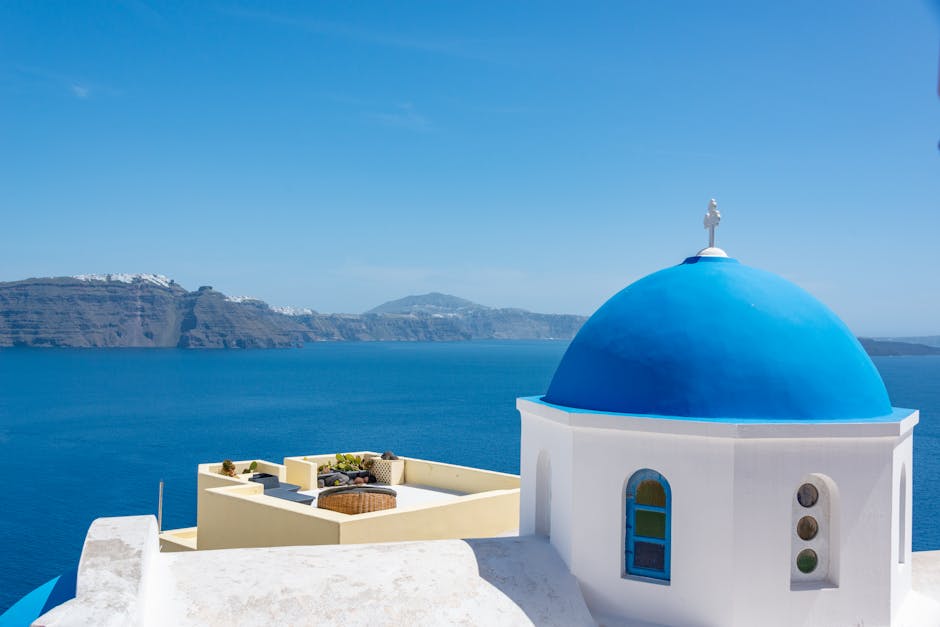
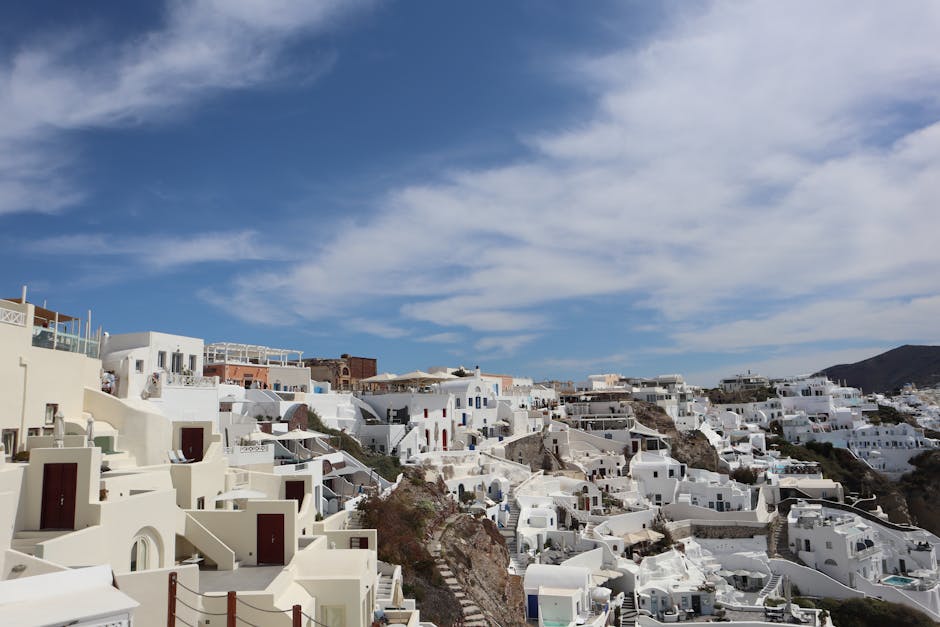
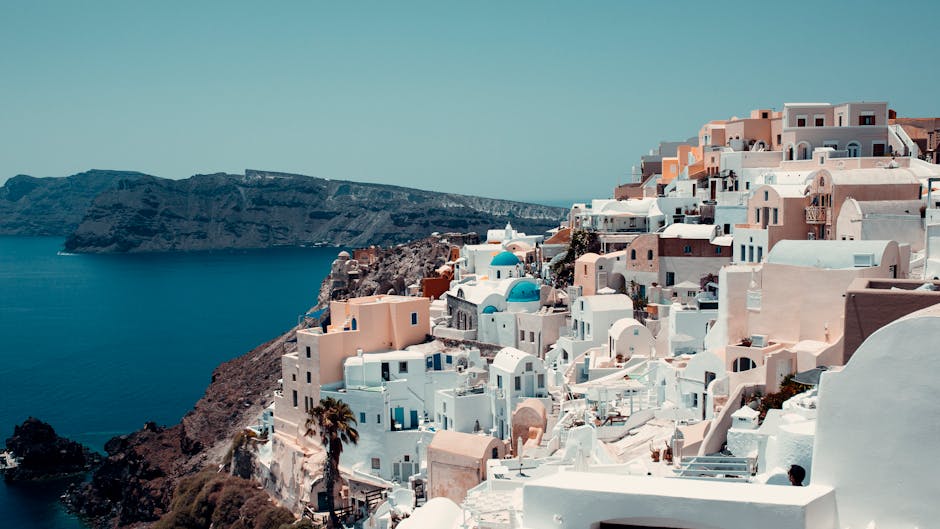
Santorini, the jewel of the Cyclades, is renowned for its stunning sunsets, dramatic cliffs, and iconic white-washed buildings adorned with vibrant blue domes. This Greek island is more than just a picturesque postcard; it’s a destination steeped in history and culture, offering travelers an unforgettable experience. The breathtaking views of the caldera, coupled with the rich volcanic soil that produces some of Greece’s finest wines, make Santorini a unique blend of natural beauty and human ingenuity.
The island’s charm lies not just in its landscape but also in its vibrant local life. Visitors can explore charming villages, indulge in delectable local cuisine, and bask in the sun on beautiful beaches. Whether you’re looking for a romantic getaway, an adventure-filled trip, or a peaceful retreat, Santorini has something to offer everyone. With its warm climate, rich history, and welcoming atmosphere, it’s no wonder that this island is a top choice for American travelers seeking both relaxation and exploration.
Best Time to Visit Santorini#
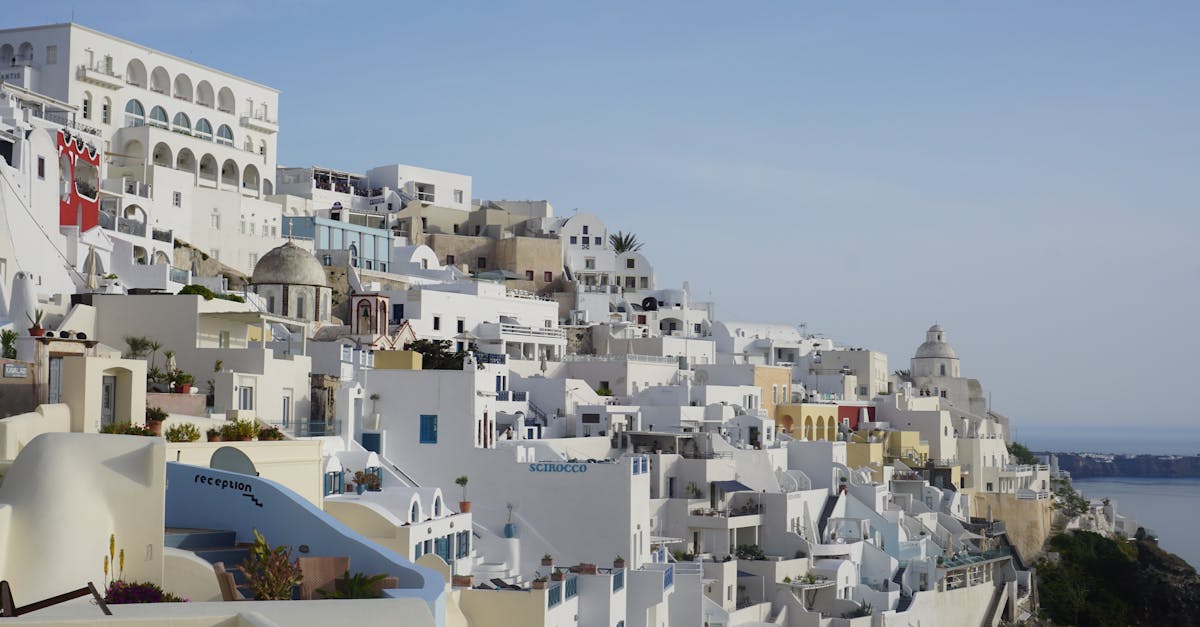
Santorini enjoys a Mediterranean climate, characterized by hot, dry summers and mild, wet winters. The best time to visit largely depends on your preferences for weather, crowds, and pricing.
Spring (March to May)
Spring is a lovely time to visit Santorini. The weather is mild, with temperatures ranging from the mid-60s to low 70s (°F), and the island is less crowded as it starts to come alive after winter. Prices for accommodations and activities are generally lower compared to the peak season, making it an excellent time for budget-conscious travelers.
Summer (June to August)
Summer is peak tourist season, attracting visitors from around the globe. Expect hot weather, with temperatures often exceeding 80°F. While the vibrant atmosphere and numerous events are appealing, be prepared for larger crowds and higher prices. If you enjoy bustling beaches and lively nightlife, this is the time for you, but be sure to book accommodations well in advance.
Fall (September to November)
Fall is another fantastic time to visit. Early September still feels like summer, with warm temperatures hovering around the mid-70s to low 80s. As the month progresses, the weather begins to cool, and the crowds thin out, especially in late October and November. Prices begin to drop, making it a great option for those seeking a more tranquil experience.
Winter (December to February)
Winter in Santorini is mild but can be rainy, with temperatures ranging from the mid-50s to low 60s. While many tourist services close during this off-season, this is the perfect time for travelers looking to experience the island’s authentic local life. Expect lower prices, fewer tourists, and a unique opportunity to explore the culture without the hustle and bustle.
Where to Stay in Santorini#
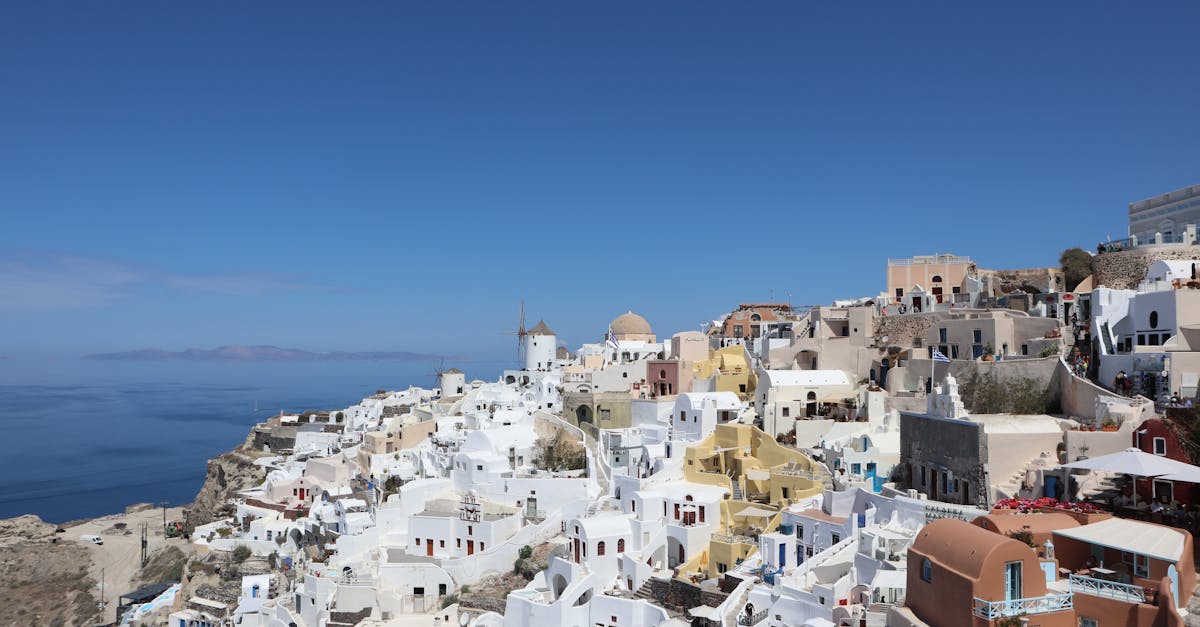
Choosing the right neighborhood in Santorini can enhance your travel experience. Here are some recommendations across different budget tiers:
Budget: Fira
Fira, the island’s capital, offers a range of budget accommodations and hostels. It’s a bustling area with numerous shops, restaurants, and nightlife options. Staying here places you at the heart of the action, making it easy to explore nearby attractions and catch the famous caldera views.
Mid-Range: Oia
Famous for its stunning sunsets, Oia is a picturesque village that offers a mix of charming hotels and guesthouses. While it can be pricier than Fira, there are still many mid-range options. Oia’s narrow streets, boutique shops, and breathtaking views make it a romantic choice for couples and a great base for exploring the island.
Luxury: Imerovigli
For those looking to splurge, Imerovigli provides a more serene and upscale experience. Known as the “balcony to the Aegean,” this area features luxurious hotels with infinity pools and stunning caldera views. It’s an ideal spot for honeymooners or anyone wanting to enjoy a tranquil escape while still being close to the main attractions.
Hidden Gem: Pyrgos
If you’re seeking a more authentic experience away from the tourist crowds, consider staying in Pyrgos. This charming village is located inland and offers a glimpse into traditional Greek life. With its medieval architecture, local tavernas, and panoramic views, Pyrgos is perfect for travelers who want to immerse themselves in the local culture while still having access to the rest of the island.
Top Things to Do in Santorini#
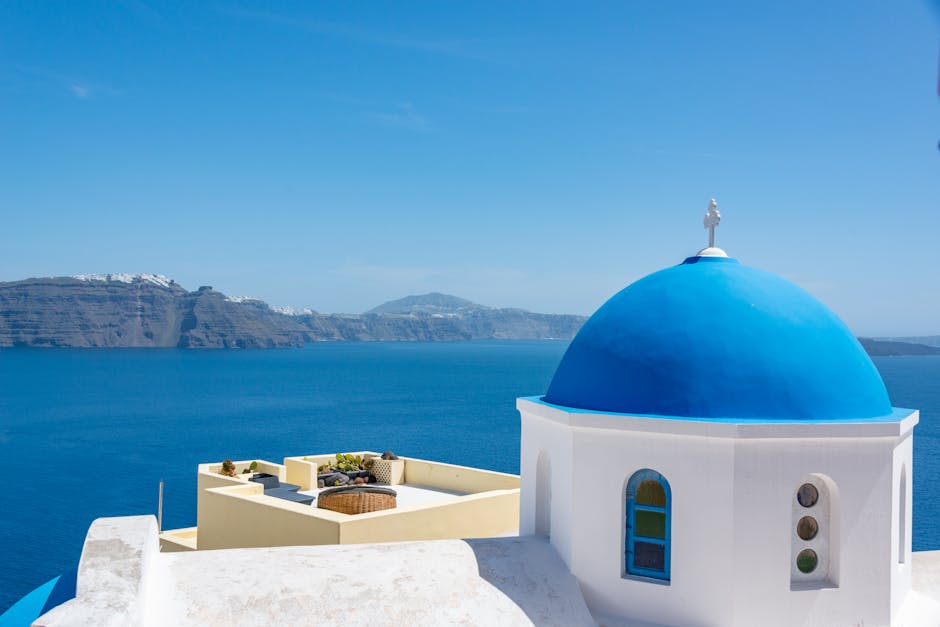
Watch the Sunset in Oia
One of the most iconic experiences in Santorini is watching the sunset from Oia. The sky transforms into a palette of oranges, pinks, and purples as the sun dips below the horizon, creating a magical atmosphere.Explore the Ancient Ruins of Akrotiri
Visit the archaeological site of Akrotiri, an ancient Minoan city preserved by volcanic ash. This fascinating site offers insights into the island’s history and showcases well-preserved frescoes and buildings.Hike from Fira to Oia
This scenic hike along the caldera offers breathtaking views of the Aegean Sea and the surrounding islands. The approximately 6-mile trek takes around 2-3 hours and is a fantastic way to experience the island’s natural beauty.Relax on the Unique Beaches
Santorini boasts a variety of beaches, each with its own character. Red Beach, known for its striking red cliffs, and Kamari Beach, with its black sand, are must-visit spots for sunbathing and swimming.Visit a Winery
Santorini is famous for its unique wines, particularly Assyrtiko. Take a winery tour to learn about the local viticulture and enjoy tastings of the island’s renowned wines while soaking in beautiful views.Discover the Village of Pyrgos
Explore the charming streets of Pyrgos, where you can wander through narrow alleys, visit local shops, and enjoy panoramic views from the old castle. This village is less touristy and offers a glimpse into traditional island life.Swim in the Hot Springs
Take a boat tour to the volcanic hot springs near Nea Kameni. Swimming in the warm, mineral-rich waters is a unique experience, and the surrounding volcanic landscape is stunning.Visit the Museum of Prehistoric Thera
This museum in Fira houses artifacts from the ancient city of Akrotiri and provides context to the island’s rich history. It’s a great way to deepen your understanding of Santorini’s past.Enjoy Local Cuisine in a Taverna
Dining at a local taverna is a must-do. Experience the island’s culinary delights while enjoying the relaxed atmosphere of traditional Greek hospitality.Take a Sailing Tour
Embark on a sailing tour around the caldera to experience Santorini from the water. Many tours include stops for swimming, snorkeling, and enjoying a delicious Mediterranean lunch onboard.
Food and Dining Guide#
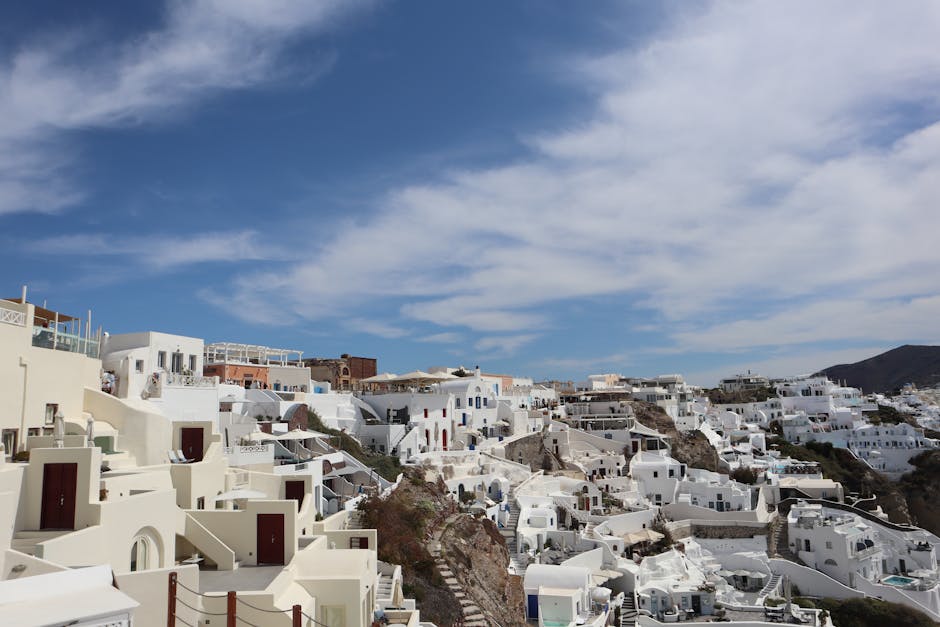
Santorini’s culinary scene is a delightful blend of traditional Greek flavors and local ingredients. Here are some local cuisine highlights and must-try dishes:
Tomatokeftedes (Tomato Fritters): These delicious fritters made from local tomatoes, onions, and herbs are a popular appetizer. They are crispy on the outside and soft on the inside, perfect for sharing.
Fava (Split Pea Puree): A staple of Santorini cuisine, fava is made from yellow split peas and served with olive oil and lemon. It’s a simple yet flavorful dish that embodies the island’s culinary style.
Moussaka: This classic Greek dish layers eggplant, minced meat, and béchamel sauce. Each taverna has its own interpretation, so be sure to try it at different places.
Seafood: Being an island, Santorini offers a bounty of fresh seafood. Enjoy grilled octopus, calamari, or fish caught that day, often served simply with olive oil and lemon.
Souvlaki: For a quick bite, try souvlaki — skewered meat grilled to perfection and served with pita and tzatziki sauce. Street vendors offer delicious options for a casual meal.
While street food is a great way to experience local flavors, dining in a traditional taverna provides a more relaxed atmosphere to savor your meal. Enjoying a leisurely meal while overlooking the caldera is an unforgettable experience.
Getting Around Santorini#
Getting around Santorini is relatively easy, but knowing your options can enhance your travel experience.
Public Transit: The island has a reliable bus network that connects major towns and attractions. Buses are affordable and can take you to popular destinations like Oia, Fira, and Akrotiri. However, they can get crowded during peak season.
Taxis: Taxis are available, though they can be scarce during busy times. It’s advisable to book in advance or use a ride-hailing app if available. Fares vary depending on distance, so confirm the price beforehand.
Walking: Many of the main attractions, particularly in Fira and Oia, are best explored on foot. The charming streets are often pedestrian-only, making walking a pleasant way to soak in the scenery.
Rental Car or ATV: Renting a car or an ATV gives you the freedom to explore the island at your own pace. Roads are generally well-maintained, but be cautious as some can be narrow and winding. Ensure you have an international driving permit if required.
Budget Breakdown#
When planning your trip to Santorini, it’s essential to have a budget in mind. Here’s a rough estimate of daily expenses based on different travel styles:
Budget Traveler:
- Accommodation: $30-50/night (hostels or budget hotels)
- Food: $20-30/day (street food and casual dining)
- Transport: $10-20/day (public buses)
- Activities: $10-20/day (entry fees and local experiences)
Total: $80-120/day
Mid-Range Traveler:
- Accommodation: $100-200/night (mid-range hotels or guesthouses)
- Food: $40-70/day (mix of casual and sit-down meals)
- Transport: $20-40/day (buses and occasional taxis)
- Activities: $30-50/day (tours and experiences)
Total: $190-360/day
Luxury Traveler:
- Accommodation: $300+/night (luxury hotels or villas)
- Food: $80-150/day (fine dining and gourmet experiences)
- Transport: $50-100/day (taxis or rental car)
- Activities: $100-200/day (private tours and exclusive experiences)
Total: $630+/day
Travel Tips for Santorini#
Stay Hydrated: The sun can be intense, especially in summer. Always carry water with you while exploring to stay hydrated.
Learn Basic Greek Phrases: While many locals speak English, learning a few Greek phrases can enhance your interactions and show respect for the culture.
Tipping: Tipping is appreciated in Santorini. A 10-15% tip is customary in restaurants, while rounding up taxi fares is common practice.
Be Mindful of Scams: Like in many tourist destinations, be cautious of overly aggressive vendors and offers that seem too good to be true. Stick to reputable establishments.
SIM Cards: If you need mobile data during your stay, consider purchasing a local SIM card. This can be found at the airport or in town, and it will help you stay connected.
Respect Local Customs: Santorini is a place of rich history and culture. Be respectful of local traditions, especially when visiting churches or monasteries.
Plan Ahead for Peak Season: If traveling during peak summer months, book accommodations and activities in advance to secure the best options and prices.
Whether you’re wandering through the charming streets of Oia, sipping wine while watching the sunset, or exploring ancient ruins, Santorini promises a memorable experience that will stay with you long after your trip. If you’re also considering a trip to Reykjavik, Iceland or Dublin, Ireland , check out our guides for more travel inspiration!