📌 Disclaimer
Prices, schedules, tour details, flight routes, visa requirements, and all other information on this page are based on data at the time of writing. Fares, availability, and policies may change. Please verify current details on the official website before booking.
Why Visit Santiago de Compostela?#
The air in Santiago de Compostela carries a blend of ancient stone and the faint aroma of fresh-baked bread, inviting travelers to explore its storied streets. As the reputed burial site of Saint James, this city has drawn pilgrims for centuries, becoming a focal point of both spiritual and cultural significance in Spain. The historic center, a UNESCO World Heritage site, features stunning architecture, from the majestic Santiago de Compostela Cathedral to quaint alleyways lined with cafés and shops.
Beyond its religious importance, Santiago offers a lively atmosphere that showcases both Galician traditions and contemporary life. The local culture is real in its festivals, music, and art, making it a destination where history and modernity coexist seamlessly. Whether you’re wandering through the busy Mercado de Abastos or enjoying the lively atmosphere of Praza do Obradoiro, Santiago promises an experience that resonates with both the heart and the senses.
Best Time to Visit Santiago de Compostela#
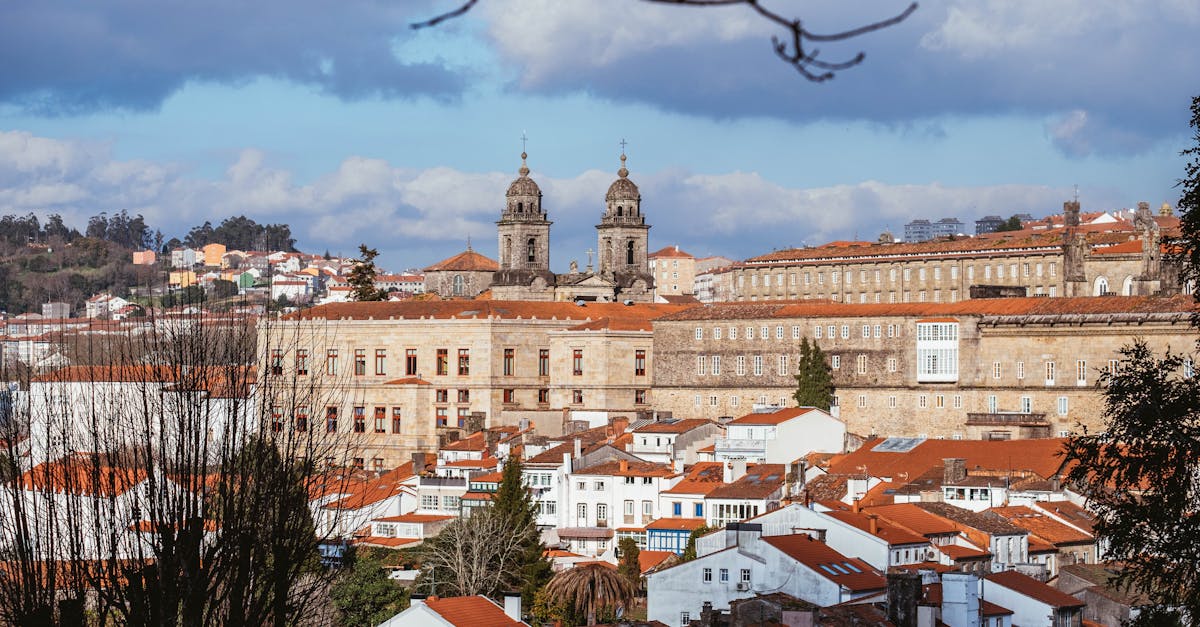
The ideal time to explore Santiago de Compostela is during the spring and autumn months, specifically from March to May and September to October. During these periods, the weather is mild, with temperatures ranging from the mid-50s to low 70s Fahrenheit, allowing for comfortable exploration. Spring brings blossoming flowers and an invigorating freshness, while autumn showcases warm colors and fewer tourists, making it easier to enjoy the city’s charm without the summer crowds.
Summer, particularly June through August, attracts a larger number of visitors, resulting in a lively atmosphere; however, temperatures can reach the mid-80s, and accommodations may be pricier. If you prefer a quieter experience, visiting during winter months, from December to February, can be rewarding, as Santiago transforms into a serene city. Although it can be colder, with temperatures dipping into the 40s, the festive spirit during Christmas and local celebrations can add a unique flavor to your visit.
Where to Stay in Santiago de Compostela#
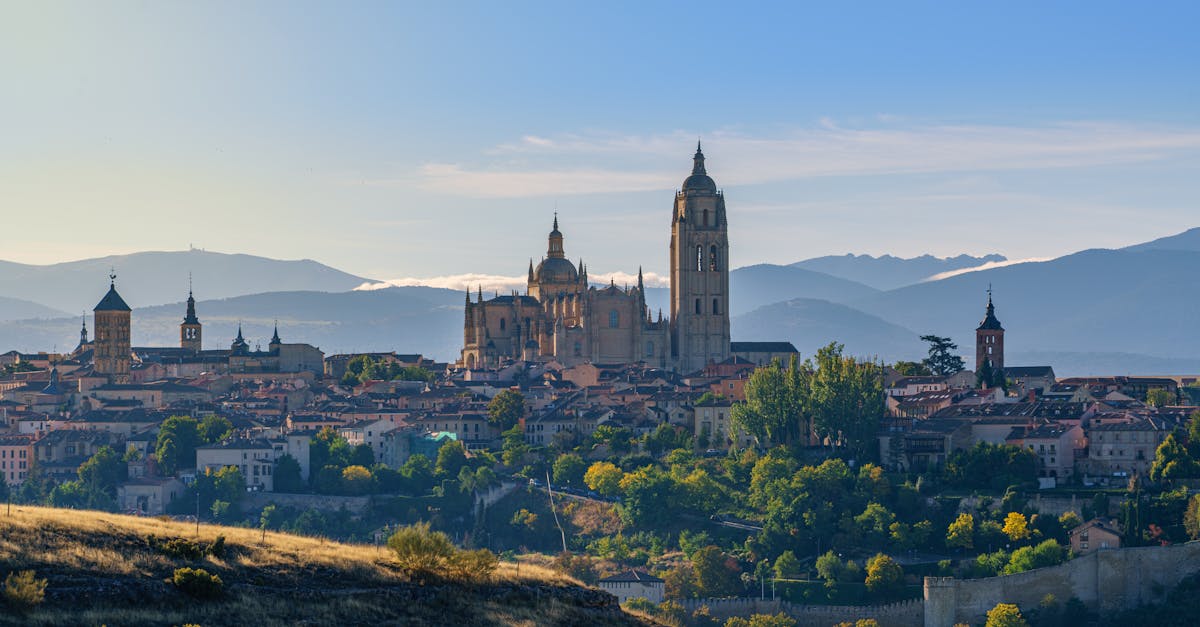
When planning your stay in Santiago de Compostela, consider the lively Old Town, where you’ll find a range of accommodations catering to every budget. For budget travelers, hostels and guesthouses offer cozy options, typically starting around $30-50 per night. Staying here means you’ll be steps away from main attractions like the cathedral and local eateries.
Mid-range options can be found in neighborhoods like Ensanche, which boasts a mix of modern hotels and charming boutique accommodations. Prices usually range from $70 to $120 per night, and the area is known for its accessibility to both the historic center and local parks, providing a pleasant balance of city life and relaxation.
For those seeking luxury, consider the City Center or the upscale areas near the cathedral. Here, you’ll find elegant hotels with top-notch amenities, often starting at $150 per night. These establishments offer a refined experience, with stunning views of the cathedral and easy access to the best Santiago has to offer.
Top Things to Do in Santiago de Compostela#
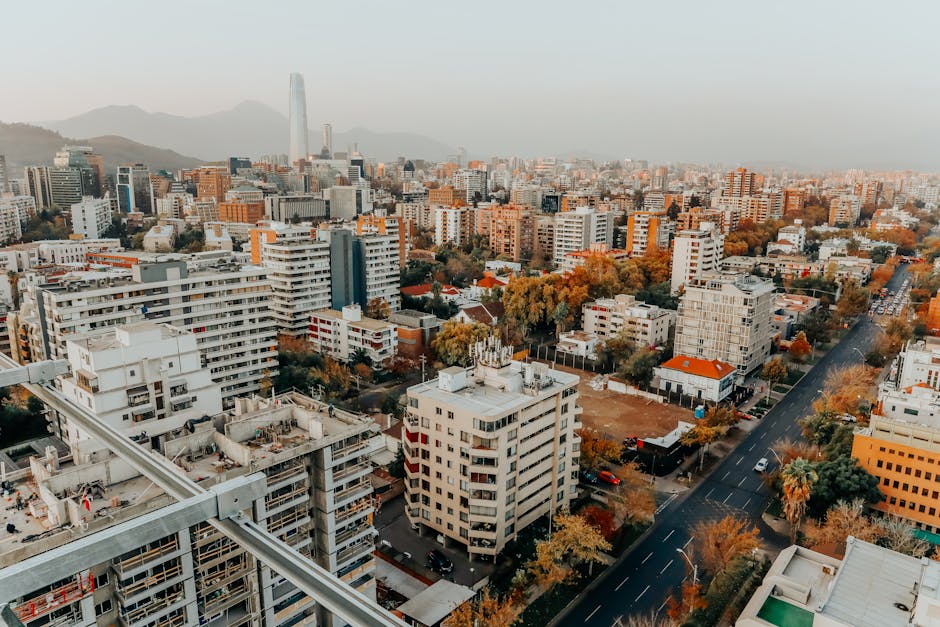
A visit to Santiago de Compostela Cathedral is a must, as it stands as a remarkable example of Romanesque architecture and serves as the focal point for pilgrims. The cathedral’s grand façade and intricate interiors, particularly the Botafumeiro, a massive incense burner, create an awe-inspiring atmosphere. Don’t miss the opportunity to climb the cathedral’s towers for a panoramic view of the city.
Strolling through the Parque de la Alameda provides a tranquil escape from the hustle and bustle. This park not only offers beautiful gardens and walking paths but also features stunning views of the cathedral, especially at sunset. As you wander, you’ll encounter locals enjoying leisurely afternoons, adding to the park’s charm.
The Mercado de Abastos is another essential stop, where you can experience local life and sample fresh produce, cheeses, and cured meats. The lively market atmosphere is complemented by small tapas bars where you can enjoy a bite while observing the daily rhythms of the city. Make sure to try some local specialties while you’re there.
Art enthusiasts should visit the Museo do Pobo Galego, which showcases Galician culture through various exhibitions, including traditional crafts, music, and folklore. The museum, housed in a former convent, offers insight into the region’s identity and history, making it a fascinating stop for those interested in understanding more about Galicia.
For a taste of the local nightlife, head to Rua do Franco, where you’ll find a lively selection of bars and restaurants. This street is particularly famous for its tapas scene, allowing you to enjoy a variety of small dishes as you hop from place to place, enjoying the evening ambiance.
For those with an interest in history, the Casa da Historia de Santiago offers a detailed look into the city’s past. The exhibits focus on Santiago’s development from a pilgrimage site to a modern city, providing context to your experiences around town.
If you venture a bit outside the city, the Castro de Santa Trega is a fascinating archaeological site that offers insight into ancient Galician civilization. The site features impressive ruins and stunning views of the surrounding landscape, making it a worthwhile day trip.
Finally, the Botanical Garden provides a peaceful retreat filled with diverse plant life. It’s an ideal spot for a leisurely stroll, allowing you to relax and recharge before continuing your exploration of the city.
Food and Dining Guide#
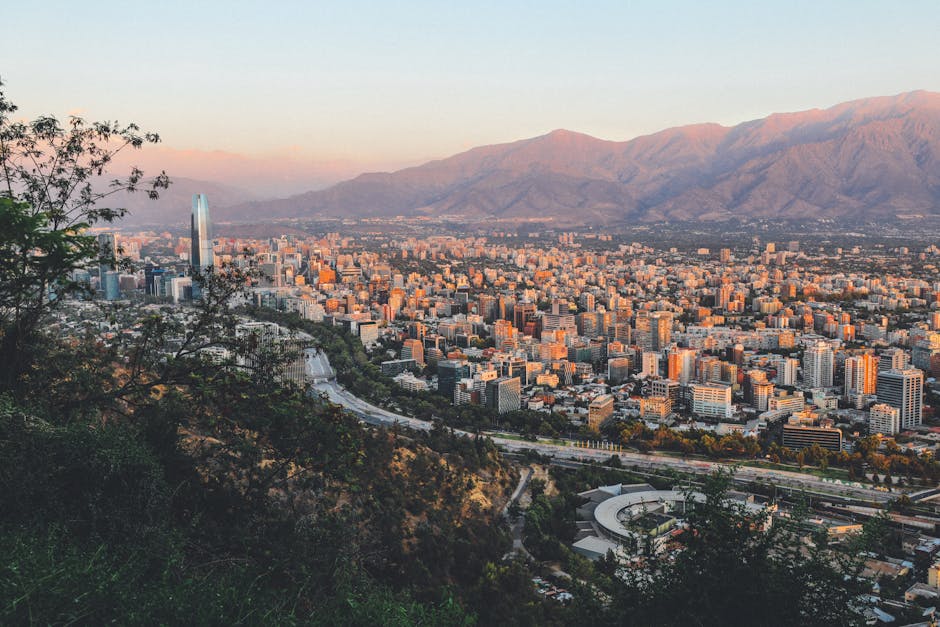
Santiago de Compostela is a food lover’s paradise, where local cuisine is a highlight of any visit. Begin your culinary journey with pulpo a la gallega, a traditional Galician dish featuring tender octopus seasoned with paprika, olive oil, and sea salt, often served on a wooden plate. This dish is a staple in many local restaurants and a worth trying for any visitor.
Another local favorite is empanada gallega, a savory pastry filled with a variety of ingredients, such as tuna, meat, or vegetables. You’ll find this dish in bakeries and eateries throughout the city, perfect for a quick snack or a light meal. Pair it with a glass of Albariño, a refreshing white wine from the region, for an authentic dining experience.
For those craving something sweet, tarta de Santiago, a traditional almond cake dusted with powdered sugar and marked with the cross of Saint James, is a delightful treat. You can find this dessert in many cafés and bakeries, making it an excellent way to end your meal.
Street food also plays a significant role in Santiago’s culinary scene. Pintxos, small bites typically served on skewers or toothpicks, are popular in bars, allowing you to sample various flavors as you explore the city. This casual dining style encourages socializing and is a great way to experience local culture.
When it comes to dining, the options range from cozy taverns to upscale restaurants, each offering a unique take on Galician cuisine. Whether you choose to indulge in a leisurely sit-down meal or grab a quick snack, Santiago de Compostela promises to satisfy your culinary cravings.
Getting Around Santiago de Compostela#

Navigating Santiago de Compostela is relatively easy, thanks to its compact size and pedestrian-friendly layout. The best way to explore the city is on foot, allowing you to appreciate the stunning architecture and charming streets at your own pace. Many key attractions are within walking distance, making it convenient for visitors to experience the city fully.
For those who prefer public transportation, the city offers a reliable bus system that connects various neighborhoods and key sites. Buses are affordable and run frequently, providing an efficient way to get around. Taxis are also readily available, ensuring a quick option for reaching destinations, especially if you’re traveling with luggage or during late hours.
If you plan to venture outside the city to explore the surrounding countryside, renting a car can be a good option. This allows you to discover charming villages and scenic landscapes at your leisure. However, be mindful of parking regulations in the city center, as spaces can be limited.
Budget Breakdown#
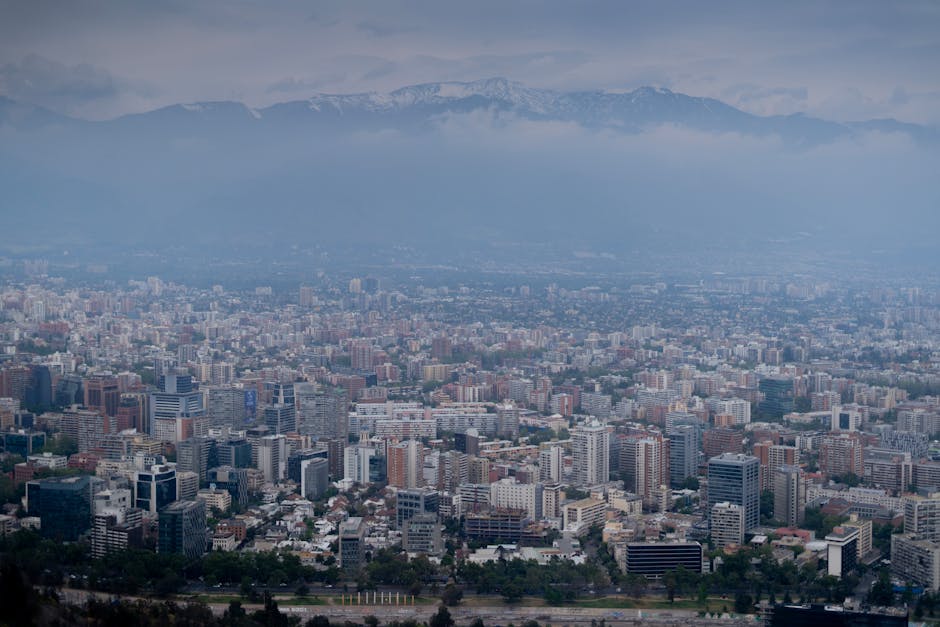
When planning your budget for Santiago de Compostela, consider your travel style. For budget travelers, daily expenses can range from $60 to $100, including accommodation in hostels or guesthouses, simple meals at local eateries, and public transportation. Mid-range travelers can expect to spend between $120 and $200 daily, covering comfortable hotels, dining at mid-range restaurants, and some paid attractions.
Luxury travelers will find a range of upscale accommodations and dining options, with daily budgets typically starting around $250 and going higher. This includes high-end hotels, fine dining experiences, and private tours or activities. Regardless of your budget, Santiago de Compostela offers a variety of options to suit different travel preferences.
Travel Tips for Santiago de Compostela#

Language: While many locals in Santiago speak English, especially in tourist areas, learning a few basic Spanish phrases can enhance your experience. Simple greetings and expressions of gratitude go a long way in connecting with residents.
Pilgrimage Etiquette: If you’re visiting during peak pilgrimage season, be respectful of those who have traveled long distances to reach the cathedral. Keep the atmosphere serene, especially inside the church, and be mindful of personal space.
Cash and Cards: While credit cards are widely accepted, it’s advisable to carry some cash for smaller establishments and markets. Many local vendors may prefer cash transactions, especially in less touristy areas.
Local Festivals: Check the local calendar for festivals and events during your visit. Participating in these celebrations offers a unique insight into Galician culture and community spirit.
Weather Preparedness: Santiago’s weather can be unpredictable, so pack layers and a light raincoat, especially if you’re visiting in spring or autumn. Comfortable walking shoes are essential for exploring the city’s cobblestone streets.
With its long history, delicious cuisine, and welcoming atmosphere, Santiago de Compostela offers an enriching travel experience that resonates long after you leave.