📌 Disclaimer
Prices, schedules, tour details, flight routes, visa requirements, and all other information on this page are based on data at the time of writing. Fares, availability, and policies may change. Please verify current details on the official website before booking.
Complete Travel Guide to San Antonio: Top Attractions, Tips & Itinerary#
The smell of salt air and diesel fuel hangs heavy over the docks, where massive container ships loom like steel mountains against a pale blue sky. This is the raw, industrial heartbeat of San Antonio , Chile . Unlike the manicured parks of Santiago , this port city offers a gritty, authentic glimpse into the maritime life of the Valparaíso Region. It is a place where the Pacific Ocean crashes violently against rocky shores and the local economy breathes in sync with the arrival of every cargo vessel.
Why Visit San Antonio?#
San Antonio serves as a fascinating contrast to the typical tourist trail in Chile. While most American travelers flock to the colorful hills of Valparaíso, San Antonio provides a more grounded experience. It is a working city, defined by its massive port—the largest in the country—and a community that lives and breathes the sea. Visiting here allows you to see the logistics of global trade firsthand while enjoying a coastline that remains largely untouched by mass tourism.
The appeal lies in the simplicity of the coastal lifestyle. You can spend a morning watching the cranes move thousands of tons of copper and fruit, then spend the afternoon walking along wind-swept beaches where the only sounds are the gulls and the waves. It is an ideal stop for those who prefer authenticity over polish and want to understand the economic engine that powers much of Chile’s exports.
Best Time to Visit San Antonio#
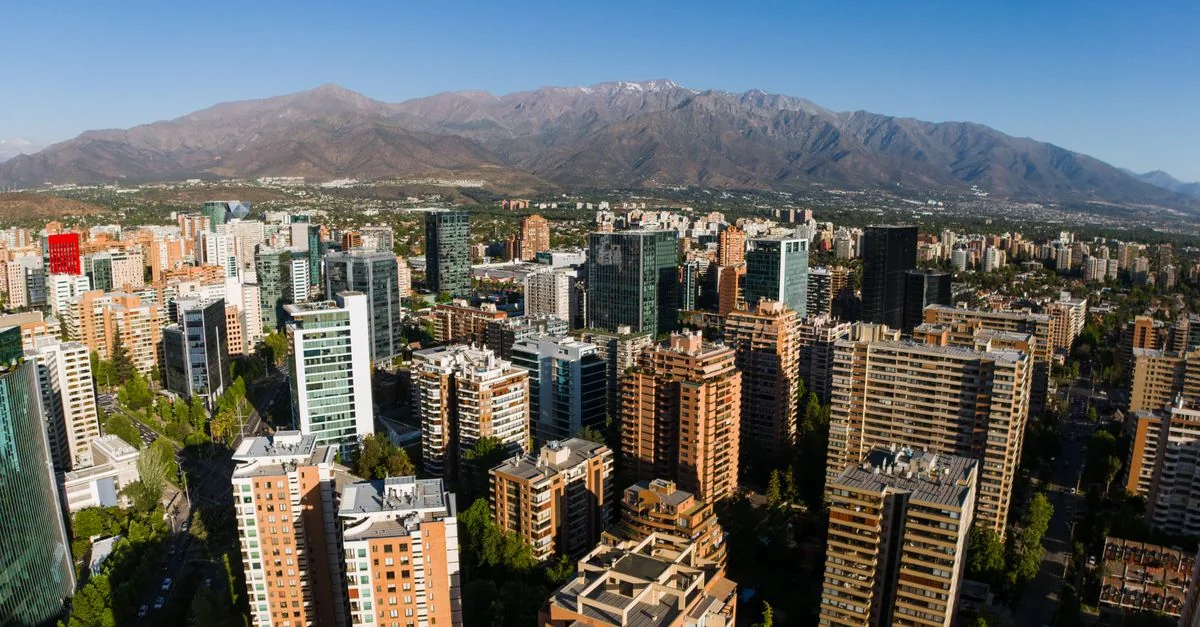
The ideal window for a visit falls between November and March. During these late spring and summer months, the weather is mild and dry, with temperatures usually hovering in the comfortable 60s and 70s. This is the peak period for local beachgoers, meaning the coastal cafes are full and the atmosphere is lively. However, this is also when you will find the highest prices for short-term rentals and the most crowded public spaces.
Winter, stretching from June to August, brings cooler temperatures and frequent rain. While the grey skies can be moody and atmospheric, the wind off the Pacific becomes biting. The benefit of visiting during these colder months is the significant drop in accommodation costs and the absence of crowds. If you prefer a balance, the shoulder seasons of September to October and April to May offer stable weather and moderate pricing, making it easier to secure a quiet spot by the water.
Where to Stay in San Antonio#
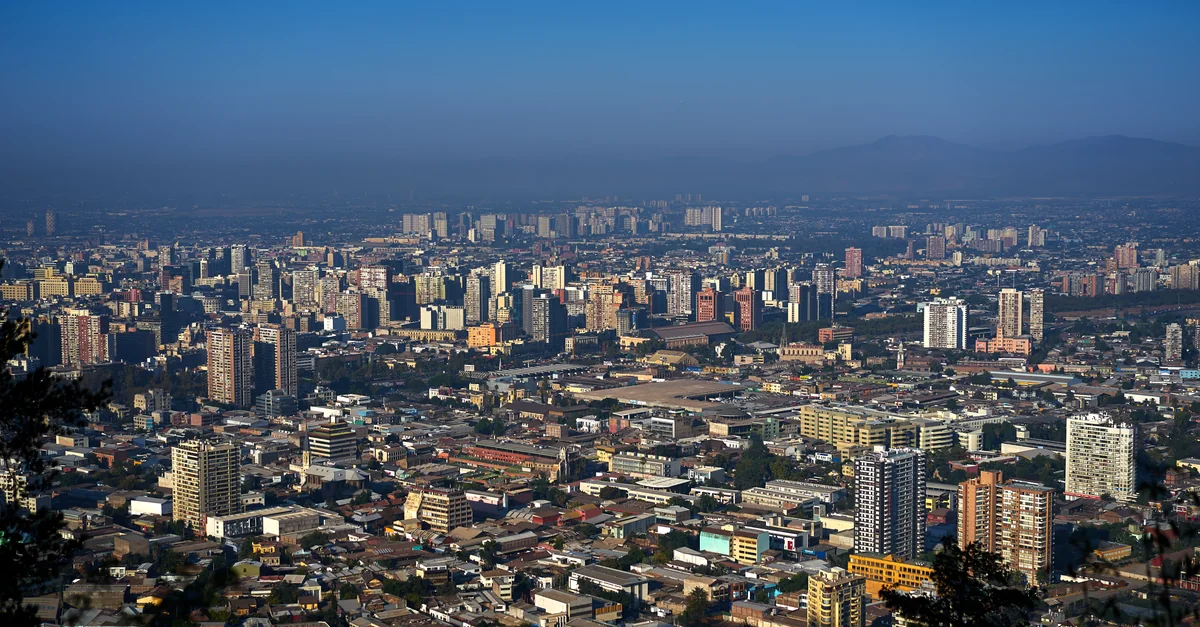
For those who want to be in the middle of the action, the City Center is the most practical choice. This area is home to a variety of budget-friendly guesthouses and mid-range apartments. It puts you within walking distance of the main plazas and local eateries, though it can be noisy due to the constant flow of truck traffic heading toward the port.
If you prefer a quieter environment, look for accommodations in the Coastal Residential Zones. These neighborhoods offer a more relaxed pace, with many mid-range bed and breakfasts that feel like local homes. These spots are perfect for travelers who want to wake up to the sound of the ocean rather than the sound of horns.
For a more upscale experience, the Outskirts and Rural Estates provide luxury options. While further from the urban core, these properties often feature expansive gardens and views of the surrounding hills. These are best for those with a rental car who want a secluded retreat after a day of exploring the industrial waterfront.
Top Things to Do in San Antonio#
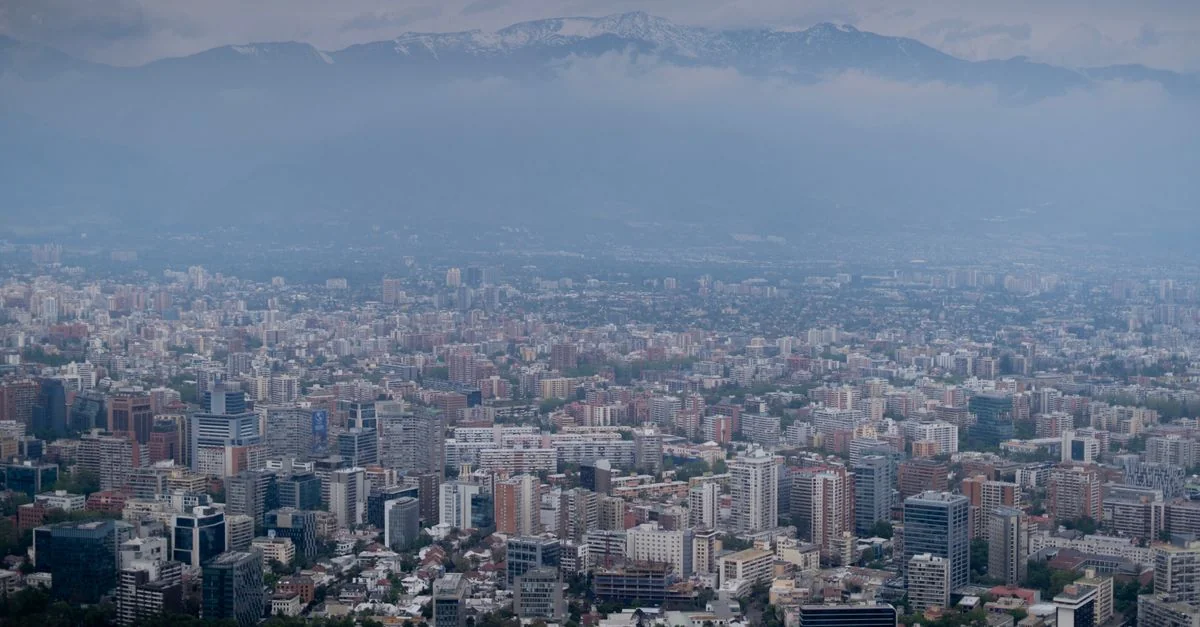
Start your exploration at the Port of San Antonio, where the sheer scale of the shipping infrastructure is humbling. Walking along the perimeter allows you to watch the synchronized dance of the gantry cranes and the endless lines of trucks. It is a masterclass in industrial efficiency and provides a stark, metallic backdrop for photography. From here, a short trip leads you to the Plaza de Armas, the civic heart of the city where you can watch locals gather and get a feel for the daily rhythm of the community.
Nature lovers should head to the Cerro San Antonio, which offers a panoramic view of the entire bay and the sprawling city below. The hike up is moderate, and the summit provides a clear vantage point to see how the urban grid meets the jagged coastline. Afterward, head down to Playa San Antonio, where the sandy stretches are perfect for a long walk. The beach is less about swimming and more about the sensory experience of the cold Pacific wind and the crashing surf.
For a bit of history and local flavor, visit the Municipal Market, where the catch of the day is sold directly from the boats. The energy here is infectious, with vendors shouting their prices and the smell of fresh seafood filling the air. Nearby, the Costanera provides a scenic walkway along the water, ideal for people-watching and enjoying a coffee while watching the ships enter the harbor.
If you have time to venture slightly outside the main hub, the Rural Trails of the Valparaíso Region offer a glimpse into the agricultural side of the area. These paths wind through vineyards and orchards, showing the fruit that eventually leaves via the port. Finally, a visit to the Local Artisan Workshops allows you to see handmade crafts that reflect the maritime identity of the city, from carved wood to woven textiles.
Food and Dining Guide#
Dining in San Antonio is dominated by the ocean. The local food scene is not about fancy plating but about freshness and bold flavors. You will find that the best meals are often served in small, family-run spots near the docks. One of the most essential dishes to try is Paila Marina, a hearty seafood stew served in a traditional clay pot. It usually contains a mix of mussels, clams, shrimp, and fish in a savory broth that warms you up against the coastal chill.
For something lighter, look for Machas a la Parmesana, which are razor clams baked with parmesan cheese and butter. These are a staple of the region and highlight the quality of the local shellfish. If you are looking for a quick snack, Empanadas de Pino are everywhere. These baked pastries filled with minced meat, onions, olives, and hard-boiled eggs are the ultimate Chilean comfort food and are best enjoyed from a street vendor.
To balance the salty seafood, try a Pastel de Choclo, a savory corn pie filled with meat and olives, baked until the top is golden brown. For a drink, skip the soda and order a Mote con Huesillo, a traditional beverage made from dried peaches and husked wheat. It is sweet, refreshing, and a common sight in the plazas. While high-end restaurants exist, the true spirit of the city is found in the “picadas”—small, unassuming eateries where the locals eat.
Getting Around San Antonio#
Walking is the most effective way to see the city center and the immediate waterfront. The streets are generally navigable, though you should be mindful of the heavy truck traffic near the port zones. For longer distances, local taxis are readily available and are the most convenient way to reach the hills or the outer beaches. Always agree on a price or ensure the meter is running before you start your journey.
Public transit consists primarily of local buses, known as “micros.” These are affordable and cover most of the city’s main arteries. While they can be crowded and the schedules are not always precise, they provide a genuine local experience. For those coming from Santiago or Valparaíso, a rental car is highly recommended. Having your own vehicle gives you the freedom to explore the rural outskirts and the hidden coastal cliffs that are not serviced by buses.
Budget Breakdown#
For a budget traveler, daily expenses typically range from $30 to $60. This includes staying in a basic guesthouse, eating street food like empanadas, and relying on walking or local buses for transport. Most activities in San Antonio, such as visiting the beach or the port perimeter, are free.
A mid-range traveler should expect to spend between $80 and $150 per day. This budget allows for a private apartment or a comfortable bed and breakfast, a mix of market meals and sit-down restaurant dinners, and the occasional taxi ride. This level of spending allows for a more relaxed pace and a few more guided excursions into the surrounding hills.
Luxury travelers will likely spend $200 or more per day. This covers high-end rural estates, fine dining featuring the best seafood and Chilean wines, and the use of a private rental car or driver. At this level, the focus is on comfort and exclusivity, with a preference for the more secluded parts of the region.
Travel Tips for San Antonio#
Currency and Payments are straightforward, as the Chilean Peso is the only accepted currency. While larger restaurants and hotels in the center accept major credit cards, the local markets and street vendors operate strictly on cash. It is wise to carry small denominations for tips and quick snacks.
Safety Precautions are similar to any port city. While San Antonio is generally safe, it is best to avoid walking alone in poorly lit industrial areas after dark. Keep your belongings secure in crowded markets and be mindful of your surroundings when using your phone in public spaces.
Clothing Choices should prioritize layers. Even in the height of summer, the Pacific breeze can be surprisingly cold, and the weather can shift rapidly from sunny to overcast. A windproof jacket and comfortable walking shoes are essential for navigating the docks and the hiking trails.
Language Barriers can be a challenge, as English is not widely spoken outside of the luxury hotels. Learning a few basic Spanish phrases for greeting and ordering food will go a long way with the locals. A translation app on your phone is a helpful tool for navigating menus and signs.
Water Consumption is a point of consideration. While the tap water is generally safe, it has a high mineral content that can taste strange to American palates. Most travelers prefer bottled or filtered water to avoid any stomach upset during their trip.
Respecting the Port is important. The Port of San Antonio is a high-security zone. Do not attempt to enter restricted areas or cross fences to get a better photo. Stick to the public viewing areas and follow the directions of port security to avoid any legal issues.
📌 Disclaimer
Prices, schedules, tour details, flight routes, visa requirements, and all other information on this page are based on data at the time of writing. Fares, availability, and policies may change. Please verify current details on the official website before booking.
📌 More about San Antonio