📌 Disclaimer
Prices, schedules, tour details, flight routes, visa requirements, and all other information on this page are based on data at the time of writing. Fares, availability, and policies may change. Please verify current details on the official website before booking.
Why Visit Samaná Peninsula#
The scent of salt spray and wet earth hangs thick over the Dominican Republic ’s northeastern coast, where the Atlantic waves crash against limestone cliffs blanketed in dense jungle. Travelers arriving from the United States often trade the heavily touristed concrete towers of Punta Cana for this rugged peninsula, seeking a landscape where coconut palms outnumber resort complexes and empty beaches stretch for miles. The region feels distinctly disconnected from the mainland’s busier commercial hubs, moving to a slower rhythm defined by the tides, tropical rainstorms, and the morning routines of fishing villages tucked into sheltered bays.
What sets this corner of the country apart is its geography. The rugged Sierra de Samaná mountain range cuts directly through the center of the peninsula, creating steep valleys and sharp drops that plunge straight into turquoise water. This topography has historically kept the region isolated, preserving its natural habitats and local culture. You will find deserted stretches of sand accessible only by foot or boat, alongside quiet towns where dominoes clatter on wooden tables under the shade of almond trees. It is a place for independent travelers who prefer dirt roads and authentic interactions over wristbands and all-inclusive buffets.
Best Time to Visit Samaná#
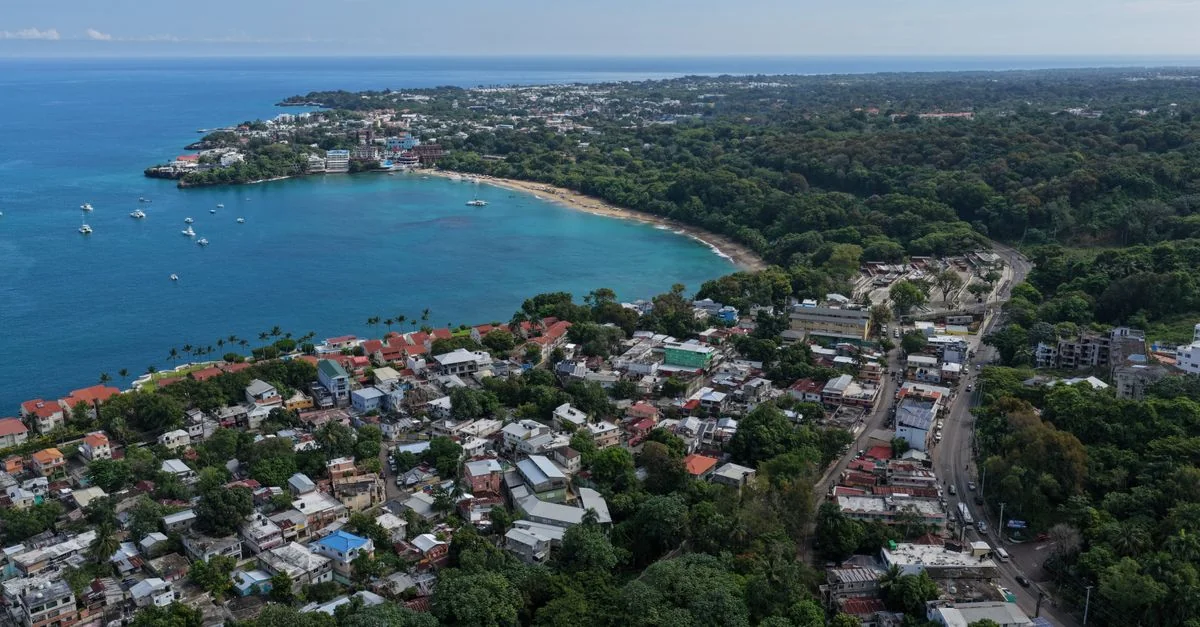
Planning a trip here requires balancing weather patterns with the migration schedules of marine life. The dry season runs from December through April, bringing comfortable temperatures in the high seventies and low eighties, lower humidity, and minimal rainfall. This period also coincides with the peak tourist season, meaning higher rates for lodging and larger crowds at popular viewpoints, particularly around the winter holidays and spring break. However, this is the prime window for whale watching, as thousands of humpback whales arrive in the protected waters of the bay to mate and give birth.
The shoulder months of May and June offer a practical compromise for travelers wanting to avoid peak pricing while still enjoying manageable weather. While afternoon showers become more frequent, the landscape turns an intense shade of green, and the beaches are noticeably quieter. The Atlantic hurricane season officially begins in June and extends through November, bringing the highest risk of heavy storms and tropical depressions between August and October. During these late summer and autumn months, many local businesses close for renovations, humidity spikes significantly, and afternoon downpours can disrupt outdoor itineraries.
Where to Stay in Samaná#
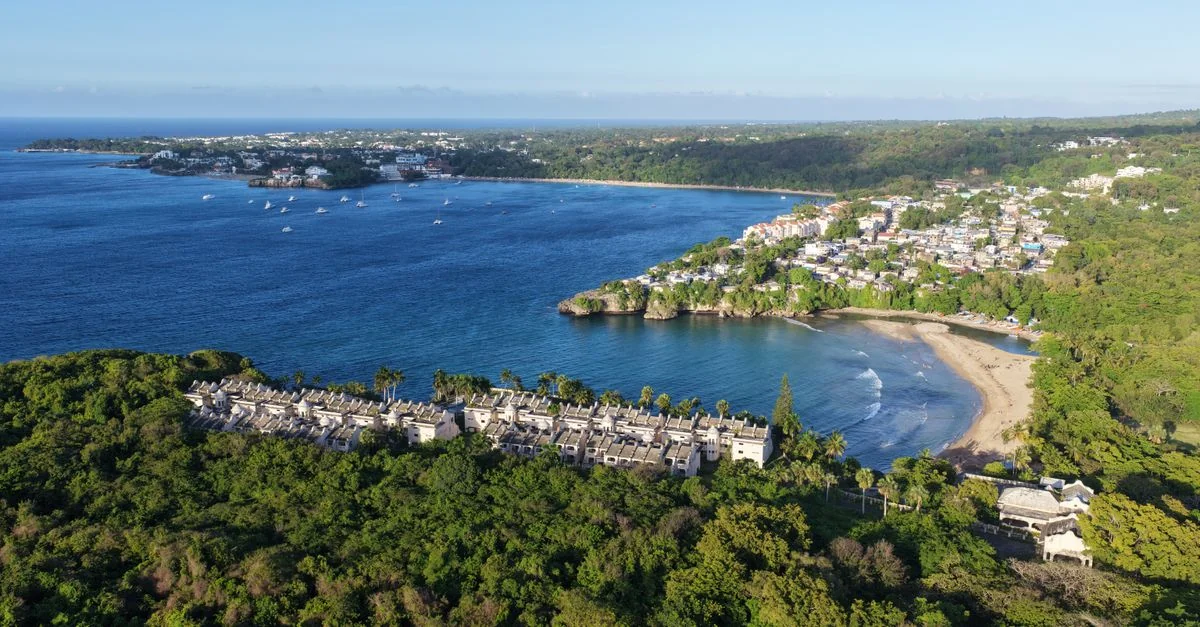
Choosing a base depends entirely on the style of trip you want, as the peninsula divides into distinct micro-regions. Las Terrenas, situated on the northern coast, attracts travelers who enjoy a cosmopolitan beach town vibe with a strong European influence. Here, budget guesthouses sit a short walk from the sand, while mid-range boutique properties and upscale beachfront villas line the shore, giving visitors easy access to bakeries, beach clubs, and nightlife without needing a car.
On the southern coast, the town of Samaná City serves as the practical transit hub and administrative center of the province. Accommodations skew toward modest, budget-friendly hotels and apartment rentals catering to independent travelers and those catching early morning boat excursions. The atmosphere is authentically Dominican, busy and unpolished, making it a great choice for travelers prioritizing local culture over resort amenities.
Further east, the remote fishing village of Las Galeras feels like the edge of the map. Lodging options here range from rustic eco-lodges and family-run guesthouses to a few exclusive luxury hideaways tucked into private coves. This area suits travelers seeking absolute quiet, dramatic coastal scenery, and proximity to some of the wildest beaches on the island.
Top Things To Do in Samaná#
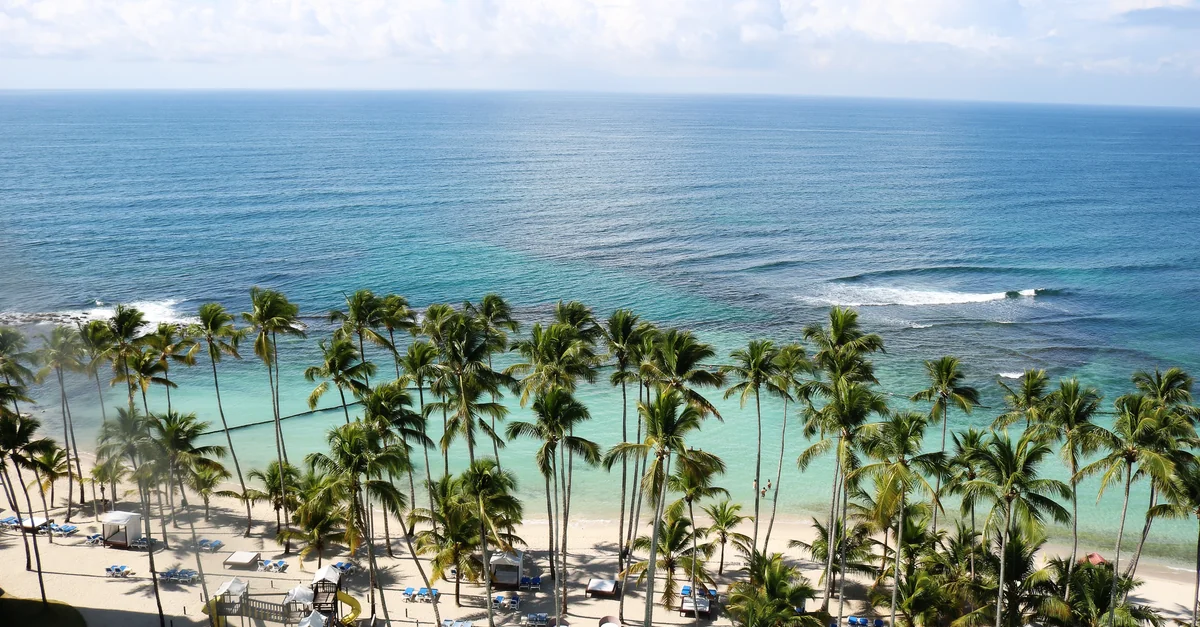
Exploring the peninsula rewards curiosity, starting with the thundering waters of El Salto del Limón, a dramatic waterfall hidden deep within the tropical interior. Reached by a muddy horseback ride or a steep hike through dense forest, the reward is a refreshing freshwater pool fed by a cascade dropping over a hundred feet. For a coastal adventure, boat trips depart regularly toward Parque Nacional Los Haitises, where you can navigate through a labyrinth of mangrove forests and limestone karst formations rising directly out of the ocean. These protected waters conceal ancient caves featuring Taino pictographs and petroglyphs left behind by the island’s original inhabitants.
Beach lovers will find paradise at Playa Rincon, widely considered one of the finest stretches of sand in the Caribbean . Flanked by coconut groves and backed by lush hills, this undeveloped beach offers miles of golden shoreline where a freshwater river meets the sea. Nearby, the smaller crescent of Playa Fronton features towering black cliffs that drop into deep blue water, creating an exceptional environment for snorkeling along the coral reefs. Access is either via a scenic boat ride from Las Galeras or a strenuous coastal hike through the jungle.
During the winter months, joining a boat tour to observe the humpback whales in the Samaná Bay Sanctuary ranks among the most memorable wildlife encounters in the Caribbean. Educational excursions operate out of the main port, adhering to strict regulations to protect the animals. On land, the small island of Cayo Levantado, often called Bacardi Island, provides a postcard-perfect setting for a day trip, complete with white sand and shallow turquoise water, though it tends to fill up with day-trippers by midday. Away from the coast, hiking the trails of the Sierra de Samaná reveals sweeping vistas of the Atlantic and introduces visitors to rural farming communities cultivating coffee, cacao, and tropical fruits in the fertile mountain soil.
Food and Dining Guide#
The culinary landscape centers heavily on fresh seafood, coconut milk, and locally grown produce, reflecting a distinct Afro-Caribbean influence. A foundational staple of every local meal is Pescado a la Samanense, a whole fresh fish, typically red snapper or grouper, slow-cooked in a rich sauce made from coconut milk, bell peppers, onions, and local herbs. This dish pairs perfectly with Arroz con Habichuelas, standard seasoned rice and red beans, alongside crispy fried plantains known as tostones.
For a hearty breakfast or lunch, Mangou serves as the ultimate comfort food. This whipped green plantain mash comes generously topped with pickled red onions and is usually accompanied by fried cheese, salami, and eggs. Another regional favorite is Yaniqueques, the local answer to the Johnny cake. These deep-fried, flat dough pastries are crispy on the outside, slightly chewy inside, and sold hot from roadside carts by women balancing trays on their heads or working small wooden kiosks near the beach.
Dining options range from casual beach shacks to refined fusion restaurants. In towns like Las Terrenas, international residents have injected French, Italian, and Argentine flavors into the local scene, meaning you can easily find wood-fired pizza and fresh pasta alongside traditional Dominican fare. Street food offers the best value, where you can sample empanadas and grilled meats for just a few dollars, while sit-down seafood dinners overlooking the water naturally command higher prices.
Getting Around Samaná#
Navigating the peninsula requires some planning, as public transportation networks are informal and roads outside the main highways can be rough. Guaguas, which are shared minibuses and vans, connect the major towns like Las Terrenas, Samaná City, and Las Galeras. They operate on flexible schedules without fixed stops; you simply flag them down from the side of the road, tell the driver your destination, and pay a nominal cash fare. While they offer an authentic and inexpensive way to travel, they can become crowded and do not service remote beaches or hiking trailheads.
Taxis are widely available in towns and outside major tourist areas, but they lack meters, making it essential to negotiate and agree upon the fare before stepping inside the vehicle. For travelers planning to explore secluded beaches, mountain viewpoints, and hidden coves independently, renting a car at one of the major airports or regional hubs is the most practical choice. A sturdy vehicle with decent ground clearance helps navigate the potholes and unpaved access roads leading to spots like Playa Rincon and El Limón. For short distances within town centers or along the beach, walking remains the best option, though sidewalks are often absent or uneven, requiring caution around local traffic.
Budget Breakdown#
Costs vary depending on your travel style, but Samaná generally accommodates a range of budgets from backpackers to luxury seekers. Budget travelers can expect daily expenditures to hover around $50 to $90 USD. This covers a bed in a simple guesthouse or hostel dorm, meals consisting of street food and local neighborhood diners, and utilizing public guaguas for transportation, leaving room for a low-cost excursion like a self-guided hike.
Mid-range travelers typically spend between $150 and $300 USD per day. This budget affords comfortable boutique hotel rooms or private apartment rentals with air conditioning, sit-down meals at beachside restaurants featuring fresh seafood, occasional taxi rides or car rental expenses, and organized group excursions such as whale watching tours or guided waterfall trips.
Luxury travelers will find daily costs starting around $400 USD and scaling upward significantly. At this tier, visitors can secure high-end eco-lodges or private ocean-view villas, dine at upscale fusion restaurants, hire private drivers or tour guides for personalized itineraries, and book private boat charters to isolated coves and snorkeling spots.
Travel Tips for Samaná#
Language Basics helps smooth interactions throughout your journey. While English is spoken in major hotels and tourist-heavy restaurants, Spanish is the primary language of the region, and learning a few basic phrases demonstrates respect and makes navigating local markets and transportation much easier.
Cash and Currency management is critical outside the major towns. The Dominican Peso is the official currency, and while credit cards are accepted in larger hotels and established eateries, small shops, roadside food stands, and guagua drivers only accept cash. Carrying small denomination bills is essential since change for large notes is frequently unavailable.
Sun and Mosquito Protection requires serious attention due to the tropical climate. The Caribbean sun is intense year-round, making high-SPF sunscreen and lightweight, long-sleeved clothing necessary for outdoor activities, while effective insect repellent is mandatory to ward off mosquitoes, particularly in jungle areas and near standing water.
Water Safety rules apply across the Dominican Republic. Tap water is not potable for visitors, so always rely on bottled or filtered water for drinking and brushing your teeth, and ensure that ice served in drinks is made from purified water.
Environmental Respect preserves the natural beauty of the region. Trash cans can be scarce in remote areas, so always pack out what you bring to the beaches and trails, and avoid touching or standing on coral reefs when snorkeling to protect the marine ecosystem.
📌 Disclaimer
Prices, schedules, tour details, flight routes, visa requirements, and all other information on this page are based on data at the time of writing. Fares, availability, and policies may change. Please verify current details on the official website before booking.