📌 Disclaimer
Prices, schedules, tour details, flight routes, visa requirements, and all other information on this page are based on data at the time of writing. Fares, availability, and policies may change. Please verify current details on the official website before booking.
Why Visit Salvador da Bahia?#
The scent of palm oil and toasted cashews drifts through the narrow, cobblestone alleys of the Pelourinho, mingling with the distant, rhythmic thrum of hand drums echoing against pastel-colored colonial facades. Salvador da Bahia serves as the beating heart of Afro-Brazilian culture, a place where history feels tactile rather than preserved behind glass. Unlike the towering skyscrapers of São Paulo or the manicured beaches of Rio de Janeiro , Salvador demands that you slow down and pay attention to the details of daily life, from the lace-clad women selling snacks on street corners to the intricate capoeira circles that spontaneously form in public squares.
Travelers who choose this destination find themselves in a city that refuses to be categorized. It is a place of deep religious devotion, where the Catholic Church and Candomblé traditions coexist in a complex, fascinating dance. The architecture tells the story of Brazil ’s colonial past, while the population tells the story of its resilience and creative spirit. Coming here means accepting that the city will challenge your expectations, moving at a pace dictated by the tides of the Atlantic and the warmth of the local community. It is a destination for those who want to understand the soul of Brazil rather than just observe its scenery.
Best Time to Visit Salvador da Bahia#
Planning your trip depends largely on how you handle heat and crowds. The peak season runs from December through February, coinciding with the Brazilian summer and the massive festivities of Carnival. During these months, the city is sweltering, with temperatures frequently climbing into the high eighties, and the streets are packed with visitors from all over the world. Prices for flights and accommodation rise significantly during this period, and you should book several months in advance if you plan to visit during the pre-Lenten celebrations.
For those who prefer a more relaxed pace, the shoulder months of March, April, and October offer a balance of pleasant weather and smaller crowds. The rainiest months tend to be May through July, though these showers are often brief and do not necessarily ruin a day of sightseeing. If you are looking for the best value, September and October often feature lower rates for boutique inns and guesthouses. Regardless of when you choose to go, the Atlantic breeze usually keeps the coastal areas comfortable, though inland neighborhoods can feel quite heavy with humidity during the height of the summer.
Where to Stay in Salvador da Bahia#
Choosing a neighborhood in Salvador changes the entire tenor of your stay. The Pelourinho is the historic center and the most logical choice for travelers who want to be steps away from the main museums and music venues. You will find many restored colonial houses serving as guesthouses here, ranging from modest, family-run operations to more upscale boutique properties. Staying in the center means you are always in the thick of the action, though the area can become very quiet and occasionally isolated once the day-trippers head back to their resorts in the evening.
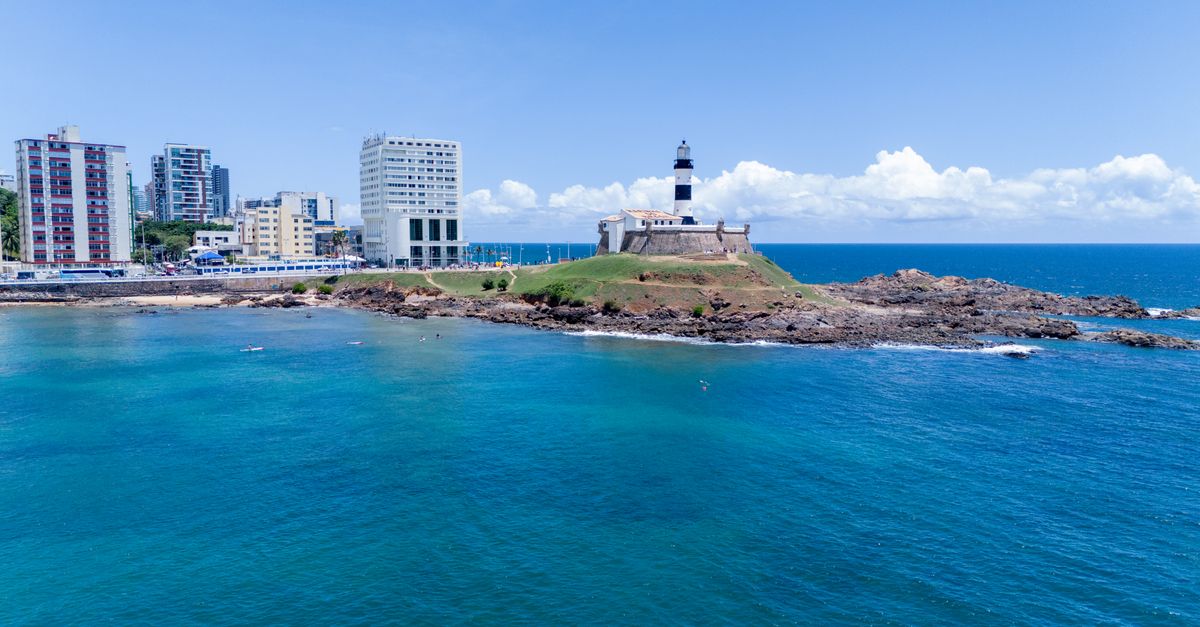
If you prefer a coastal vibe, Barra is the most popular choice for both locals and international visitors. This neighborhood wraps around the tip of the peninsula and offers easy access to beaches, the iconic lighthouse, and a long boardwalk perfect for morning exercise. You will find a wide range of mid-range apartment rentals and larger, full-service hotels in this part of the city. It is a more modern, residential feel compared to the historic center, with plenty of cafes, pharmacies, and supermarkets within walking distance.
For those seeking a more upscale or tranquil experience, the Rio Vermelho district is the culinary and nightlife epicenter of the city. This area feels bohemian and sophisticated, filled with trendy bars and high-end restaurants. It is an excellent place to stay if you want to be close to the best dining options while still having access to the coastline. If you are traveling on a tighter budget, look toward the northern stretches of the coast near Itapuã, where you can find larger resorts and guesthouses that offer more space for your money, though you will be further away from the major historic landmarks.
Top Things to Do in Salvador da Bahia#
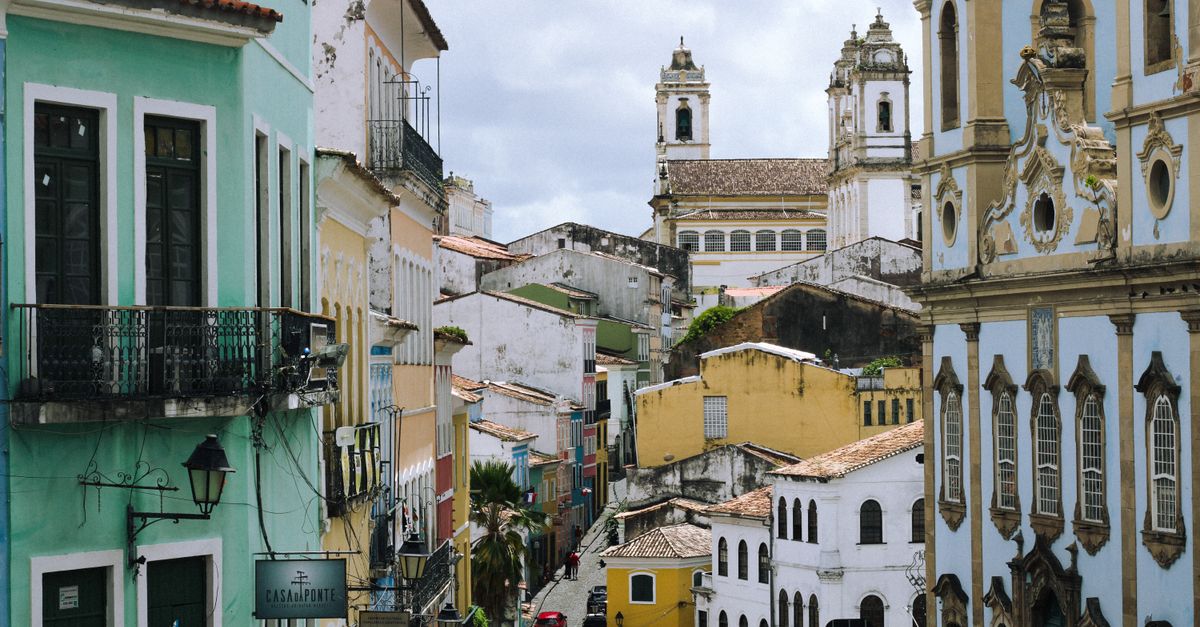
Your exploration should begin in the Pelourinho, the colonial heart of the city designated as a UNESCO World Heritage site. Wander the steep, uneven streets to admire the brightly painted buildings that house art galleries, workshops, and small museums. A primary landmark here is the São Francisco Church and Convent, which features an interior covered in an overwhelming amount of gold leaf, showcasing the opulence of the colonial era. After visiting the church, walk toward the Elevador Lacerda, an art deco public elevator that connects the lower city to the upper city. It provides a quick transit between the port area and the historic center, offering a sweeping view of the Bay of All Saints.
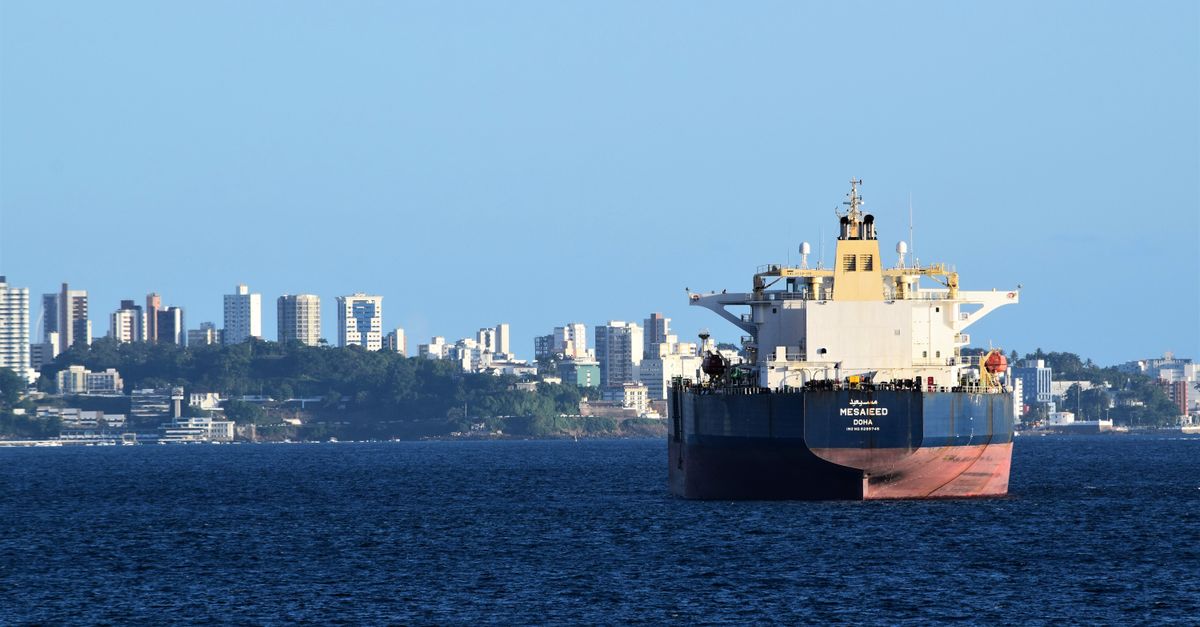
At the base of the elevator lies the Mercado Modelo, a cavernous market where you can browse for local handicrafts, hammocks, and lace work. It is a standard stop for souvenirs, but the real charm lies in the surrounding port area where the maritime history of the city becomes apparent. For a deeper look into the religious history of the region, visit the Museu Afro-Brasileiro, which houses an impressive collection of artifacts related to the slave trade and the development of Afro-Brazilian religions. The woodcarvings and ritual objects provide necessary context for understanding the city’s complex social landscape.
To experience the natural beauty of the area, head to the Farol da Barra, the lighthouse that marks the entrance to the bay. It is a favorite spot for locals to watch the sunset, and the adjacent beach is perfect for a dip in the calm, protected waters. If you are interested in the spiritual life of the city, make a pilgrimage to the Igreja do Nosso Senhor do Bonfim, a church famous for the colorful ribbons tied to its gates. Visitors often tie these ribbons to their wrists as a symbol of faith and good luck. For a change of pace, spend an afternoon at the Dique do Tororó, a large artificial lake featuring giant sculptures of Orixás, the deities of Candomblé, rising out of the water. Finally, try to catch a performance by the Balé Folclórico da Bahia, which showcases traditional dances and capoeira in a highly choreographed and professional setting, providing a window into the physical artistry that defines the region.
Food and Dining Guide#
The food in Salvador is distinct from the rest of Brazil, heavily influenced by West African traditions. You must start with Acarajé, a deep-fried ball of black-eyed pea dough filled with vatapá, a spicy paste made from shrimp, peanuts, and coconut milk. You will see women in traditional white lace dresses, known as baianas, frying these on street corners; do not hesitate to buy one from them, as they are the gold standard of local street food. Another staple is Moqueca, a slow-cooked seafood stew prepared in a clay pot with coconut milk, dendê oil, and fresh peppers. It is typically served with rice and farofa, which is toasted cassava flour.
For a lighter option, look for Bobó de Camarão, a creamy shrimp stew made with a base of mashed cassava, which gives it a rich, velvety texture. If you want a quick snack, Abara is a variation of acarajé that is steamed in banana leaves rather than fried, offering a slightly different, softer texture. When dining out, look for restaurants in the Rio Vermelho district, where you can find everything from casual beachside kiosks to elegant dining rooms. Many of the best experiences are found in small, family-run spots where the menu is limited to one or two specialties, ensuring that the ingredients are fresh and the recipes are perfected through generations.
Getting Around Salvador da Bahia#
Navigating Salvador requires a mix of patience and planning. The city is hilly and sprawling, making walking between distant neighborhoods impractical. The public bus system is extensive and covers almost every corner of the city, but it can be confusing for a newcomer due to the lack of clear signage and the sheer volume of routes. If you choose to use the bus, have your destination written down and ask the driver for assistance. For most American travelers, ride-sharing apps are the most reliable way to get around. They are widely available, reasonably priced, and eliminate the need to negotiate fares with taxi drivers.
Taxis are also readily available, though you should always ensure the meter is running or agree on a price before you set off. Avoid renting a car unless you are planning to venture far into the countryside. Driving in Salvador is chaotic, parking is scarce, and the local driving style can be aggressive. The city also features a modern metro system that serves parts of the city, which is clean and efficient, though it currently has a limited reach for tourists staying in the coastal zones. Relying on a combination of ride-sharing for long distances and walking within specific neighborhoods like the Pelourinho or Barra will be your best approach.
Budget Breakdown#
Salvador is generally more affordable than the major cities in the southern part of Brazil. For a budget traveler, a daily budget of $40–$60 is realistic. This covers a bed in a shared dormitory or a very basic guesthouse room, eating street food like acarajé for most meals, and using public transportation. You can keep costs down by focusing on free walking tours and public beaches, which are the primary attractions of the city.
Mid-range travelers should expect to spend between $100–$150 per day. This budget allows for a private room in a comfortable boutique guesthouse, sit-down meals at reputable restaurants, and the use of ride-sharing services to get around. It also leaves room for paid museum entries and a few guided tours. Luxury travelers can expect to spend $250 or more per day, which secures high-end accommodation with ocean views, private car services, and fine dining experiences in the Rio Vermelho district. Regardless of your budget, the cost of alcohol and local snacks remains quite low compared to U.S. prices.
Travel Tips for Salvador da Bahia#
Personal Safety is a common concern, and it is wise to practice common-sense precautions. Avoid walking alone at night, especially in the narrow, quiet alleys of the Pelourinho or on deserted beaches. Keep your valuables, such as expensive cameras or jewelry, tucked away and out of sight. It is best to carry only the cash you need for the day and leave your passport in a secure location at your accommodation.
Language Barriers can be significant, as English is not widely spoken outside of the high-end tourism sector. Learning a few basic phrases in Portuguese will go a long way in helping you navigate menus and ask for directions. Locals are generally very friendly and will appreciate the effort, even if your pronunciation is not perfect. Having a translation app on your phone is a helpful backup for complex interactions.
Tipping Culture in Brazil is different from the United States . A service charge of 10% is often included in restaurant bills, and this is considered sufficient. You are not expected to leave an additional percentage on top of this, though you may leave small change for exceptional service at a bar or cafe. If no service charge is included, a 10% tip is a polite gesture.
Sun Protection is essential because the tropical sun is much stronger than what most Americans are accustomed to. Even on cloudy days, the UV index remains high. Wear high-SPF sunscreen, a wide-brimmed hat, and polarized sunglasses, especially if you are spending long days at the beach or walking through the open plazas of the city.
Health Precautions include drinking only bottled or filtered water. While the tap water in many areas is treated, it is safer to avoid it to prevent stomach issues. Make sure you are up to date on routine vaccinations before traveling, and consult a travel clinic regarding recommendations for the region.
Cultural Respect is important when visiting religious sites. Salvador is a city of deep faith, and you should dress modestly when entering churches or attending ceremonies. Avoid wearing beach attire in the historic center. If you are invited to observe a Candomblé ceremony, follow the lead of your hosts regarding photography and behavior, as these are sacred spaces rather than tourist attractions.
📌 Disclaimer
Prices, schedules, tour details, flight routes, visa requirements, and all other information on this page are based on data at the time of writing. Fares, availability, and policies may change. Please verify current details on the official website before booking.
📌 More about Salvador da Bahia