📌 Disclaimer
Prices, schedules, tour details, flight routes, visa requirements, and all other information on this page are based on data at the time of writing. Fares, availability, and policies may change. Please verify current details on the official website before booking.
Why Visit Rotterdam?#
The sharp aroma of roasted coffee beans and salty sea air drifts across the docks as container ships maneuver through the harbor. Unlike the postcard-perfect canal houses of Amsterdam , Rotterdam presents an entirely different face of the Netherlands . Following heavy destruction in the Second World War, the city completely reinvented itself as an architectural laboratory, swapping historic preservation for bold, experimental design. For American travelers accustomed to grid systems and historic brownstones, this skyline feels refreshingly futuristic, where skyscrapers twist, cube houses tilt at bizarre angles, and the architecture constantly challenges traditional notions of urban planning.
Beyond the striking skyline, the city carries a working-class spirit that shapes everyday life. It operates as Europe ’s largest port, and that maritime energy infuses the local culture with an unpretentious, industrious attitude. You will find sprawling street art murals covering entire brick facades, independent galleries tucked inside former industrial warehouses, and a multicultural population that directly influences the local food and music scenes. It is a place that rewards curiosity, inviting visitors to look past the initial industrial exterior and discover an energetic destination defined by constant reinvention.
Navigating the city feels remarkably straightforward compared to its congested northern neighbor. Wide pedestrian zones, extensive bike lanes, and a compact center make exploring on foot or two wheels entirely manageable for newcomers. Whether you are hunting down avant-garde design, sampling international street food at massive indoor markets, or simply watching massive cargo vessels glide down the Meuse River, Rotterdam offers a distinct perspective on modern European life that appeals directly to travelers seeking something alternative.
Best Time to Visit Rotterdam#
Timing your trip depends largely on how you prefer to experience the weather and local crowds. Spring, running from April through May, brings blooming tulips to nearby parks and pleasant daytime temperatures without the heavy summer tourist throngs. During these months, outdoor café terraces begin filling up in the late afternoon, and airline prices from the United States remain moderately priced compared to the peak summer season. You will need a light jacket for breezy days, but the comfortable conditions make walking the harbor exceptionally pleasant.
Summer, stretching from June through August, represents the peak travel period with the warmest weather and longest daylight hours. Outdoor festivals, rooftop cinema screenings, and pop-up beach bars animate the city nearly every weekend. However, hotel rates reach their annual maximums, and popular attractions require advance booking. European vacationers also travel heavily during July and August, meaning you will encounter more crowds around major landmarks and transit hubs.
Autumn, spanning September through November, offers a noticeable shift as the summer crowds depart and crisp air settles over the canals. September maintains residual warmth from the summer months, while October and November bring gorgeous amber foliage along the waterfront, though rain showers become more frequent. This shoulder period generally yields favorable lodging rates and shorter lines at museums. Winter, from December to February, brings cold, gray days and early sunsets, but it also delivers the lowest accommodation prices of the year and cozy indoor dining scenes without any American tourist congestion.
Where to Stay in Rotterdam#
Choosing a neighborhood depends heavily on your preferred travel style and proximity to transit. The Central District surrounds the main railway station, making it the most convenient option for travelers arriving via international trains or airport connections. This area features sleek mid-range and high-end properties designed with modern corporate minimalism in mind. Staying here places you within a short walk of major commuter lines, though the neighborhood quiets down significantly after office hours, offering a more utilitarian atmosphere rather than historic charm.
For travelers prioritizing nightlife and dining, the Maritime Quarter and the museum district offer an appealing blend of historic brick architecture and contemporary convenience. This neighborhood places you close to major art institutions and historic harbors where old tall ships dock. Accommodations here skew toward boutique mid-range options and upscale properties that blend classic nineteenth-century building facades with contemporary interior design. The streets feel lively into the evening, lined with neighborhood pubs and upscale dining rooms overlooking the water.
If you prefer a trendy, artsy atmosphere, look toward the neighborhood surrounding the old harbor and the north bank of the river. This area attracts a younger crowd, featuring independent guesthouses, stylish loft rentals, and boutique properties catering to design-conscious travelers. The streets pulse with creative energy, featuring independent coffee roasters, vintage clothing boutiques, and craft cocktail bars right outside your door. Budget-conscious travelers can also find clean, contemporary hostels and affordable chain options on the outer edges of the center, where excellent tram connections ensure you are never far from the main sights.
Top Things to Do in Rotterdam#
The city’s architectural ambition becomes immediately apparent at the Cube Houses, a cluster of tilted yellow cubes designed by architect Piet Blom in the nineteen-seventies. Walking beneath these geometric wonders feels like stepping into a surrealist painting, and visitors can even tour a furnished interior cube to experience what daily life looks like inside a slanted wall. Just steps away stands Markthal, a massive horseshoe-shaped indoor food market covered by a colossal digital ceiling mural of oversized fruits, vegetables, and insects. Beneath this colorful vault, dozens of food stalls sell everything from Dutch cheeses to international street food, making it an ideal spot to sample local flavors in a visually stunning setting.
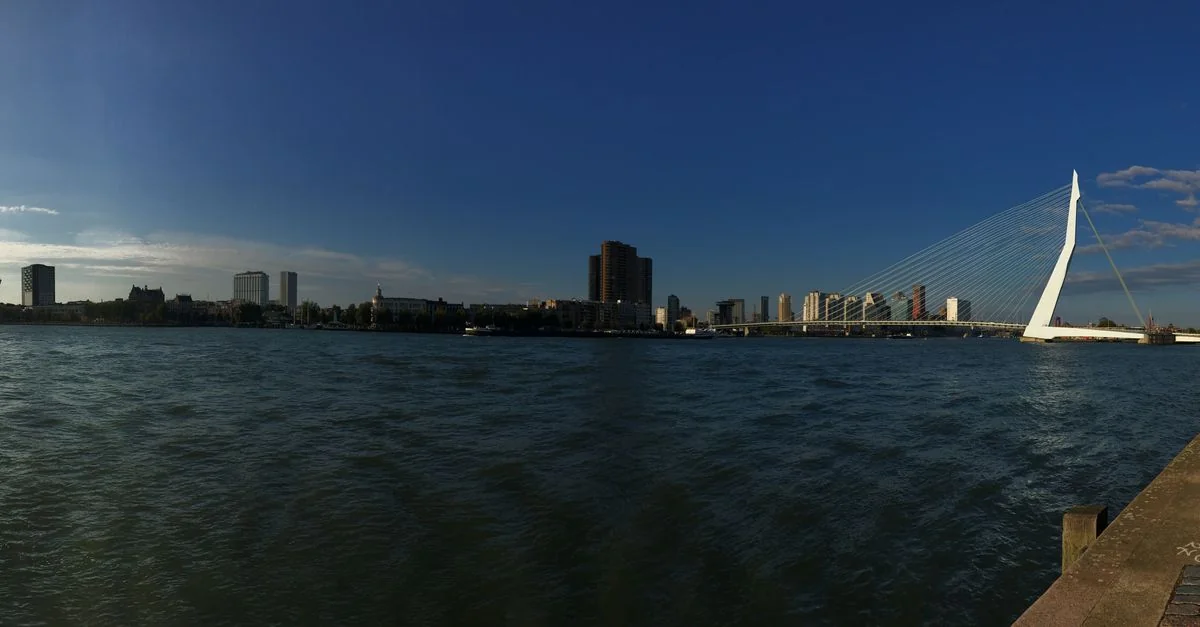
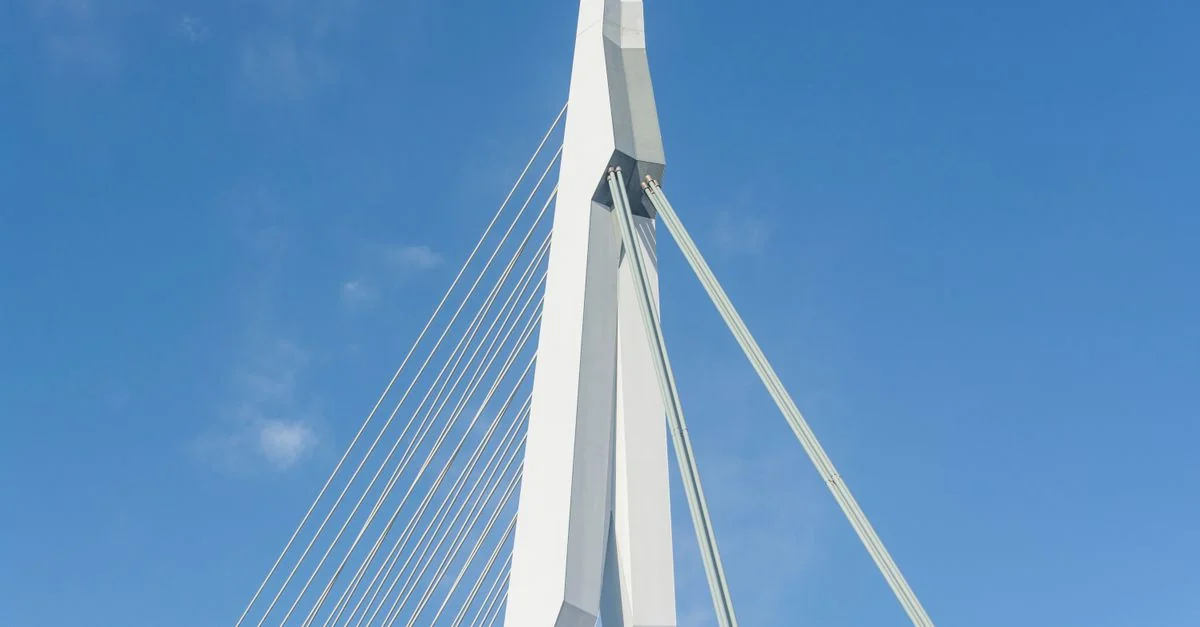
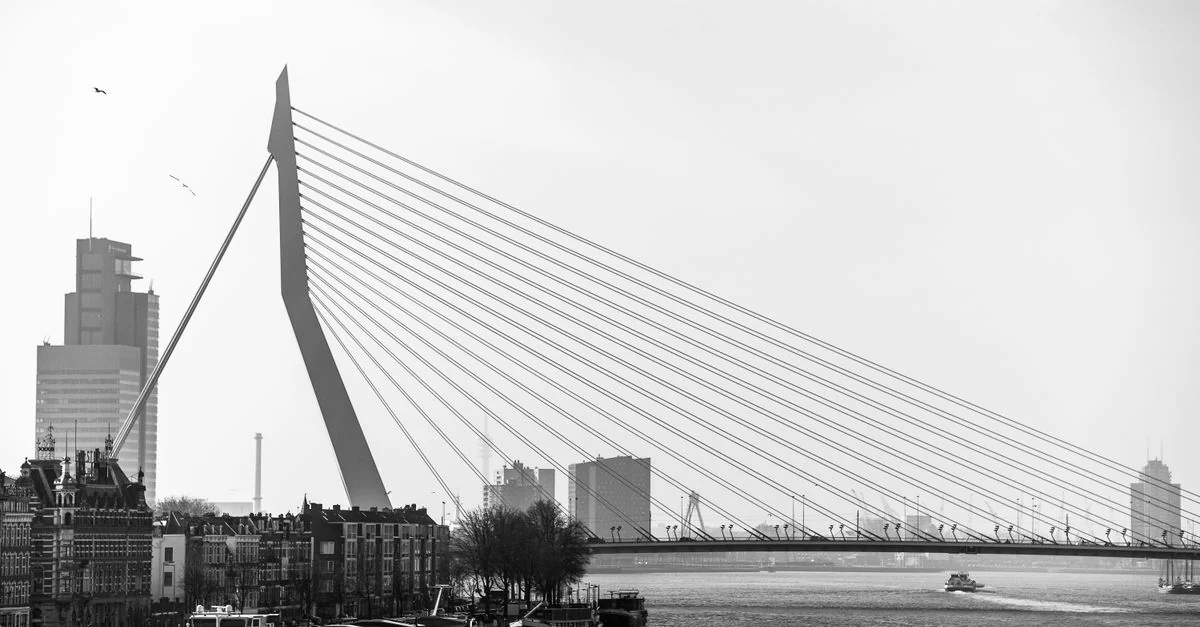
To truly understand the city’s maritime scale, head straight to the Erasmus Bridge, affectionately nicknamed The Swan due to its asymmetrical, soaring white pylon. Walking across this suspension bridge at sunset offers sweeping views of the harbor and the jagged skyline. From there, you can catch a water taxi—a high-speed yellow boat that zips across the river—to reach the SS Rotterdam, a historic former cruise liner permanently docked in the Katendrecht neighborhood. Exploring the ship’s preserved mid-century interiors provides a fascinating glimpse into transatlantic ocean travel of a bygone era.
Art enthusiasts will want to spend hours inside the Museum Boijmans Van Beuningen Depot, the world’s first publicly accessible art storage facility. Encased in a massive mirrored bowl that reflects the surrounding park, this building allows visitors to witness conservation work and view thousands of pieces of fine art outside traditional gallery curation. For panoramic views of the entire metropolitan area, ascend the Euromast, a towering observation spire that lifts you hundreds of feet above the ground for a clear vantage point extending all the way to the North Sea on exceptionally clear days.
For a slower pace, wander through the historic harbor of Delfshaven, one of the few pockets that survived the wartime bombing. Cobblestone streets, historic windmills, and centuries-old brick buildings create a stark contrast to the gleaming skyscrapers of the modern center. Here, you can trace the steps of the Pilgrim Fathers who prayed in the historic church before setting sail for America. Afterward, escape the urban density entirely by walking through Het Park, a sprawling nineteenth-century green space filled with winding pathways, shaded lawns, and tranquil ponds where locals gather for afternoon picnics.
Food and Dining Guide#
The local dining scene reflects both traditional Dutch comfort food and the diverse culinary influences of a major global port city. You cannot explore the streets without stopping at a neighborhood market stall or bakery for Stroopwafels, thin waffle cookies pressed together with a warm, gooey caramel syrup filling that melts delightfully when placed atop a hot cup of coffee. Another casual street food staple is Bitterballen, deep-fried, bite-sized savory gravy balls coated in breadcrumbs and served piping hot with sharp mustard. These crispy snacks form the absolute cornerstone of the Dutch pub experience and are best enjoyed alongside a cold local lager.
Seafood occupies a proud place on local menus, particularly Matjesharing, traditional cured raw herring served with raw onions and pickles. While eating a whole fillet by holding it up by the tail might seem intimidating at first, the fish is surprisingly delicate and mild. For a heartier meal, order a plate of Stamppot, a traditional comfort dish of mashed potatoes combined with seasonal vegetables like kale or carrots, typically served alongside a massive, savory smoked sausage with a well of rich gravy carved directly into the center.
When it comes to deciding where to eat, the city offers a sharp contrast between casual street food and ambitious modern dining. Massive indoor food halls provide the ultimate casual experience, housing dozens of independent vendors serving everything from Indonesian rice tables to artisanal burgers under one roof. For sit-down meals, the neighborhood surrounding the old harbor hosts excellent waterfront restaurants focusing on contemporary European cooking, while the Katendrecht peninsula features trendy industrial spaces turning out innovative fusion cuisine that highlights the multicultural heritage of the local population.
Getting Around Rotterdam#
Navigating the city requires very little planning thanks to a practical, highly integrated public transit network. Operated by the local transit authority, the system includes a clean metro network, an extensive tram system, and frequent bus lines that cover every corner of the urban area. Purchasing a reusable smartcard at station kiosks or using contactless credit card tap-in technology makes boarding effortless. Trams are particularly useful for sightseeing, as above-ground routes allow you to watch the neighborhoods change as you travel between destinations.
Walking remains one of the greatest pleasures here, as the city center prioritizes pedestrians with wide sidewalks, car-free shopping zones, and dedicated pathways along the waterfront. Many of the most striking architectural landmarks sit within comfortable walking distance of one another. Cycling is the undisputed king of local transportation, with dedicated red asphalt bike lanes lining nearly every major avenue. While you can easily rent a bicycle through app-based sharing services or traditional rental shops, visitors should stay alert and respect the brisk pace of local commuters who treat cycling as serious transportation rather than a leisurely activity.
Taxis are readily available outside major train stations and designated stands, but they tend to be significantly more expensive than public transit and are rarely necessary unless you are traveling late at night with heavy luggage. Water taxis offer a fun, efficient alternative for crossing the river, operating on-demand through a smartphone app or by phone call. Renting a car is strongly discouraged for exploring the city center itself, as parking garages are expensive, narrow streets can prove confusing, and the phenomenal public transit and cycling infrastructure render four-wheeled vehicles a liability rather than an asset.
Budget Breakdown#
Planning your expenses in advance helps ensure a smooth trip, and understanding local pricing tiers allows you to tailor the journey to your financial comfort level. For budget-conscious travelers staying in clean hostel dormitories or suburban guesthouses, preparing meals from grocery store ingredients, and relying exclusively on walking and public transit, daily expenses remain quite reasonable. This tier allows for occasional bakery snacks and paid entry to a few key attractions while keeping overall expenditures lean.
Mid-range travelers can expect a comfortable experience that includes private boutique hotel rooms in central neighborhoods, sit-down dinners at neighborhood bistros, daily café visits, and admission fees for major museums and observation towers. Public transit passes and occasional water taxi rides round out the transportation costs. This approach provides a balanced travel style where you can enjoy the city’s culinary highlights and cultural offerings without meticulously counting every penny.
Luxury travelers will find upscale design hotels with river views, fine-dining establishments featuring tasting menus, private guided architecture tours, and taxi transportation when walking is impractical. High-end accommodations feature premium amenities, and dining out involves reservations at the city’s most sought-after tables. Regardless of which budget tier you choose, tap water is universally safe and free, tipping is modest compared to American standards, and many of the most striking architectural sights—like the bridges, street art, and cube houses from the outside—cost nothing to admire.
Travel Tips for Rotterdam#
Language accessibility is remarkably high throughout the Netherlands, as nearly everyone speaks fluent English. You will rarely encounter a language barrier in restaurants, hotels, or public transit, making navigation effortless for American travelers who only speak English. However, learning a polite greeting like “Goedemorgen” for good morning or saying “Dank je wel” for thank you goes a long way in showing cultural respect to locals.
Payment methods heavily favor cashless transactions. Most restaurants, cafes, museums, and transit ticket machines do not accept cash at all, relying entirely on contactless credit cards or smartphone payment apps. Ensure your credit cards have chip technology enabled and notify your bank of international travel before departure. Having a card with no foreign transaction fees will save you considerable money over the course of your stay.
Weather preparedness is essential given the maritime climate. Rain showers and brisk winds can roll in unexpectedly from the North Sea at any time of year, transforming a sunny afternoon into a wet walk in minutes. Pack layers and always carry a compact, wind-resistant umbrella or a waterproof jacket. Locals simply shrug off light rain and continue cycling or walking, so having the right gear ensures you can do the same.
Tipping etiquette differs substantially from the United States. Service charges are already included in restaurant and taxi bills by law. Tipping is therefore not mandatory, but rounding up the bill to the nearest Euro or leaving a modest percentage for exceptional service in a sit-down restaurant is appreciated by staff, though leaving American-style heavy tips is unnecessary.
Reservations for dining and attractions are increasingly important, especially during peak seasons and weekends. Popular indoor food market stalls, architectural tours, and well-reviewed restaurants fill up quickly. Booking time slots online for major sights like the art storage depot and securing dinner reservations ahead of time prevents disappointment and maximizes your sightseeing time.
Cycling awareness requires constant vigilance from pedestrians. The red-paved bike lanes are essentially high-speed highways for local commuters who ride with purpose and speed. Always look both ways before stepping off a sidewalk into a bike lane, and never walk in the cycling paths while looking down at a smartphone. Respecting the local cycling culture keeps everyone safe and prevents frustrating encounters with fast-moving riders.
📌 Disclaimer
Prices, schedules, tour details, flight routes, visa requirements, and all other information on this page are based on data at the time of writing. Fares, availability, and policies may change. Please verify current details on the official website before booking.
📌 More about Rotterdam