📌 Disclaimer
Prices, schedules, tour details, flight routes, visa requirements, and all other information on this page are based on data at the time of writing. Fares, availability, and policies may change. Please verify current details on the official website before booking.
Why Visit Roatan?#
The salt spray from the Mesoamerican Barrier Reef hits your face before the twin-engine plane even touches the tarmac, carrying the distinct scent of warm seaweed, mangrove wood smoke, and diesel. As the largest of Honduras ’s Bay Islands, Roatan sits about forty miles off the northern coast of the mainland, functioning as an entirely different world from Central America’s interior. Life here revolves around the water, where turquoise shallows drop off into cobalt trenches just a few hundred yards from shore. It is an island built on coral limestone, draped in dense tropical foliage, and shaped by centuries of seafaring history that left behind a unique blend of English Creole and Spanish cultures.
For American travelers seeking an accessible Caribbean escape without the sterile mega-resorts of more commercialized islands, Roatan delivers an authentic coastal rhythm. Direct flights from several major U.S. hubs land several days a week, making it surprisingly straightforward to trade a morning commute for an afternoon spent staring down a 100-foot coral wall. The island manages to balance modern comforts like reliable Wi-Fi and air conditioning with a laid-back, barefoot attitude that encourages you to throw away your watch. Whether you are descending into a twilight zone of sponges and sea turtles or nursing a cold local beer on a wooden dock at sunset, the island offers a rare combination of adventure and total relaxation.
Best Time to Visit Roatan#
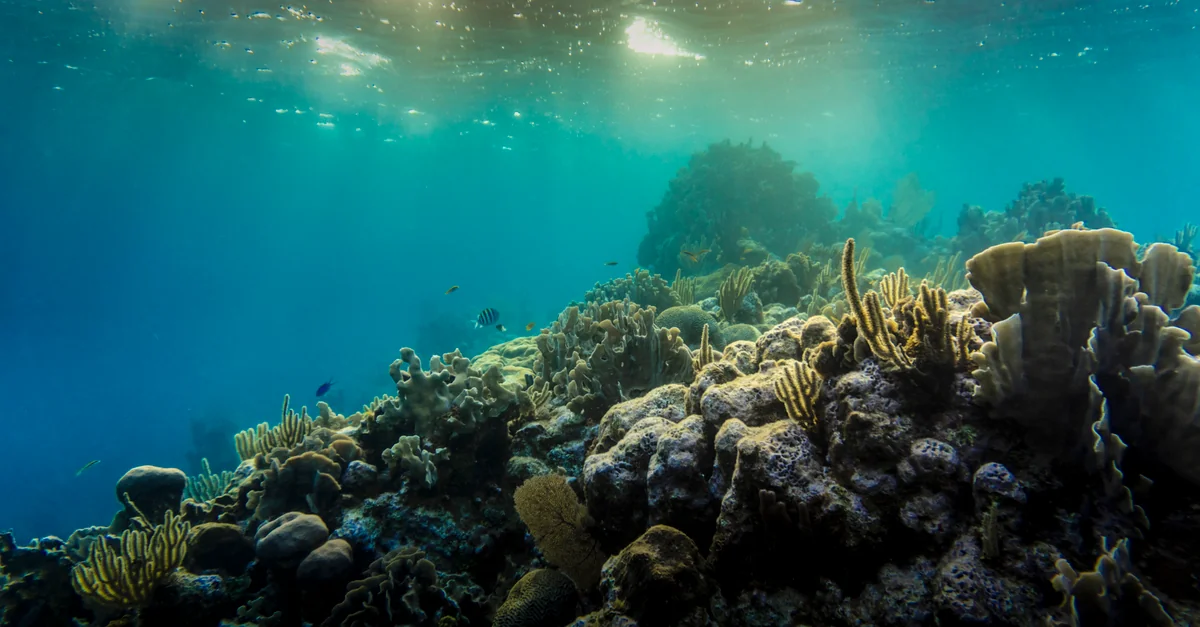
Planning a trip to the island depends heavily on weather patterns and your tolerance for humidity and crowds. The dry season runs from March through August, bringing the calmest seas and the best underwater visibility for divers and snorkelers. During these months, daytime temperatures hover in the high eighties, though trade winds usually keep the air moving comfortably. March and April see an influx of travelers escaping northern winters, particularly around spring break, which drives up lodging rates and books out the best boat charters well in advance. May and June often present a sweet spot when the holiday crowds thin out, the water remains glass-flat, and resort prices dip slightly before the peak summer family travel window begins in July.
The rainy season stretches from late October through January, marked by passing tropical showers, higher humidity, and occasionally choppy seas that can temporarily suspend boat tours to the outer reefs. November and December experience the highest precipitation, sometimes referred to as the “Norther” season when cool fronts push down from the United States , bringing brisk winds and rain squalls. However, traveling during these months or the shoulder periods of September and October yields the lowest prices on flights and accommodation. Downpours are usually brief afternoon events rather than all-day washouts, making the wetter months a viable option for budget-conscious travelers who do not mind dodging a puddle or two.
Where to Stay in Roatan#
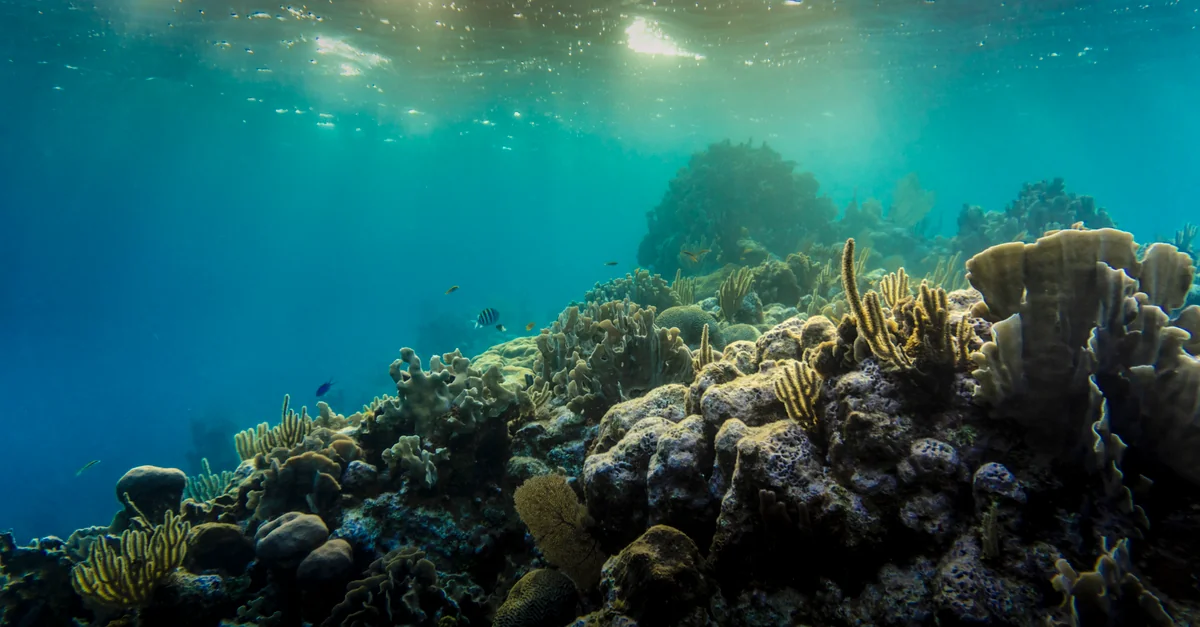
Choosing a base on the island dictates your daily routine, as the geography splits into distinct pockets with very different personalities. West End serves as the social heartbeat for backpackers, divers, and independent travelers who want everything within walking distance. This neighborhood features a single winding dirt-and-pavement road packed with dive shops, open-air bars, and casual eateries. Accommodation here skews toward budget guesthouses, small boutique inns, and mid-range rental apartments tucked just off the main drag, where nightly rates typically range from $40 to $150. You can roll out of bed, walk fifty feet to a dive boat, and finish your evening listening to live reggae music without ever needing a taxi.
Just a short water taxi ride away, West Bay presents a sharp contrast with its wide, powdery white-sand beach and upscale resort complexes. This area caters to families and travelers seeking luxury amenities, pristine beachfront access, and all-inclusive packages. Mid-range to luxury hotels and sprawling condominium developments line the sand here, with prices easily climbing from $200 to over $500 per night depending on the season. The water is calm and shallow, making it ideal for swimming right off the beach, though the atmosphere feels much more manicured and resort-centric compared to the bohemian vibe of West End.
For those looking to escape the tourist density entirely, the East End and Camp Bay areas offer a rugged, off-grid adventure. Accommodations here are limited to a handful of eco-lodges, private rental homes, and boutique fishing retreats where prices vary widely based on seclusion. Paved roads give way to red dirt tracks past Oak Ridge, and the towns feel much more connected to traditional Garifuna and islander fishing heritage. Staying on this side of the island requires renting a vehicle and planning your meals around local spots, but the reward is absolute quiet and empty stretches of coastline.
If you prefer a central location with a strong residential feel and easy access to shopping, the Sandy Bay area sits right in the middle. This neighborhood offers a mix of mid-range vacation rentals and upscale properties nestled among coconut palms and almond trees. It is quieter than West End and less commercial than West Bay, making it popular with long-term visitors, marine researchers, and travelers who want a residential island experience while remaining just a ten-minute drive from the main attractions.
Top Things to Do in Roatan#
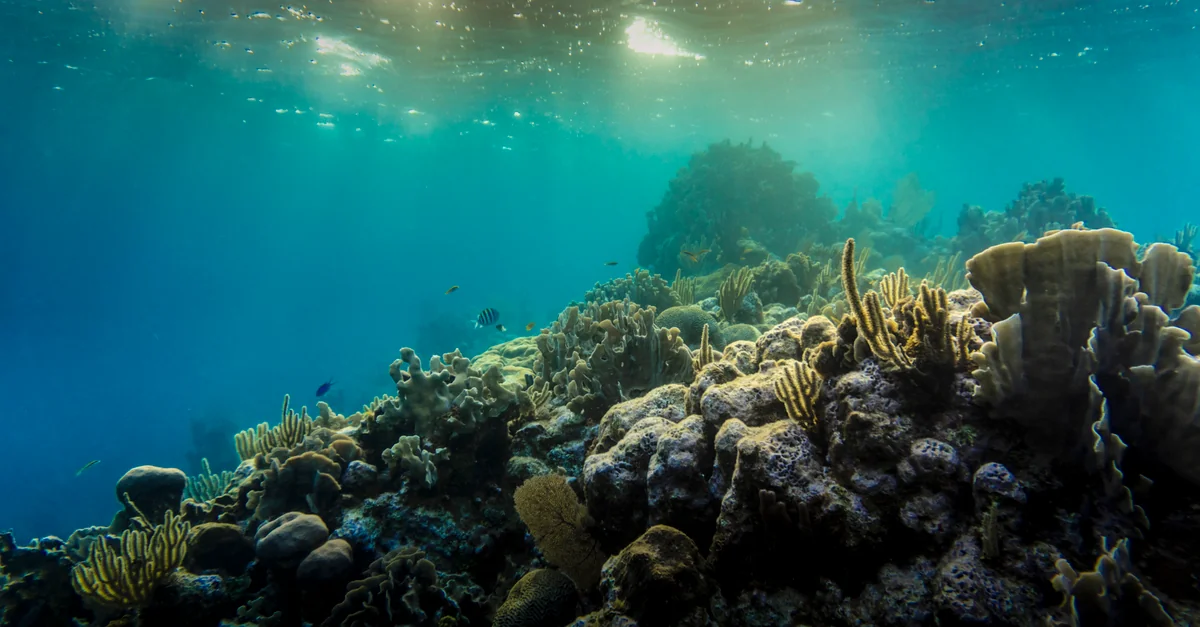
Underwater exploration stands as the primary reason most travelers cross the Caribbean to reach these shores. Submerging yourself at Mary’s Place reveals a dramatic vertical fissure in the coral shelf, created by ancient volcanic activity, where you swim through deep cuts draped in black coral and giant barrel sponges. For a more accessible marine encounter, Southwest Reef provides shallow coral gardens teeming with parrotfish, stingrays, and nurse sharks, making it a favorite spot for both novice snorkelers and experienced scuba divers.
Away from the main coral walls, terrestrial adventures offer a different perspective of the island’s geography. Carambola Botanical Gardens in Sandy Bay provides a quiet sanctuary where you can hike shaded dirt paths past towering mahogany trees, medicinal plants, and fruit orchards while keeping an eye out for resident parrots and agoutis scrambling through the undergrowth. Further east, a journey to the mangroves near Jonesville allows you to navigate a labyrinth of tangled red mangrove roots on a wooden water taxi, offering a glimpse into the isolated coastal communities that have thrived here for generations.
Animal encounters are another major draw, though choosing ethical operators is essential. Daniel Johnson’s Monkey and Sloth Hangout in French Cay allows visitors to interact closely with rescued sloths, white-faced capuchin monkeys, and colorful macaws in a controlled environment focused on animal welfare. To step back into the human history of the Bay Islands, The Roatan Museum at Anthony’s Key houses artifacts ranging from pre-Columbian pottery to relics from the era of piracy when English, French, and Spanish corsairs used the island’s hidden coves as a base for raiding Spanish treasure galleons.
For a dramatic aerial view of the canopy, the zipline canopy tours scattered across the island’s central ridges allow you to fly suspended high above the jungle canopy, taking in sweeping vistas of both the northern and southern coasts. Afterward, slow the pace down by taking a water taxi across the bay to Half Moon Bay, where you can wade into the warm, knee-deep water with a snorkel just feet from shore to watch juvenile tropical fish dart through sea grass beds.
Food and Dining Guide#
Island cuisine reflects a delicious collision of Caribbean, Spanish, and British influences, relying heavily on whatever was pulled from the surrounding sea that morning. The undisputed king of local cooking is Rondon, a rich, slow-simmered coconut milk stew loaded with whatever fresh fish, conch, or shrimp is available, along with starchy root vegetables like cassava, plantains, and yams. You will find this dish simmering in cast-iron pots at small family-run eateries, especially on weekends, and it serves as the ultimate comfort food for locals and visitors alike.
Another daily staple is Baleadas, a simple yet deeply satisfying street food item found at small roadside shacks and window counters across the island. This dish consists of a thick, handmade flour tortilla folded over a base of refried beans, freshly grated salty cheese, and crema, with optional add-ins like scrambled eggs, avocado, or grilled meat. They are cheap, incredibly filling, and usually eaten for breakfast or a late-night snack. Along the waterfront, coconut shrimp and fried whole snapper dominate lunch and dinner menus, seasoned with local recado spices and served alongside crispy plantain chips known as tajadas.
When it comes to dining style, a clear divide exists between casual local spots and upscale establishments. Street food stalls and modest wooden diners offer authentic plates for just a few dollars, where you eat at plastic tables overlooking the road. In contrast, waterfront restaurants in West End and West Bay cater to international palates with fresh sushi, wood-fired pizzas, and gourmet Caribbean-fusion seafood dinners paired with imported wines and craft cocktails.
Getting Around Roatan#
Navigating the island requires some planning, as public transportation does not operate on a rigid schedule or cover every corner of the terrain. The primary form of public transit is the colectivo, which are shared minibus vans running along the main paved spine road between West End, Coxen Hole, and French Harbor. Fares are remarkably cheap, usually costing just a dollar or two depending on the distance, but they run more frequently during daylight hours and can be crowded, hot, and confusing to first-time visitors trying to figure out the drop-off points.
Taxis are widely available and operate as private cars rather than metered cabs, meaning you must negotiate and agree upon the fare in cash before stepping inside the vehicle. Rates vary depending on the distance and the time of day, with cross-island trips costing significantly more than short hops between neighboring communities. For independent travelers who want the freedom to explore remote beaches on the East End or visit botanical gardens at their own pace, renting a car is the most practical choice. Rental agencies operate out of the airport and major tourist hubs, and while standard cars are fine for the paved main highway, having a vehicle with decent ground clearance helps when navigating the potholed dirt roads leading to secluded coves.
Budget Breakdown#
Traveling through the island can accommodate a wide range of financial plans, from shoestring backpacker trips to luxury getaways. For a budget traveler, daily expenses typically range from $50 to $90 per day. This assumes staying in a basic hostel dorm or shared guesthouse room in West End for $30 to $50 a night, eating street food like baleadas and local lunch plates, taking shared minibuses or water taxis, and sticking to shore-accessible snorkeling rather than expensive boat dives.
A mid-range traveler should expect to spend between $150 and $300 per day. This budget covers a comfortable private room in a boutique hotel or mid-range vacation rental for $100 to $200 a night, dining out at casual sit-down restaurants, taking private taxis or renting a scooter, and booking a couple of guided scuba dives or an island excursion.
For those seeking a luxury experience, costs start around $400 and easily exceed $800 per day. This tier unlocks high-end beachfront resorts in West Bay, private waterfront villas, fine dining with wine pairings, private boat charters for deep-sea fishing or diving, and dedicated private drivers for all island transportation needs.
Travel Tips for Roatan#
Understanding local customs and practical logistics ensures a smooth trip from the moment you land. Cash and currency management is crucial because while U.S. dollars are widely accepted alongside the local Honduran lempira, many smaller shops, taxi drivers, and street vendors cannot break large bills like $50 or $100. Always carry a supply of smaller U.S. denominations and local currency, and keep in mind that ATMs in West End and West Bay frequently run out of cash or experience power outages.
Sun protection and reef safety require deliberate choices regarding what you pack and apply to your skin. The island’s sun sits directly overhead much of the year, making sunburns happen rapidly, but traditional chemical sunscreens contain oxybenzone and octinoxate, which bleach and destroy the very coral reefs you came to see. Switch to mineral-based sunscreens containing zinc oxide, or better yet, wear lightweight rash guards and UV-protective swim shirts while in the water.
Tipping culture on the island generally follows North American standards in tourist areas. Restaurants often add a service charge of around ten percent, but it is customary to leave an additional cash tip for exceptional service. Divemasters, boat captains, and tour guides rely heavily on tips, and showing appreciation for their safety oversight and local knowledge with a direct cash gratuity is standard practice.
Safety and security on the island are generally manageable if you exercise normal common sense. Violent crime against tourists is rare, but opportunistic theft such as pickpocketing or leaving valuables unattended on a beach towel does occur. Avoid walking alone on unlit stretches of beach or isolated dirt roads late at night, use hotel safes for passports and excess cash, and keep a watchful eye on your belongings when moving through crowded transport hubs like Coxen Hole.
Water and health precautions require mindfulness since the island’s infrastructure is still developing. Tap water is generally not safe for drinking, so stick to bottled or purified water provided by your accommodation, and use it even when brushing your teeth to avoid digestive issues. Bringing a basic medical kit with motion sickness pills for boat rides, reef-safe insect repellent for the evening mosquitoes, and standard over-the-counter stomach remedies will keep minor inconveniences from derailing your vacation.
📌 Disclaimer
Prices, schedules, tour details, flight routes, visa requirements, and all other information on this page are based on data at the time of writing. Fares, availability, and policies may change. Please verify current details on the official website before booking.
📌 More about Roatan