📌 Disclaimer
Prices, schedules, tour details, flight routes, visa requirements, and all other information on this page are based on data at the time of writing. Fares, availability, and policies may change. Please verify current details on the official website before booking.
Why Visit Rhodes?#
The sharp scent of wild oregano bakes on the sun-bleached hillsides of Rhodes, mixing with the sharp, salty tang of the Aegean Sea long before you ever sight the water. This largest of the Dodecanese islands occupies a distinct geographic position in the southeastern corner of Greece , sitting closer to the coast of Turkey than to the mainland of Athens. That crossroads location defines the physical landscape, where medieval stone fortifications built by crusader knights meet the whitewashed architecture and blue-domed churches typical of the Aegean.
Travelers from the United States often find Rhodes remarkably approachable because it successfully balances deep historical weight with modern vacation infrastructure. Unlike smaller Greek islands that shut down completely outside of July and August, Rhodes possesses a functioning year-round economy centered around agriculture, windsurfing, and local commerce. You can spend your morning tracing the precise lines of an ancient acropolis carved directly into a mountain, and your afternoon lounging on a wide, sandy beach with a cold frappé within arm’s reach.
The island also stands out for its diverse geography and microclimates. While the northern tip features a densely packed medieval town alongside sprawling beach resorts, the interior rises into pine-covered mountains dotted with sleepy farming villages where local grandmothers still bake bread in outdoor stone ovens. Further south, the island tapers into a rugged, windswept peninsula where two distinct seas meet. This variety ensures that whether you prefer a structured holiday filled with historical exploration or a slow-paced coastal retreat, Rhodes accommodates both without missing a beat.
Best Time to Visit Rhodes#
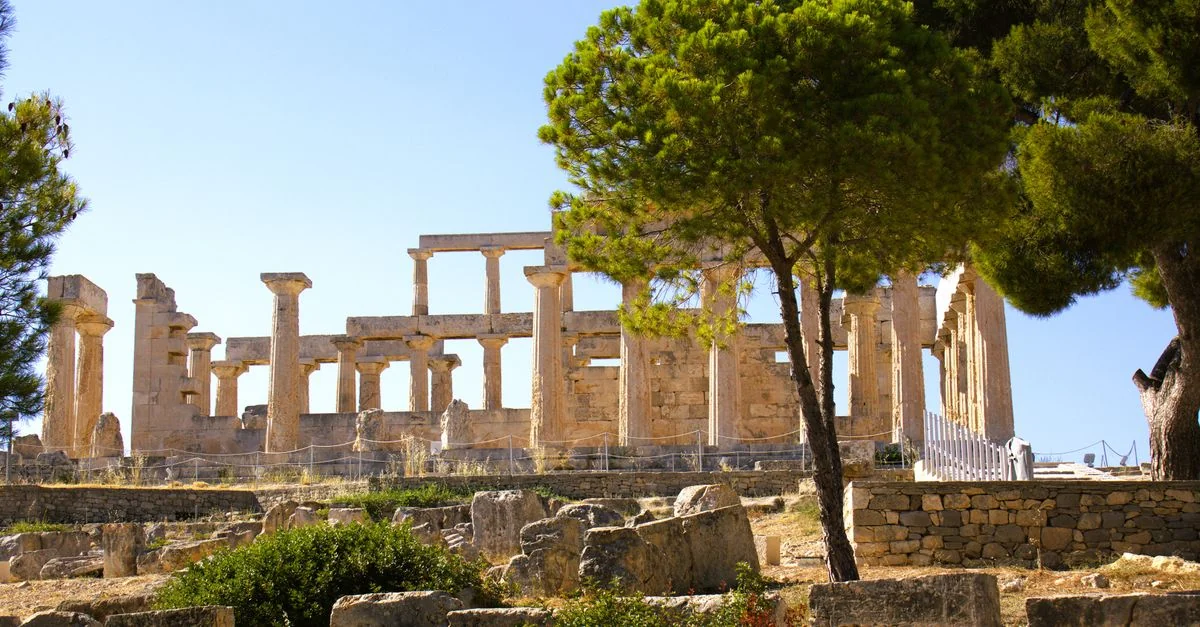
Timing your trip correctly shapes your entire experience on the island, as the Mediterranean climate dictates both the rhythm of local life and the thickness of the crowds. May and June offer some of the most comfortable weather for American visitors accustomed to spring warmth, with daytime temperatures hovering comfortably in the seventies and low eighties Fahrenheit. Wildflowers still blanket the hillsides during these months, the sea is beginning to warm up, and the heavy summer tourist throngs have not yet arrived. Accommodation rates remain moderate, and securing a table at a seaside taverna requires very little advance planning.
July and August bring intense heat, clear blue skies, and peak crowds from across Europe . Temperatures frequently push well past ninety degrees Fahrenheit, making midday hours best spent in the shade or swimming. During these high-season months, flights and accommodations reach their highest price points, and popular historical sites require early morning visits to beat the heat and tour buses. However, this period also guarantees a lively atmosphere, with beach bars operating at full capacity and evening events happening nightly across the island.
September and October present a magnificent alternative for travelers who prefer a relaxed pace and warm sea water. September maintains much of the summer heat, but the cruise ship crowds thin out significantly, and hotel prices begin to slide downward. By October, the landscape turns golden, daytime temperatures drop to pleasant sixties and seventies, and the olive harvest begins. While some seasonal businesses in smaller beach towns close by late October, Rhodes Town remains fully operational year-round, making autumn an ideal window for cultural exploration and budget-conscious travel.
Where to Stay in Rhodes#
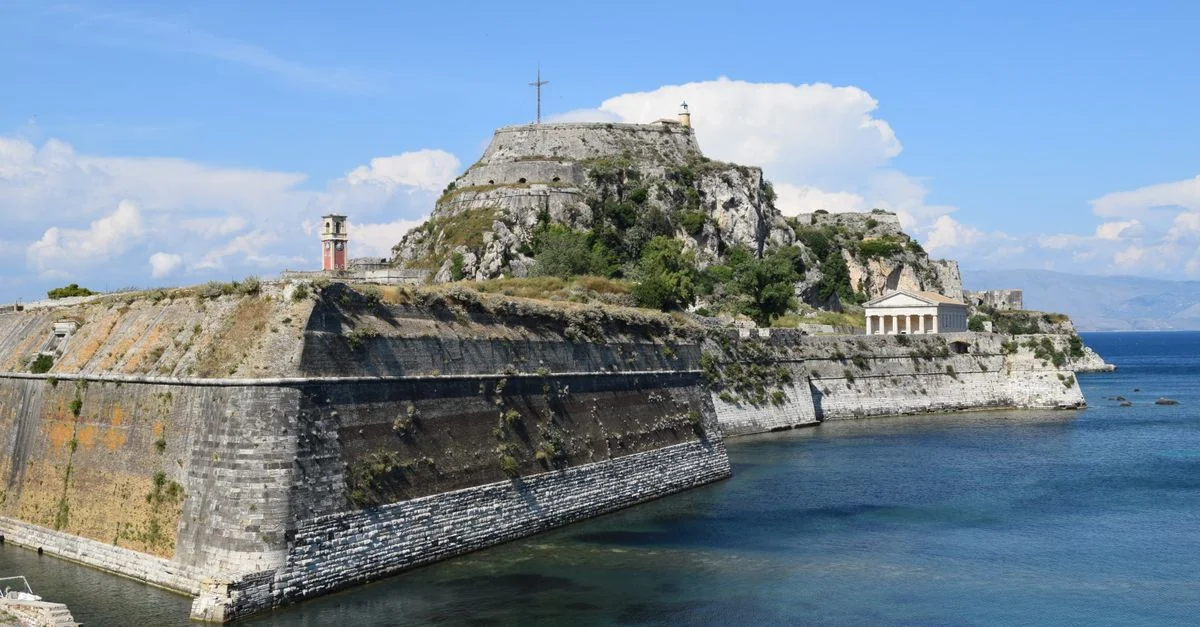
Choosing a base on the island depends entirely on whether you want to step back in time, sleep near the waves, or escape into a quiet village. Rhodes Town, specifically the area surrounding the medieval quarter, suits history enthusiasts and travelers who prefer relying on foot power rather than renting a car. Accommodation here leans toward historic boutique properties housed in converted stone buildings or traditional townhouses. Prices tend to be on the higher side due to the central location, but the payoff is walking out your front door straight onto ancient cobblestones after the day-trippers have departed for the evening.
For beach lovers who prioritize resort amenities, the eastern coastline around Faliraki and Kolymbia offers expansive sandy stretches and mid-range to luxury all-inclusive properties. This region caters well to families and travelers seeking convenience, with direct access to water sports, sun loungers, and beachfront dining. Budget options are harder to find directly on the sand here, but mid-range family-run apartment complexes sit slightly back from the main coastal road, offering more space and quieter surroundings at a lower price point.
If you prefer a more laid-back, bohemian atmosphere, the village of Lindos on the southeast coast provides a striking visual backdrop of whitewashed cubic houses cascading down a steep hill beneath a cliffside acropolis. Accommodations here range from upscale villas with private plunge pools to traditional village homes converted into intimate guesthouses. Prices reflect the extreme popularity of the setting, but staying overnight allows you to experience the narrow lanes in the quiet morning hours before the tour buses arrive from the capital.
For travelers seeking total tranquility and an authentic slice of rural island life, the western slopes and the mountainous interior offer secluded guesthouses and eco-lodges. These accommodations are budget-friendly and deeply peaceful, though you will need your own vehicle to reach dining and shopping options. Staying in this part of the island places you amid pine forests, vineyards, and agricultural fields far removed from the typical tourist paths.
Top Things to Do in Rhodes#
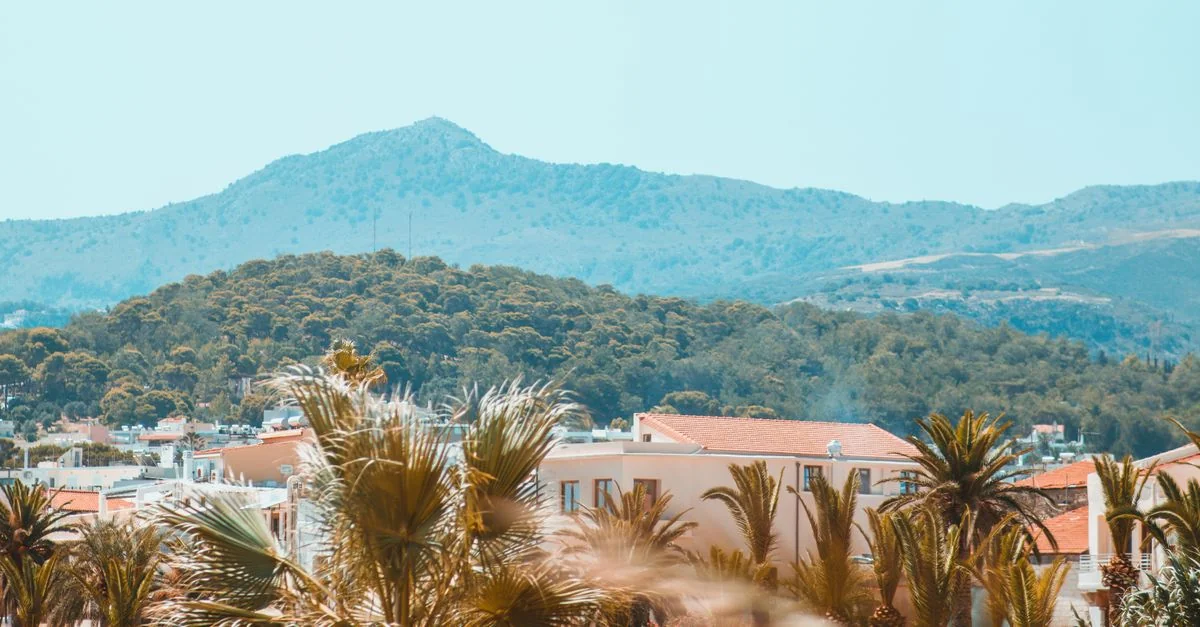
Walking through the heavy stone gates of the Old Town of Rhodes immediately transports you centuries backward into one of the best-preserved medieval fortified settlements in Europe. The massive walls, built by the Knights of Saint John, enclose a labyrinth of stone-paved alleys where Gothic arches and minarets share the skyline. Strolling down the Street of the Knights reveals the old inns where different nationalities of crusader knights once gathered, their facades still bearing carved coats of arms. At the highest point of the old city sits the imposing Palace of the Grand Master, a massive fortress showcasing sweeping medieval architecture and detailed mosaic floors brought from the island of Kos.
Moving beyond the medieval walls into the modern capital, the Mandraki Harbor serves as the picturesque waterfront where legendary ancient ships once docked, now marked by two bronze deer statues standing atop stone pillars where the famous Colossus of Rhodes is traditionally believed to have stood. A short drive down the eastern coast brings you to the Acropolis of Lindos, an ancient sanctuary perched high on a steep natural cliff overlooking the turquoise sea. Climbing the stone steps rewards you with the remains of the Temple of Athena Lindia alongside sweeping views of the coastline and the town below.
For a dramatic natural contrast, head inland to the Valley of the Butterflies, a heavily shaded, stream-fed gorge where millions of Jersey tiger moths gather during the peak summer months, drawn by the heavy scent of the native oriental sweetgum trees. Walking along the wooden footbridges above the rushing water provides a cool, tranquil escape from the Mediterranean heat. Further south, the geographical anomaly known as Prasonisi marks the absolute southern tip of the island, where the Aegean and Mediterranean seas physically meet. Depending on the wind direction and the time of year, a narrow strip of sand divides the two bodies of water, creating a top-quality popular with windsurfers and kiteboarders.
History enthusiasts should also make time to explore the archaeological site of Kamiros, one of the three ancient powerhouse cities of Rhodes that was destroyed by an earthquake. Wandering through the ruined foundations of private houses, water reservoirs, and temples gives a clear picture of ancient Greek town planning. Finally, to experience the island’s enduring rural traditions, visit the mountain village of Embona, nestled on the slopes of Mount Profitis Ilias, where local winemakers produce robust reds and fragrant whites from indigenous grape varieties grown in the high-altitude soil.
Food and Dining Guide#
Dining on the island reflects a delicious fusion of traditional Greek island cooking and historical influences from the Ottoman Empire and the Levant. Rather than complex haute cuisine, the local culinary identity relies heavily on fresh seafood, locally grown vegetables, mountain herbs, and olive oil produced from ancient groves across the interior. Street food culture centers heavily around the classic pita wrap, where seasoned pork gyros or skewered souvlaki are tucked into warm flatbread with tomatoes, onions, and cool tzatziki. You will also find bakeries on nearly every corner selling sesame-crusted bread rings and spanakopita, making quick, affordable lunches effortless while exploring.
When sitting down for a proper meal at a traditional taverna, certain regional specialties deserve a permanent spot on your table. You must try pitaroudia, which are crisp chickpea fritters fried with finely chopped onions, mint, and tomatoes, offering a savory crunch that pairs wonderfully with a squeeze of fresh lemon. Another local classic is lakani, a rich, comforting beef or goat stew slow-cooked overnight with chickpeas, wheat groats, and tomato in a sealed earthenware pot, traditionally prepared for weddings and village festivals.
Seafood features prominently at coastal tavernas, where grilled octopus, red mullet, and sea bream are caught daily and served simply with olive oil, lemon, and oregano. For a taste of the island’s agricultural heritage, look for giaprakia, which are vine leaves stuffed with a savory mixture of minced meat and rice, seasoned with mint and lemon juice. To finish your meal, restaurants often treat guests to a complimentary plate of local watermelon or melekouni, a traditional sweet made from sesame seeds, honey, almonds, and orange zest that has been served on the island since antiquity.
Getting Around Rhodes#
Navigating Rhodes requires a bit of planning because public transportation, while reliable along major coastal routes, does not easily reach the more remote interior villages and secluded southern beaches. The central bus station located just outside the walls of the Old Town operates regular services connecting the capital to major resort areas like Faliraki, Lindos, and Kolymbia. Fares are inexpensive and tickets can be purchased directly from the driver or kiosk, but timetables can stretch during the peak summer heat, and buses run much less frequently on weekends and holidays.
Taxis are readily available at designated stands in Rhodes Town, at the airport, and outside major tourist hubs, but they can become expensive if you rely on them for long-distance island exploration. Rides are metered for official urban routes, but you should always confirm the estimated fare with the driver before setting off on longer journeys across the island. Ridesharing apps have a limited presence compared to traditional taxi fleets, making street hailing or hotel-arranged cabs the standard method for short trips.
For maximum freedom and efficiency, renting a car is strongly recommended for American travelers who want to uncover the island’s quieter corners. Driving is on the right side of the road, and major highways are generally well-paved, though secondary roads in the mountains can be narrow, winding, and steep. Rental agencies operate heavily out of the airport and Rhodes Town, with automatic transmission cars available if booked well in advance. Parking inside the medieval walls of Rhodes Town is strictly restricted, so drivers should look for the designated free and paid lots located just outside the stone fortifications.
Budget Breakdown#
Planning your financial outlay for a trip to Rhodes depends largely on your travel style, seasonal timing, and preference for luxury versus rustic authenticity. Budget travelers can easily manage daily expenses by utilizing public buses, eating street food like gyros and bakery items, and staying in family-run guesthouses or hostels located slightly away from the main beaches. This approach keeps daily costs modest, allowing you to experience the historic sites and natural wonders without breaking the bank.
Mid-range travelers enjoy a comfortable balance of convenience and local flavor, renting a compact car for a few days to explore the island, dining at traditional tavernas for lunch and dinner, and booking mid-range hotels with pools or sea views. This tier provides enough financial flexibility to join organized boat excursions to nearby islands or hire local guides for historical walking tours, resulting in a moderate daily expenditure that covers all comforts without excess.
Luxury travelers will find plenty of high-end infrastructure, particularly in upscale coastal resorts and boutique properties within the medieval town. Premium spending covers private yacht charters around the Dodecanese, stays in secluded villas with private plunge pools, and fine dining at high-end restaurants serving modern Greek gastronomy. While prices in this bracket align with major European resort destinations, the exceptional level of service and exclusive settings provide strong value for those seeking an elevated holiday experience.
Travel Tips for Rhodes#
Power adapters are essential to pack because Greece uses the standard European two-round-prong plug, operating on a higher voltage than the United States, meaning American travelers will need a step-down voltage converter for high-heat appliances like hair dryers alongside standard plug adapters.
Water safety is a common question, and while tap water in Rhodes Town and major resorts is generally safe for brushing teeth and basic use, many locals and visitors prefer bottled or filtered water for drinking due to the high mineral content and taste.
Tipping culture in Greece is modest compared to the United States, where leaving a few euros in cash on the table at a taverna for good service is appreciated but service charges are often already factored into your final bill.
Sun protection cannot be overstated, as the Mediterranean sun beats down with intense ultraviolet rays from late spring through early autumn, making high-SPF sunscreen, a wide-brimmed hat, and polarized sunglasses absolute necessities for outdoor exploration.
Language barriers are practically non-existent in the tourism sector, as English is spoken fluently by almost everyone working in hotels, restaurants, and shops, though learning a few basic Greek words like “Yassas” for hello and “Efcharisto” for thank you goes a long way with local residents.
Cash availability remains important despite widespread credit card acceptance, because small family-run shops, rural tavernas, and local bus drivers frequently prefer or require cash payments for smaller transactions.
📌 Disclaimer
Prices, schedules, tour details, flight routes, visa requirements, and all other information on this page are based on data at the time of writing. Fares, availability, and policies may change. Please verify current details on the official website before booking.
📌 More about Rhodes