📌 Disclaimer
Prices, schedules, tour details, flight routes, visa requirements, and all other information on this page are based on data at the time of writing. Fares, availability, and policies may change. Please verify current details on the official website before booking.
Why Visit Quito?#
As you stroll through the historic streets of Quito , the scent of fresh bread from local bakeries mingles with the earthy aroma of roasted coffee, creating an inviting atmosphere that beckons travelers. This Ecuadorian capital is not just another city; it is a UNESCO World Heritage site renowned for its well-preserved colonial architecture and stunning mountain vistas. Nestled high in the Andes at an elevation of 9,350 feet, Quito is a unique blend of history, culture, and natural beauty, making it a perfect destination for those seeking a diverse travel experience.
The city’s long history is real in its cobblestone streets, where centuries-old churches and squares tell tales of the past. From the majestic Basilica del Voto Nacional to the lively Plaza Grande, every corner of Quito holds a story waiting to be uncovered. Beyond the architecture, the city’s lively local culture is showcased through festivals, markets, and the warm hospitality of its residents. Whether you are an art lover, history enthusiast, or simply looking to enjoy breathtaking views, Quito offers a multitude of experiences that cater to all tastes.
Best Time to Visit Quito#
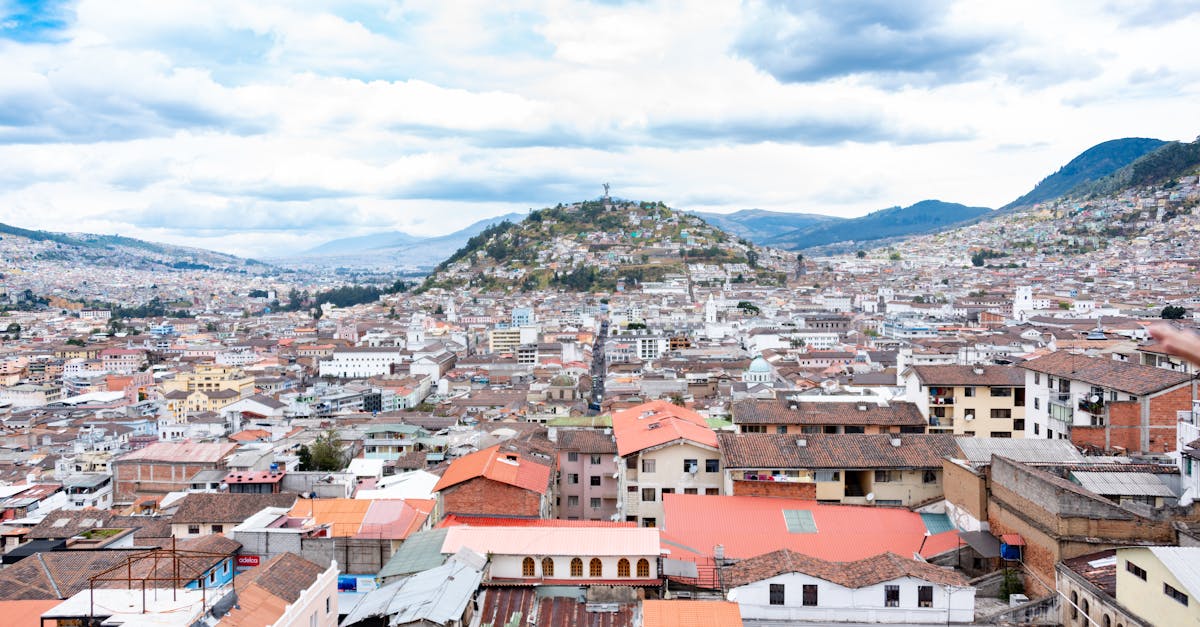
The climate in Quito is characterized by two main seasons: the dry season from June to September and the wet season from October to May. During the dry season, the skies are clearer, making it an ideal time for outdoor activities and sightseeing. Temperatures typically range from the mid-50s to mid-70s Fahrenheit, providing pleasant conditions for exploration. This period also sees a slight uptick in tourist crowds, as many travelers flock to the city to enjoy the sunshine and partake in various festivals.
Conversely, the wet season brings occasional rain showers, particularly in the afternoons. While this might deter some visitors, the lush landscapes and fewer crowds can make for a more intimate experience. October and November can be especially rainy, while December to March tends to see milder weather. Accommodations may be slightly more affordable during the wet season, so budget-conscious travelers may find it an attractive option.
Where to Stay in Quito#
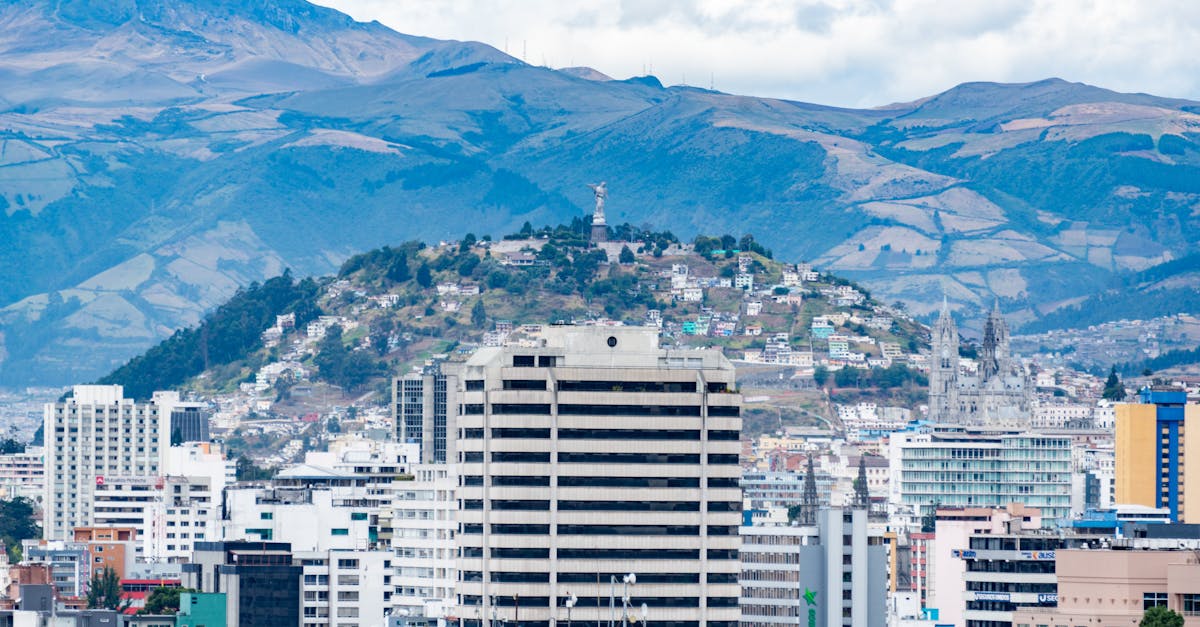
When it comes to accommodations in Quito, the city offers a range of neighborhoods that cater to different budgets and preferences. La Mariscal is a popular area for travelers seeking a lively atmosphere filled with bars, restaurants, and shops. Budget travelers can find hostels and guesthouses here, typically starting around $30-50 per night.
For those looking for a mid-range experience, Centro Histórico is an excellent choice. Staying in the heart of the historic district allows easy access to many attractions, with a variety of boutique hotels and charming inns available. Prices in this area generally range from $70 to $150 per night.
If luxury is what you seek, González Suárez is known for its upscale accommodations and stunning views of the surrounding mountains. This affluent neighborhood features high-end hotels with premium amenities, which typically start at around $200 per night. Staying here offers a serene escape while still being close to the city’s main attractions.
Top Things to Do in Quito#
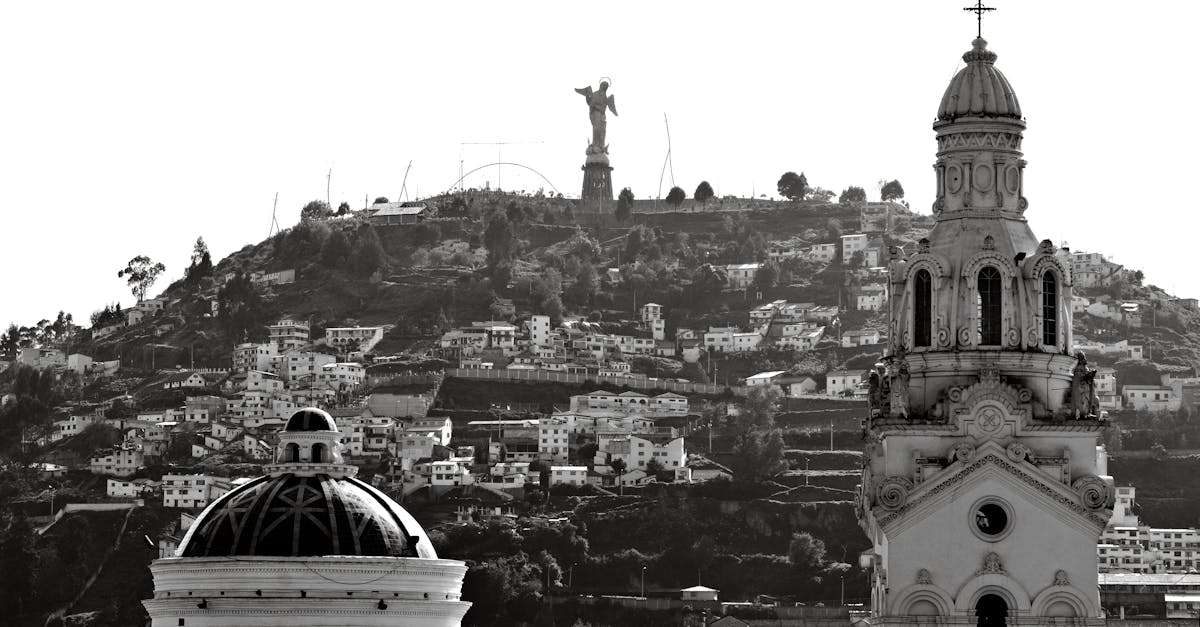
Exploring Quito is an adventure that combines history, culture, and breathtaking views. Begin your journey at the Mitad del Mundo, a monument marking the equator. Here, you can take a photo with one foot in each hemisphere and explore interactive exhibits that explain the significance of this unique location.
A visit to La Compañía de Jesús is ideal for anyone interested in architecture. This stunning baroque church, with its intricate gold leaf interior, is a testament to the artistry of the colonial period. Just a short walk away, the Basilica del Voto Nacional offers panoramic views of the city from its towers. Climbing to the top may be a bit of a workout, but the vistas of Quito and the surrounding mountains are well worth the effort.
For a taste of local life, spend an afternoon at the Mercado de San Francisco , where you can browse stalls filled with fresh produce, traditional crafts, and local delicacies. The lively atmosphere and friendly vendors create an enjoyable shopping experience. Nearby, the Plaza de la Independencia serves as a hub for both locals and tourists, surrounded by historic buildings and the presidential palace.
Nature enthusiasts will appreciate a trip to Cruz Loma via the TelefériQo, a cable car that takes you up to the Pichincha Volcano. The ride offers stunning views of the city below, and once at the top, there are several hiking trails for varying skill levels. For a more tranquil experience, the Parque La Carolina is a lovely green space perfect for a leisurely walk or a picnic, with beautiful gardens and a lake.
Don’t miss the chance to visit the Museo de la Ciudad, where you can delve into Quito’s history through engaging exhibits. The museum’s location in a former hospital adds a unique touch to your visit. If time permits, a day trip to the Otavalo Market, known for its artisan crafts and textiles, provides a glimpse into local culture and commerce.
Food and Dining Guide#
No visit to Quito is complete without sampling the local cuisine, which reflects the diverse influences of indigenous traditions and Spanish colonialism. Start your culinary journey with ceviche, a refreshing dish made from fresh fish marinated in citrus juices and served with a side of popcorn or plantain chips. Each vendor may have their own twist, so trying a few different versions can be a delightful experience.
Another worth trying is locro de papa, a hearty potato soup typically garnished with avocado and cheese. This comforting dish is perfect for warming up after a day of exploring. Street vendors and local eateries offer a chance to enjoy this dish in an authentic setting.
For a more substantial meal, consider ordering hornado, a slow-roasted pork dish with crispy skin, often served with llapingachos (potato cakes) and a fresh salad. This dish is a staple in many traditional restaurants and is sure to satisfy your appetite. If you’re feeling adventurous, don’t miss fritada, which consists of fried pork accompanied by hominy and plantains, providing a delicious balance of flavors and textures.
When it comes to dining, Quito has options that range from casual street food stalls to upscale restaurants. Street food is not only affordable but also offers a chance to interact with locals. For a sit-down meal, many restaurants take pride in using fresh, local ingredients, creating dishes that highlight Ecuador ’s unique flavors.
Getting Around Quito#
Navigating Quito is relatively straightforward, but understanding your options can enhance your experience. Public transportation includes a modern bus system, known as the Ecovía, which is efficient and affordable, connecting key areas of the city. Buses can be crowded during peak hours, but they are a great way to explore in local life.
Taxis are also widely available, and using a taxi app can make it easier to find a ride. Always ensure that the taxi is officially registered to avoid any issues. Walking is another excellent way to explore the city, especially in the historic center, where many attractions are within a short distance of each other. Just be mindful of the altitude and pace yourself if you’re not acclimated.
Renting a car is an option for those looking to explore the surrounding areas, but be aware that driving in the city can be challenging due to traffic and narrow streets. If you choose this route, familiarize yourself with local driving laws and conditions.
Budget Breakdown#
When planning your budget for Quito, consider the various expenses you may encounter. Budget travelers can expect to spend around $30-50 per night for accommodations, with additional costs for meals ranging from $10-20 per day if you stick to local eateries and street food. Transportation can be quite affordable, with bus fares typically under $1. Activities and entrance fees for attractions vary, but budgeting around $5-15 per day should cover most experiences.
Mid-range travelers may find accommodations in the $70-150 range, while dining at a mix of local and mid-tier restaurants might cost around $30-50 daily. Transportation costs remain low, and you can budget around $20-40 for activities, especially if you plan to visit several museums or take guided tours.
For those seeking luxury, expect to invest at least $200 per night for high-end accommodations. Dining at upscale restaurants could run $50-100 per day, while transportation and activities may vary widely based on personal preferences. Overall, a comfortable budget for luxury travelers could easily exceed $300 daily.
Travel Tips for Quito#
Altitude Awareness is crucial when visiting Quito, as the elevation can affect anyone not acclimated to high altitudes. Take it slow, stay hydrated, and consider spending your first day adjusting to the altitude before engaging in strenuous activities.
Local Currency is the US dollar, making it convenient for American travelers. However, be sure to carry small bills for purchases, as larger denominations may not always be accepted in smaller shops or markets.
Safety is paramount in any city, and Quito is no exception. While the city is generally safe for tourists, it’s essential to remain aware of your surroundings, especially in crowded areas. Avoid displaying valuables and opt for a money belt to keep your belongings secure.
Language can be a barrier, as Spanish is the primary language spoken in Quito. While many people in the tourism sector speak some English, learning a few basic Spanish phrases can enhance your experience and help you connect with locals.
Cultural Etiquette is important to remember. A friendly greeting, such as a simple “hola” or “buenos días,” goes a long way in establishing rapport. Additionally, try to be respectful when taking photos, especially in religious sites; always ask for permission first.
Tipping is customary in Ecuador, and rounding up the bill or leaving 10-15% for good service is appreciated. In restaurants, check if a service charge is included before adding a tip.
Plan for Weather Variability. Quito’s weather can change rapidly, so layering your clothing is advisable. Mornings can be cool, while afternoons may warm up, so being prepared will help you enjoy your time outdoors without discomfort.
📌 Disclaimer
Prices, schedules, tour details, flight routes, visa requirements, and all other information on this page are based on data at the time of writing. Fares, availability, and policies may change. Please verify current details on the official website before booking.