📌 Disclaimer
Prices, schedules, tour details, flight routes, visa requirements, and all other information on this page are based on data at the time of writing. Fares, availability, and policies may change. Please verify current details on the official website before booking.
Why Visit Pylos?#
The sharp scent of wild oregano drifts down from the dusty hillsides, mixing with the sharp, salty tang of the Ionian Sea as fishing boats gently knock against the wooden docks in the harbor. Pylos sits gracefully in the southwestern corner of the Peloponnese, wrapped around the wide, protected crescent of Navarino Bay. For American travelers weary of the overcrowded, heavily commercialized islands of the Aegean, this Peloponnesian port offers a slower, deeply traditional rhythm of Greek life. It is a place where older men still debate politics over thick Greek coffee in the central square beneath the heavy shade of ancient plane trees, entirely unbothered by the passing of time.
Beyond the peaceful waterfront, the region holds an immense weight of history, spanning from the mythological age of wise King Nestor down to the decisive naval battle of 1827 that helped secure Greek independence. Unlike destinations that rely on manufactured tourist attractions, Pylos draws its appeal from authentic landscapes—sheer limestone cliffs, olive groves that stretch as far as the eye can see, and shallow, turquoise lagoons where migratory birds rest. It invites visitors to slow down, rent a car, and explore dusty back roads that lead to ruined Frankish castles and deserted stretches of sand.
The town itself feels approachable and manageable, rewarding those who take the time to wander its steep, terraced streets on foot. You will not find mega-resorts clogging the immediate town center; instead, small family-run guesthouses and traditional tavernas dominate the landscape. Pylos delivers an authentic slice of Mediterranean living, where afternoon siestas are still respected, dinner rarely starts before nine in the evening, and hospitality feels entirely genuine rather than transactional.
Best Time to Visit Pylos#

Planning a trip to this part of the Peloponnese requires looking closely at the Mediterranean calendar to balance weather, crowd sizes, and travel expenses. Spring, specifically from late April through May, offers some of the most rewarding conditions for American visitors. During these months, the hillsides erupt in a carpet of wild poppies and daisies, temperatures are comfortably warm without being oppressive, and the olive groves are a bright, fresh green. Airfares and accommodation rates remain at shoulder-season levels, and you can explore historic sites with very few other tourists around.
Summer arrives by June and brings intense heat, long sunny days, and a significant influx of European vacationers, particularly during July and August. Temperatures frequently climb past ninety degrees Fahrenheit, making midday hours best spent resting or swimming in the cool Ionian waters. Prices for rentals and seaside lodgings reach their annual peak in August, and popular coastal spots require advance planning. However, the town takes on a lively, festive atmosphere during these warm months, with outdoor taverna seating spilling out into every available square.
Autumn provides a wonderful alternative for travelers who prefer mild weather and smaller crowds. September and October bring comfortably warm sea temperatures for swimming, while the intense heat of midsummer finally breaks. September marks the beginning of the grape harvest, adding a distinct local flavor to the tavernas, and lodging prices drop significantly after Labor Day. Winter, spanning from November through March, brings cooler, rainy weather and causes many seasonal seaside businesses to close entirely, though the town maintains its authentic, year-round community life for those seeking absolute quiet.
Where to Stay in Pylos#
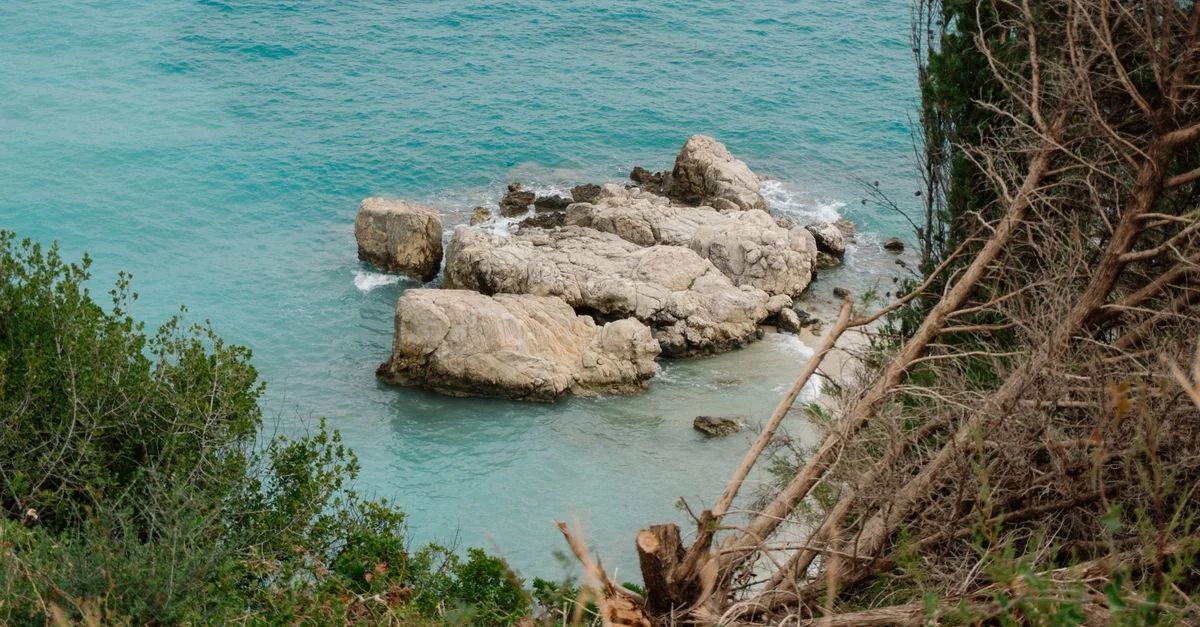
Choosing where to lay your head depends entirely on the style of trip you want to experience, as the immediate region offers distinct micro-neighborhoods. Staying directly in the historic town center places you within walking distance of the central square, local bakeries, and the main harbor. Accommodations here lean toward traditional townhouses and small, family-run guesthouses offering budget to mid-range comfort. You can step out your door directly into the morning commotion of the fishmongers and coffee shops, making it an ideal base if you prefer not to drive every time you want a meal.
Just north of the harbor, the coastal slopes offer upscale neighborhoods featuring larger properties, including modern boutique villas and luxury resort complexes. These hillside retreats provide sweeping views across the entire expanse of Navarino Bay and the imposing outlines of Sfaktiria Island. While staying in this tier requires a car or frequent taxi rides to reach the town center, it guarantees panoramic sea vistas, infinity pools, and a high degree of privacy.
For travelers seeking a completely rural atmosphere, the surrounding agricultural settlements and olive-farming valleys offer rustic stone guesthouses and converted farmsteads. These properties range from affordable, no-frills apartments to high-end eco-retreats tucked away among the trees. Choosing this countryside setting puts you closer to the region’s nature reserves and secluded beaches, offering a peaceful sanctuary far removed from any urban noise, though a reliable rental vehicle becomes an absolute necessity for getting around.
Top Things to Do in Pylos#

History and nature intertwine seamlessly across the southwestern Peloponnese, starting with the massive fortifications of Niokastro Castle. Built by the Ottomans in the late sixteenth century and later altered by the Venetians, this fortress dominates the southern entrance to the bay. Walking through its massive stone gates reveals quiet courtyards, a converted church that once served as a mosque, and a small museum detailing the maritime history of the area. The panoramic views from the highest battlements look straight out over the harbor entrance where the historic naval battle took place.
A short drive north of town brings you to the sweeping, horseshoe-shaped curve of Voidokilia Beach, widely regarded as one of the most striking coastal spots in the entire Mediterranean. The pale, powdery sand forms a narrow ribbon separating the open sea from the brackish waters of the Gialova Lagoon. Above the northern curve of the beach, a steep footpath leads up to the legendary Nestor’s Cave, a dark limestone cavern where, according to mythology, Hermes hid the cattle he stole from Apollo. Climbing further up the rocky ridge brings you to the ruined stone walls of the Palace of Nestor, an expansive Mycenaean complex dating back to the thirteenth century BC, where archaeologists discovered thousands of clay tablets inscribed in Linear B.
Across the waters of the bay, the narrow, elongated strip of Sfaktiria Island acts as a natural breakwater against the open sea. You can hire a small local boat from the Pylos harbor to cross the bay and explore the island’s quiet interior. Trails lead through low scrub to various monuments honoring the French, Russian, and British sailors who perished during the 1827 battle, as well as a quiet wooden chapel dedicated to the fallen. Back on the mainland, the inland village of Gialova provides a relaxed waterfront promenade lined with cafes, serving as the main gateway for birdwatching expeditions around the protected Gialova Lagoon, an important wetland sanctuary for migratory flamingos, herons, and rare African chameleons.
Food and Dining Guide#
The culinary traditions of Pylos rely heavily on the bounty of the surrounding land and sea, resulting in robust, unpretentious flavors that highlight fresh ingredients. Olive oil forms the absolute foundation of nearly every dish, pressed from the silvery-green Koroneiki trees that blanket the local hillsides. You will taste this oil drizzled generously over warm rustic bread, roasted vegetables, and grilled meats, imparting a distinct, peppery finish.
One of the definitive local specialties is gourounopoula, a traditional slow-roasted pork with exceptionally crisp, crackling skin that is often sold by weight at weekend street markets and roadside tavernas. Another regional favorite is lalagia, twisted loops of golden dough fried in olive oil, sometimes served sweet with honey or savory with local salted cheese. For seafood lovers, the bay yields exceptional catches, and ordering grilled octopus or tsilaria—a local variety of small fried fish—at a harbor-front taverna provides a quintessential taste of the coast.
Meat dishes also feature prominently, particularly stifado, a slow-cooked beef or rabbit stew heavily spiced with cinnamon, cloves, and small sweet onions, simmered for hours until the meat melts apart. For a casual lunch on the move, stopping at a local bakery for a slice of spanakopita or tiropita—flaky phyllo pastry stuffed with wild greens, leeks, and feta cheese—satisfies hunger quickly and affordably. Dining in Pylos follows a relaxed schedule; lunch peaks around two in the afternoon, while dinner rarely gets underway before ten at night, when families gather outside under the stars.
Getting Around Pylos#
Navigating this corner of the Peloponnese requires realistic planning, as public transportation infrastructure remains quite limited compared to major Greek cities. Regional buses connect Pylos to major regional hubs like Kalamata and Athens , but departures can be infrequent, particularly outside the peak summer months. Relying solely on buses makes exploring remote beaches, inland villages, and archaeological ruins extremely difficult and time-consuming.
Renting a car from the airport upon arrival serves as the most practical and efficient method for American travelers. Having your own vehicle allows you to navigate the winding coastal roads and steep mountain passes at your own pace, stopping wherever a promising view or roadside taverna catches your eye. Parking in Pylos town is generally straightforward, with several free municipal lots located a short walk from the central square and harbor, though spaces can fill up during the height of July and August.
Taxis are available for shorter trips or evening outings when you prefer not to drive, but they should be booked in advance through your accommodation host rather than hailed randomly on the street. Walking remains the best way to navigate the actual town center of Pylos, provided you are comfortable with steep hills, stone staircases, and uneven paving stones. Comfortable footwear with good traction is essential for exploring the sloping streets and historic castle grounds safely.
Budget Breakdown#
Planning financial expectations for a trip to Pylos depends heavily on your preferred style of travel, though the region generally offers better value than heavily touristed islands like Mykonos or Santorini . For budget-conscious travelers staying in simple guesthouses, eating at local bakeries and casual tavernas, and utilizing public transport or sharing car rental costs, daily expenses remain quite reasonable. Accommodation sits at the lower end of the spectrum, simple meals cost very little, and most natural attractions like beaches and lagoons are entirely free to visit.
Mid-range travelers can expect a comfortable experience that includes staying in a sea-view hotel or traditional apartment, dining at waterfront tavernas for both lunch and dinner, renting a reliable vehicle, and paying moderate entrance fees for historical sites and boat tours. This tier offers a great balance of comfort and authenticity, allowing you to enjoy private transport and comfortable lodgings without excessive spending.
Luxury travelers will find high-end options centered around upscale resort properties north of the town, featuring private pools, spa facilities, and fine dining restaurants. In this top tier, daily budgets increase significantly to cover premium accommodations, private guided tours of archaeological sites, and exclusive culinary experiences. Regardless of your chosen budget, carrying some physical cash is strongly recommended, as smaller tavernas, taxi drivers, and market vendors occasionally experience issues with foreign credit cards.
Travel Tips for Pylos#
Language and Communication creates very few barriers in the region, as English is widely spoken in hotels, restaurants, and shops catering to visitors. However, learning a few basic Greek phrases such as kalimera for good morning and efharisto for thank you goes a long way in showing respect to the local community and is always met with warm smiles.
Cash and Card Acceptance requires some attention, as while major restaurants and hotels accept credit cards, smaller family-run businesses, rural tavernas, and taxi drivers frequently prefer cash. Keeping a steady supply of euros on hand prevents awkward situations, and relying solely on cards in the countryside can leave you stranded.
Siesta Customs remain an important part of daily life in the Peloponnese, particularly during the warm summer months. Many smaller shops and businesses close their doors in the mid-afternoon between two and five o’clock, reopening only as the evening cools down, so plan your shopping and errands accordingly.
Sun Protection is essential due to the intense Mediterranean sunshine, especially when exploring open-air archaeological sites like the Palace of Nestor or spending the day at exposed beaches like Voidokilia. Packing a wide-brimmed hat, polarized sunglasses, and a high-SPF sunscreen is necessary to prevent severe sunburns.
Tipping Etiquette in local tavernas and restaurants is modest compared to American standards, though leaving a small cash gratuity of five to ten percent for good service is greatly appreciated by the waitstaff. Rounding up the bill for taxi drivers and tour guides is also standard practice.
Driving Habits on local roads require alertness and patience, as Greek drivers can be assertive and winding mountain roads often lack clear lane markings or guardrails. Staying defensive, yielding to vehicles on narrow village streets, and avoiding nighttime driving on unlit rural roads ensures a safe journey.
📌 Disclaimer
Prices, schedules, tour details, flight routes, visa requirements, and all other information on this page are based on data at the time of writing. Fares, availability, and policies may change. Please verify current details on the official website before booking.