📌 Disclaimer
Prices, schedules, tour details, flight routes, visa requirements, and all other information on this page are based on data at the time of writing. Fares, availability, and policies may change. Please verify current details on the official website before booking.
Why Visit Punta Arenas?#
The first thing that hits you when you step off the plane is the salty bite of wind that sweeps across the Patagonian plain, carrying with it the distant call of sea‑eagles. The city sits on the southern tip of Chile , where the Atlantic and Pacific oceans whisper against the same horizon. It feels like the world’s edge, yet the streets are warm enough to make you feel instantly at home.
What makes Punta Arenas especially appealing to American travelers is the blend of frontier spirit and comfortable amenities. You can stand on a pier and watch massive icebergs drift past, then retreat to a café where the barista greets you in fluent English. The region’s history of exploration, sheep‑farming, and early whaling is still evident in the preserved wooden houses and the imposing stone Monument to the Explorers. All of this is framed by dramatic landscapes that are just a short bus ride away, making it an ideal base for a week‑long adventure without the crowds that dominate more famous Patagonian spots.
Best Time to Visit Punta Arenas#

Winter months—June through August—bring brisk temperatures that often dip below freezing, and the city can be cloaked in snow. This period is perfect for travelers who love crisp air, fewer tourists, and lower accommodation rates. Daylight is limited, but the low sun casts a golden glow over the harbor that photographers adore.
Spring, from September to November, is a transition season. Temperatures climb gradually, and the wind eases enough to enjoy outdoor activities comfortably. Wildflowers begin to pepper the surrounding steppes, and wildlife such as Magellanic penguins become more active. Visitor numbers start to rise, but the city never feels overcrowded, and prices remain moderate.
Summer, December through February, offers the longest days—up to 17 hours of daylight—and milder weather that hovers around the low 60s °F. This is the peak season for tours to the nearby Torres del Paine and for whale‑watching excursions. Expect more travelers, especially from North America and Europe , and a corresponding uptick in lodging costs. Booking well in advance is advisable.
Autumn, March to May, brings a crispness that hints at the coming winter, while the foliage turns a soft, muted gold. Crowds thin out, and you can still enjoy many outdoor activities with comfortable temperatures. Prices begin to dip, making it a sweet spot for those who want a balance of good weather and savings.
Where to Stay in Punta Arenas#
The historic Centro district is the heart of the city, where cobblestone streets intersect with modern cafés. Budget travelers will find hostels and guesthouses tucked behind colorful facades, offering shared kitchens and communal lounges. Mid‑range options include boutique inns that blend Patagonian woodwork with contemporary comforts, while luxury seekers can choose upscale hotels that overlook the Strait of Magellan and provide spa services.
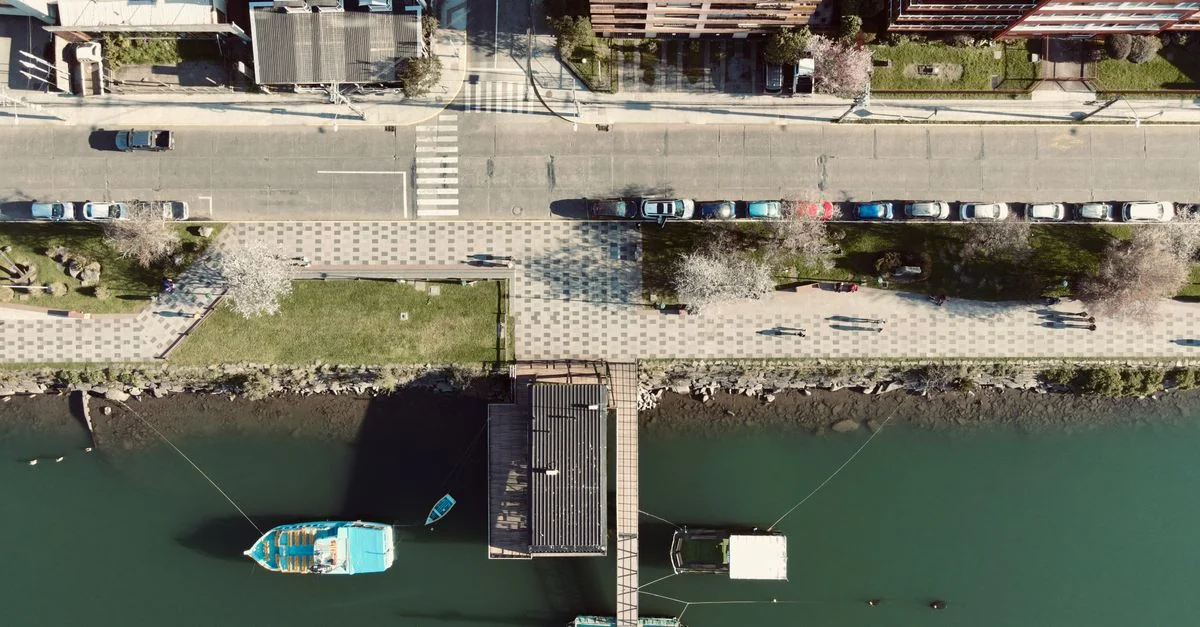
A short walk toward the waterfront lies the Costanera area. Here, budget accommodations often consist of simple rooms with sea views, perfect for travelers who want to hear the waves at night. Mid‑range properties in this zone typically feature rooftop terraces and on‑site restaurants serving fresh seafood. Luxury stays boast spacious suites, private balconies, and concierge services that can arrange private tours of the surrounding glaciers.
For those who prefer a quieter, residential vibe, the Norte neighborhood offers a mix of budget apartments and mid‑range boutique hotels set among leafy streets. The area is well‑served by local markets and small eateries, giving a more authentic glimpse of daily life. Luxury options here are limited, but a few high‑end boutique hotels provide a tranquil retreat away from the city buzz.
Finally, the Sur district, close to the airport and the industrial port, is convenient for travelers with early flights. Budget lodging is plentiful, often in the form of clean, no‑frills inns. Mid‑range choices include comfortable hotels with complimentary shuttle service to the city center. Luxury travelers can opt for upscale hotels that combine modern design with easy airport access, ideal for a stress‑free departure.
Top Things to Do in Punta Arenas#
A stroll along the Plaza Muñoz Gamero introduces you to the city’s pulse. The square is framed by grand stone buildings, and a bronze statue of a Chilean explorer watches over the busy market stalls where locals sell handmade woolen goods. From there, a short walk brings you to the Museo Nao Victoria, where a faithful replica of the 16th‑century ship that first navigated the strait sits on a dock, offering a tangible link to the age of discovery.
No visit is complete without a trip to the Cerro de la Cruz, a hill that provides sweeping panoramas of the harbor, the distant snow‑capped Andes, and the endless expanse of the sea. The climb is gentle enough for most travelers, and the view at sunrise is especially rewarding. Nearby, the Cemetery of Punta Arenas—with its ornate mausoleums and weathered marble—offers a quiet reflection on the city’s multicultural past.
For wildlife enthusiasts, a short ferry ride takes you to Isla Magdalena, home to a thriving colony of Magellanic penguins. Watching the birds waddle and dive is a simple pleasure that feels almost cinematic. If you prefer to stay on the mainland, the Parque Pali Aike provides a rugged landscape of volcanic rock formations and ancient cave paintings, reminding you that this part of the world has been inhabited for thousands of years.
History buffs will appreciate a visit to the Fortín Bulnes, a remote military outpost perched on a hill overlooking the strait. The site is accessible via a guided tour that explains the strategic importance of the region during the 19th century. A more relaxed option is the Café del Mar, a waterfront spot where you can sip a warm drink while watching the occasional passing of a research vessel or a lone seal basking on a rock.
Adventure seekers can hop on a boat for a Whale‑watching excursion during the summer months, when humpback and orca whales migrate through the waters. The experience is best enjoyed from a comfortable deck that offers ample space for photography and a knowledgeable guide who points out marine life and explains the ecosystem. Finally, a short drive out of town leads to the Reserva Nacional Magallanes, where you can hike gentle trails that wind through lenga forests and offer occasional glimpses of guanacos grazing on the open plains.
Food and Dining Guide#
Patagonian cuisine is anchored in hearty, rustic flavors that reflect the region’s rugged environment. A must‑try dish is Cordero Patagónico, a slow‑roasted lamb seasoned with rosemary and served with root vegetables that have been grown locally. The meat is tender and slightly smoky, a testament to the traditional open‑fire cooking methods still used in many restaurants.
Seafood lovers will gravitate toward Centolla, a king crab harvested from the icy waters of the Strait. It’s often presented as a chilled platter with lemon wedges, allowing the natural sweetness of the crab to shine. Pair it with a glass of Chilean Pinot Noir for a memorable meal. For a quick bite on the go, street vendors near the central market sell Empanadas de Mariscos, flaky pastries filled with a savory mix of shrimp, mussels, and herbs—perfect for a snack between sightseeing stops.
Another iconic offering is Calafate Jam, made from the bright purple berries that grow abundantly in the Patagonian steppe. It appears on everything from breakfast toast to dessert sauces, adding a tart, slightly sweet note that balances richer dishes. If you have a sweet tooth, seek out Torta de Higos, a fig cake that combines the fruit’s natural sweetness with a buttery crumb, often enjoyed with a cup of locally roasted coffee.
Dining options range from casual eateries where you can sit at a communal table and share a platter of Chupe de Mariscos—a thick seafood stew brimming with clams, mussels, and fish—to upscale restaurants that present a modern take on traditional ingredients, such as a Patagonian Trout fillet cured with smoked salt and served atop a beet puree. Regardless of where you choose to eat, the emphasis is always on fresh, locally sourced produce and a welcoming atmosphere.
Getting Around Punta Arenas#
The city’s layout is compact enough that walking is often the most pleasant way to explore the central neighborhoods. Sidewalks are well‑maintained, and the occasional tram‑style bus makes short hops across town. For longer distances, the municipal bus system runs regular routes that connect the airport, the waterfront, and the outskirts where most tour operators are based. Tickets can be purchased at kiosks or directly from the driver, and the fare structure is simple, with reduced rates for seniors and students.
Taxis are readily available and provide a convenient alternative, especially after a late dinner or when traveling with luggage. Most drivers speak basic English and will gladly recommend local sights. If you prefer more flexibility, renting a car is straightforward; several agencies operate out of the airport and downtown. A compact vehicle is sufficient for city travel, while a larger SUV may be preferable for day trips to the surrounding national parks, where gravel roads can be uneven.
For those interested in a more scenic approach, organized shuttle services run daily to popular attractions such as Isla Magdalena and the Torres del Paine gateway. These shuttles often include a guide who offers insights into the region’s geography and history, making the journey itself an informative part of the experience.
Budget Breakdown#
A budget traveler can comfortably manage daily expenses by staying in a hostel or modest guesthouse, preparing some meals with groceries from the local market, and relying on public buses for most trips. Accommodation will be the biggest variable, but overall costs stay low enough to allow for occasional splurges on a guided tour or a special dinner.
Mid‑range visitors typically choose boutique hotels that include breakfast, dine at well‑reviewed restaurants a few times a week, and may rent a car for a couple of days to explore the outskirts at their own pace. This level of spending provides a comfortable balance of convenience and immersion without feeling extravagant.
Luxury travelers often opt for upscale hotels with full‑service amenities, enjoy fine‑dining experiences featuring premium Patagonian ingredients, and hire private guides or drivers for personalized excursions. While exact numbers fluctuate with season, the relative tiers remain consistent: budget stays modest, mid‑range offers a blend of comfort and adventure, and luxury delivers premium service and exclusive experiences.
Travel Tips for Punta Arenas#
Dress in layers – The weather can shift dramatically within a single day, especially when you move from the city to the coast or the highlands. A moisture‑wicking base, a warm mid‑layer, and a wind‑proof outer shell will keep you comfortable whether you’re strolling the harbor or hiking a nearby trail.
Carry cash – While credit cards are accepted in most larger establishments, smaller shops, market stalls, and some rural tour operators prefer cash in Chilean pesos. Having a modest amount on hand makes transactions smoother and helps you avoid unnecessary fees.
Plan for daylight – During the winter months, daylight can be limited to just a few hours. Schedule outdoor activities early in the day and keep indoor options, such as museum visits or café afternoons, on standby for the later hours.
Respect wildlife distance – When observing penguin colonies, seals, or marine mammals, maintain a respectful distance. Local regulations often dictate a minimum separation to protect both the animals and visitors, and guides will remind you of the appropriate behavior.
Stay hydrated – The dry Patagonian air can be surprisingly dehydrating, even when temperatures feel cool. Carry a reusable water bottle and sip regularly, especially if you’re engaging in hikes or boat trips.
Learn a few Spanish phrases – While many locals in the tourism sector speak English, a friendly “Hola” or “Gracias” goes a long way in daily interactions and can open doors to more authentic experiences.
Check travel documentation – Punta Arenas is a gateway to the Chilean Antarctic program, and some tours require specific permits or insurance. Verify any additional paperwork well before your departure to avoid last‑minute surprises.
📌 Disclaimer
Prices, schedules, tour details, flight routes, visa requirements, and all other information on this page are based on data at the time of writing. Fares, availability, and policies may change. Please verify current details on the official website before booking.
📌 More about Punta Arenas