📌 Disclaimer
Prices, schedules, tour details, flight routes, visa requirements, and all other information on this page are based on data at the time of writing. Fares, availability, and policies may change. Please verify current details on the official website before booking.
Why Visit Portree?#
The smell of peat smoke and salted air drifts off the harbor, signaling arrival in the capital of Scotland ’s Isle of Skye. Pastel-colored fishermen’s houses wrap around the edge of a sheltered bay where fishing boats bob against the gray-green tide, creating a visual shorthand for the Scottish Highlands that feels almost cinematic in person. Beyond the immediate waterfront, steep cliffs rise to frame the view, reminding visitors that wild, untamed landscapes lie just a short walk from the local bakery.
For American travelers crossing the Atlantic, Portree offers an ideal basecamp for exploring the dramatic geology of the Inner Hebrides without sacrificing modern comforts. The town balances a slow-paced island lifestyle with enough pubs, cafes, and wool shops to keep afternoons engaging when the Highland weather turns damp and misty. It provides a manageable introduction to Scottish Gaelic culture, where road signs appear in two languages and traditional folk music spills out into the evening streets from neighborhood gathering spots.
Beyond its scenic harbor, Portree serves as the practical epicenter for outdoor adventurers aiming to hike the Trotternish Ridge or photograph ancient volcanic formations. Renting a cottage or booking a guesthouse here means waking up minutes away from dramatic coastal trails while still being able to return in time for a hearty dinner of fresh seafood. It is a destination that rewards curiosity, whether that means chatting with local artists in tiny studios or simply watching the changing light cast long shadows over the surrounding hills.
Best Time to Visit Portree#
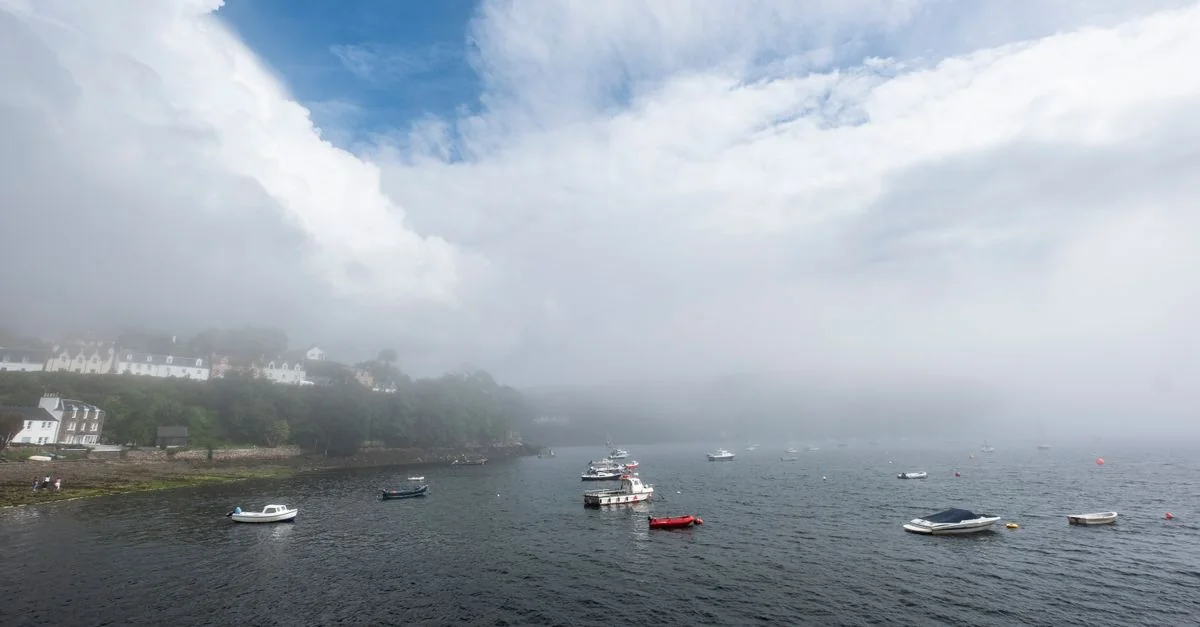
Planning a trip to the Scottish Highlands requires an understanding of how quickly the weather and daylight can shift throughout the year. The peak summer months of July and August bring the warmest temperatures and the longest daylight hours, often keeping the sun in the sky past ten o’clock at night. However, this period also attracts the heaviest crowds, meaning accommodation books out months in advance and car rental rates reach their annual peak. Travelers visiting during these mid-summer months should expect to share popular trails with tour buses from Edinburgh and Glasgow .
Shoulder season months like May, June, and September offer a more balanced experience for American visitors seeking moderate weather and slightly thinner crowds. May often brings blooming wildflowers across the moorlands and lower rainfall averages compared to late autumn. Prices for lodging begin to climb as June approaches, but the roads remain manageable, and securing a table at popular restaurants does not require booking weeks ahead. September brings the first amber and gold tints to the bracken, though the weather becomes increasingly unpredictable as Atlantic storms roll toward the coast.
The winter months from November through March present a starkly different side of Portree, characterized by short daylight hours, freezing temperatures, and frequent gale-force winds. Many local bed-and-breakfasts, gift shops, and eateries close entirely for the season, leaving few options for dining and lodging. For travelers who do not mind the cold and darkness, winter offers dramatic storm-watching opportunities, completely empty roads, and rock-bottom prices on the few accommodations that remain open.
Where to Stay in Portree#
Choosing where to lay your head in this island capital depends largely on your preference for harbor views versus quiet residential streets. The Harborfront Area places you right in the middle of the action, where colorful Georgian facades look out over the bobbing fishing boats and mooring ropes slap against wooden docks. Accommodations in this waterfront tier range from historic townhouses operating as upscale bed-and-breakfasts to mid-range guesthouses. Staying here means you can step out your front door and immediately walk to the local pubs, cafes, and ferry booking offices, though street noise on weekend nights can occasionally carry across the water.
Moving slightly uphill from the bay leads into the Town Center Core, a grid of streets featuring independent grocers, bakeries, and traditional pubs. This neighborhood offers a practical mix of mid-range self-catering apartments and comfortable family-run guesthouses that sit just a five-minute walk from the main square. Staying in the center provides easy access to the local bus station, making it a convenient choice for travelers relying on public transit rather than rental cars to get around the island.
For travelers seeking peace and quiet, the Somerled Square and Outskirts residential zones offer a tranquil alternative while keeping the town amenities within walking distance. This neighborhood features modern bed-and-breakfasts and cozy private rooms in residential homes, generally falling into the budget-friendly to mid-range price brackets. Properties here often come with private gardens and sweeping views over the surrounding green hills, providing a restful sanctuary after a long day of hiking through the Skye landscape.
Top Things to Do in Portree#
A visit to the capital of Skye revolves around coastal walks, dramatic geological formations, and engaging local culture that extends far beyond the town center. The morning often starts with a stroll along The Lump, a wooded promontory overlooking the harbor that features a striking stone tower and panoramic benches for watching the fishing boats depart. Descending from the wooded path leads directly to the edge of Portree Harbor, where visitors can watch local fishermen mend their nets and photograph the iconic row of brightly painted houses that define the town’s postcard aesthetic.
Venture slightly outside the immediate town boundaries to explore Aros Centre Grounds, a wooded glen that offers gentle walking paths tracing the course of a burbling stream beneath a canopy of native birch trees. For those seeking a more rugged coastal route, the path leading north toward Scorrybreac winds along the base of steep cliffs, offering dramatic drop-offs into the sound and views of neighboring Raasay Island. This trail provides an ideal introduction to the island’s coastal topography without requiring a strenuous mountain climb.
No trip to the area is complete without a journey north along the Trotternish Peninsula to marvel at The Storr, a jagged landscape of ancient landslips and towering rock pillars that rises dramatically above the coastal road. Just a short drive further up the coast brings travelers to Kilt Rock and Mealt Falls, where a basalt sea cliff resembling the pleats of a traditional kilt drops straight into the ocean alongside a thunderous waterfall. History and folklore enthusiasts will appreciate a detour to Dunvegan Castle, the historic seat of Clan MacLeod, which sits on the western side of the island and houses centuries of clan relics, including the miraculous Fairy Flag.
Closer to town, travelers can explore the exhibits at Aros Experience, a cultural hub that highlights the Gaelic heritage, music, and natural history of the Isle of Skye through interactive displays. When the weather clears, a hike up Ben Tianavaig rewards energetic walkers with an expansive summit view of the entire southern coastline and the distant peaks of the mainland across the sea. Wrapping up an afternoon in town often involves browsing the local crafts at Skye Anvil, where traditional blacksmithing meets contemporary metalwork and jewelry design inspired by the rugged Highland environment.
Food and Dining Guide#
The dining scene in Portree reflects its coastal geography, heavily featuring fresh catches from the cold Atlantic waters alongside traditional Highland comfort foods. Morning routines often begin at local bakeries where Scottish Tablet, an intensely sweet, crumbly confection made from sugar, condensed butter, and condensed milk, provides a quick energy boost for the day’s hikes. Paired with a warm buttered Scone, it serves as a staple breakfast accompaniment before heading out into the misty morning air.
Lunch and dinner menus across the town frequently highlight Fresh Langoustines, caught locally and prepared simply with garlic butter and crusty bread to let the natural sweetness of the shellfish shine through. Another local favorite found in neighborhood pubs is Haggis, Neeps, and Tatties, a savory dish combining traditional spiced sheep’s pluck with mashed rutabaga and potatoes, which pairs exceptionally well with a glass of peaty single malt whisky. For a lighter mid-day meal, smoked salmon on oatcakes showcases the simple, high-quality ingredients sourced directly from the surrounding lochs and farms.
Dining options range from casual takeaway fish and chip shops near the harbor to upscale reservation-only dining rooms that showcase modern Scottish cuisine. Street food is relatively rare on the island, but mobile food trucks parked near major viewpoints often serve hot bowls of creamy Cullen Skink, a thick soup made from smoked haddock, potatoes, onions, and milk that warms the soul on chilly afternoons. Travelers looking for a sit-down meal should reserve tables well in advance, particularly during the busy summer months when local eateries quickly fill up with hungry hikers returning from the trails.
Getting Around Portree#
Navigating Portree and the surrounding Isle of Skye requires a bit of advanced planning, as public transportation options are more limited than on the Scottish mainland. Within the town center, walking is by far the best way to move between the harbor, shops, and guesthouses, provided you are prepared for steep hills and uneven sidewalks. Comfortable, waterproof walking shoes are essential for handling both the paved streets and the occasional muddy path connecting different neighborhoods.
For exploring beyond the town boundaries, renting a car at the start of your journey offers the ultimate flexibility to reach remote trailheads and scenic overlooks on your own schedule. American drivers must remember to drive on the left side of the road and master the art of navigating single-track roads with passing places, where courtesy and patience are mandatory. Rental cars should be booked months in advance, especially for automatic transmission vehicles, which are less common and more expensive than manual models in the United Kingdom .
Public buses operated by regional transport companies connect Portree with major sights like the Trotternish Peninsula, Dunvegan, and the ferry terminal at Armadale, though schedules are infrequent and may not run frequently on Sundays. Taxis are available in town, but they are limited in number and must be booked by phone well ahead of time, as hailing a cab from the street is not standard practice. Relying entirely on public transit is entirely feasible for budget-conscious travelers willing to build their itineraries around bus timetables, but a rental car remains the preferred method for maximizing exploration time.
Budget Breakdown#
Planning a trip to this Highland hub involves balancing costs across lodging, dining, and transportation, with prices generally reflecting the remote island geography. Budget travelers utilizing hostels, public buses, and casual takeaway meals can manage expenses effectively by booking early and focusing on free outdoor activities like hiking and coastal walks. Mid-range travelers typically stay in comfortable bed-and-breakfasts, rent a car, and enjoy a mix of pub dinners and sit-down seafood meals. Luxury travelers can expect to secure upscale boutique hotels, hire private guides, and dine at high-end establishments showcasing the finest local ingredients.
Accommodation represents the largest portion of daily expenses, with budget options like local hostels and basic rooms occupying the lower tier, mid-range guesthouses occupying the moderate bracket, and historic boutique properties pushing into the luxury tier. Food costs scale similarly, where self-catering and bakery stops keep daily expenses low, while pub lunches and multi-course dinners at renowned restaurants drive up the culinary budget. Transportation expenses depend heavily on whether you choose the economy of public buses or the freedom of a rental car, which incurs additional costs for fuel and insurance. Activities remain relatively inexpensive since the island’s primary attractions are natural landscapes that cost nothing to access, aside from occasional parking fees at major viewpoints.
Travel Tips for Portree#
Embracing the rhythms of island life requires attention to local customs, weather patterns, and logistical realities that can make or break an itinerary. Weather Preparedness stands as the single most important consideration, as Highland conditions can shift from brilliant sunshine to horizontal rain within a matter of minutes. Packing layers, a windproof and waterproof jacket, and sturdy hiking boots ensures you remain comfortable regardless of what the atmospheric conditions decide to do.
Booking in Advance is mandatory for anyone visiting between late spring and early autumn, as the island’s popularity far outweighs its physical capacity for lodging and dining. Securing your accommodation, rental car, and dinner reservations months before departure prevents frustrating shortages upon arrival. Cash and Connectivity can occasionally present challenges in remote areas where mobile phone signals drop entirely and card machines fail due to satellite internet glitches. Carrying a small amount of physical currency ensures you can still purchase items at rural craft stalls or honesty boxes along the country roads.
Single-Track Road Etiquette requires American drivers to understand how to use passing places correctly when encountering oncoming traffic on narrow rural roads. Pulling safely into the designated passing place on your left—or waiting opposite one on your right—and waving a thank you to the passing driver maintains traffic flow and keeps local tempers calm. Midges and Insects make their presence known during the damp summer months, so packing a reliable insect repellent and a fine-mesh head net can save your outdoor evenings from relentless swarms of tiny biting flies. Finally, Respecting Local Wildlife and Farmland by closing gates behind you, keeping dogs on leashes near livestock, and leaving no trace of litter protects the delicate ecosystem and maintains good relations with the local farming community.
📌 Disclaimer
Prices, schedules, tour details, flight routes, visa requirements, and all other information on this page are based on data at the time of writing. Fares, availability, and policies may change. Please verify current details on the official website before booking.