📌 Disclaimer
Prices, schedules, tour details, flight routes, visa requirements, and all other information on this page are based on data at the time of writing. Fares, availability, and policies may change. Please verify current details on the official website before booking.
Why Visit Portofino?#
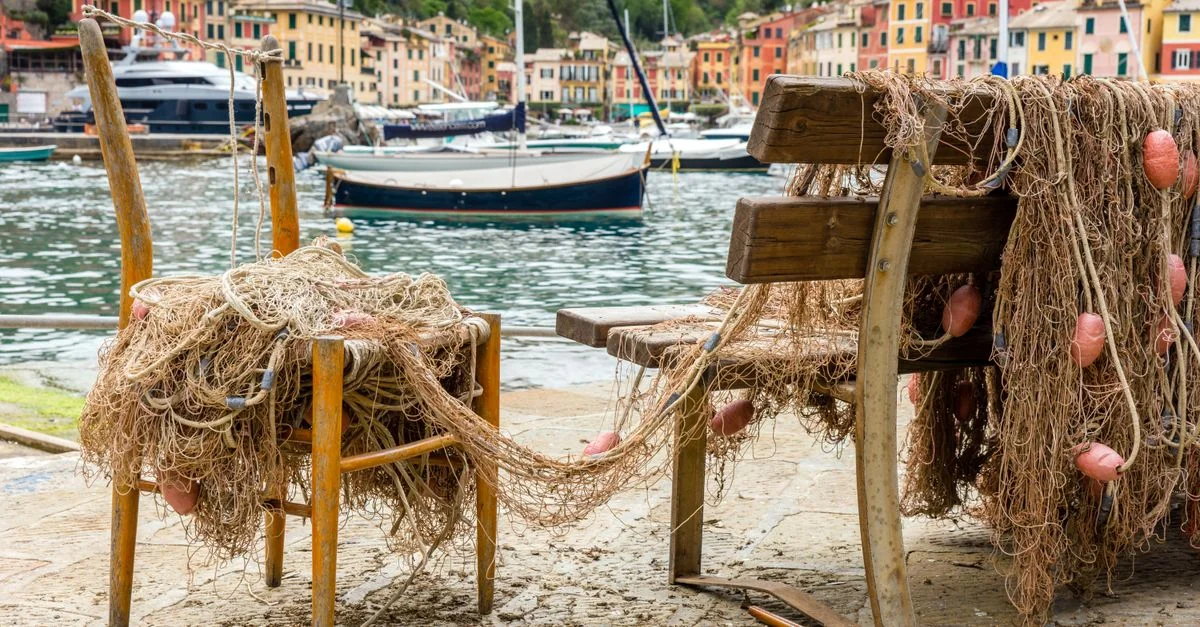
The sharp scent of salt spray and crushed pine needles hits the senses long before the pastel harbor comes into view. This narrow crescent of the Italian Riviera translates the chaotic energy of the Mediterranean into a quiet, sun-bleached picture. For American travelers accustomed to sprawling expanses, the scale of this fishing village comes as a shock. The entire community wraps tightly around a deep-water cove where luxury yachts sit side-by-side with weathered wooden rowboats, all bobbing gently against a backdrop of steep, terraced cliffs.
Life here moves at the speed of the tides. Mornings start with the scraping of chairs outside seaside cafes as espresso cups clink against saucers, while afternoon shadows stretch long across the piazzetta, drawing visitors and locals alike toward the water’s edge. Unlike larger Italian coastal destinations that prioritize fast-paced sightseeing, this corner of Liguria invites you to slow down entirely. You come here to watch the light shift across the ochre and terracotta facades, listening to the church bells echo across the bay.
Beyond the postcard aesthetic lies a rugged landscape carved by centuries of human labor and wind-swept geology. The surrounding promontory shields the harbor from rough open seas, creating an isolated microclimate where olive groves and chestnut woods thrive just feet from the salty surf. It functions as a rare sanctuary where Italian village traditions remain remarkably intact, despite decades of international acclaim.
Best Time to Visit Portofino#
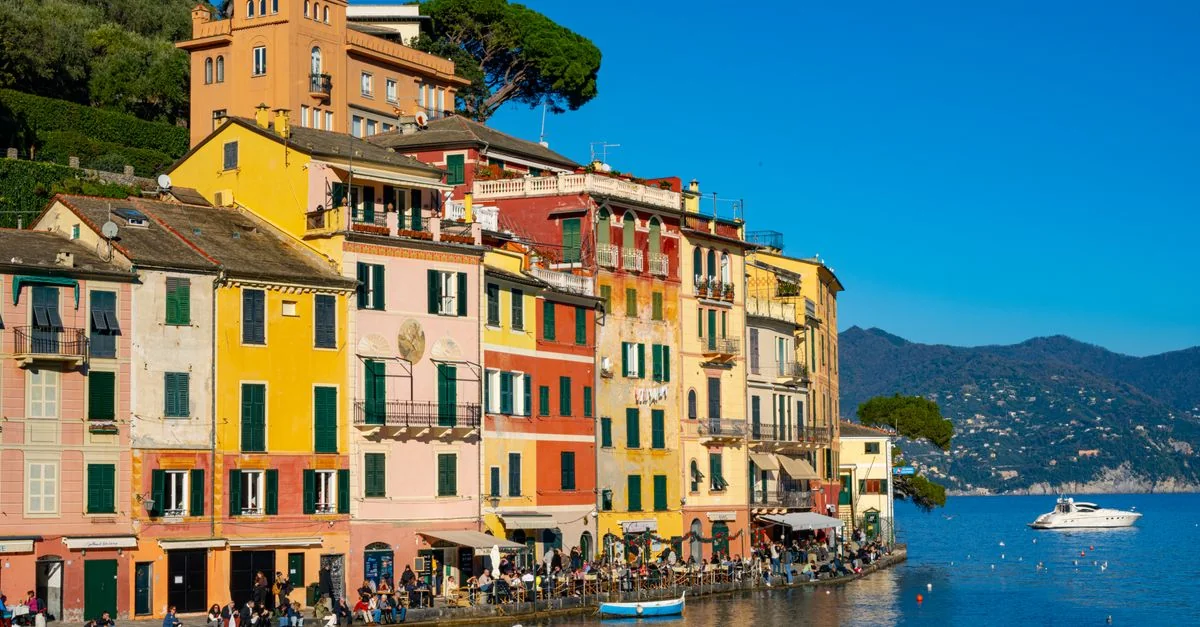
Planning the timing of your journey requires balancing pleasant weather against manageable crowds. Spring, spanning from April through May, offers some of the most comfortable conditions for American visitors. Daytime temperatures hover in the pleasant sixties and seventies, and wildflowers burst across the terraced hillsides. Tourism numbers remain moderate during these months, meaning you can secure outdoor tables at prime waterfront cafes without booking weeks in advance, and accommodation rates sit comfortably in mid-range tiers before the summer spike.
Summer, running from June through August, brings intense Mediterranean heat, brilliant blue skies, and peak crowds. Temperatures frequently push past the eighties, and the harbor fills to capacity with mega-yachts and day-trippers arriving by ferry from larger coastal towns. Pricing for lodging reaches its absolute highest point, and reservations for dining and activities become mandatory. If you visit during this window, embrace the lively energy by planning outdoor excursions early in the morning and seeking shade during the afternoon peak.
Autumn offers a rewarding alternative for those with flexible schedules. September and October bring warm sea temperatures that remain inviting for swimming, while the intense summer crowds dissipate significantly. Vineyards across the surrounding hillsides turn amber and gold during the annual grape harvest, creating a distinct visual richness. Pricing begins to drop from the summer peak, making it an attractive season for travelers seeking a more relaxed pace. Winter, stretching from November through March, brings cooler temperatures, frequent rain, and a much quieter village atmosphere where many seasonal businesses close entirely, though the dramatic coastal scenery remains untouched.
Where to Stay in Portofino#
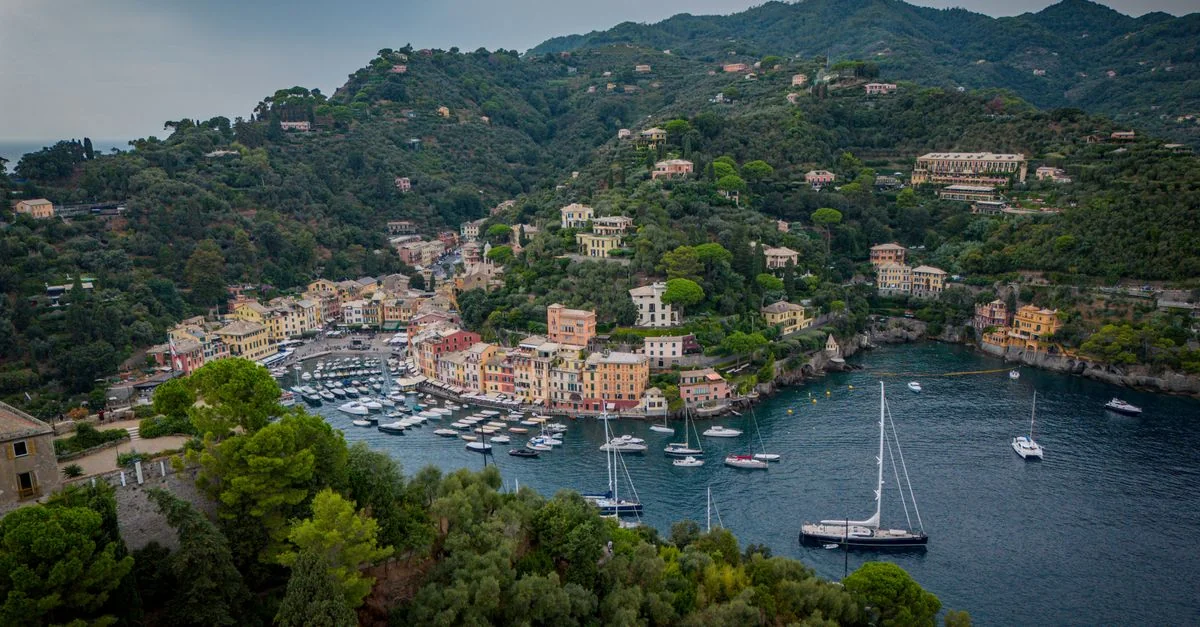
Choosing where to lay your head depends entirely on your travel style and budget priorities, as the immediate harbor area operates at a distinct premium. Staying directly around the historic harbor puts you steps away from the water and the main square. Accommodations in this immediate waterfront zone generally command luxury prices. Properties here offer classic Italian architecture with shutters opening directly onto the harbor traffic, placing you right in the center of the coastal scene without requiring any daily transit.
Just a short walk up the terraced slopes behind the harbor, the hillside neighborhoods offer a quieter retreat while keeping you within easy walking distance of the action. These elevated zones feature mid-range to luxury boutique options and small guesthouses nestled among olive trees and private gardens. Staying on the slopes rewards you with elevated views looking down over the terracotta rooftops and the blue expanse of the gulf, providing a peaceful buffer from the daytime bustle below.
For travelers watching their expenses, staying outside the immediate village limits provides a practical alternative. The nearby coastal stretch and the surrounding valleys offer budget-friendly guesthouses, small bed-and-breakfasts, and apartment rentals. These areas require a short bus ride or a longer walk to reach the central harbor, but they reward you with authentic residential neighborhoods, lower nightly rates, and a closer look at everyday Ligurian life away from the primary tourist circuit.
Top Things to Do in Portofino#
A steep, shaded pathway leads up from the main square to Castello Brown, a sixteenth-century fortress perched high above the bay. Exploring the stone ramparts and terraced Mediterranean gardens reveals sweeping, panoramic views of the entire gulf, making the uphill climb entirely worthwhile. Inside the fortress, historical photographs document the village’s transformation from a humble fishing settlement into an elite Mediterranean retreat.
Descending toward the eastern edge of the promontory brings you to Punta del Capo, where a historic lighthouse stands sentinel against the crashing waves. The walking path to the lighthouse winds through dense pine forests and past secluded rocky coves, offering moments of profound quiet even during the busy summer months. It serves as an ideal spot to watch cargo ships pass on the distant horizon while listening to the wind move through the canopy.
For a deep dive into local faith and architecture, Chiesa di San Giorgio sits proudly on the ridge overlooking both sides of the peninsula. This ancient church, rebuilt several times over the centuries, houses modest maritime art and provides a sweeping vantage point for afternoon photography. Just below the church, the tiny cove of Olivetta offers a dramatic drop-off into clear water, though you will need to navigate steep stone stairs to reach the shoreline.
Nature enthusiasts will find endless appeal in the protected trails of the Portofino Regional Park. A dense network of hiking paths connects the village to neighboring coves and remote settlements, crossing through ancient chestnut woods and terraced olive groves. Walking these trails allows you to experience the wilder, undeveloped side of the promontory far away from the designer boutiques and luxury yachts.
No journey here is complete without a visit to Baia di Paraggi, a protected sandy inlet just a short walk or bus ride down the coast. The water here glows in distinct shades of emerald green, sheltered completely from open sea swells by the surrounding headlands. It stands as one of the few sandy swimming spots in the immediate area, making it popular for afternoon relaxation.
Art and maritime history enthusiasts should also seek out the submerged bronze statue known as Christ of the Abyss, though viewing the actual sculpture requires a scuba diving excursion or a specialized boat tour. For those content to stay dry, the local waters remain a great for casual kayaking and paddleboarding, allowing you to navigate the dramatic sea caves and hidden rock formations that define this rugged coastline.
Food and Dining Guide#
Ligurian cuisine relies heavily on fresh herbs, local olive oil, and the bounty of the sea, creating flavors that are both bright and deeply comforting. The undisputed king of local ingredients is Pesto alla Genovese, a lively sauce pounded from sweet basil, pine nuts, garlic, parmesan, and pungent regional olive oil. You will find this sauce served over twisted trofie pasta or layered into baked dishes in nearly every dining establishment in the village.
Seafood forms the foundation of the local menu, with daily catches brought directly to the harbor by local fishermen. Fritto Misto di Mare, a platter of lightly battered and fried local fish, shrimp, and calamari served with a squeeze of fresh lemon, makes for a perfect lunch on a sunny afternoon. For something heartier, look for Ciuppin, a traditional Ligurian fish soup simmered with tomatoes, white wine, and leftover catches from the daily haul.
Baked goods also play a major role in regional eating habits, particularly Focaccia Genovese. This flatbread, dimpled generously with coarse salt and extra virgin olive oil, is eaten plain or stuffed with local cheese throughout the day. It functions as the ultimate on-the-go snack for travelers exploring the walking trails or waiting for a ferry.
Dining options range from casual focacceria stands where you can grab a quick slice on the go to formal waterfront restaurants offering multi-course seafood dinners. While dining directly on the harbor carries a premium price tag for the view, venturing slightly back into the residential alleys reveals family-run trattorias where the cooking reflects generations of home-style tradition at more moderate prices.
Getting Around Portofino#
Navigating this compact destination is wonderfully straightforward because the historic core is entirely pedestrianized. Cars are strictly regulated, and motorized traffic is kept to a minimum in the village center, which means walking remains the primary and most enjoyable way to get around. Strolling from one side of the harbor to the other takes mere minutes, and exploring the surrounding hills on foot allows you to discover details that vehicles simply cannot access.
For travel between neighboring coastal towns, the regional ferry network serves as both practical transportation and a sightseeing experience. Ferries connect the village regularly with nearby Santa Margherita Ligure and the famous cliffside communities further down the coast. Arriving by boat provides a classic approach to the harbor, framing the pastel buildings against the steep green hills in a way that road travel cannot replicate.
Local buses operated by the regional transit system connect the village to the nearest train station in Santa Margherita Ligure. These buses run frequently during the day, navigating the narrow, winding coastal road with impressive precision. Taxis are also available near the main square, though they command high rates and should be reserved in advance during peak tourism periods.
Renting a car is generally discouraged unless you plan an extensive road trip through the wider region. Parking space in and around the village is extremely limited and exceptionally expensive, and driving the narrow coastal roads during the busy summer months can test the patience of even the most experienced drivers. Relying on trains, buses, and ferries offers a much smoother travel experience.
Budget Breakdown#
Planning your financial outlay requires understanding that this destination operates at a distinctly higher cost level than much of Italy . For budget-conscious travelers, daily costs will still lean higher than average due to lodging demands. Budget travelers typically rely on guesthouses located outside the immediate village, grab quick meals from local bakeries and focaccia stands, and use public ferries and buses rather than private transport. Daily expenses remain manageable if you practice restraint with dining and stick to free activities like hiking the regional park trails.
Mid-range travelers can expect a more comfortable experience by securing boutique accommodations a short walk up the hillside or in neighboring coastal towns. This tier allows for daily sit-down meals at traditional trattorias, occasional gelato stops, and paid entries to local historic sites or guided boat tours. Transport costs at this level include regular use of the regional ferry network and occasional taxi rides when hauling luggage.
Luxury travelers will find an abundance of high-end options, from five-star hotels with private harbor terraces to exclusive charter boats and fine-dining establishments. Luxury daily budgets cover premium accommodations directly on the waterfront, private guided excursions along the coast, exclusive wine tastings, and meals at high-end restaurants where the view of the yachts matches the sophistication of the plate.
Travel Tips for Portofino#
Footwear selection can make or break your journey. The village and its surrounding hills feature steep stone staircases, cobblestone alleys, and rugged dirt hiking paths that demand sturdy walking shoes with good traction. Leave delicate sandals and high heels at home unless you plan to remain entirely stationary on a flat restaurant terrace.
Reservations for popular waterfront restaurants and guided excursions should be made weeks or even months in advance if you are traveling during the peak summer season. The most desirable tables fill up quickly with returning international travelers, and spontaneous walk-ins during the middle of the day often face long waits.
Crowd management requires a strategic approach to your daily schedule. Day-trippers arriving by ferry tend to flood the main square and harbor between late morning and mid-afternoon. To experience the village at its most peaceful, plan your visits to major viewpoints during the early morning hours or after the last afternoon ferries have departed.
Etiquette in this tight-knit community leans toward traditional Italian courtesy. Always greet shopkeepers and cafe staff with a polite “buongiorno” or “buonasera” before launching into questions or orders. Additionally, while casual beachwear is acceptable right on the sand, covering up appropriately when walking through the village streets and entering churches shows respect for local customs.
Connectivity and mobile data access remain generally reliable throughout the village, but cellular signals can drop sharply once you descend into deep rocky coves or hike deep within the heavily forested regional park. Downloading offline maps before setting out on coastal walking trails ensures you never lose your orientation among the branching paths.
📌 Disclaimer
Prices, schedules, tour details, flight routes, visa requirements, and all other information on this page are based on data at the time of writing. Fares, availability, and policies may change. Please verify current details on the official website before booking.
📌 More about Portofino