📌 Disclaimer
Prices, schedules, tour details, flight routes, visa requirements, and all other information on this page are based on data at the time of writing. Fares, availability, and policies may change. Please verify current details on the official website before booking.
Photo by Jérémy Glineur on Pexels
Why Visit Porto ?#
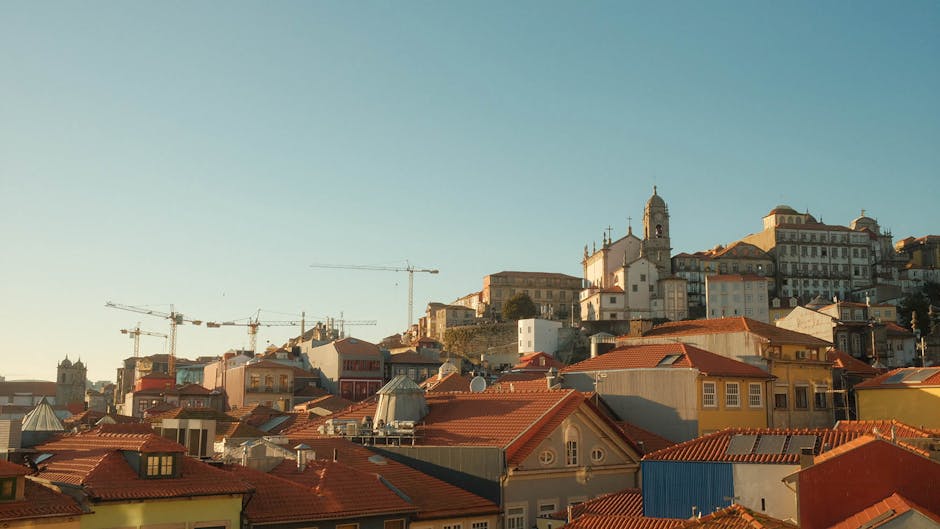
Porto, Portugal ’s second-largest city, is a vibrant tapestry of history, culture, and stunning landscapes. Nestled along the Douro River, this charming destination is known for its picturesque riverside, colorful buildings, and rich wine heritage. The city exudes an authentic charm that captures the hearts of travelers, making it a perfect blend of old-world allure and modern vibrancy. The iconic Dom Luís I Bridge, the historic Ribeira District, and the famous port wine cellars are just a few highlights that make Porto a must-visit destination.
What truly sets Porto apart is its unique blend of tradition and innovation. While you can wander through centuries-old streets lined with azulejos (ceramic tiles) and explore ancient churches, you’ll also discover a burgeoning arts scene, trendy cafes, and a thriving culinary landscape. Whether you’re a history buff, a food lover, or someone looking to bask in stunning views, Porto offers something special for every type of traveler.
Best Time to Visit Porto#
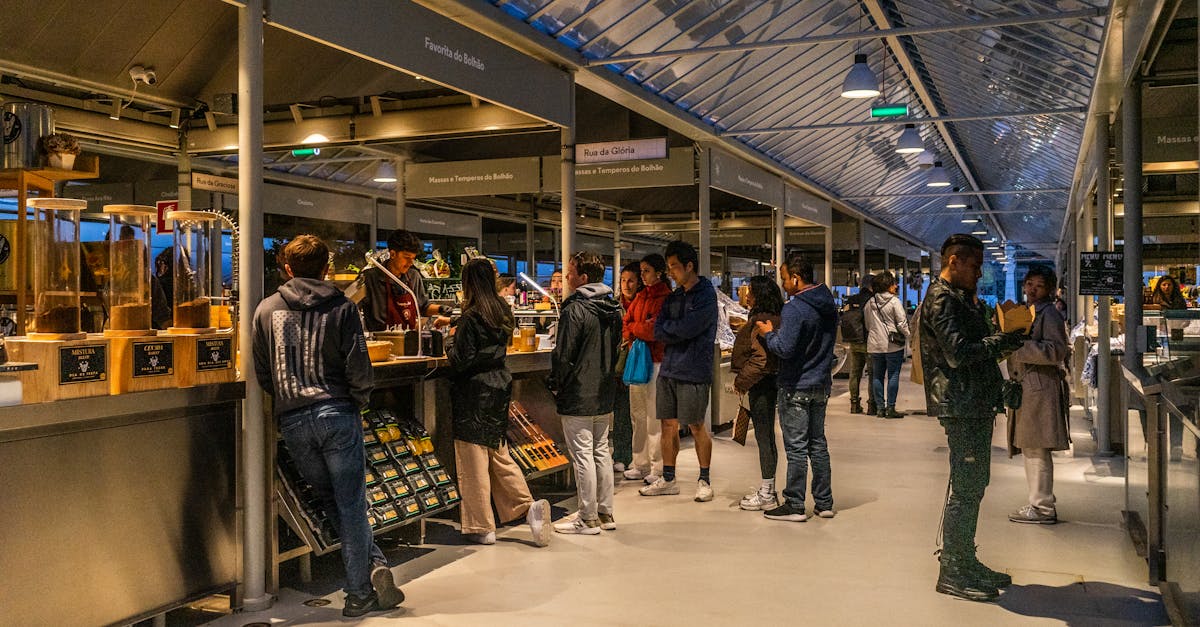
Photo by Jérémy Glineur on Pexels
The best time to visit Porto largely depends on your preferences for weather and crowd levels.
Spring (March to May): Spring in Porto is delightful, with blooming flowers and mild temperatures averaging between 55°F to 70°F. This season sees fewer tourists, making it an excellent time for budget travelers looking to avoid the summer crowds. Prices for accommodations and attractions are often lower during this period.
Summer (June to August): Summer brings warm weather, with temperatures ranging from 65°F to 85°F. This is peak tourist season, so expect larger crowds and higher prices for accommodations. However, the vibrant atmosphere, outdoor festivals, and beach access make it an appealing choice for many travelers.
Fall (September to November): Fall is another fantastic time to visit. The temperatures begin to cool, ranging from 60°F to 75°F, and the summer crowds dissipate. This season also brings the grape harvest, making it perfect for wine enthusiasts. Prices for hotels and attractions start to drop, providing good value for visitors.
Winter (December to February): Winters in Porto are mild, with temperatures ranging from 45°F to 60°F. While it can be rainy, the city is less crowded, and you can enjoy lower prices and a more authentic experience. Plus, holiday decorations bring a unique charm to the city.
Where to Stay in Porto#
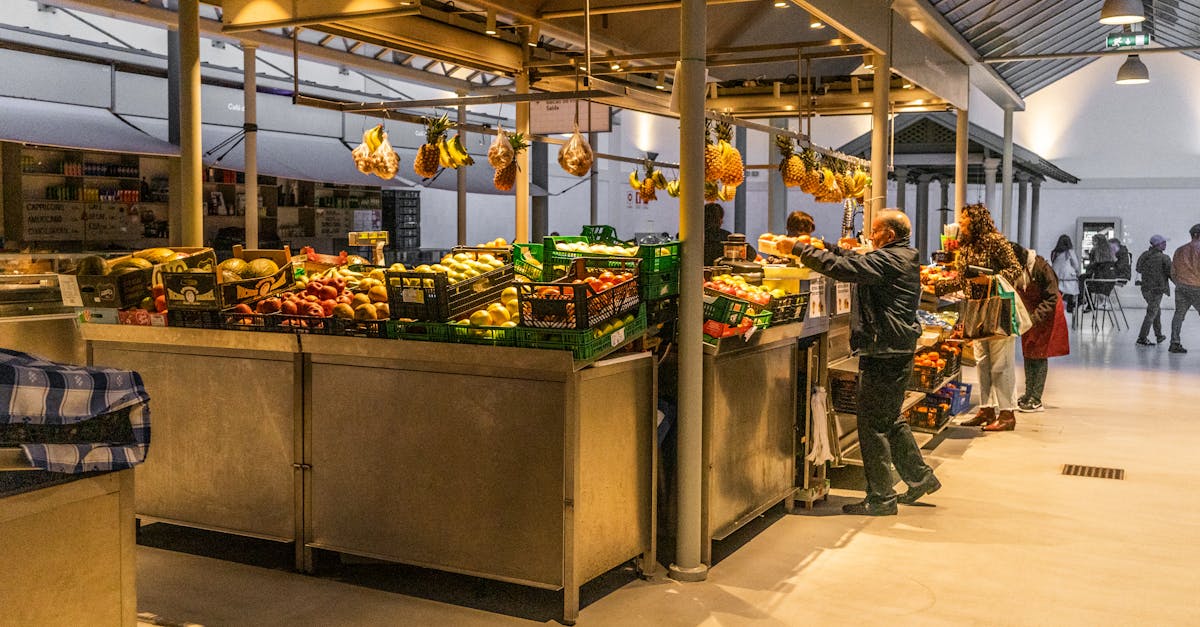
Photo by Uiliam Nörnberg on Pexels
Choosing the right neighborhood can enhance your experience in Porto, whether you’re on a tight budget or looking for luxury.
Budget: For budget travelers, the Cedofeita and Cedofeita neighborhoods are excellent choices. These areas are home to affordable hostels and guesthouses, with easy access to the city center and local attractions. You’ll also find plenty of cafes and shops to explore without breaking the bank.
Mid-Range: The Ribeira District is perfect for those looking for mid-range accommodations. This historic area offers a mix of boutique hotels and guesthouses, all within walking distance of the riverfront, restaurants, and major attractions. The lively atmosphere makes it an ideal base for your Porto adventure.
Luxury: If you’re seeking a luxurious experience, consider staying in the Foz do Douro neighborhood. This upscale area boasts stunning ocean views, high-end hotels, and beautiful beaches. It’s a bit further from the city center, but the serene environment and luxurious amenities make it worth the distance.
Top Things to Do in Porto#
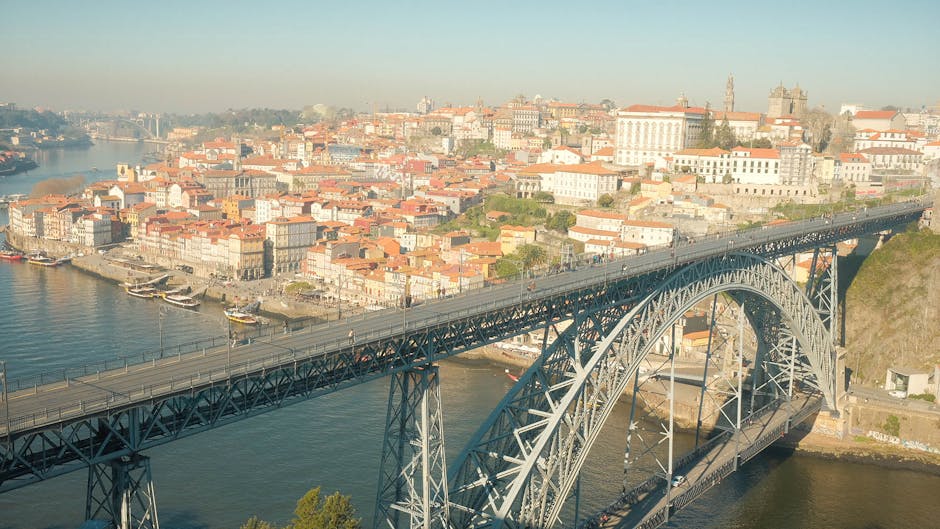
Photo by Uiliam Nörnberg on Pexels
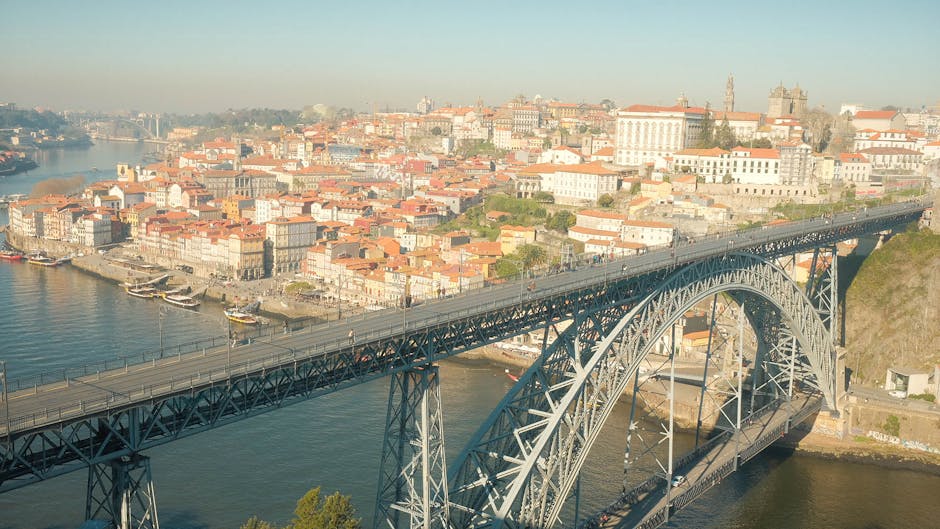
Ribeira District: Stroll along the picturesque waterfront of the Ribeira District, a UNESCO World Heritage site filled with colorful buildings, bustling cafes, and street performers. It’s the perfect spot to soak in the local atmosphere.
Dom Luís I Bridge: This iconic double-deck iron bridge offers spectacular views of the Douro River and the city. You can walk across the upper deck for panoramic vistas or take the lower deck for a closer look at the riverside.
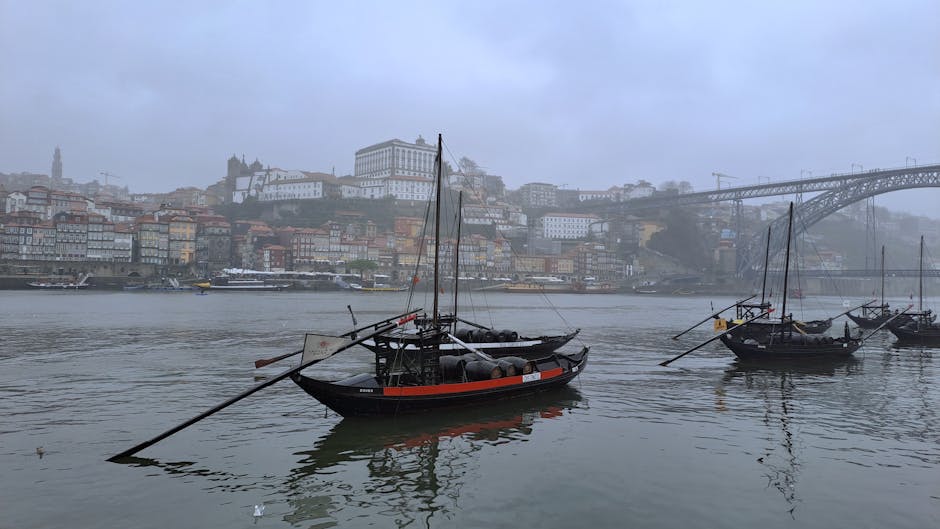
Port Wine Cellars: No trip to Porto is complete without a visit to its famous port wine cellars. Located across the river in Vila Nova de Gaia, many cellars offer guided tours and tastings where you can learn about the wine-making process and sample different varieties.
Livraria Lello: Often regarded as one of the most beautiful bookstores in the world, Livraria Lello features stunning architecture and a grand staircase. It’s a must-see for book lovers and a popular spot for Instagram photos.
São Bento Railway Station: Famous for its stunning azulejos, São Bento Railway Station is a visual feast. The blue and white tiles depict historical scenes and are a beautiful introduction to Portuguese culture.
Palácio da Bolsa: This former stock exchange showcases exquisite neoclassical architecture and lavish interiors. Guided tours allow you to explore the stunning Arab Room and learn about the building’s history.
Clérigos Tower: Climb the 240 steps of the Clérigos Tower for a breathtaking view of Porto. This baroque tower is an iconic landmark, and the panoramic views from the top are well worth the effort.
Foz do Douro: Spend a day at the beach in the Foz do Douro neighborhood. Here, you can relax on the sandy shores, enjoy fresh seafood at local restaurants, and take a leisurely walk along the promenade.
Mercado do Bolhão: Experience the local culture at Mercado do Bolhão, a bustling market where you can find fresh produce, flowers, and traditional Portuguese delicacies. It’s a great place to mingle with locals and sample local goods.
Serralves Foundation: Art lovers should not miss the Serralves Foundation, which features contemporary art exhibitions, beautiful gardens, and a stunning art deco villa. It’s an oasis of creativity and tranquility.
Food and Dining Guide#
Porto’s culinary scene is a delightful mix of traditional Portuguese dishes and innovative cuisine. When visiting, be sure to sample these must-try dishes:
Francesinha: This iconic Porto sandwich consists of layers of cured meats, sausage, and steak, smothered in a rich tomato and beer sauce, and topped with melted cheese. It’s a hearty meal that locals swear by.
Bacalhau à Brás: Codfish is a staple in Portuguese cuisine, and Bacalhau à Brás is a delicious preparation featuring shredded cod, onions, and thinly sliced fried potatoes, all bound together with scrambled eggs.
Pastéis de Nata: These famous Portuguese custard tarts are a sweet treat you cannot miss. You can find them in bakeries throughout the city, often served warm with a sprinkle of cinnamon.
Caldo Verde: This traditional soup made with kale, potatoes, and chorizo is comforting and flavorful. It’s often enjoyed as a starter or a light meal.
Street Food: Don’t overlook street food options, especially at local markets. Try chouriço (smoky sausage) grilled over an open flame or enjoy a quick snack of bifana (pork sandwich) from a local vendor.
For dining, Porto offers everything from casual eateries to fine dining restaurants. Many restaurants provide a cozy atmosphere where you can enjoy authentic meals at reasonable prices. Be sure to pair your meals with local wines for a complete experience.
Getting Around Porto#
Porto is a walkable city, and many of its major attractions are within easy reach of each other. However, there are several transportation options available:
Public Transit: The city has a reliable public transportation system, including buses, trams, and the metro. The Andante card allows for easy travel on public transport, and it’s a cost-effective way to navigate the city.
Walking: Exploring Porto on foot is one of the best ways to appreciate its beauty. The narrow streets and alleys are filled with hidden gems, and walking allows you to soak in the atmosphere at your own pace.
Taxis and Rideshares: Taxis are widely available, and rideshare services can also be accessed in Porto. These options are convenient for getting to locations that are further away or if you prefer not to walk.
Rental Cars: While renting a car can be useful for day trips outside the city, it’s generally not necessary for exploring Porto itself. Parking can be challenging, especially in the city center.
Budget Breakdown#
Understanding your budget is crucial for an enjoyable trip to Porto. Here’s a daily budget estimate for different types of travelers:
Budget Travelers: Expect to spend around $50-80 per day. This includes staying in budget accommodations, enjoying street food or casual dining, using public transport, and visiting free or low-cost attractions.
Mid-Range Travelers: For a more comfortable experience, budget around $100-200 per day. This range allows for mid-range accommodations, meals at nice restaurants, and a mix of paid attractions and experiences.
Luxury Travelers: If you’re looking for a high-end experience, plan to spend $250 or more per day. This budget accommodates luxury hotels, fine dining, and exclusive tours or activities.
Travel Tips for Porto#
Safety: Porto is generally safe for tourists, but like any city, it’s wise to stay aware of your surroundings and keep an eye on your belongings, especially in crowded areas.
Tipping: Tipping is appreciated but not mandatory. In restaurants, rounding up the bill or leaving small change is common. For taxi drivers, rounding up the fare is also acceptable.
Language: While Portuguese is the official language, many locals speak English, particularly in tourist areas. Learning a few basic Portuguese phrases can enhance your experience and interactions with locals.
SIM Cards: If you need mobile data, consider purchasing a local SIM card, which can be found at convenience stores or mobile shops. This will help you stay connected during your travels.
Scams to Avoid: Be cautious of scams targeting tourists, such as individuals asking for money or overly eager street performers. Trust your instincts and avoid situations that feel uncomfortable.
Public Transport: Familiarize yourself with the Andante card system for public transport, as it can save you money and time. It’s convenient for multiple modes of transportation throughout the city.
Cultural Etiquette: When dining, it’s polite to greet staff and thank them in Portuguese. Showing appreciation for local customs can foster positive interactions and enrich your experience.
By following this guide, you’ll be well-prepared to explore Porto’s rich history, delectable cuisine, and stunning scenery—whether you’re on a shoestring budget or indulging in luxury. Enjoy your adventure in this captivating city!