📌 Disclaimer
Prices, schedules, tour details, flight routes, visa requirements, and all other information on this page are based on data at the time of writing. Fares, availability, and policies may change. Please verify current details on the official website before booking.
Why Visit Plymouth?#
Salty sea spray hits your face as you stand on the Hoe, watching white-sailed yachts glide across the deep blue expanse of Plymouth Sound. This maritime city on the southwest coast of England offers American travelers a profound connection to British naval history paired with a modern, creative energy that defines contemporary coastal life. Unlike the heavily touristed streets of London or Edinburgh , this Devon destination delivers an authentic British seaside experience where local fishermen haul their catches straight to the docks and centuries of seafaring tales echo through the sea air.
The city played a pivotal role in the shaping of the American story. When the Pilgrims set sail aboard the Mayflower in sixteen-twenty, this harbor was their final departure point from English soil. Walking along the historic waterfront, you can trace the exact footsteps of those early voyagers. Beyond its historical significance, the city functions as a gateway to rugged national parks and dramatic coastlines, making it an ideal base for travelers looking to combine coastal exploration with British heritage.
Best Time to Visit Plymouth#

Planning your trip around the British weather cycle ensures the most comfortable travel experience. The late spring months of May and June bring blooming coastal flora, milder temperatures, and manageable crowds at major historic sites. Daylight hours stretch pleasantly long during this window, allowing for extended afternoon walks along the waterfront. July and August represent the peak summer season, bringing warm, sunny days ideal for swimming and boat tours. However, this period also attracts higher accommodation rates and larger numbers of domestic vacationers, meaning popular restaurants and attractions require advance booking.
Autumn arrives in September and October with crisp air, changing foliage in nearby valleys, and a significant drop in visitor numbers. Prices for lodging tend to decrease, and local dining rooms become much easier to navigate without reservations. Winter brings chilly, windy conditions and shorter days, though hotel rates reach their lowest points of the year. While outdoor sightseeing requires heavy layers and waterproof gear during these colder months, the cozy atmosphere of traditional British pubs provides a welcoming shelter from the coastal elements.
Where to Stay in Plymouth#
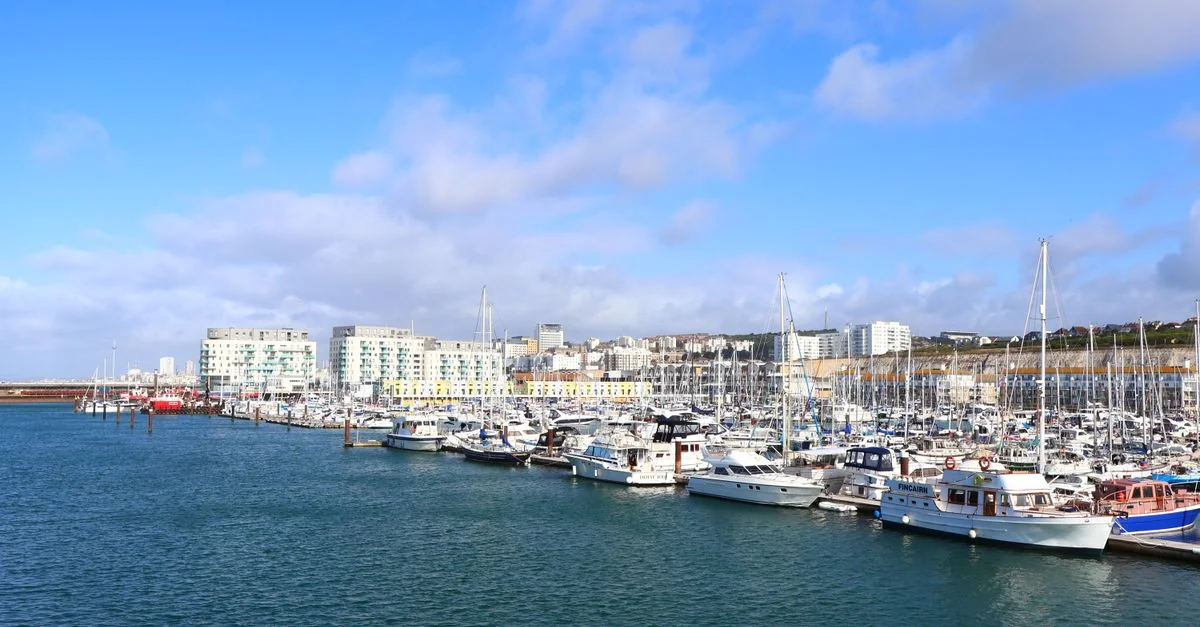
Choosing the right neighborhood shapes your daily experience of the city. The Barbican district offers the most atmospheric setting for first-time visitors, featuring narrow Elizabethan streets lined with independent shops, art galleries, and historic pubs. Staying here places you within walking distance of the harbor, making early morning strolls past the water effortless. Accommodations in this historic quarter skew toward boutique bed-and-breakfasts and cozy mid-range apartments, providing a charming residential feel with modern amenities.
For travelers seeking expansive ocean views and open green spaces, the Hoe neighborhood delivers a prime location. Perched high above the waterfront, this area features grand Victorian architecture and sits directly opposite the iconic art deco swimming lido. Lodging options here range from upscale historic properties offering luxury amenities and panoramic sea views to comfortable mid-range guesthouses. This neighborhood provides a quieter, more relaxed atmosphere while keeping the city center within easy walking distance.
If you prefer a contemporary urban environment with easy access to shopping centers and transit hubs, the City Centre provides practical convenience. While the architecture here reflects post-war rebuilding rather than historic charm, the area features efficient mid-range chain hotels and budget-friendly accommodations. Staying centrally allows for quick connections to bus and train stations, making it a functional choice for travelers planning frequent day trips into the surrounding countryside.
Top Things to Do in Plymouth#

Standing atop a limestone promontory, the Royal Citadel commands attention with its imposing defensive walls built in the seventeenth century to protect the port. Guided tours offer a fascinating look at the active military installation and provide sweeping vistas of the coastline. Just below this fortress sits Smeaton’s Tower, a striking red-and-white lighthouse that was originally erected on a dangerous offshore reef before being meticulously relocated stone by stone to the Hoe. Climbing the narrow spiral staircase inside rewards visitors with an expansive lookout over the harbor and surrounding waters.
Maritime heritage comes alive at The Mayflower Steps, where a memorial arch marks the approximate departure point of the historic voyage to North America . Nearby, the National Marine Aquarium showcases the diverse marine life of British waters and exotic oceans through massive glass tanks, giant rays, and interactive exhibits that appeal to travelers of all ages. To understand the broader seafaring legacy of the region, The Box serves as the city’s premier cultural hub, combining local history museums, contemporary art galleries, and national archives under one roof with free admission.
Wandering the cobblestone lanes of the Barbican reveals a thriving creative community housed in historic warehouses, where local artisans sell handmade pottery, paintings, and crafts. For a refreshing outdoor experience, the Tinside Lido offers a saltwater swimming pool built in a sweeping semicircle right at the water’s edge, echoing the glamour of nineteen-thirties seaside recreation. Further along the coast, Mount Edgcumbe House and Country Park requires a short, scenic ferry ride across the water to Cornwall, granting access to sprawling formal gardens, wooded walking trails, and sweeping views back toward the city skyline.
Food and Dining Guide#
Coastal geography heavily influences the local food scene, with fresh seafood taking center stage at establishments across the city. You must sample freshly landed crab, typically served simply with crusty bread and lemon to highlight the sweet flavor of the meat. Another regional favorite is Cornish pasty, a savory pastry turnover filled with beef, potatoes, swede, and onions, which you can easily purchase from traditional bakeries for a hearty lunch on the go. Traditional British comfort food shines through in dishes like local fish and chips, featuring flaky white fish encased in a crisp batter served alongside thick-cut chips and mushy peas. For a sweet treat, Devon cream tea offers a quintessential afternoon ritual consisting of freshly baked warm scones topped first with rich clotted cream, followed by strawberry jam, accompanied by a pot of strong black tea.
Dining options range from casual street food stalls serving gourmet seafood rolls near the harbor to upscale waterfront restaurants offering sophisticated tasting menus featuring locally sourced ingredients. Traditional pubs throughout the historic quarters serve hearty British tavern fare paired with regional ales and ciders, providing an authentic atmosphere for a relaxed evening meal.
Getting Around Plymouth#
Navigating the city and its surroundings is straightforward thanks to a reliable network of public transit and walkable districts. The central shopping zones, the Hoe, and the Barbican sit close enough to each other that walking remains the most effective way to appreciate the architecture and atmosphere. For destinations slightly further afield, an extensive local bus network connects neighborhoods efficiently, with contactless payment accepted on all vehicles. Taxis are readily available outside train stations and major entertainment hubs, offering a convenient alternative for evening travel or rainy days. Ferries provide both practical transportation across the river to neighboring Cornwall and scenic leisure cruises around the sound. Renting a car is unnecessary if you plan to stay strictly within the city limits, but a vehicle becomes beneficial if you intend to explore the wild moorlands and secluded villages of the surrounding Devon and Cornwall countryside.
Budget Breakdown#
Planning your finances for a trip to the United Kingdom requires accounting for the current exchange rate and your preferred travel style. Budget travelers relying on hostel dormitories or basic guesthouses, supermarket picnic lunches, public buses, and free cultural attractions will find daily expenses very manageable. Mid-range travelers staying in comfortable guesthouses or standard hotels, dining at casual restaurants and traditional pubs, using a mix of public transit and occasional taxis, and paying for museum tickets and boat tours will occupy a moderate spending tier. Luxury travelers booking upscale historic hotels, dining at fine-dining establishments, hiring private transport, and joining exclusive guided excursions will experience the highest cost bracket. Across all tiers, booking accommodations and train tickets well in advance secures the best value for your money.
Travel Tips for Plymouth#
Weather preparation is essential when packing for coastal England, as conditions can shift rapidly from bright sunshine to sudden rain showers within a single afternoon. Always carry a lightweight waterproof jacket and dress in breathable layers so you can easily adapt to changing temperatures.
Tipping etiquette in the UK is more modest than in the United States , with service charges sometimes automatically added to restaurant bills; otherwise, leaving ten percent for attentive table service is standard practice.
Plugs and voltage require American travelers to bring a British three-prong adapter, as the local electrical system operates on a higher voltage and different plug configuration than the US.
Booking ahead for popular seasonal attractions, ferry excursions, and premier dining spots prevents disappointment, particularly during peak summer months and school holidays.
Navigating the hills is a physical reality of the city geography, as the streets rising from the waterfront to the Hoe and surrounding residential districts can be quite steep, so comfortable walking shoes with good traction are an absolute necessity.
📌 Disclaimer
Prices, schedules, tour details, flight routes, visa requirements, and all other information on this page are based on data at the time of writing. Fares, availability, and policies may change. Please verify current details on the official website before booking.
📌 More about Plymouth