📌 Disclaimer
Prices, schedules, tour details, flight routes, visa requirements, and all other information on this page are based on data at the time of writing. Fares, availability, and policies may change. Please verify current details on the official website before booking.
Why Visit Pisa?#
As you stroll through the sun-drenched streets of Pisa, the unmistakable sight of the Leaning Tower captures your attention first, its iconic tilt a testament to centuries of history. This charming city, steeped in tradition and architectural wonders, offers more than just its famous monument. With a blend of medieval architecture, lively piazzas, and a relaxed atmosphere, Pisa invites you to explore its unique character and rich past. The scent of fresh pasta and rich espresso wafts through the air, mingling with the laughter of locals and travelers alike, creating an inviting ambiance that draws you in.
Pisa is not just a stopover on the way to Florence ; it stands proudly on its own, offering an array of experiences that appeal to various interests. From the stunning Piazza dei Miracoli, where the Leaning Tower resides, to the enchanting Botanical Gardens, the city boasts a wealth of attractions that showcase its artistic and historical significance. Whether you’re an art enthusiast, a history buff, or simply in search of picturesque views, Pisa has something to offer, making it a worthwhile destination for any American traveler.
Best Time to Visit Pisa#
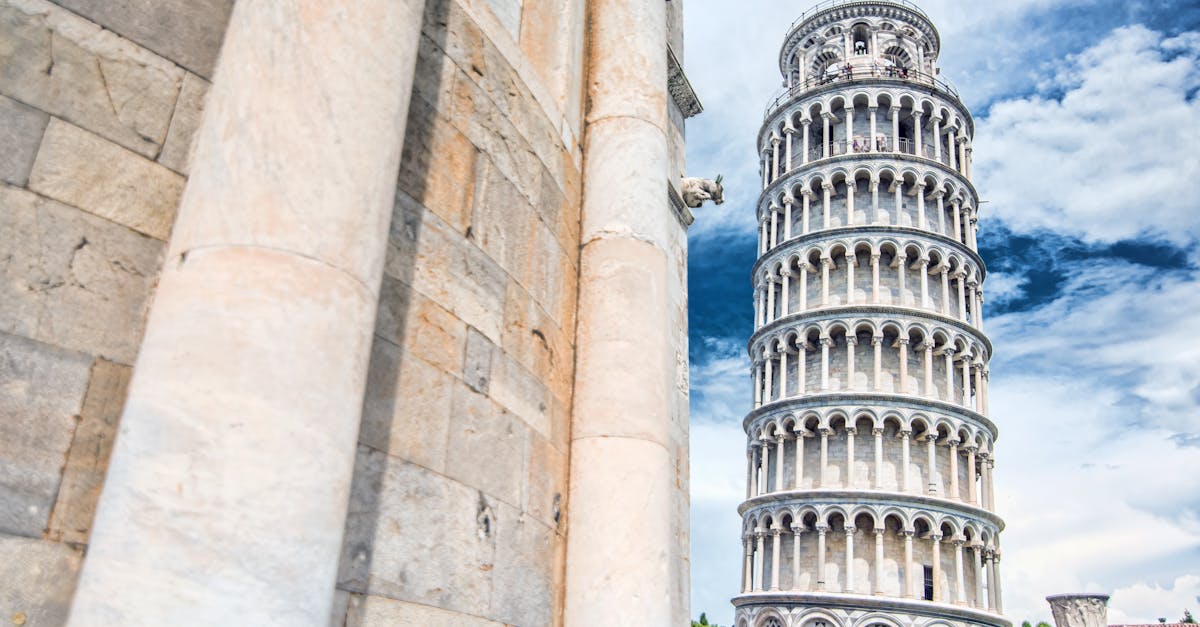
The best time to visit Pisa largely depends on your preferences for weather and crowd levels. Spring, particularly from March to May, welcomes mild temperatures and blooming flowers, making it an ideal time for sightseeing. The city is less crowded than in the summer months, allowing for a more relaxed exploration of its attractions. By June, the weather warms up, with average highs reaching the 80s°F, drawing in larger crowds as tourists flock to experience the charm of the Tuscan sun.
Fall, specifically September to October, offers another excellent opportunity to visit. The temperatures remain pleasant, and the summer tourists begin to dwindle, allowing for a more intimate experience with the city. The lively autumn colors add a picturesque backdrop to your adventures. Winter, while quieter, can be chilly with temperatures often dropping into the 40s°F, but this season provides a unique chance to experience Pisa without the throngs of tourists. Prices for accommodations tend to dip during the off-peak seasons, making it a budget-friendly time to explore.
Where to Stay in Pisa#
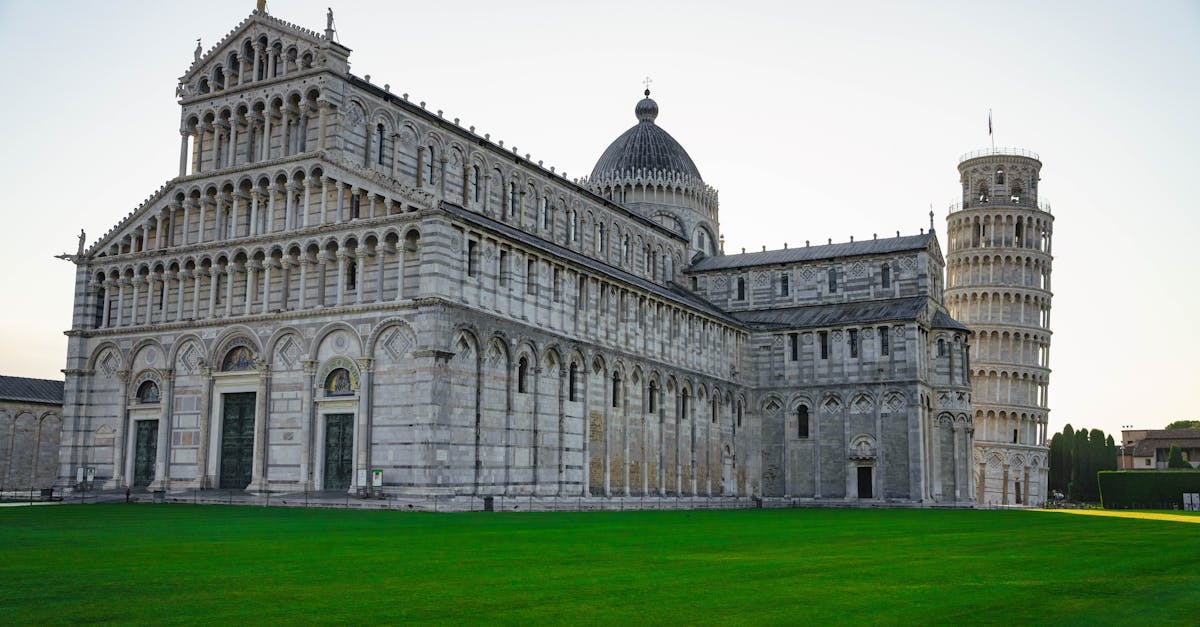
When choosing where to stay in Pisa, consider the various neighborhoods that cater to different travel styles and budgets. The Historic Center is a popular choice for visitors, as it places you within walking distance of major attractions like the Leaning Tower and the Cathedral. Here, you can find budget accommodations that typically start around $30-50 per night, as well as mid-range options that offer a bit more comfort.
For those seeking a quieter atmosphere, the Sant’Antonio district is an excellent alternative. This area is slightly removed from the tourist hustle, featuring charming streets lined with local shops and eateries. Mid-range hotels here provide a cozy experience, while still being close enough to the city center for easy access to attractions.
If luxury is what you seek, the Borgo Stretto area offers upscale accommodations with a touch of elegance. Staying here allows you to enjoy high-end dining and boutique shopping, all within a short walk from the main sights. Finally, consider the Pisa Train Station neighborhood for convenient access to regional travel, making it an ideal base for exploring other parts of Tuscany. This area has a mix of budget and mid-range hotels, perfect for those planning day trips.
Top Things to Do in Pisa#
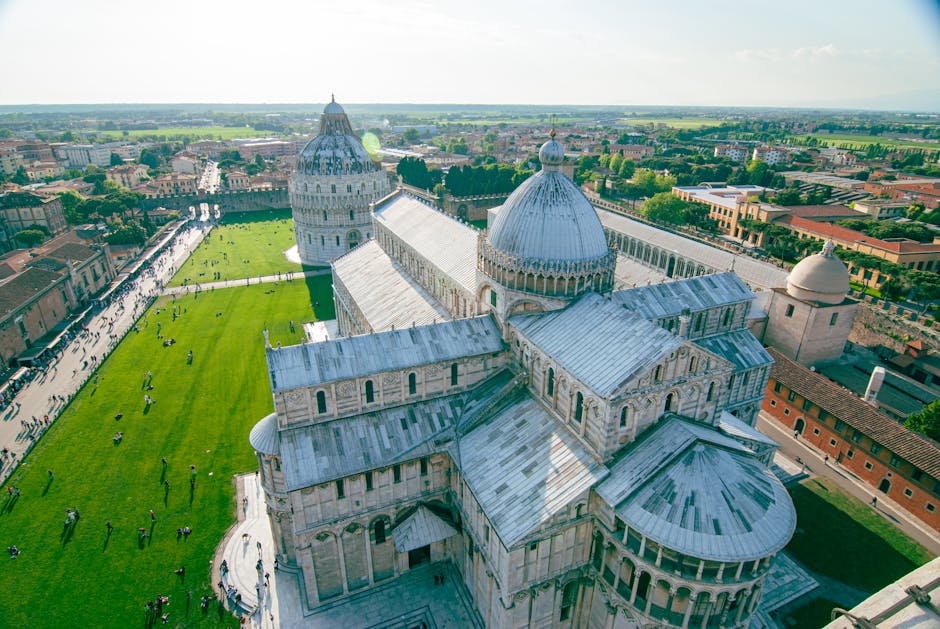
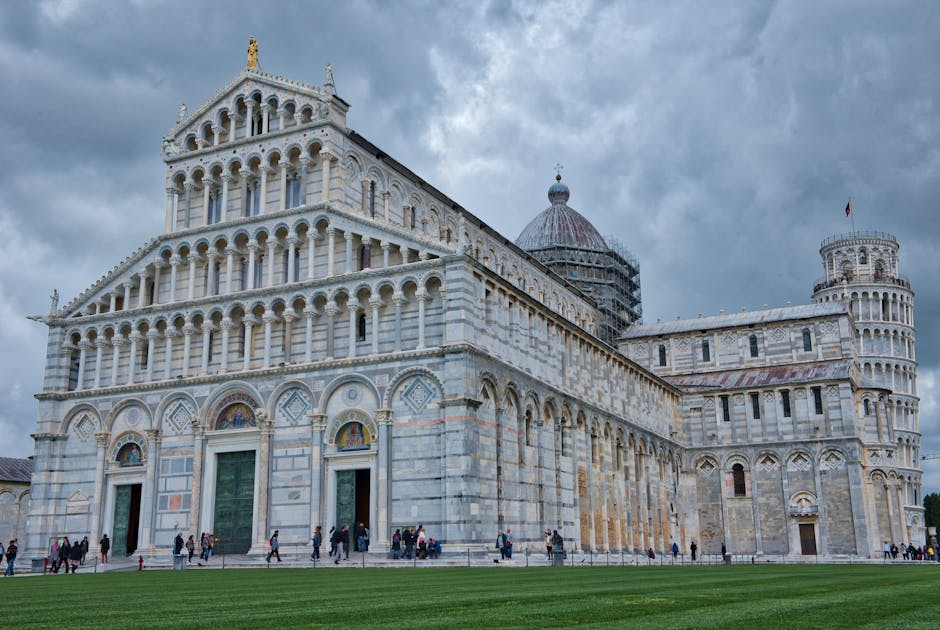
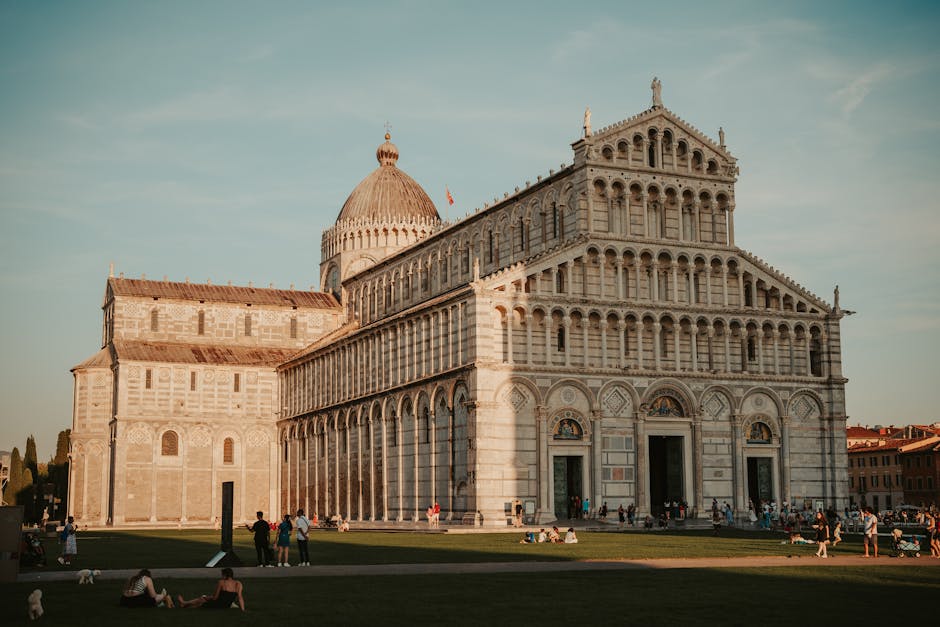
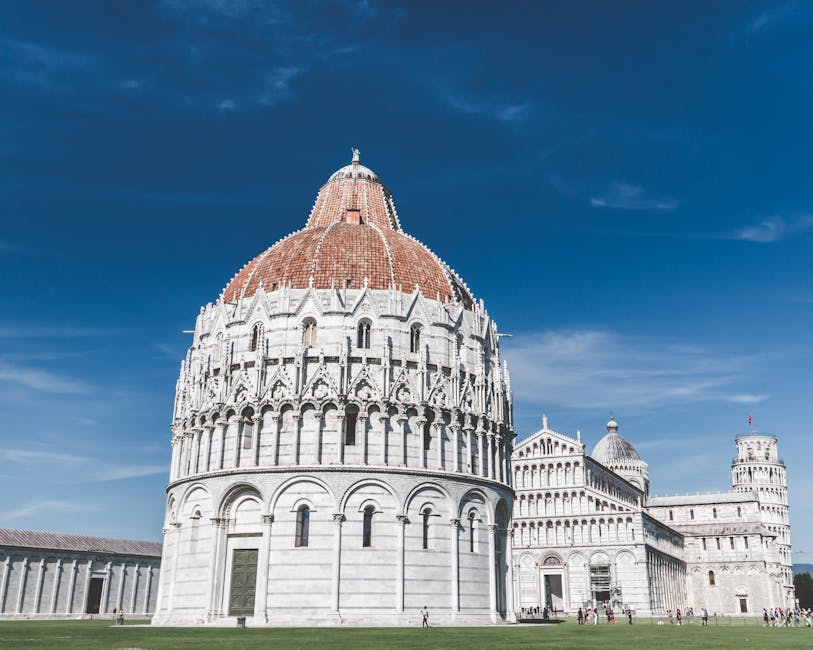
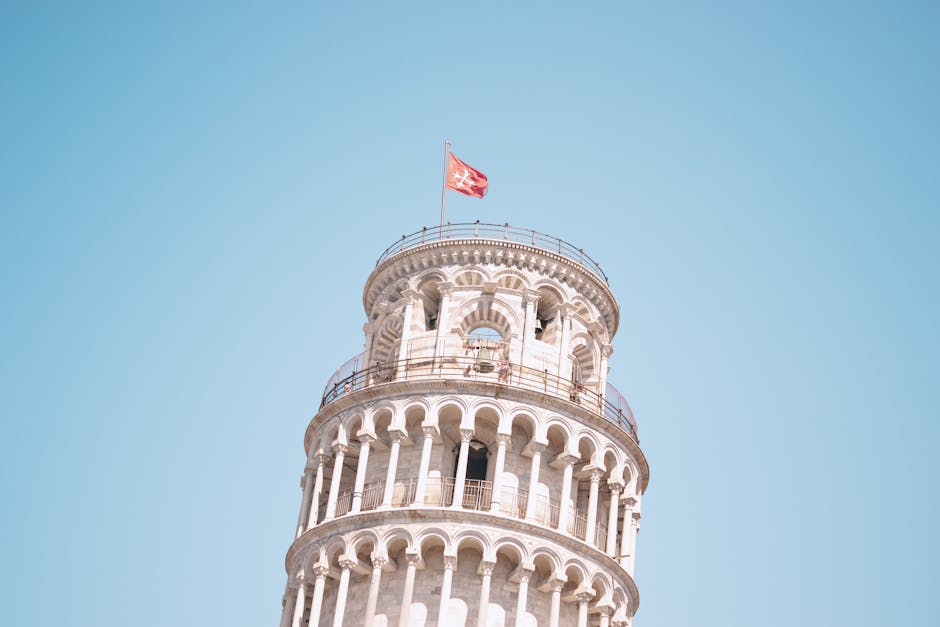
A visit to Pisa wouldn’t be complete without marveling at the Leaning Tower of Pisa. This architectural marvel stands at an impressive height and, despite its tilt, offers breathtaking views from the top. Climbing the nearly 300 steps is a rewarding experience, providing a unique perspective of the city and its surroundings. Just a stone’s throw away lies the Pisa Cathedral, an exquisite example of Romanesque architecture, adorned with intricate carvings and stunning mosaics. The adjacent Baptistery is equally impressive, with its remarkable acoustics and beautifully designed façade.
Beyond the famed landmarks, explore the Museo dell’Opera del Duomo, which houses an impressive collection of art and artifacts related to the cathedral complex. This museum provides deeper insights into the history and significance of the area, making it worth visiting for those interested in art and architecture. Just a short walk away, the Botanical Gardens offer a serene escape from the tourist crowds. This peaceful oasis, filled with diverse plant species, is perfect for a leisurely stroll or a quiet moment of reflection.
For a taste of local life, wander through the Piazza delle Vettovaglie, a lively market square where you can find fresh produce, cheeses, and local delicacies. This area is ideal for grabbing a quick bite or simply enjoying the atmosphere. Another interesting spot is the Church of Santa Maria della Spina, a small Gothic church located along the riverbank. Its stunning exterior and serene setting make it a lovely stop on your journey through Pisa.
To experience a different side of the city, venture to the Arno River and take a leisurely walk along its banks. The views of the historic buildings reflecting on the water are particularly enchanting during sunset. If you’re interested in contemporary art, the Palazzo Blu is worth a visit. This museum showcases rotating exhibits, often featuring both Italian and international artists, providing a modern contrast to the city’s historical offerings.
Food and Dining Guide#
Pisa’s culinary scene is a delightful reflection of Tuscan flavors, with dishes that highlight fresh, local ingredients. One worth trying dish is Pici Cacio e Pepe, a simple yet satisfying pasta dish made with thick, hand-rolled noodles, Pecorino Romano cheese, and black pepper. This beloved local specialty can be found at many trattorias throughout the city, offering a taste of authentic Tuscan cuisine.
Another local favorite is Torta dei Ricotta e Spinaci, a savory pie filled with ricotta cheese and spinach. This dish exemplifies the region’s emphasis on fresh produce and traditional recipes. For those who enjoy seafood, Cacciucco, a hearty fish stew, is a must. Originating from the coastal regions of Tuscany, this dish is rich in flavor and often served with crusty bread, making it a comforting choice after a day of exploration.
Street food lovers will appreciate the Panino con Porchetta, a delicious sandwich filled with succulent roasted pork, seasoned with herbs and spices. This satisfying snack can be found at various food stalls around the city, perfect for a quick bite while on the go. Pair your meal with a glass of local wine, such as Chianti or Vernaccia di San Gimignano, to complete your dining experience.
For dessert, indulge in a slice of Torta di Ceci, a chickpea flour cake that is both sweet and slightly savory. This unique treat offers a taste of Pisa’s culinary diversity and is often enjoyed with a cup of espresso or a sweet dessert wine. Whether you’re dining in a quaint restaurant or grabbing a quick snack from a street vendor, Pisa’s food scene is sure to satisfy your palate.
Getting Around Pisa#
Getting around Pisa is quite straightforward, thanks to its compact size and well-connected public transportation system. Most attractions are within walking distance of each other, making it easy to explore on foot. Strolling through the historic streets allows you to fully appreciate the city’s architecture and atmosphere. Comfortable shoes are a must, as the cobblestone streets can be uneven.
For those who prefer not to walk, the city offers a reliable bus service that connects various neighborhoods and key sights. Tickets can be purchased at kiosks or on board, and the buses are generally punctual. Taxis are also available, providing a convenient option for longer distances or late-night travel. However, be prepared for higher fares compared to public transportation.
If you’re considering exploring beyond Pisa, renting a car can be a great way to venture into the Tuscan countryside. The roads are well-maintained, and having the flexibility to visit nearby towns like Lucca or San Gimignano can enhance your overall experience. Just keep in mind that parking in the city center can be challenging, so plan accordingly.
Budget Breakdown#
When planning your trip to Pisa, it’s helpful to have a general idea of what to expect in terms of budget. For budget travelers, daily expenses can range from $70 to $120. This estimate typically includes accommodation in budget hotels or hostels, meals at local eateries, public transportation, and entrance fees for a few attractions.
Mid-range travelers might find their daily budget falling between $150 and $250. This range allows for a comfortable hotel stay, dining at nicer restaurants, and possibly a guided tour or two. For those seeking a more luxurious experience, a daily budget of $300 and up is advisable. This would cover upscale accommodations, fine dining, and private transportation options.
Keep in mind that prices can fluctuate based on the season, with peak tourist months seeing higher rates for accommodations and dining. Planning ahead and booking in advance can help you find the best deals and make the most of your budget while enjoying all that Pisa has to offer.
Travel Tips for Pisa#
Language is an important consideration when traveling to Pisa. While many locals speak some English, especially in tourist areas, learning a few basic Italian phrases can enhance your interactions and show appreciation for the local culture. Even simple greetings and polite expressions can go a long way.
Cash vs. Card is another point to keep in mind. While credit cards are widely accepted, some smaller shops and restaurants may prefer cash, particularly for lower amounts. Having some euros on hand can be useful, especially for street food or local markets.
Respect local customs during your visit. Italians place a strong emphasis on politeness, so be sure to greet shopkeepers and waitstaff with a friendly “Buongiorno” or “Buonasera.” Additionally, dress modestly when visiting churches and religious sites, as a sign of respect.
Stay hydrated while exploring, especially during the warmer months. The Tuscan sun can be quite strong, and carrying a reusable water bottle is a great way to stay refreshed. Many public fountains throughout the city offer clean drinking water, so refill as needed.
Plan your visits to attractions strategically. Popular sites like the Leaning Tower can get crowded, especially during peak hours. Arriving early in the morning or later in the afternoon can help you avoid long lines and enjoy a more peaceful experience.
Take your time to soak up the local atmosphere. Pisa may be smaller than other Italian cities, but it has a charm all its own. Allow yourself to wander, discover quaint cafes, and enjoy leisurely meals. The slower pace will enhance your overall experience and create lasting memories.
With its captivating sights, delightful cuisine, and welcoming atmosphere, Pisa invites you to explore its unique offerings. Whether you’re admiring the architectural wonders or savoring a delicious meal, this Tuscan city promises to leave a lasting impression.