📌 Disclaimer
Prices, schedules, tour details, flight routes, visa requirements, and all other information on this page are based on data at the time of writing. Fares, availability, and policies may change. Please verify current details on the official website before booking.
Why Visit Philadelphia?#
The first thing that hits you when you step onto the cobblestones of Old City is the scent of roasted peanuts from a nearby cart, mingling with the faint echo of horse‑drawn carriage wheels. It’s a reminder that this city wears its history on its sleeves while still humming with modern energy. From the iconic bell that rang for independence to world‑class museums and thriving neighborhoods, Philadelphia feels like a living textbook where each chapter is written by the people who call it home.
Beyond the landmarks, the city’s layout invites exploration on foot or by bike, letting you stumble upon street murals, quirky shops, and lively markets. Whether you’re a sports fan craving the roar of a stadium, an art lover tracing the steps of famous American painters, or a foodie hunting the next great bite, the city’s mix of old‑world charm and contemporary buzz makes every day feel fresh and rewarding.
Best Time to Visit Philadelphia#
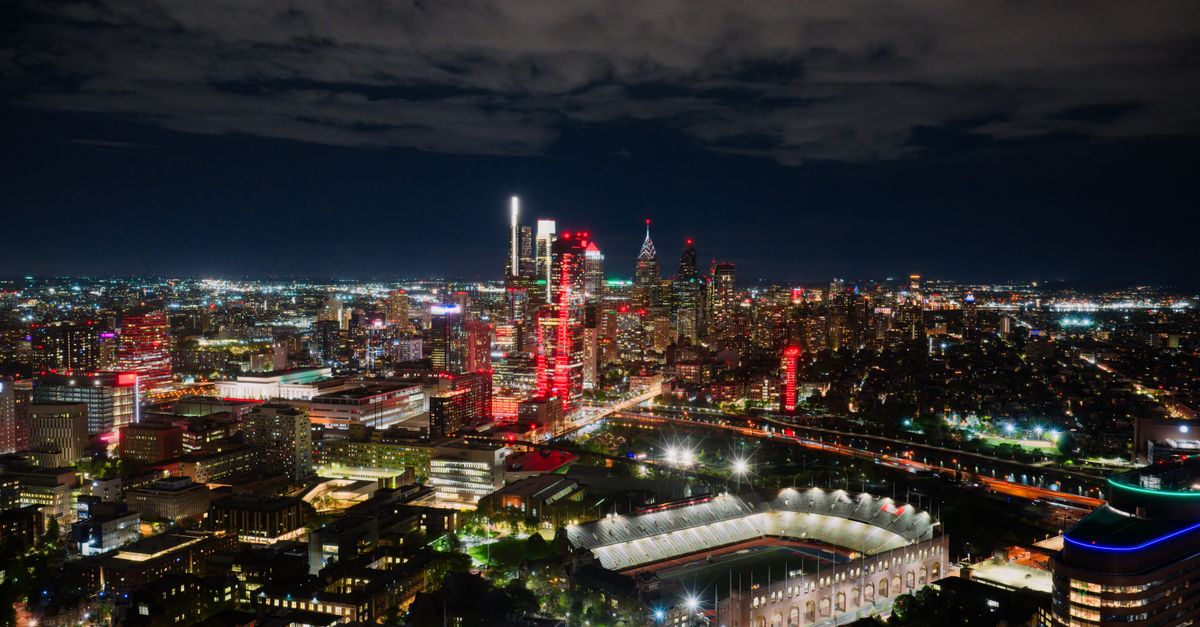
Spring arrives in March with a gentle thaw, and by April the city’s trees begin to blossom, casting soft pink shadows over the historic streets. Temperatures hover in the 50‑70°F range, perfect for strolling through the gardens of Fairmount Park or enjoying an outdoor coffee on a sidewalk café. Tourist crowds are still modest, and hotel rates remain reasonable, giving you a comfortable balance of weather and value.
Summer, from June through August, brings warm days that often climb into the high 80s. This is the peak season for festivals, outdoor concerts, and the famous July Fourth fireworks over the Delaware River. Expect larger crowds at major attractions and a modest uptick in accommodation prices. If you love lively street scenes and don’t mind a bit of humidity, this is the time to soak up the city’s festive spirit.
Fall, spanning September to November, offers crisp air and a palette of amber leaves. Temperatures settle into the comfortable 60‑70°F zone, and the tourist flow eases after the summer rush. Hotel rates begin to dip, especially in late October and early November, making it a smart period for travelers who appreciate cooler weather and fewer lines at museums.
Winter, from December through February, can be chilly, with temperatures often dipping below freezing. Snow is occasional but adds a quiet charm to sites like Independence Hall. Visitor numbers are at their lowest, and many hotels provide discounted packages. If you don’t mind bundling up, you’ll enjoy the city’s historic sites with a calm, almost private atmosphere.
Where to Stay in Philadelphia#
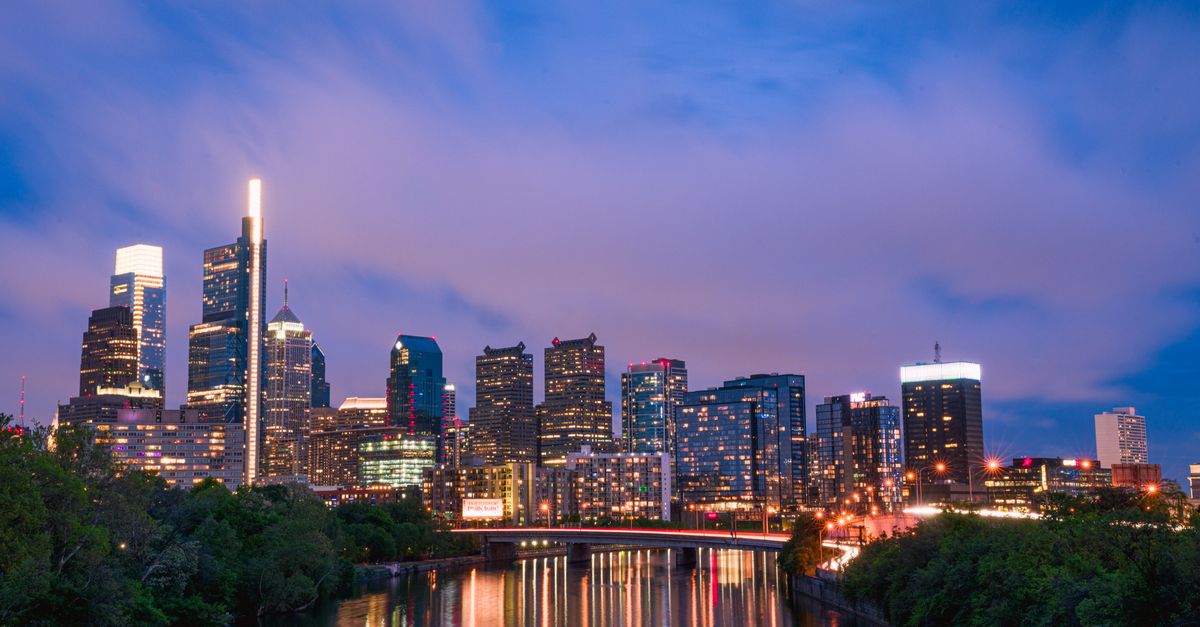
Center City is the pulse of the city, where the skyline meets historic streets. Budget travelers can find modest inns and hostels within walking distance of the main attractions, while mid‑range options often provide comfortable rooms with easy access to subway stations. Luxury properties here boast rooftop terraces overlooking the skyline, perfect for a nightcap after a day of sightseeing.
Old City feels like stepping back in time, with cobblestone lanes and colonial architecture. Guesthouses and boutique inns cater to those who want a more intimate setting, and mid‑level hotels often blend historic décor with modern amenities. For a splurge, there are upscale suites that preserve original brick walls while offering high‑end services, giving you a sense of staying in a piece of history.
University City surrounds the campuses of two major universities and buzzes with youthful energy. Budget dorm‑style rentals and affordable boutique hotels are plentiful, especially during the academic year. Mid‑range choices often include stylish lofts with communal spaces, while higher‑end accommodations provide sleek designs and easy access to cultural venues like the Institute of Contemporary Art.
Fishtown has transformed from an industrial district into a hip neighborhood known for its street art and craft breweries. Budget-friendly hostels and converted lofts attract travelers looking for a creative vibe. Mid‑range stays often feature renovated warehouses with exposed brick, and luxury options include boutique hotels that emphasize local design, giving you a taste of the city’s evolving character.
Top Things to Do in Philadelphia#
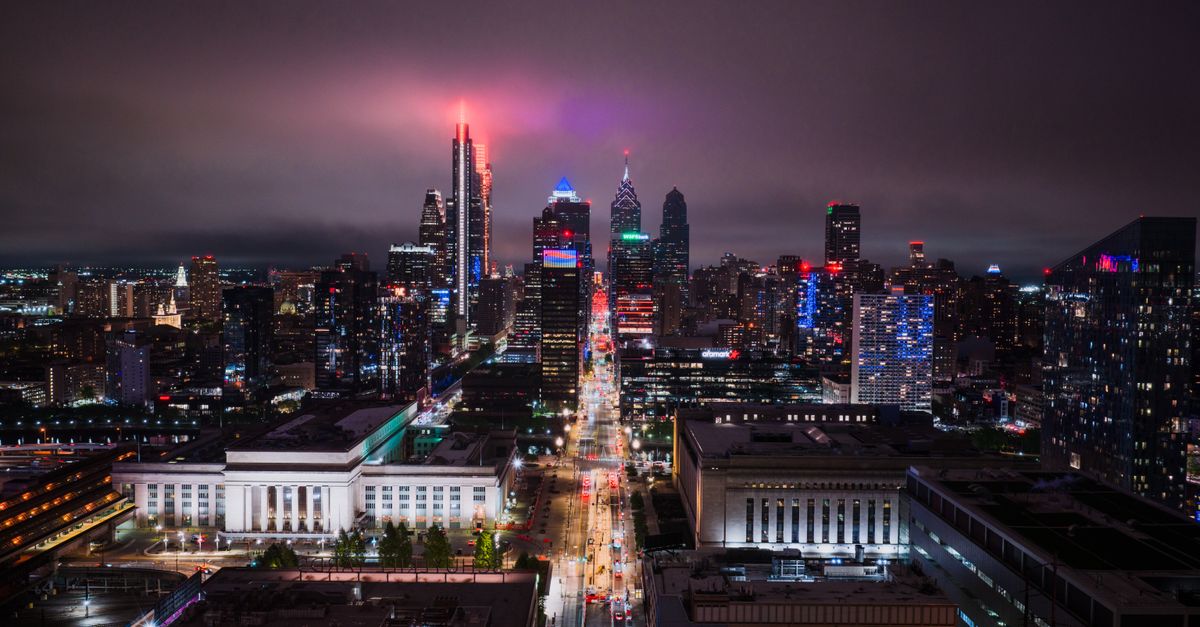
A walk through Independence Hall instantly transports you to the moment the nation’s founding documents were debated. The solemn atmosphere inside the Assembly Room makes you feel the weight of history, and the surrounding Independence National Historical Park offers a pleasant promenade past the Liberty Bell and other colonial landmarks.
Art enthusiasts will find a quiet refuge at the Barnes Foundation, where an extraordinary collection of Impressionist and Post‑Impressionist works is displayed in intimate galleries. The garden surrounding the museum provides a peaceful spot to reflect on the masterpieces you’ve just admired.
For a taste of the city’s green heart, head to Fairmount Park, a sprawling network of trails, historic mansions, and the famous Shofuso Japanese House. Renting a bike and cruising along the Schuylkill River Trail offers scenic views that rival any coastal drive.
If you’re curious about the city’s industrial past, the Eastern State Penitentiary offers a hauntingly beautiful exploration of a 19th‑century prison. The crumbling cellblocks and eerie lighting create an atmosphere that’s both educational and oddly poetic.
Food lovers can’t miss the Reading Terminal Market, a busy indoor market where vendors serve everything from fresh pretzels to authentic Pennsylvania Dutch fare. The aroma of roasting pork and freshly baked goods fills the aisles, inviting you to sample a little of everything.
Sports fans will feel right at home at Lincoln Financial Field, where the roar of a football crowd on a crisp fall afternoon is an experience you’ll remember. Even if you’re not a die‑hard fan, the stadium’s surrounding area offers lively bars and street food stalls that keep the energy high.
A stroll along the Spruce Street Harbor Park in the summer months provides a waterfront escape with hammocks, pop‑up food stalls, and a lively boardwalk vibe. The illuminated canopy at night turns the park into a dreamy retreat perfect for a relaxed evening.
For a deeper dive into the city’s literary side, the Free Library of Philadelphia houses an impressive collection of rare books and a beautiful reading room. It’s a quiet sanctuary where you can lose yourself among shelves that span centuries.
Finally, a visit to Philadelphia’s Magic Gardens showcases the work of local mosaic artist Isaiah Zagar. The sprawling indoor and outdoor installations are a kaleidoscope of color and texture, offering a unique visual feast that feels like stepping into a living artwork.
Food and Dining Guide#
Philadelphia’s culinary scene is a mosaic of flavors that reflect its diverse neighborhoods. No trip is complete without tasting a Philly cheesesteak, a thinly sliced ribeye smothered in melted cheese and tucked into a soft roll. You’ll find this classic served at both busy street carts and polished eateries, each claiming to have the best version.
Another must‑try is the soft pretzel, a salty, doughy snack that’s perfect for munching while you explore the city’s historic districts. Look for vendors near Independence Hall or at the market stalls for a fresh, warm treat.
If you’re craving something with a bit of heritage, the scrapple—a pan‑fried patty made from pork scraps and cornmeal—offers a savory bite that’s often paired with eggs for breakfast. Local diners serve it alongside hearty hash browns, giving you a solid taste of Pennsylvania Dutch cooking.
Seafood lovers should seek out a plate of crab cakes, made with fresh Chesapeake crab meat and lightly fried to a golden crisp. Many waterfront restaurants serve them with a tangy remoulade, providing a perfect balance of sweet and savory.
For a quick, flavorful snack, head to a hoagie shop and order a classic hoagie piled high with deli meats, crisp lettuce, tomatoes, onions, and a drizzle of oil and vinegar. The sandwich is a staple of the city’s lunch culture and can be found in both casual delis and upscale bistros.
Street food options abound at the market and along popular corridors, where you’ll encounter everything from roasted nuts to artisanal ice cream. If you prefer a sit‑down experience, neighborhoods like Rittenhouse Square and South Philadelphia host a range of restaurants offering farm‑to‑table dishes, globally inspired plates, and inventive cocktails. Whether you’re dining on a rooftop overlooking the skyline or grabbing a bite from a food truck, the city’s food scene invites you to explore flavors at every turn.
Getting Around Philadelphia#
Philadelphia’s compact layout makes walking one of the most enjoyable ways to discover its neighborhoods. The city’s grid of sidewalks is well‑maintained, and many attractions sit within a short stroll of each other, especially in Center City and Old City.
For longer distances, the SEPTA network—comprising buses, subways, trolleys, and regional rail—offers reliable service across the city and into the suburbs. A single ride costs a modest fare, and you can purchase a reusable key card that stores multiple trips, saving time at the turnstiles. The subway’s Market‑Frankford Line runs east‑west, connecting the historic core with the university districts, while the Broad Street Line runs north‑south, reaching the sports stadiums and the zoo.
Taxis and rideshare options are plentiful and provide a convenient door‑to‑door solution, especially after a night out or when traveling with luggage. If you prefer a more independent approach, bike‑share programs are scattered throughout the city, allowing you to pick up a bike at one station and drop it off at another, perfect for cruising along the Schuylkill River Trail.
Renting a car is generally unnecessary for most visitors, as parking in the downtown core can be pricey and limited. However, if you plan to explore the surrounding counties or venture out to the countryside, a rental vehicle gives you flexibility, and many agencies have offices near the airport and train stations.
Budget Breakdown#
A budget traveler can expect to spend roughly $70‑$100 per day. This includes staying at a hostel or budget inn, grabbing meals from street vendors or casual diners, using public transit for all trips, and visiting free or low‑cost attractions like the historic parks and public art installations.
Mid‑range visitors typically budget $150‑$200 per day. Accommodations shift to comfortable boutique hotels or well‑appointed Airbnb rentals. Dining expands to include a mix of sit‑down restaurants and occasional splurges on signature dishes. You’ll also have room for a few ticketed experiences, such as museum admissions or a guided tour of Independence Hall.
For a luxury experience, plan on $300‑$400+ per day. This covers upscale hotels in Center City with premium amenities, fine‑dining meals featuring locally sourced ingredients, private transportation or rideshare upgrades, and tickets to special exhibitions or performances. Adding a few extra experiences—like a private sailing tour on the Delaware River—can push the daily total higher, but the city offers plenty of ways to tailor the experience to your preferences.
Travel Tips for Philadelphia#
Timing your visits to major attractions can save you both time and stress. Arriving early in the morning, right when museums open, often means shorter lines and a quieter atmosphere. For outdoor sites like the Liberty Bell, mid‑week visits tend to be less crowded than weekends.
Navigating the city’s transit passes is straightforward once you know the system. A weekly pass can be a cost‑effective choice if you plan to hop on and off the subway or bus multiple times a day. Remember to validate your card before boarding, and keep an eye on service alerts, especially during holidays when schedules may shift.
Packing comfortable shoes is essential. The historic districts feature uneven cobblestones, and many of the best neighborhoods are best explored on foot. A pair of supportive sneakers will keep you moving through museums, markets, and parks without fatigue.
Sampling local specialties beyond the cheesesteak can enhance your culinary adventure. Look for small, family‑run eateries that serve scrapple, soft pretzels, and regional pastries. These spots often provide a more authentic taste of the city than the tourist‑focused establishments.
Staying aware of traffic patterns helps when you do need a car. Rush hour in the mornings (around 7‑9 am) and evenings (around 4‑6 pm) can cause congestion on major arteries like I‑95 and the Schuylkill Expressway. Planning trips outside these windows or using public transit during peak times can keep your itinerary on track.
Using the city’s bike infrastructure adds a fun, eco‑friendly layer to your visit. The bike‑share stations are conveniently located near many attractions, and dedicated lanes make cycling safe and enjoyable. Just be sure to follow local traffic rules and wear a helmet if you’re renting a bike for longer rides.
Keeping an eye on seasonal events can enrich your stay. Summer brings outdoor concerts and fireworks, while fall offers food festivals celebrating local harvests. Checking the city’s event calendar before you travel ensures you don’t miss a memorable experience that aligns with your interests.
📌 Disclaimer
Prices, schedules, tour details, flight routes, visa requirements, and all other information on this page are based on data at the time of writing. Fares, availability, and policies may change. Please verify current details on the official website before booking.
📌 More about Philadelphia