📌 Disclaimer
Prices, schedules, tour details, flight routes, visa requirements, and all other information on this page are based on data at the time of writing. Fares, availability, and policies may change. Please verify current details on the official website before booking.
Photo by AXP Photography on Pexels
Why Visit Petra?#
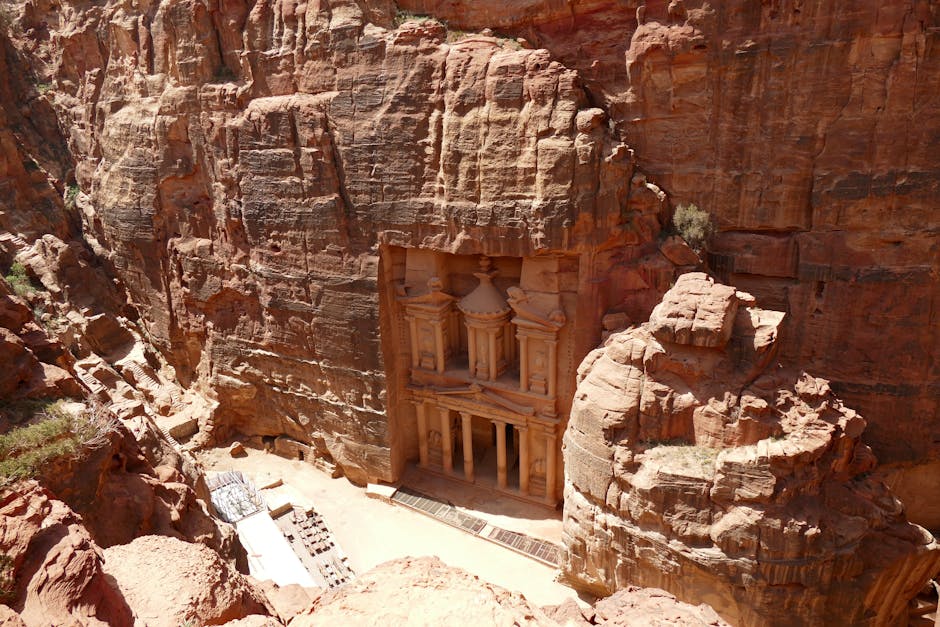
Petra, the ancient city carved into rose-red cliffs, is one of the New Seven Wonders of the World and a UNESCO World Heritage Site. This iconic archaeological site offers a breathtaking glimpse into the Nabatean civilization that thrived here more than 2,000 years ago. As you stroll through the Siq, a narrow gorge that leads to the famous Treasury, you can’t help but feel the weight of history surrounding you. The intricate facades, tombs, and temples reflect an architectural prowess that continues to astound visitors today.
Beyond its architectural marvels, Petra is a destination that enchants with its dramatic landscapes. The surrounding desert boasts stunning rock formations and panoramic views that are perfect for photography enthusiasts. Whether you’re an adventure seeker looking to hike the rugged terrain or a history buff wanting to delve deep into the stories of the past, Petra offers a multitude of experiences that cater to all interests. The warm hospitality of the local Bedouin community adds to the charm, making your visit not just a sightseeing trip, but a cultural immersion.
Best Time to Visit Petra#
The best time to visit Petra is during the spring (March to May) and fall (September to November) months, when the weather is mild and pleasant. During these seasons, daytime temperatures typically range from the mid-60s to mid-80s Fahrenheit, making it ideal for exploring the expansive site. These months also see fewer crowds compared to the peak summer season, allowing for a more enjoyable experience while wandering through the ruins.
Summer (June to August) can be sweltering, with temperatures often soaring above 100°F. If you choose to visit during this time, be prepared for the heat and stay hydrated. Conversely, winter (December to February) can be quite chilly, especially at night, with temperatures dropping to around 40°F. However, winter also brings fewer tourists, so you can enjoy a more intimate experience of the site. Keep in mind that prices for accommodations and tours can vary significantly, with peak seasons seeing higher rates, while off-peak months may offer better deals.
Where to Stay in Petra#
When planning your stay in Petra, you’ll find several neighborhoods that cater to different budgets and preferences. Here’s a breakdown of where to stay:
Budget: For budget-conscious travelers, areas closer to the entrance of Petra offer affordable lodging options. These typically start around $30-50/night. Basic amenities and local charm make these stays a great choice for those who want to keep costs low while still being close to the action.
Mid-Range: If you’re looking for a bit more comfort, consider mid-range accommodations located in the nearby town of Wadi Musa. Here, you can find hotels ranging from $70-150/night, offering better amenities such as pools and on-site dining. This area also provides easy access to restaurants and shops.
Luxury: For those seeking a more upscale experience, luxury hotels in the region offer stunning views and high-end services. Prices generally start around $200/night and can go much higher, depending on the season. These establishments often include spa services, gourmet dining, and guided tours to enhance your Petra experience.
Unique Stays: For a truly memorable experience, consider staying in a Bedouin camp. These camps offer a unique opportunity to immerse yourself in the local culture, with traditional meals, storytelling, and stargazing in the desert.
Top Things to Do in Petra#
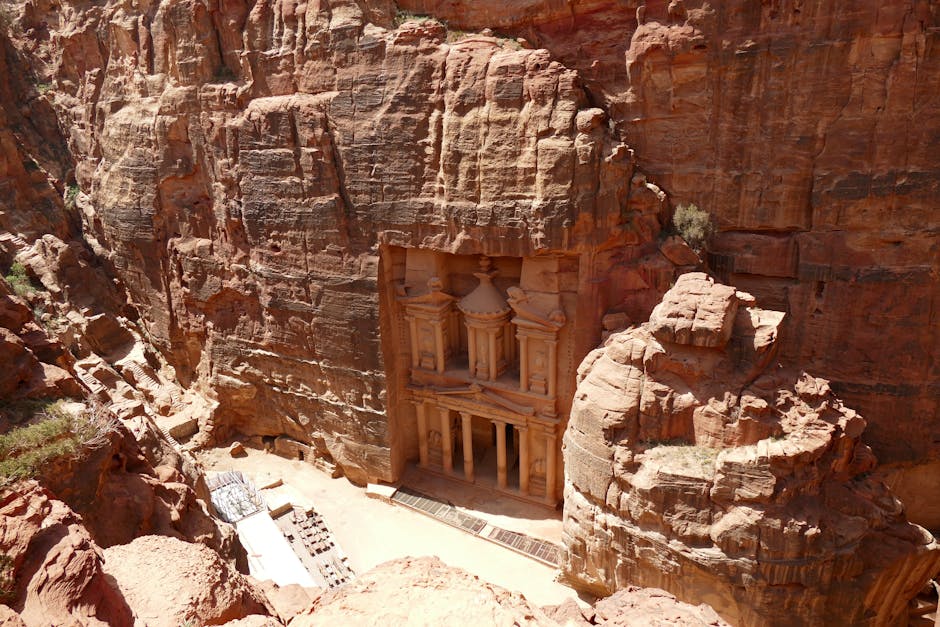
The Siq: Begin your journey through the narrow gorge that leads to Petra’s main entrance. The Siq is lined with towering cliffs and ancient water channels, setting the stage for the magnificent sights that await.
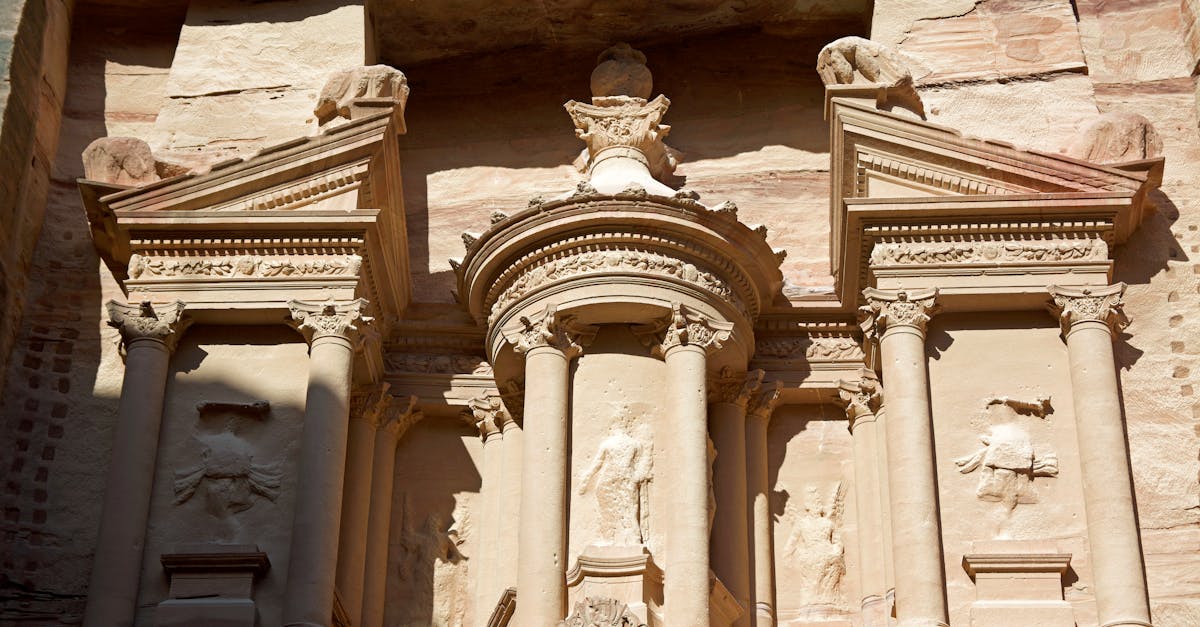
The Treasury (Al-Khazneh): This iconic façade is the first glimpse of Petra’s grandeur. Carved into the rock face, it stands at 130 feet tall and is an essential photo stop.
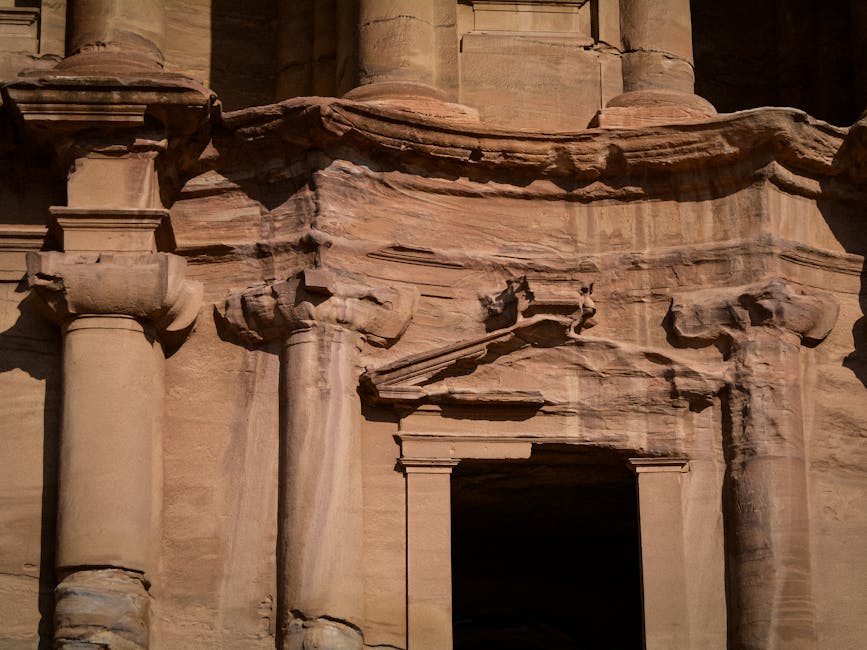
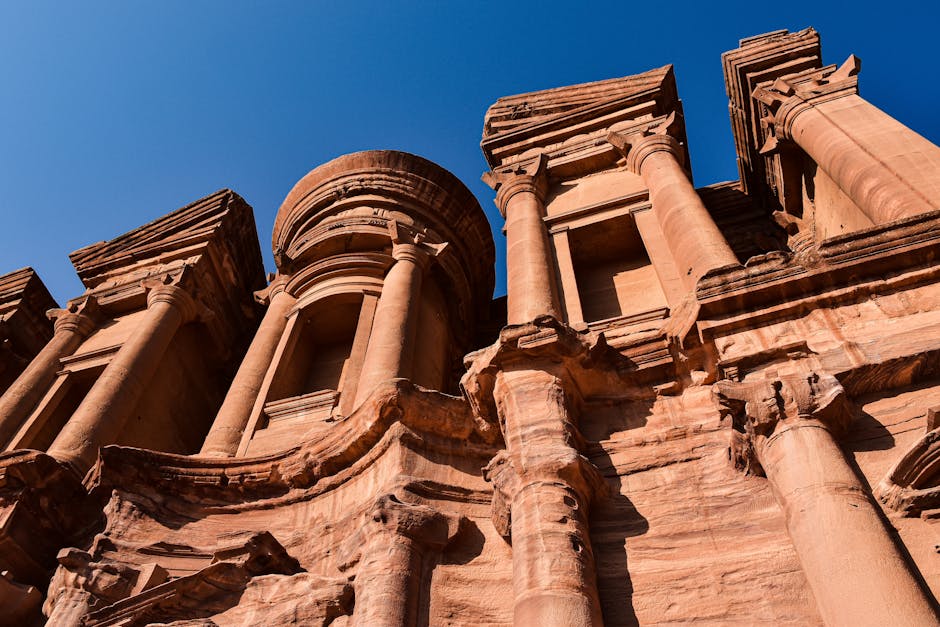
The Monastery (Ad Deir): A hike up 800 steps leads you to this breathtaking structure, which is larger than the Treasury. The view from the top is worth the effort, with stunning vistas over the surrounding landscape.
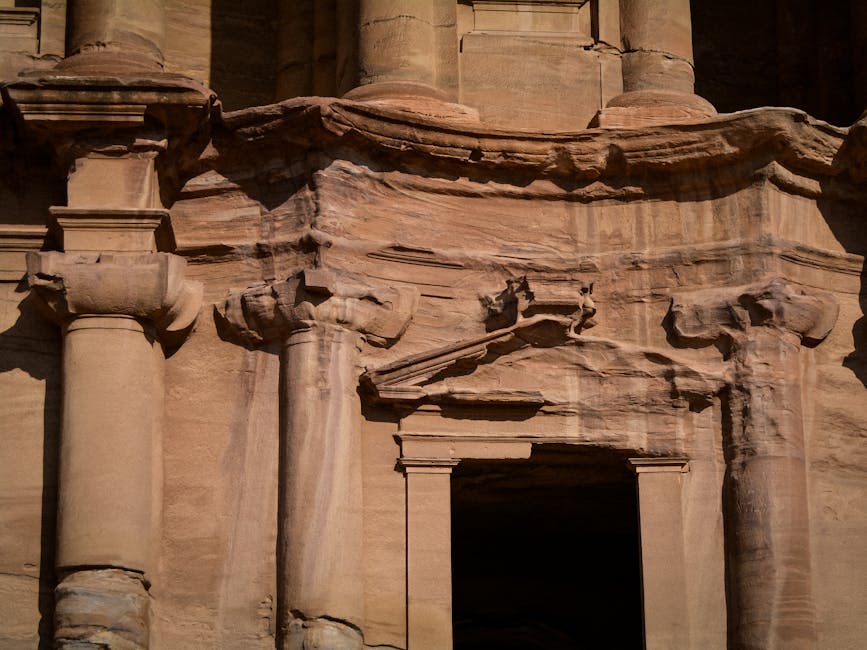
The Royal Tombs: Explore these impressive burial sites, which showcase intricate carvings and elaborate designs. Each tomb has its own unique features, offering insights into the Nabatean culture.
The Roman Theater: This well-preserved theater can seat around 3,000 spectators and is a testament to Petra’s significance as a trading hub. Take a moment to imagine the performances that once took place here.
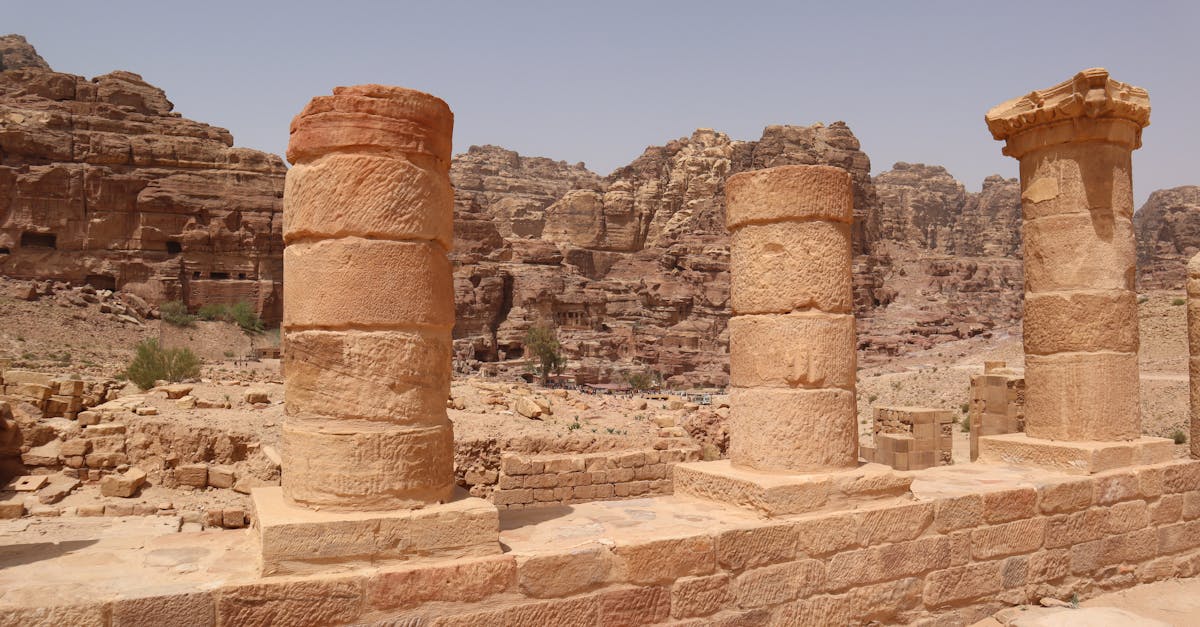
The Colonnaded Street: Walk along this ancient thoroughfare lined with columns, which would have been bustling with merchants and traders in Petra’s heyday.
The High Place of Sacrifice: For the adventurous traveler, a hike to this ancient altar offers not only a glimpse into Nabatean rituals but also panoramic views of Petra.
Little Petra (Siq al-Barid): Just a short drive from the main site, Little Petra is often overlooked. This smaller site features similar rock-cut architecture and is a peaceful spot to explore.
Petra by Night: Experience the magic of Petra illuminated by candlelight. This special evening tour offers a unique perspective on the ancient city, with traditional music enhancing the atmosphere.
Local Bedouin Culture: Engage with the local Bedouin community. Consider a guided tour that includes a visit to a Bedouin tent, where you can learn about their traditions and enjoy traditional tea.
Food and Dining Guide#
When it comes to dining in Petra, you’ll find a mix of local cuisine and international options. Traditional Jordanian dishes are a must-try, showcasing the rich flavors of the region. Here are some highlights:
Mansaf: This national dish consists of lamb cooked in a yogurt sauce, served over rice and garnished with almonds. It’s a hearty meal that reflects the local culture.
Falafel: These deep-fried chickpea balls are a popular street food and make for a delicious snack. Look for vendors selling fresh falafel sandwiches, often served with tahini sauce and fresh vegetables.
Hummus: A staple in Middle Eastern cuisine, this creamy dip made from blended chickpeas is a must-try. Pair it with fresh pita bread for a delightful appetizer.
Knafeh: This sweet dessert is made with layers of pastry soaked in syrup and topped with cheese. It’s a delightful way to end your meal and is often found in local bakeries.
Street Food vs. Restaurants: While there are several restaurants in Wadi Musa serving a range of cuisines, don’t miss out on the street food scene. Vendors offer fresh, affordable meals that allow you to taste the local flavors without breaking the bank.
Getting Around Petra#
Getting around Petra is relatively straightforward, but there are a few options to consider:
Walking: The best way to explore Petra is on foot. The site is vast, and many of the attractions are within walking distance of each other. Wear comfortable shoes and be prepared for some uphill walks.
Horse and Carriage: For those who prefer a more leisurely pace, horse-drawn carriages are available at the entrance to Petra. While this can be a fun way to start your visit, be sure to negotiate the price beforehand.
Taxis: Taxis are readily available in Wadi Musa and can take you to Petra or nearby attractions. Make sure to agree on a fare before getting in, as meters are not commonly used.
Rental Cars: If you plan to explore more of Jordan beyond Petra, renting a car can be a convenient option. However, be aware that driving in Jordan can be challenging due to differing road conditions and traffic rules.
Budget Breakdown#
When budgeting for your trip to Petra, consider the following daily estimates:
Budget Travelers: Expect to spend around $50-70 per day. This includes staying in budget accommodations, eating at local street food vendors, and using public transportation.
Mid-Range Travelers: A daily budget of $100-150 will allow for comfortable accommodations, dining in mid-range restaurants, and some guided tours or activities.
Luxury Travelers: For a more luxurious experience, budget around $250+ per day. This includes high-end accommodations, fine dining, private tours, and additional activities like hot air balloon rides or spa treatments.
Travel Tips for Petra#
Safety: Petra is generally safe for tourists, but it’s always wise to stay aware of your surroundings and avoid wandering off the beaten path, especially after dark.
Tipping: Tipping is customary in Jordan. A small tip for service staff, such as waiters and guides, is appreciated. Generally, 10-15% is a good standard.
Language: While Arabic is the official language, many locals in the tourism sector speak English. Learning a few basic Arabic phrases can enhance your interactions.
SIM Cards: Consider purchasing a local SIM card upon arrival for data access. This can help with navigation and staying connected during your travels.
Scams to Avoid: Be cautious of overly persistent vendors or guides at the entrance of Petra. Always negotiate prices before accepting services or goods.
Hydration: The desert climate can be deceiving, so make sure to drink plenty of water while exploring. Carry a refillable water bottle to stay hydrated throughout the day.
Respect Local Culture: Dress modestly, especially when visiting local communities. This shows respect for the traditions and customs of the Jordanian people.
By following this travel guide, you’ll be well-prepared for your adventure in Petra. The ancient city is a testament to human ingenuity and resilience, offering unforgettable experiences that will stay with you long after you leave. If you’re also considering a trip to Dubai, United Arab Emirates , check out our guide for more travel inspiration!