📌 Disclaimer
Prices, schedules, tour details, flight routes, visa requirements, and all other information on this page are based on data at the time of writing. Fares, availability, and policies may change. Please verify current details on the official website before booking.
Why Visit Patmos?#
The scent of wild oregano and sun-warmed pine needles drifts across the harbor the moment the ferry engines cut their roar, signaling arrival on an island that moves to a markedly slower rhythm than its famous Aegean neighbors. Unlike the crowded party shores of Mykonos or the cinematic cliffs of Santorini , Patmos retains a rugged, weathered authenticity where whitewashed cubic houses tumble down steep hillsides toward deep blue coves, and the daily schedule is dictated by church bells rather than beach club schedules. Pilgrims have journeyed to these rocky shores for centuries, drawn by the sacred aura of the island, yet modern travelers find an equal and opposite pull in the quiet pebble beaches, the salt-cured sea air, and the simple pleasure of an iced coffee at a seaside kafeneio while fishermen mend their nets.
This northernmost jewel of the Dodecanese archipelago offers a rare balance between contemplative solitude and classic Greek island charm. Days here unfold naturally, beginning with the rustle of olive leaves in the morning breeze and ending with orange-tinted horizons over the Icarian Sea. There are no mega-resorts or neon signs crowding the coastline; instead, visitors encounter whitewashed windmills spinning slowly against the ridge, stone-paved donkey paths connecting ancient chapels, and local tavernas where the catch of the day comes straight from the wooden caiques tied up at the pier. It is a destination that rewards patience, inviting American travelers to slow their pace, ditch their itineraries, and experience a slice of timeless Mediterranean life.
Best Time to Visit Patmos#
Planning a trip across the Atlantic requires careful timing, particularly for an island whose seasonal rhythms shift dramatically between the quiet damp of winter and the sun-drenched intensity of peak summer. The shoulder season spanning May through June offers arguably the most balanced weather conditions for American travelers, with daytime temperatures hovering in the comfortable mid-seventies to low eighties Fahrenheit. During these late spring weeks, wildflowers carpet the hillsides, the sea is refreshing yet swimmable, and the crowds remain manageable, translating to moderate pricing for accommodations and rental cars.
July and August bring intense Mediterranean heat, with temperatures regularly pushing past ninety degrees Fahrenheit, accompanied by the strong, cooling seasonal winds known locally as the meltemi. This peak period draws waves of European vacationers and Greek families escaping Athens , resulting in fully booked guesthouses, premium high-season rates, and busy tavernas where reservations become essential. Ferries run at their most frequent schedules during these midsummer months, providing maximum flexibility for island-hopping itineraries, though the midday sun demands slow afternoons spent in the shade of tamarisk trees.
September and early October offer a welcome reprieve as the summer crowds depart and the sea retains its warmth from months of uninterrupted sunshine. Daytime temperatures ease back into the pleasant seventies, and local vineyards complete their grape harvests, filling the evening air with the rich, fermenting scent of must. Accommodation rates drop significantly during this autumn window, and restaurant owners have more time to chat, providing a deeply authentic and relaxed travel experience before the island quiets down for the winter rainy season.
Where to Stay in Patmos#
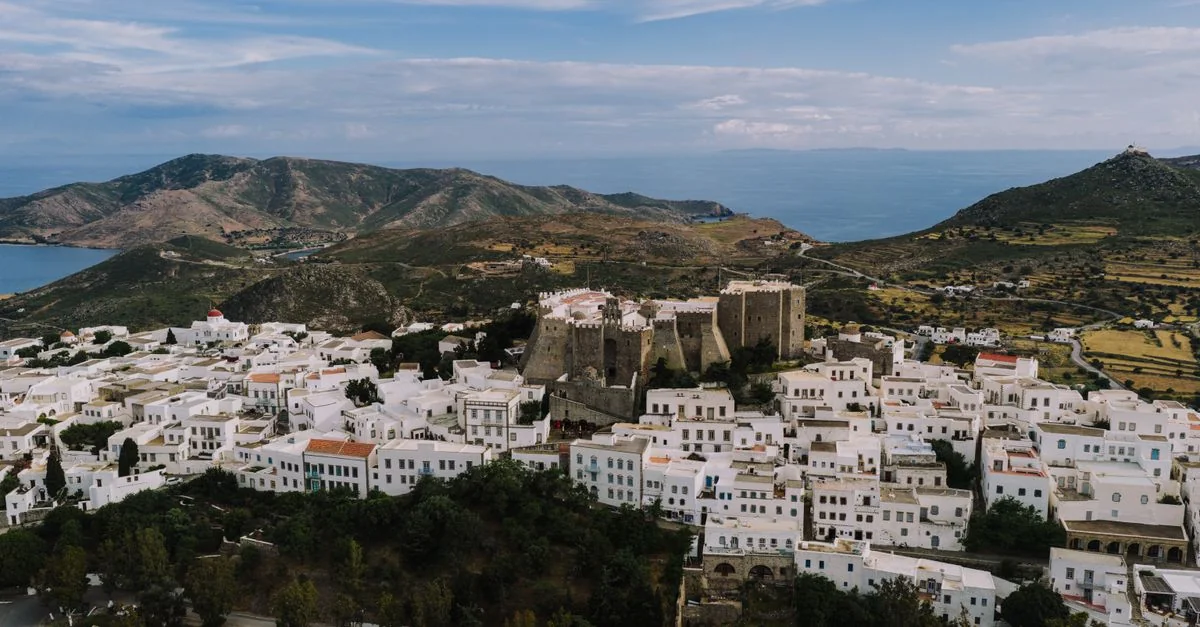
Choosing a base on Patmos depends entirely on whether you prefer the medieval drama of hilltop stone fortifications, the maritime bustle of the main port, or the barefoot luxury of a secluded seaside cove. Skala serves as the primary port and the most practical hub for first-time visitors, offering a wide array of mid-range apartments and budget-friendly rooms within easy walking distance of the ferry docks, bakeries, and car rental agencies. Staying here means you can step off the boat and be settled into your room within minutes, with morning ferries and evening taverna strolls right outside your door.
Perched high above the port on a dramatic volcanic ridge, Chora offers a starkly different atmosphere characterized by labyrinthine medieval alleys, stately captain’s mansions, and whitewashed chapels. Accommodations in this historic capital tend toward luxury boutique properties and restored heritage homes, where travelers pay a premium for quiet, starry nights, breathtaking sea views, and the unique experience of living inside a UNESCO World Heritage site. Because the village is pedestrian-only, vehicles must park in designated municipal lots on the outskirts, requiring a short walk through ancient stone pathways to reach your lodgings.
For travelers prioritizing direct access to the water, Grikos provides a tranquil seaside village setting on the southeastern coast, favored by those seeking upscale resorts and quiet boutique hotels right on the beach. This sheltered bay attracts sailing yachts and travelers looking for a slower, resort-style stay where paddleboards and sun loungers replace cobblestone climbs. Meanwhile, the northern settlement of Kampos offers a more laid-back, family-friendly beach atmosphere with a cluster of traditional rental studios and casual tavernas set just back from the shoreline, making it an ideal mid-range choice for travelers who want to spend their days alternating between swimming and shaded outdoor dining.
Top Things to Do in Patmos#

The island’s spiritual heart dominates the skyline, and exploring the Monastery of Saint John the Theologian stands as an absolute priority for anyone visiting the island. Rising like a formidable stone fortress above Chora, this tenth-century complex features dark, candle-lit chapels, ancient frescoes, and a treasury housing priceless Byzantine manuscripts and golden icons. Walking through the arched courtyards feels like stepping back a thousand years, offering a profound sense of history that contrasts sharply with the bright blue Aegean sparkling far below.
Just a short walk down the rocky slope from the monastery brings visitors to the Cave of the Apocalypse, where the Christian apostle John is said to have heard the voice of God and dictated the Book of Revelation. The damp, dim interior retains a solemn atmosphere, marked by the triple cleft in the rock where the voice supposedly emanated and the stone ledge used as a pillow by the saint. Monks tend to the site quietly, allowing travelers to sit in contemplation and absorb the enduring spiritual resonance of the rocky hollow.
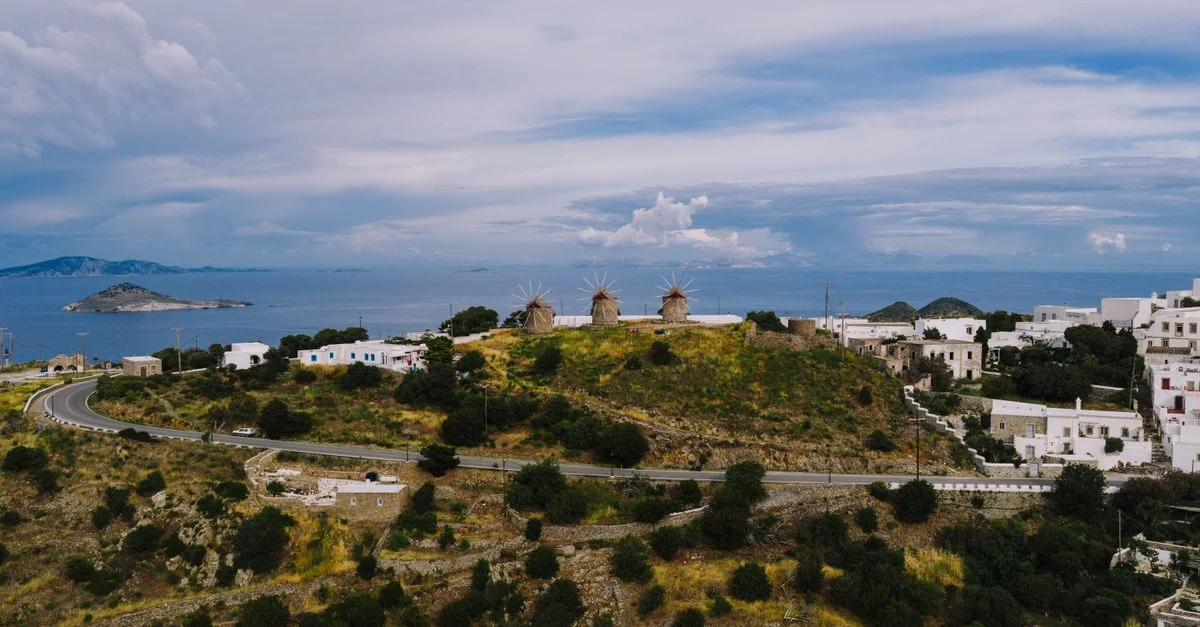
Balancing the solemnity of the religious sites, the Chora Windmills stand proudly on a scenic ridge nearby, offering sweeping views across the surrounding bays and neighboring islands. Three restored stone mills catch the Aegean breeze, and watching the sunset from this elevated vantage point provides one of the most memorable visual experiences on the island. The walk through the surrounding alleys of Chora reveals quiet squares, hidden bougainvillea-draped courtyards, and small architectural details that reward those who wander off the main paths without a fixed map.
When the afternoon heat peaks, seeking out the island’s diverse coastline offers immediate relief, beginning with Psili Ammos Beach on the western shore. Reached either by a scenic boat excursion from the port or via a moderate twenty-minute hike over a low hill, this golden-sand cove features shallow turquoise water and a small, family-run taverna serving grilled meats and fresh salads under a canopy of trees. For a different coastal texture, Agrioliotissa Beach on the northern tip provides a pebbly shore backed by tamarisks and a tiny whitewashed chapel, creating an exceptionally peaceful environment away from the busier swimming spots.
Sailing around the rugged coastline reveals hidden corners inaccessible by land, making a boat trip to the uninhabited islet of Chiliomodi a rewarding excursion for adventurous travelers. These clear water invite snorkeling and swimming in complete isolation, far from the main tourist routes. Back on the main island, visiting the Petra Beach area on the south coast offers a unique geological landscape dominated by the towering Kalipso Rock, a massive boulder rising from the sea that attracts local climbers and geologists alike.
Food and Dining Guide#
Dining on Patmos is an unhurried, social affair that relies heavily on local agriculture, fresh Aegean seafood, and time-honored island recipes passed down through generations. Rather than leaning toward modern culinary experimentation, traditional kitchens here celebrate simplicity, allowing the natural flavors of sun-ripened tomatoes, wild herbs, and freshly caught fish to take center stage at every meal.
No culinary tour of the island is complete without tasting Patmitiki tiropita, a distinctly savory cheese pie quite unlike the triangular spanakopita found elsewhere in Greece . Wrapped in a crispy, flaky dough and stuffed with a local blend of mizithra and local goat cheeses seasoned with fresh mint, these spiral-shaped pastries are baked until golden brown and served warm at local bakeries. Another essential dish is Katsiko, a slow-roasted local goat seasoned with garlic, rosemary, and lemon, traditionally prepared in wood-fired ovens for Sunday family dinners and available in rustic tavernas across the island.
Seafood lovers will want to order Kakavia, a traditional fisherman’s soup made from the morning’s mixed catch simmered with onions, potatoes, olive oil, and lemon juice. This hearty broth captures the pure essence of the sea and pairs wonderfully with crusty village bread dipped directly into the rich juices. For a simple meze plate during afternoon drinks, P πέper-stuffed sardines or Marathokeftedes, which are crisp fennel fritters flavored with onion and fresh herbs, provide a delightful crunch that reflects the island’s wild botanical wealth.
When deciding where to eat, casual seaside tavernas in Skala and Grikos serve up grilled octopus, Greek salads topped with massive blocks of feta, and fried zucchini chips without pretense or inflated prices. For a more atmospheric evening meal, head up to Chora, where small tavernas set tables out onto ancient stone steps, serving home-cooked casseroles and roasted meats under strings of warm lights while church bells echo across the rooftops.
Getting Around Patmos#
Navigating Patmos requires a bit of logistical planning, as the island lacks a massive public transportation network, though it remains small enough to manage easily with the right approach. The local bus system connects Skala, Chora, Grikos, and Kampos with regular schedules during the high summer season, making it a reliable and budget-friendly option for travelers who prefer not to drive. However, buses run less frequently during the shoulder months, and routes stop entirely by early evening, requiring careful coordination if you plan to dine away from your immediate base.
Renting a car or a scooter represents the most flexible and popular choice for American travelers looking to explore secluded beaches and remote hiking trailheads at their own pace. Compact vehicles are strongly recommended due to the narrow, winding nature of the roads and the tight parking spaces in Chora and Skala. Drivers should be prepared for steep inclines, occasionally unpaved stretches leading to remote coves, and local free-roaming goats that frequently treat the asphalt as their personal resting ground.
Taxis are readily available at the central port square in Skala, offering fixed-rate journeys to major villages and beaches, though the limited number of cabs on the island means competition can be fierce during peak ferry arrival times. Walking remains a wonderful way to explore Chora and the immediate port area, but the historic stone donkey paths that crisscross the island can be steep and uneven, requiring sturdy walking shoes and plenty of water for longer inland hikes.
Budget Breakdown#
Traveling to Patmos can accommodate a range of financial styles, from back-to-basics independence to upscale Mediterranean indulgence, though the island generally trends slightly higher in price than mainland Greece due to ferry logistics.
Budget travelers relying on local buses, renting a modest room in Skala, dining exclusively at bakeries and casual gyros spots, and focusing on free historical walks and public beaches will find expenses manageable. This approach keeps daily costs low, particularly during the shoulder season when guesthouse owners eagerly negotiate rates for longer stays.
Mid-range travelers typically opt for a rental car for a few days, book comfortable guesthouse apartments with sea views in Chora or Kampos, and enjoy leisurely sit-down lunches and dinners at traditional tavernas featuring fresh fish and local wine. This tier offers the most comfortable balance of convenience and authentic local experiences without excessive spending.
Luxury travelers can easily curate an upscale experience by securing high-end boutique properties in Chora, hiring private boat charters for coastal explorations, dining at fine-dining establishments featuring refined Aegean cuisine, and utilizing private taxi transfers across the island. Regardless of the budget tier chosen, the island’s primary treasures—its history, architecture, and natural landscapes—remain entirely free of charge.
Travel Tips for Patmos#
Dressing appropriately is essential when visiting the island’s many monasteries and churches, as bare shoulders and shorts are strictly forbidden inside holy spaces. Carrying a lightweight scarf or a sarong in your daypack ensures you can easily cover up when stepping off the beach and into a sacred site without missing a beat.
Cash and cards require a bit of advance preparation, as while major restaurants and hotels in Skala and Chora happily accept credit cards, smaller family-run tavernas, roadside fruit stands, and local bus drivers frequently operate on a cash-only basis. Keeping a healthy supply of euros on hand prevents awkward moments, especially since ATMs in smaller villages can occasionally run out of cash during busy weekends.
Midday closures remain a traditional part of local life, with many smaller shops, bakeries, and offices shuttering their doors between the mid-afternoon hours of three and five. Planning your shopping, errands, and museum visits for the morning or late afternoon prevents frustration and aligns your schedule with the natural rhythm of the island.
Footwear matters tremendously on this island of ancient stone staircases, marble alleys, and pebble-strewn shores. Leave the high heels and slick-soled fashion sneakers at home, opting instead for sturdy walking shoes with good grip to navigate the steep, polished pathways of Chora safely.
Environmental awareness is crucial on a dry, wind-swept island where water is a precious resource delivered frequently by tanker ships from the mainland. Conserving water during showers, turning off air conditioning units when leaving your room, and carrying out all your trash from remote beaches helps preserve the fragile ecological balance of this Aegean sanctuary.
📌 Disclaimer
Prices, schedules, tour details, flight routes, visa requirements, and all other information on this page are based on data at the time of writing. Fares, availability, and policies may change. Please verify current details on the official website before booking.
📌 More about Patmos