📌 Disclaimer
Prices, schedules, tour details, flight routes, visa requirements, and all other information on this page are based on data at the time of writing. Fares, availability, and policies may change. Please verify current details on the official website before booking.
Why Visit Panama City?#
The sharp scent of roasting Arabica beans drifts from a corner cafe, mingling with the heavy, humid air of the tropics and the faint, salty tang of the Pacific Ocean. Panama City feels like a deliberate collision of eras, where towering glass skyscrapers cast long shadows over crumbling Spanish colonial plazas, and massive container ships wait patiently on the horizon to traverse one of the world’s greatest engineering feats. For American travelers seeking a seamless blend of modern convenience and tropical adventure, this Central American metropolis delivers an experience that is both accessible and distinctively exotic.
What sets this destination apart is the sheer proximity of untamed nature to an ultra-modern skyline. You can stand on a rooftop terrace overlooking a financial district that rivals Miami, and twenty minutes later, spot howler monkeys swinging through the canopy of a protected rainforest. The country uses the United States Dollar as its official currency, eliminating the hassle of exchange rates, and the flight time from major hubs in the southern United States is remarkably short. English is widely spoken in hotels, restaurants, and tourist areas, making navigation straightforward even for first-time visitors to Latin America .
Beyond the urban landscape, the city serves as a natural crossroads for the Americas. It acts as a bridge connecting North and South, as well as a crossroads for global maritime trade. The local culture reflects this migratory history, blending indigenous traditions, Afro-Caribbean influences, and Spanish colonial heritage into a distinct identity. Whether you want to spend your days tracing the footsteps of pirates through stone ruins, dining on freshly caught seafood overlooking the marina, or hiking through primary rainforest inside city limits, Panama City offers a satisfying alternative to the standard Caribbean resort vacation.
Best Time to Visit Panama City#
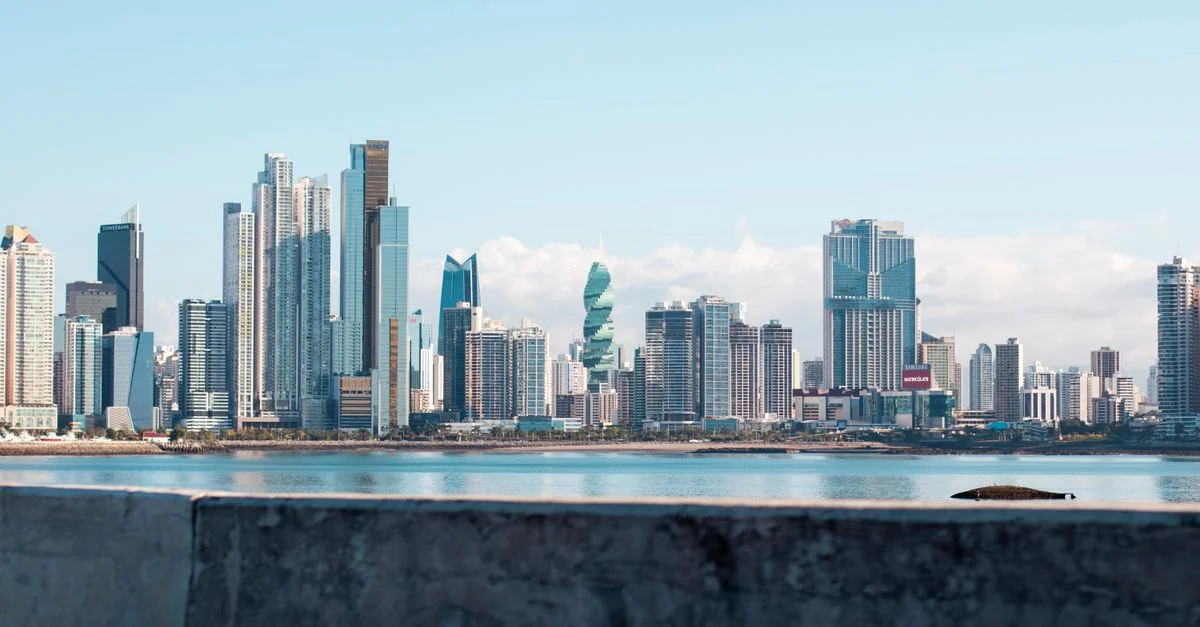
Planning a trip here revolves entirely around the region’s two distinct weather seasons: the dry season and the rainy season. The dry season runs from mid-December through April, known locally as “verano.” During these months, rainfall is rare, skies remain largely clear and blue, and stiff coastal breezes offer some relief from the equatorial heat. January and February are particularly pleasant, though these months coincide with the peak tourism season for American travelers escaping winter. Expect larger crowds at major landmarks, higher rates for accommodations, and the need to book excursions well in advance.
As May arrives, the rainy season—locally called “invierno”—begins, lasting through November. Do not let the term discourage you; this period rarely brings all-day washouts. Instead, mornings are frequently sunny and bright, followed by a heavy tropical downpour in the afternoon that typically lasts an hour or two before clearing up. October and November see the highest volume of precipitation, making these months the quietest for tourism. Traveling during the shoulder months of May or November often yields lower prices on flights and lodging, along with lush, brilliantly green landscapes and significantly fewer crowds at popular sites.
Where to Stay in Panama City#
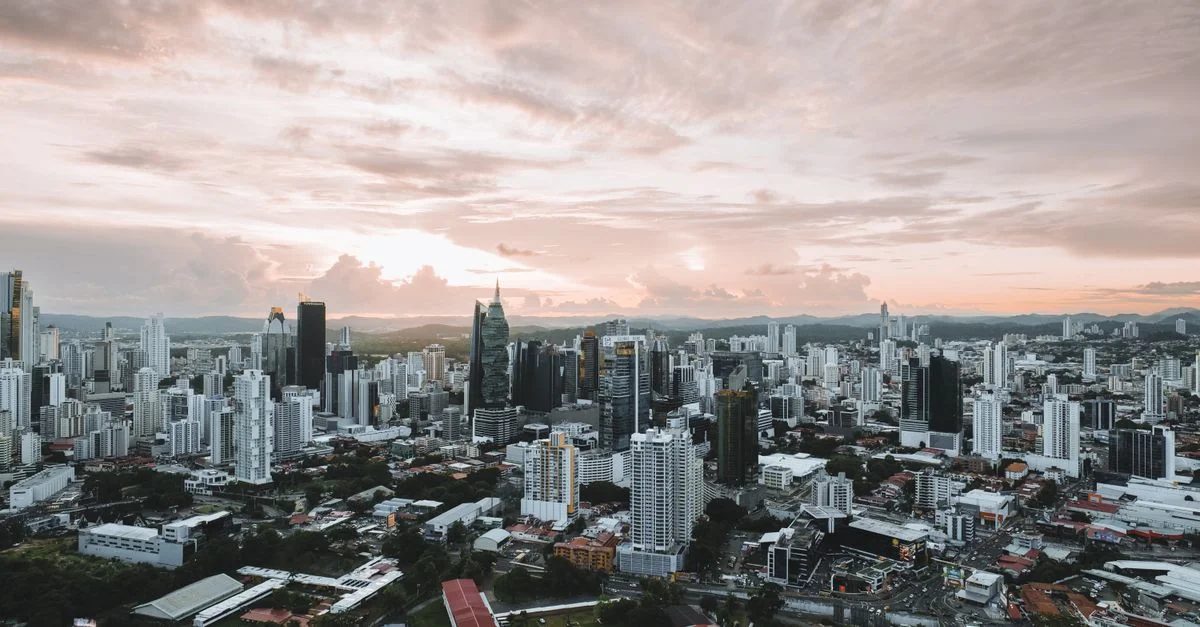
Choosing the right neighborhood shapes your entire experience, as the city spans several distinct districts with contrasting personalities. For travelers who prioritize historic charm, cobblestone streets, and nineteenth-century wrought-iron balconies, Casco Viejo is the undisputed top choice. This UNESCO World Heritage site offers boutique bed-and-breakfasts and high-end design hotels housed in restored colonial mansions. While lodging here tends to skew toward the luxury and upper-mid-range tiers, the walkability to plazas, rooftop cocktail bars, and artisan markets makes the cost worthwhile.
For a completely different atmosphere, the El Cangrejo neighborhood provides a leafy, pedestrian-friendly base with a distinctly local, neighborhood feel. This area offers a strong selection of mid-range apartments and comfortable mid-tier hotels tucked along side streets lined with international restaurants and craft beer pubs. It feels less polished than the historic district, yet it provides an authentic look at daily urban life and sits directly on the metro line for easy transit across town.
If your travel style leans toward sleek modern towers, infinity pools, and high-end shopping malls, the Punta Pacífica or Avenida Balboa waterfront areas fit the bill. These neighborhoods feature gleaming glass skyscrapers with sweeping views of the bay and the Pacific entrance to the canal. Luxury properties dominate this corridor, offering spacious rooms, fitness centers, and immediate access to upscale dining. Budget-conscious travelers will find good value a bit further inland in neighborhoods like El Carmen, where simple guesthouses and family-run inns offer clean, affordable rooms close to transit hubs.
Top Things to Do in Panama City#
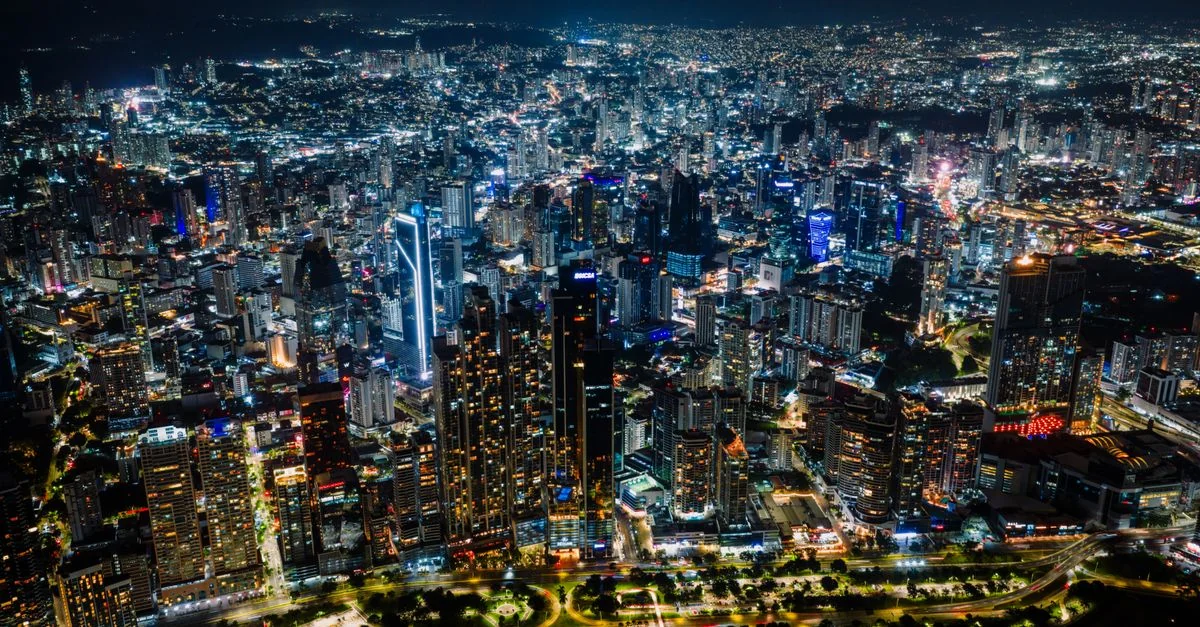
The city’s crown jewel is undeniably the Miraflores Locks, where visitors can watch massive cargo ships maneuver through the narrow chamber gates of the Panama Canal. Arriving in the morning allows you to catch the transit operations up close from the multi-story observation decks while experts explain the mechanics of raising and lowering vessels between the ocean and Gatun Lake. Just a short drive away, the Amador Causeway stretches out into the Pacific Ocean, constructed using millions of cubic yards of rock excavated during the canal’s creation. Renting a bicycle here provides a breezy afternoon ride past palm-lined promenades, open-air seafood restaurants, and the striking, wave-like architecture of the Biomuseo, designed by Frank Gehry to showcase the explosion of local biodiversity.
History enthusiasts will want to spend a morning wandering the stone foundations of Panama Viejo, the original Pacific-side settlement founded in fifteen nineteen before being sacked by the infamous pirate Henry Morgan in sixteen seventy-one. Walking among the ruined stone towers of the old cathedral and the remnants of colonial houses offers a tangible connection to the early days of Spanish conquest. Afterward, transitioning to Casco Viejo reveals the later incarnation of the city. You can wander past pastel-colored facades, pause in the shady central square of Plaza de Francia, and visit the ornate gold altar inside the Church of San José, which famously survived the pirate attacks through a clever disguise.
For a complete escape from the urban core, Metropolitan Natural Park offers an unexpected pocket of dense tropical jungle right within municipal boundaries. Walking the well-maintained dirt trails brings you face-to-face with sloths, toucans, and curious coatis, all while catching occasional glimpses of the downtown skyline through the thick overhead foliage. For an even more panoramic view, a hike up Ancon Hill leads to a high ridge where giant Panamanian flags fly and wild deer roam freely, providing a stunning vantage point over the port, the canal, and the sprawling neighborhoods below.
Food and Dining Guide#
The local dining scene reflects the country’s position as a historical crossroads, blending Spanish, indigenous, Afro-Caribbean, and Asian culinary traditions into something entirely unique. One of the ultimate comfort foods you will encounter is Sancocho, a hearty chicken soup simmered slowly with corn, cilantro, and yuca, often served alongside a mound of white rice. It is traditionally eaten at midday, and locals swear by its restorative qualities after a late night out. For a quick roadside bite, Carimañolas are a popular morning or afternoon snack consisting of mashed yuca dough stuffed with seasoned ground meat, then fried until golden and crispy on the outside.
Seafood lovers will find plenty to celebrate, particularly at the busy municipal fish market near the waterfront. The ground floor bustles with vendors selling the morning catch, while the second floor houses informal eateries specializing in Ceviche. Here, fresh corvina or octopus is cured in lime juice with onions, chili peppers, and cilantro, served cold in small plastic cups with crisp plantain chips. For a more formal sit-down meal, the city’s upscale restaurants put modern, inventive spins on traditional ingredients like plantains, culantro, and coconut rice, often pairing them with high-end cuts of beef or fresh Pacific tuna. Street food vendors round out the options with roasted corn, empanadas, and fresh fruit juices made from tropical fruits like passion fruit, soursop, and mango.
Getting Around Panama City#
Navigating the urban sprawl is relatively straightforward thanks to a combination of modern public transit, affordable taxis, and walkable pockets. The Panama Metro system is clean, air-conditioned, efficient, and remarkably cheap, featuring lines that connect major residential areas, the downtown financial district, and key transit hubs. To ride the metro and the city buses, you will need to purchase a rechargeable plastic card at any station. While buses can be crowded and confusing for first-time visitors due to complex route maps written entirely in Spanish, the metro lines are intuitive and English signage is common.
Taxis are ubiquitous and do not use meters; instead, drivers operate on a zone-based fare system. It is essential to negotiate and agree upon the fare with the driver before stepping inside the vehicle to avoid misunderstandings upon arrival at your destination. Ride-hailing smartphone apps also operate extensively throughout the city, offering transparent pricing, cashless payment options, and the convenience of not needing to negotiate in Spanish. Walking is practical and pleasant within specific districts like Casco Viejo and along the Amador Causeway, but attempting to walk between distant neighborhoods is discouraged due to heavy traffic, lack of continuous sidewalks, and high daytime temperatures. Renting a car is generally unnecessary and stressful unless you plan on taking extensive road trips outside the capital, as inner-city traffic congestion and parking shortages can be intense.
Budget Breakdown#
Exploring this destination can easily be tailored to fit a wide range of budgets, as prices for lodging and dining vary significantly based on your preferred level of comfort.
Budget travelers can comfortably manage a daily expenditure ranging from $40 to $70 USD. This tier includes staying in clean hostel dormitories or simple guesthouses in neighborhoods slightly outside the historic center, eating hearty meals at local roadside cafeterias known as “fondas,” utilizing the metro and public buses for transit, and balancing paid attractions with free outdoor activities like hiking Ancon Hill.
Mid-range travelers typically spend between $100 and $200 USD per day. This budget covers comfortable private rooms in boutique hotels or mid-tier urban properties, sit-down lunches and dinners at popular local restaurants with drinks, occasional taxi or ride-hailing app fares for convenience, and standard admission fees for major sites like the canal visitor center and museums.
Luxury travelers should anticipate spending $300 USD and upwards per day, with costs scaling based on the chosen accommodations. This level unlocks high-end design hotels in historic mansions or sleek waterfront towers, fine dining experiences featuring contemporary Panamanian cuisine, private guided tours of the canal and rainforests, and dedicated transport via private car services or ride-hailing apps for every excursion.
Travel Tips for Panama City#
Currency usage is remarkably simple for travelers arriving from the United States, as the country uses the US Dollar as its official currency alongside the local Balboa, which exists only in coin form with the exact same value as the greenback. You can freely withdraw US dollars from local ATMs, though carrying a mix of smaller bills like ones, fives, and tens is wise because street vendors and taxi drivers often struggle to break large fifty or hundred-dollar bills.
Climate preparation requires acknowledging the intense equatorial sun and high humidity levels. Pack lightweight, breathable fabrics made from linen or moisture-wicking synthetics, along with a wide-brimmed hat, polarized sunglasses, and a reliable sunscreen that you apply frequently throughout the day. A compact travel umbrella or lightweight rain jacket is mandatory equipment regardless of the month, as sudden afternoon tropical downpours can materialize without warning.
Language basics will smooth your interactions with locals, even though English is spoken in most major hotels and upscale restaurants. Learning a handful of polite Spanish phrases—such as “por favor,” “gracias,” and basic numbers for negotiating taxi fares—demonstrates respect and goes a long way with shopkeepers and transit workers who may not speak fluent English.
Tap water safety is a frequent question for international visitors, and the good news is that municipal tap water in the capital is treated and generally considered safe to drink by international standards. However, if you have a sensitive stomach or prefer to play it completely safe, bottled water and filtered options are widely available at every convenience store and supermarket.
Safety awareness in the capital is similar to most major Latin American urban centers. While the financial district, Casco Viejo, and major tourist zones are heavily policed and generally secure, it is wise to maintain situational awareness, avoid flashing expensive jewelry or camera equipment, and refrain from wandering into unfamiliar neighborhoods—particularly those immediately adjacent to the historic district—after dark.
Tipping customs in local establishments differ slightly from the standard practices in the United States. Many sit-down restaurants automatically include a service charge of ten percent on the final bill, so always check your receipt before leaving additional money. If no service charge is included, leaving ten percent for good service is appreciated by waitstaff, while small tips for taxi drivers, tour guides, and hotel porters are customary but not strictly required.
📌 Disclaimer
Prices, schedules, tour details, flight routes, visa requirements, and all other information on this page are based on data at the time of writing. Fares, availability, and policies may change. Please verify current details on the official website before booking.
📌 More about Panama City