📌 Disclaimer
Prices, schedules, tour details, flight routes, visa requirements, and all other information on this page are based on data at the time of writing. Fares, availability, and policies may change. Please verify current details on the official website before booking.
Why Visit Palawan?#
Palawan is often referred to as the “Last Frontier” of the Philippines, and for good reason. This stunning archipelago boasts some of the most breathtaking natural landscapes in the world, featuring crystal-clear waters, lush jungles, and towering limestone cliffs. With its vibrant marine life, diverse ecosystems, and rich cultural heritage, Palawan is a paradise for nature lovers, adventure seekers, and those looking to unwind in a serene setting. It’s no wonder that Palawan has consistently ranked high on lists of the world’s best islands.
One of the most compelling reasons to visit Palawan is its unique biodiversity. The region is home to the Puerto Princesa Subterranean River National Park, a UNESCO World Heritage site, which features an underground river that winds through a stunning limestone cave system. The island is also a gateway to beautiful destinations like El Nido and Coron, where travelers can explore pristine beaches, snorkel in vibrant coral reefs, and discover hidden lagoons. Whether you’re seeking adventure, relaxation, or a bit of both, Palawan offers an unforgettable escape.
Best Time to Visit Palawan#

The best time to visit Palawan largely depends on what you’re looking for in your travel experience. The dry season, typically from November to May, is considered the ideal time to explore the island. During these months, you can expect sunny days, lower humidity, and minimal rainfall, making it perfect for outdoor activities like island hopping and diving. December to February sees the highest number of tourists, so expect larger crowds and potentially higher prices.
The wet season, from June to October, brings increased rainfall and occasional typhoons, particularly in July and August. However, this period also offers lower prices and fewer tourists, making it an appealing option for budget travelers willing to brave the weather. If you don’t mind the occasional rain shower, visiting during this time can provide a more tranquil experience. Ultimately, the best time to visit Palawan hinges on your preferences for weather, crowds, and budget.
Where to Stay in Palawan#

Photo by Kim Villanueva on Pexels
Choosing the right neighborhood in Palawan can enhance your experience, whether you’re looking for budget accommodations, mid-range comfort, or luxury indulgence.
Puerto Princesa: As the capital city, Puerto Princesa is a convenient base for exploring the region. Budget travelers can find hostels and guesthouses, while mid-range options include comfortable hotels that offer easy access to the airport and local attractions. Luxury resorts along the coastline provide stunning views and top-notch amenities.
El Nido: Known for its breathtaking island-hopping tours, El Nido is a must-visit for adventure seekers. Budget accommodations like beach bungalows are plentiful, while mid-range hotels often feature pools and restaurants. For those looking for a luxurious experience, upscale resorts with private beaches and spa services are available.
Coron: Famous for its crystal-clear lakes and world-class wreck diving, Coron offers a range of options. Budget-friendly lodges and guesthouses cater to backpackers, while mid-range hotels provide comfortable accommodations close to the town center. Luxury options in Coron often include private villas with stunning views of the surrounding landscape.
Port Barton: This charming village is less touristy than El Nido and Coron, making it perfect for travelers seeking a laid-back atmosphere. Budget travelers can find affordable beachfront cottages, while mid-range options offer cozy lodgings with local charm. For a luxury escape, boutique hotels and eco-resorts provide a tranquil setting surrounded by nature.
Top Things to Do in Palawan#
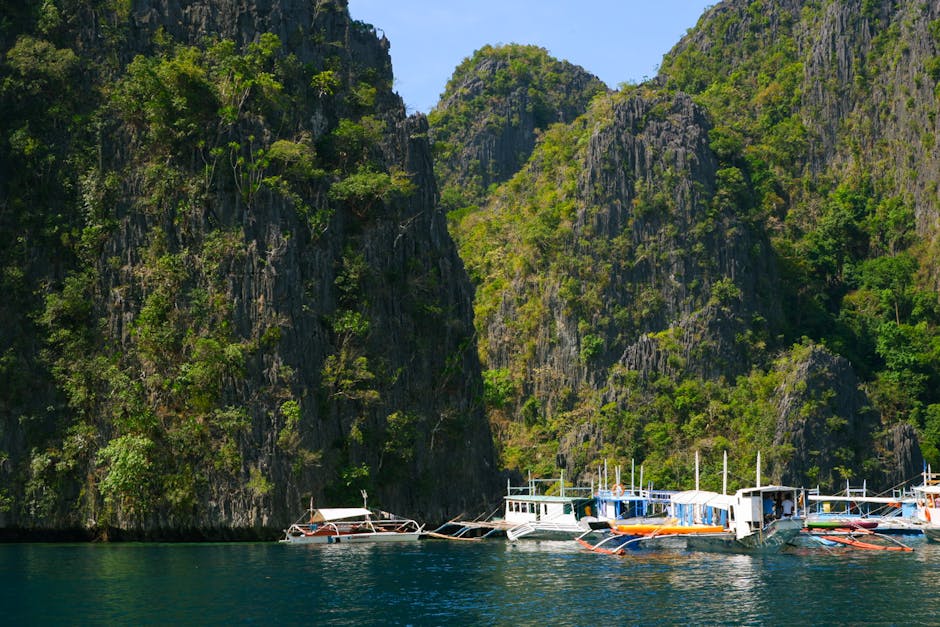
Photo by Darwin Frivaldo on Pexels
Puerto Princesa Subterranean River National Park: Explore this UNESCO World Heritage site by taking a guided boat tour through its stunning underground river, where you’ll marvel at impressive rock formations and diverse wildlife.
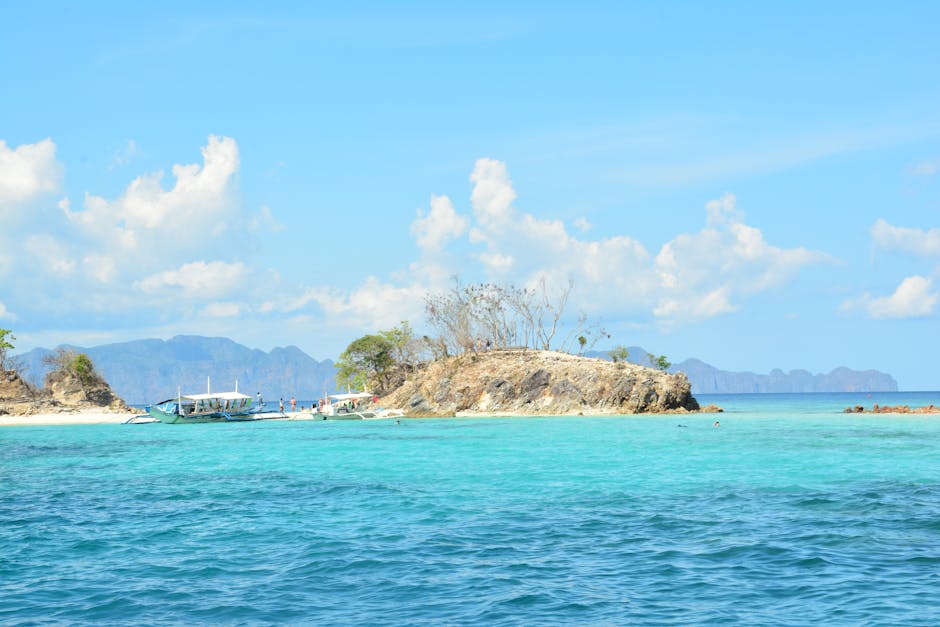
Island Hopping in El Nido: Join a boat tour to discover El Nido’s hidden lagoons, pristine beaches, and snorkeling spots teeming with marine life. Each island offers unique experiences, from the enchanting Small Lagoon to the picture-perfect Shimizu Island.
Kayangan Lake in Coron: Hike up to the viewpoint for a panoramic vista of Kayangan Lake, then take a refreshing dip in its crystal-clear waters. This stunning lake is often considered one of the cleanest in Asia.
Diving in Coron: Dive enthusiasts will love Coron’s world-class wreck diving sites, which include several Japanese shipwrecks from World War II. Explore these underwater treasures and encounter vibrant marine life.
Snorkeling at Malcapuya Island: Spend a day on Malcapuya Island, known for its stunning white sand beaches and vibrant coral reefs. It’s an ideal spot for snorkeling and relaxing under the sun.
Visit the Tubbataha Reefs Natural Park: A UNESCO World Heritage site, Tubbataha is a diver’s paradise. Its remote location means you’ll need to book a liveaboard tour, but the vibrant coral reefs and diverse marine species make it worth the effort.
Explore Port Barton: A lesser-known gem, Port Barton offers a relaxed vibe, beautiful beaches, and opportunities for snorkeling and island hopping. Don’t miss the chance to visit nearby Snake Island for its unique sandbar.
Baker’s Hill: A local attraction in Puerto Princesa, Baker’s Hill is a whimsical park filled with gardens, sculptures, and a bakery famous for its delicious hopia (a local pastry). It’s a great place to unwind and enjoy some treats.
Culinary Tours: Engage your taste buds with a food tour that showcases local cuisine. Experience traditional dishes like fresh seafood, adobo, and kinilaw (raw fish salad) at local eateries and markets.
Cultural Experiences: Immerse yourself in the local culture by visiting indigenous communities or participating in workshops that highlight traditional crafts, music, and dance.
Food and Dining Guide#
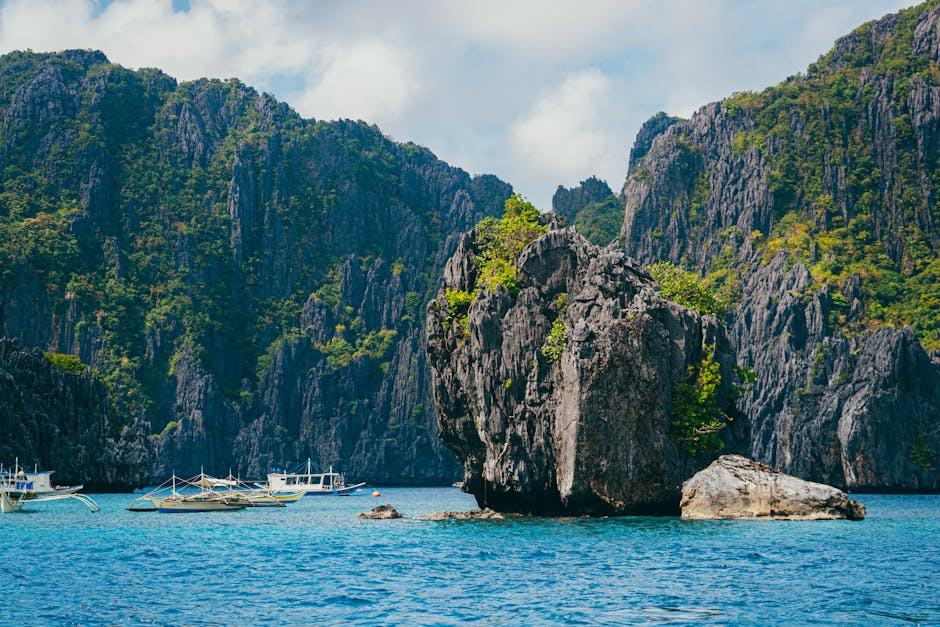
Palawan offers a delectable array of culinary delights that reflect its rich cultural heritage. The local cuisine is heavily influenced by fresh seafood, tropical fruits, and traditional Filipino flavors. Here are some must-try dishes:
Kinilaw: This refreshing dish features raw fish marinated in vinegar and citrus juices, often served with onions, ginger, and chili peppers. It’s a perfect appetizer on a hot day.
Adobo: A classic Filipino dish, adobo consists of meat (usually chicken or pork) marinated in vinegar, soy sauce, garlic, and spices, then slow-cooked to perfection. Each region has its own twist on this beloved dish.
Lechon: Savor the crispy, succulent roasted pig that’s a staple at celebrations. In Palawan, you can find lechon served at various local eateries, making it a must-try for food lovers.
Sinigang: This sour soup, typically made with pork or shrimp, is a comforting dish that showcases the unique flavors of tamarind and local vegetables. It’s perfect for a rainy day.
Seafood BBQ: Enjoy fresh seafood grilled to perfection at beachside restaurants. Choose from a variety of fish, shrimp, and squid, often served with local dipping sauces.
For street food enthusiasts, Palawan offers a variety of snacks like fish balls, kwek-kwek (quail eggs coated in orange batter), and halo-halo, a popular dessert made with shaved ice and mixed ingredients. Whether dining at local restaurants or enjoying street food, Palawan’s culinary scene is sure to delight your taste buds.
Getting Around Palawan#
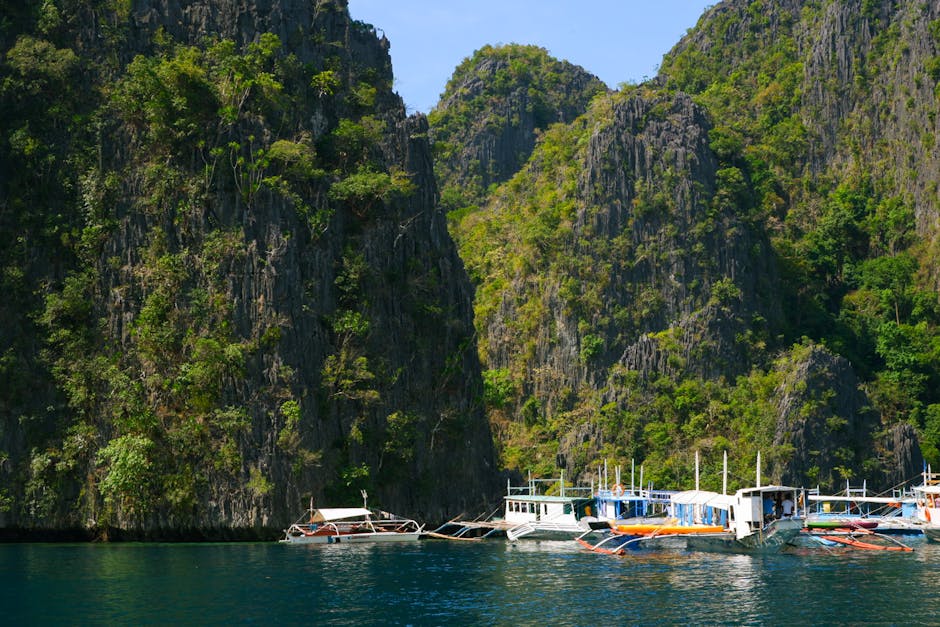
Navigating Palawan is relatively straightforward, but it’s essential to plan your transportation in advance, especially if you’re visiting multiple destinations.
Public Transit: Jeepneys are a popular and inexpensive way to get around Puerto Princesa. These colorful vehicles operate on fixed routes and are a fun way to experience local culture. In El Nido and Coron, tricycles (motorcycle taxis with sidecars) are the primary form of transportation for short distances.
Taxis: Metered taxis are available in Puerto Princesa, but it’s best to confirm the fare before starting your ride. In smaller towns like El Nido and Coron, tricycles are the most common option for short trips.
Walking: Many areas, especially in town centers, are walkable. Take the time to stroll through local markets and shops, where you’ll experience the vibrant atmosphere of Palawan.
Rental Cars: If you prefer more flexibility, consider renting a car, especially if you plan to explore remote areas. Be aware that road conditions can vary, and driving in the Philippines may be different from what you’re used to.
For island hopping, most tours include boat transfers, so be sure to book these in advance to secure your spot on popular excursions.
Budget Breakdown#
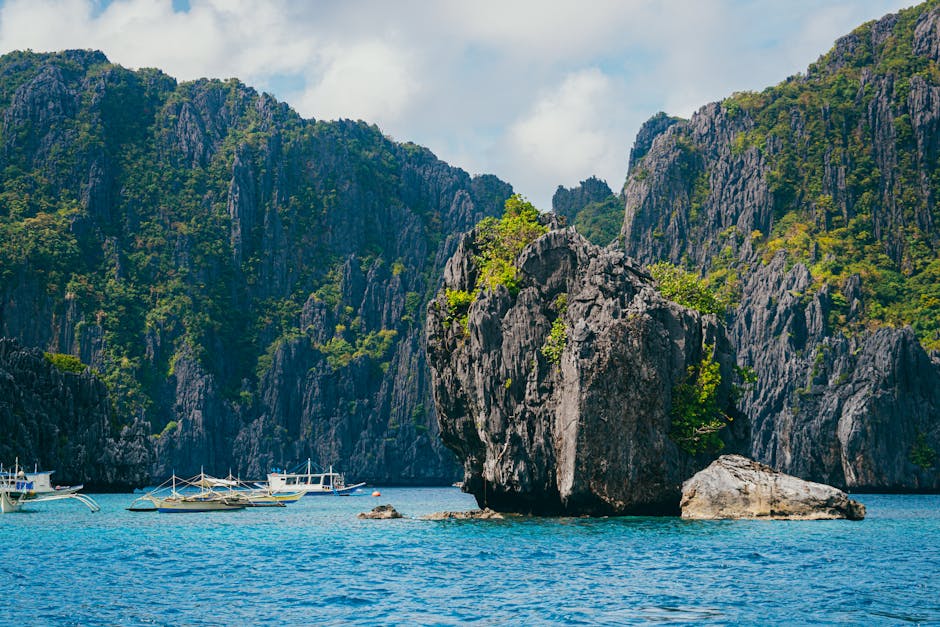
Understanding the cost of travel in Palawan can help you plan your trip more effectively. Here’s a rough daily budget estimate for different types of travelers:
Budget Travelers: Expect to spend around $30-50 per day. This includes accommodations in hostels or budget guesthouses, local meals at street stalls or casual eateries, inexpensive transportation, and a few low-cost activities like hiking or visiting public beaches.
Mid-Range Travelers: A budget of $70-150 per day is reasonable for mid-range travelers. This allows for comfortable accommodations, dining at local restaurants, and participating in popular activities like island hopping tours.
Luxury Travelers: For those seeking a more indulgent experience, expect to spend $200 and up per day. This budget accommodates upscale accommodations, fine dining, private tours, and exclusive experiences like spa treatments or private boat charters.
Keep in mind that prices can vary based on the season, so it’s wise to plan ahead and book early, especially for tours and accommodations during peak travel months.
Travel Tips for Palawan#
Safety First: Palawan is generally safe for tourists, but it’s always wise to exercise caution. Avoid displaying valuables and be mindful of your surroundings, especially in crowded areas.
Tipping: Tipping is appreciated in the Philippines, though not mandatory. A small tip of around 10% at restaurants or for guides is a nice gesture for good service.
Language: While English is widely spoken, especially in tourist areas, learning a few basic Filipino phrases can enhance your experience and help you connect with locals.
SIM Cards: Consider purchasing a local SIM card for your phone to stay connected. This is especially useful for navigation and keeping in touch with fellow travelers.
Avoid Scams: Be wary of overly aggressive vendors or tour operators. Always ask for prices upfront and research activities before booking to avoid surprises.
Respect Local Customs: Be mindful of local customs and traditions. Dress modestly when visiting religious sites and always ask for permission before taking photos of people.
Stay Hydrated and Protect Yourself: The tropical climate can be hot and humid, so drink plenty of water and wear sunscreen. Mosquito repellent is also essential, especially in the evenings.
By keeping these tips in mind, you can ensure a safe and enjoyable trip to the beautiful island of Palawan. If you’re also considering a trip to Hoi An, Vietnam , check out our guide for more travel inspiration.