📌 Disclaimer
Prices, schedules, tour details, flight routes, visa requirements, and all other information on this page are based on data at the time of writing. Fares, availability, and policies may change. Please verify current details on the official website before booking.
Complete Travel Guide to Oslo: Top Attractions, Tips & Itinerary#
The smell of salt air mixes with the scent of roasting coffee and fresh rain as you walk along the harbor. In Oslo , the architecture shifts abruptly from medieval brick to sharp, futuristic angles of white steel, all while the dark green canopy of the surrounding forests looms just a few miles from the city center.
Why Visit Oslo?#
Oslo offers a rare balance of urban sophistication and raw nature. For American travelers, the most striking aspect is the seamless integration of the outdoors into daily life. You can spend your morning in a top-quality art gallery and your afternoon kayaking in the fjord or hiking through the woods without ever needing a rental car. The city feels manageable, safe, and remarkably clean, making it an ideal entry point for those visiting Scandinavia for the first time.
Beyond the scenery, the city is currently undergoing a massive architectural transformation. The waterfront has been redesigned to prioritize pedestrians and cyclists, creating a walkable environment that connects the historic center to the sea. Whether you are interested in the complexities of Nordic history, the minimalism of Scandinavian design, or the quiet peace of a forest trail, the city provides a high quality of life that is real to every visitor.
Best Time to Visit Oslo#

The peak season runs from June through August. During these months, the city experiences the phenomenon of midnight sun, where the light lingers well into the night. This is when the weather is mildest and the outdoor cafes are full, but it is also when crowds are largest and hotel prices reach their peak. If you prefer warmer weather and long days for sightseeing, this is your window.
September and October offer a quieter experience with stunning autumn foliage. The air turns crisp, and the crowds thin out, leading to slightly lower accommodation costs. This transition period is excellent for those who enjoy hiking in the surrounding hills without the summer heat.
Winter, specifically from November to March, is for those who love the cold. While the days are very short and the temperatures often drop below freezing, the city takes on a cozy atmosphere. This is the best time to experience traditional winter activities like skating or skiing. Prices for lodging often dip during the early winter months, though they may spike around the December holidays.
Spring, from March to May, is a period of awakening. You will see the city bloom and the locals rush outside the moment the sun appears. It is a shoulder season with moderate pricing and fewer tourists than the summer rush, though the weather remains unpredictable and often damp.
Where to Stay in Oslo#
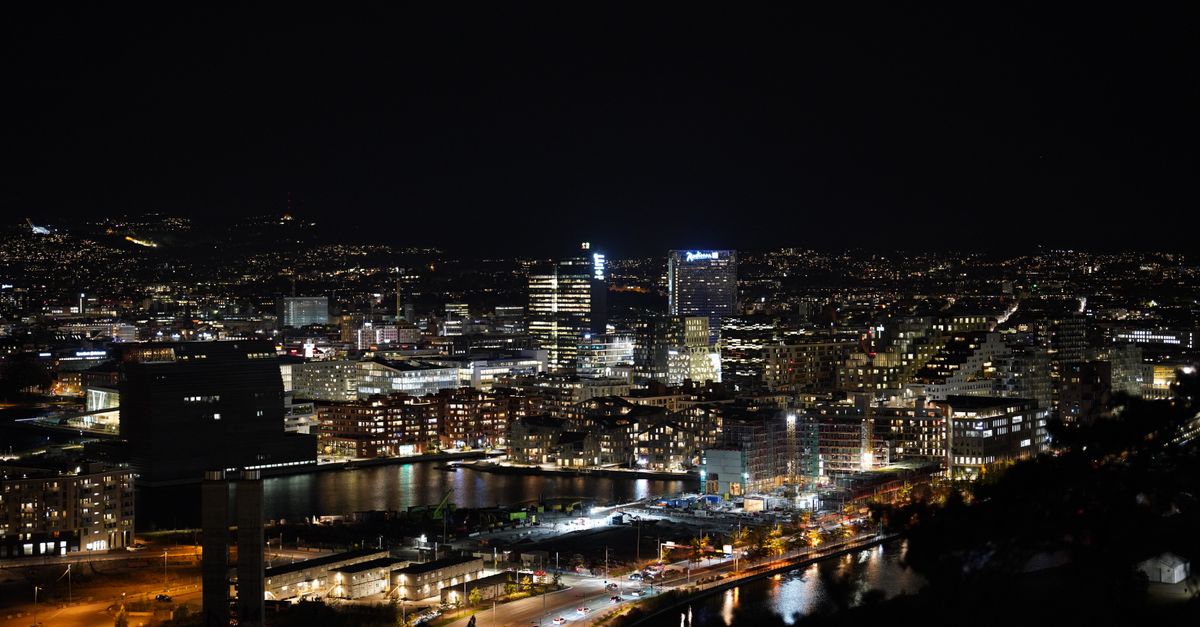
For those who want to be in the center of the action, the city center area is the most convenient. This neighborhood is ideal for first-time visitors who want to walk to the main train station and primary shopping streets. Luxury options here are plentiful, offering high-end amenities and views of the skyline, while mid-range boutiques provide a cozy, professional atmosphere.
If you prefer a more artistic and local feel, the Grünerløkka district is a fantastic choice. This area is known for its independent galleries, street art, and a high density of cafes. You will find more budget-friendly hostels and small guesthouses here, making it a great spot for younger travelers or those who want to avoid the tourist crowds of the downtown core.
For a quieter, more upscale experience, the Frogner neighborhood is highly recommended. This residential area is characterized by elegant 19th-century apartments and wide, leafy streets. It is a prime location for luxury rentals and high-end boutique stays, offering a peaceful retreat while remaining within a short transit ride of the city center.
Those looking for a modern, waterfront experience should look toward the Aker Brygge and Tjuvholmen areas. These districts feature contemporary architecture and immediate access to the harbor. While this area leans toward the luxury and mid-range tiers, the proximity to the water and the high concentration of seafood restaurants make it a desirable home base.
Top Things to Do in Oslo#
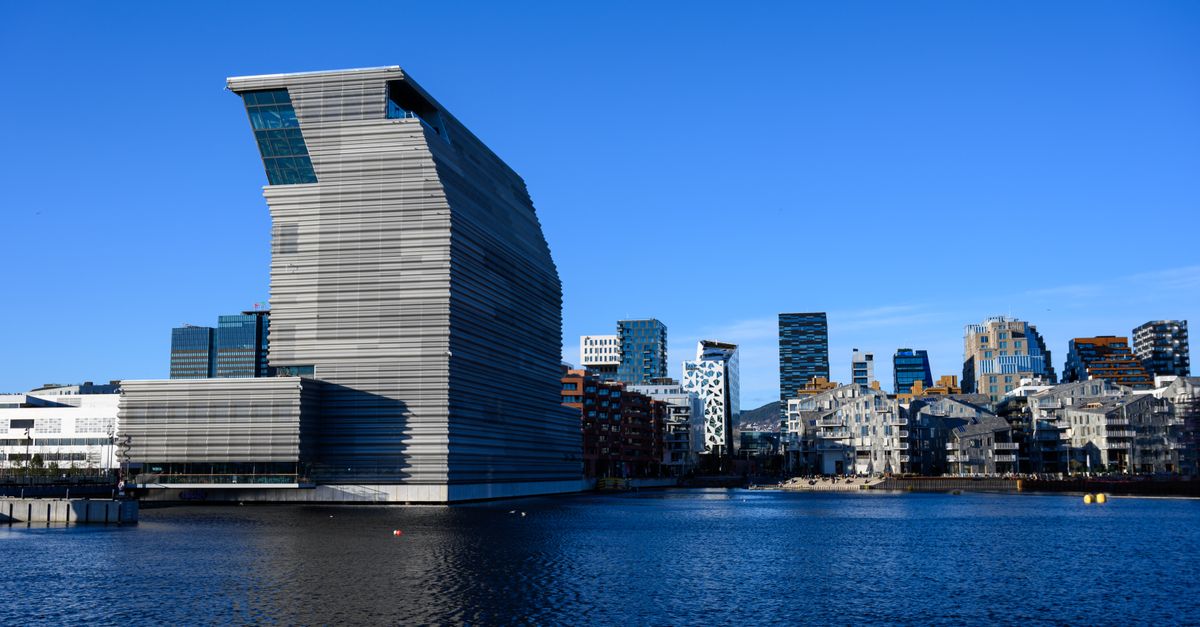
Start your exploration at the Opera House, where the white marble roof slopes directly into the fjord, allowing you to walk on top of the building for a panoramic view of the city. From there, a short walk leads you to the Munch Museum, which houses the world’s largest collection of works by Edvard Munch, including the iconic Scream. The building itself is a striking vertical landmark that dominates the waterfront.
For a dose of history, head to the Viking Ship Museum or the Fram Museum. The latter focuses on polar exploration and allows you to step inside the strongest wooden ship ever built, which survived the crushing ice of the Arctic. If you are interested in the intersection of art and nature, the Vigeland Sculpture Park is a must. This massive public park features over 200 sculptures in bronze, granite, and wrought iron, all created by Gustav Vigeland, depicting the full cycle of human life.
To experience the local way of life, take a trip to the Oslofjord via a public ferry. You can island-hop to see small summer cottages and rocky coastlines, or simply enjoy the breeze. For those who love the outdoors, the Holmenkollen Ski Jump provides a thrilling perspective of the city from a high vantage point and includes a museum dedicated to the history of skiing.
If you have a few hours to spare, wander through the Akershus Fortress, a medieval castle that has protected the city since the 13th century. For a more contemporary vibe, explore the Grünerløkka neighborhood, where you can browse vintage shops and admire the street art. Finally, take a trip to the Botanical Garden to see a wide variety of plant species and enjoy a quiet stroll away from the urban noise.
Food and Dining Guide#
Eating in Oslo is an experience in freshness and simplicity. The city relies heavily on seasonal ingredients and a strong tradition of seafood. A great way to start is by visiting the local food halls, where you can sample various vendors in one place. This is often more affordable than a sit-down restaurant and allows you to try several different things.
One of the most iconic local treats is Brunost, a brown whey cheese with a sweet, caramel-like flavor. It is typically served on waffles or sliced onto rye bread for breakfast. For a hearty meal, try Kjøttkaker, which are traditional Norwegian meatballs served with mashed peas, boiled potatoes, and a rich brown gravy.
Seafood is a cornerstone of the diet here. You cannot leave without trying Laks, or Norwegian salmon, which is often served cured or grilled with fresh herbs. For something more adventurous, Tørrfisk, a type of dried cod, offers a concentrated salty flavor that pairs well with a cold drink.
When it comes to dining styles, street food is becoming increasingly popular. You will find high-quality kiosks selling gourmet hot dogs and wraps near the harbor. However, for a full experience, the seafood restaurants at the waterfront offer the best quality, though they come with a higher price tag. For a mid-range option, look for the small bistros in the residential areas where locals eat.
Getting Around Oslo#
The public transportation system in Oslo is one of the most efficient in the world. It is fully integrated, meaning one ticket works for the metro, trams, buses, and even some ferries. The metro, known as the T-bane, is the fastest way to get across the city and into the surrounding hills. Trams are slower but offer a more scenic route through the city center.
Walking is highly encouraged, as most of the main attractions in the downtown area are close to one another. The city is very pedestrian-friendly, with wide sidewalks and plenty of marked crossings. For longer distances, renting a bicycle is a great option, as there are dedicated bike lanes throughout the city.
Taxis are available and reliable, but they are the most expensive way to travel. They are best reserved for late-night trips or when you have heavy luggage. Rental cars are generally unnecessary within the city limits due to high parking fees and limited space, but they can be useful if you plan to explore the deep fjords further outside the city.
Budget Breakdown#
For budget travelers, expect to spend between $70 and $110 per day. This assumes you are staying in a hostel or a budget guesthouse, eating mostly from grocery stores or street food stalls, and using public transit. Most budget accommodations typically start around $40-70 per night.
Mid-range travelers usually spend between $180 and $300 per day. This budget allows for a private room in a mid-range hotel, a mix of casual cafe meals and one sit-down restaurant dinner per day, and several paid museum entries. Mid-range hotels generally range from $150-250 per night.
Luxury travelers can expect to spend $500 or more per day. This includes high-end hotel suites, fine dining experiences with wine pairings, private guided tours, and frequent use of taxis. Luxury lodging often starts at $350 per night and can go much higher depending on the view and amenities.
Travel Tips for Oslo#
Payment Methods are almost entirely digital. Norway is one of the most cashless societies in the world. You will rarely find a place that requires physical currency, and many shops and cafes do not even accept cash. Ensure you have a credit card with no foreign transaction fees, as this will be your primary tool for every purchase.
Water Quality in Oslo is exceptional. The tap water is clean, safe, and tastes great. Instead of buying bottled water, which is expensive and creates unnecessary waste, carry a reusable bottle and fill it up at any tap or public fountain.
Clothing Choices should be based on the concept of layers. Even in the summer, the weather can shift from sunny to rainy in a matter of minutes. A waterproof outer shell and a light fleece are essential regardless of the season. If you are visiting in winter, wool base layers are a necessity to stay warm during outdoor walks.
Tipping Culture is different here than in the United States . Tipping is not expected in Norway because service charges are included in the price of the meal. While you can leave a small tip for exceptional service at a high-end restaurant, it is not considered rude to simply pay the bill as listed.
Alcohol Pricing is significantly higher than in North America due to high taxes. If you prefer specific drinks, you may find that buying them at the state-run liquor stores is much cheaper than ordering them at a bar or restaurant. Be aware that these stores have limited operating hours.
Public Transit Tickets should be purchased via a mobile app rather than on the vehicle. Buying tickets from a driver is often more expensive or simply not possible on some lines. Downloading the official transit app before you arrive will save you time and money.
📌 Disclaimer
Prices, schedules, tour details, flight routes, visa requirements, and all other information on this page are based on data at the time of writing. Fares, availability, and policies may change. Please verify current details on the official website before booking.
📌 More about Oslo