📌 Disclaimer
Prices, schedules, tour details, flight routes, visa requirements, and all other information on this page are based on data at the time of writing. Fares, availability, and policies may change. Please verify current details on the official website before booking.
Why Visit Odessa?#
The sharp, salty tang of the Black Sea air greets you the moment you step off the train, carrying with it the faint scent of roasting coffee and damp limestone. Odessa occupies a singular space in the consciousness of Eastern Europe , functioning as a Mediterranean-style port city transplanted onto the northern shores of the Black Sea. It is a place defined by its architecture, which mirrors the grandiosity of Paris or Vienna , yet maintains a rebellious, irreverent spirit that is distinctly its own. The city was built on the back of trade, and that history shows in the eclectic mix of Italian, French, and Russian influences that linger in its wide, tree-lined boulevards and ornate courtyards.
Visitors choose this city for its specific pace of life, which favors lingering over long lunches and evening strolls rather than checking items off a frantic itinerary. The local character is defined by a sharp, dry sense of humor and a deep pride in the city’s status as a gateway to the sea. Whether you are walking through the shadows of the neoclassical center or finding a quiet corner in a neighborhood park, the city feels like a grand stage where history and modern life coexist in a state of constant, fluid motion.
Best Time to Visit Odessa#
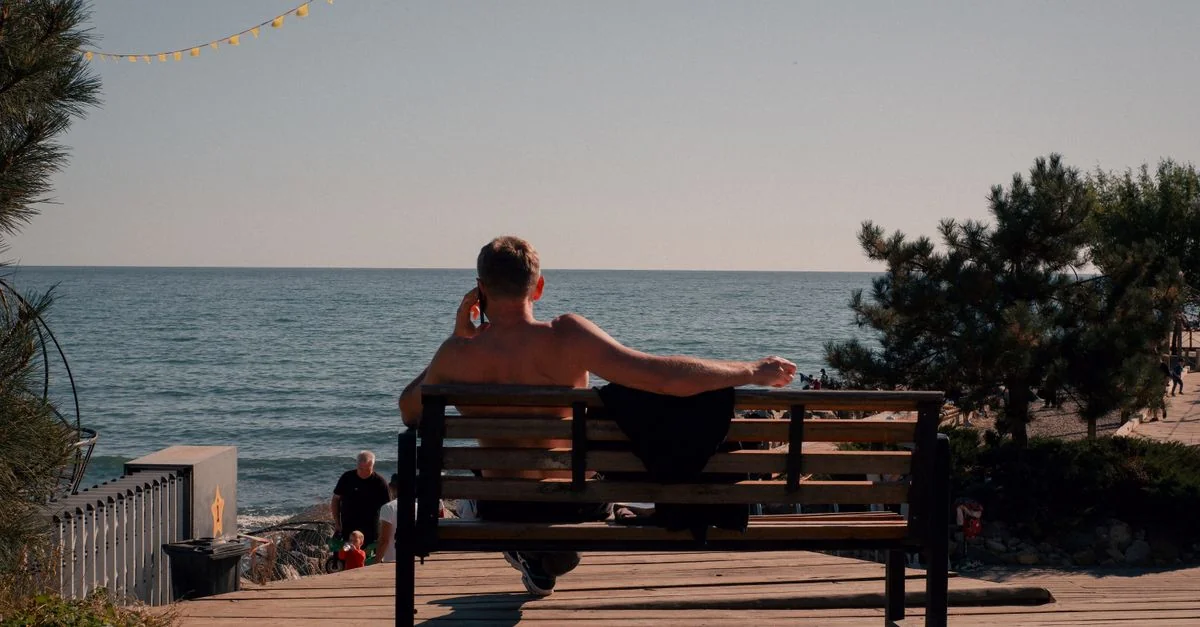
Planning your trip requires balancing the desire for warm beach weather against the reality of seasonal tourism. The months of June, July, and August represent the peak of the season, when the city transforms into a seaside resort. During this time, the temperatures are high, the beaches are crowded with locals and travelers, and the nightlife scene is at its most active. Prices for accommodation reach their highest points during these months, and you will need to book well in advance if you plan to stay near the water.
If you prefer a more temperate experience, the shoulder seasons of May and September offer the most comfortable weather for walking and exploring the city’s architectural sites. In May, the parks are in full bloom and the crowds have yet to arrive, while September carries the warmth of the summer into a quieter, more relaxed atmosphere. Pricing is generally more competitive during these times, and you will find it much easier to secure a table at popular restaurants or a room in a central neighborhood.
The winter months from November through March are significantly colder and quieter. While the city loses its status as a beach destination, it gains a moody, introspective quality that appeals to those who enjoy empty streets and the chance to observe the local lifestyle without the filter of tourism. Prices are at their lowest during this period, though you should be prepared for gray skies and biting winds coming off the water.
Where to Stay in Odessa#
Selecting a neighborhood depends entirely on the type of experience you want. The City Center is the heart of the action, putting you within walking distance of the most significant landmarks, theaters, and grand avenues. Staying here means you are surrounded by history, with mid-range and luxury options housed in restored 19th-century buildings. It is the best choice if you are visiting for the first time and want to be at the center of the architectural and cultural life of the city.
For those who want to be closer to the water, the Lanzheron area is a popular choice. This district bridges the gap between the urban center and the coastline. You will find a mix of mid-range apartments and seaside resorts here, providing easy access to the beach while remaining close enough to the downtown core to reach it via a short taxi ride or a pleasant walk through the park. It is a balanced location that works well for travelers who want to switch between city sightseeing and relaxation.
If you are looking for a more residential and quiet atmosphere, the Arcadia district serves as the primary hub for beach clubs and modern high-rise living. This area is distinctly different from the historic center, offering a more contemporary feel with luxury apartments and high-end amenities. While it can be noisy during the peak summer months due to the proximity of the nightlife, it is an excellent base if your priority is proximity to the sand and the sea.
Top Things to Do in Odessa#
No visit is complete without standing at the top of the Potemkin Stairs. These massive stone steps serve as the symbolic entrance to the city from the sea, and they offer a perfect vantage point to watch the ships moving in the harbor. Once you have descended, you can walk along the Primorsky Boulevard, which is lined with plane trees and offers a sweeping view of the port. It is the social spine of the city, where street performers and locals gather in the evenings.
Art and culture enthusiasts should spend time at the Odessa Opera and Ballet Theater. The building itself is a masterpiece of Baroque architecture, and even if you do not attend a performance, the exterior is a sight to behold. A short walk away, you will find the Deribasivska Street, the main pedestrian artery of the city. This is where you will find the best people-watching, with outdoor cafes spilling onto the pavement and musicians playing in the small, leafy park nearby.
For a glimpse into the darker side of local history, the Odessa Catacombs are essential. This massive network of tunnels stretches for hundreds of miles beneath the city, originally carved for limestone mining and later used by smugglers and partisans. You should only enter these with a guided tour, as the tunnels are complex and easy to get lost in. Back on the surface, the City Garden provides a more relaxing experience, filled with sculptures and fountains that offer a cool retreat on hot afternoons.
If you are interested in the maritime history of the region, the Odessa Port area is worth exploring for its industrial scale and the sheer volume of activity. For a quieter moment, head to the Vorontsov Palace, which sits at the edge of the cliff and offers a unique perspective on the city’s layout. Finally, take a walk through the Palais-Royal, a quiet, enclosed courtyard that feels like a secret garden tucked away from the noise of the main streets, perfect for a slow morning with a book.
Food and Dining Guide#
The food scene here is a reflection of the city’s multi-ethnic roots, blending Ukrainian staples with Mediterranean and Jewish influences. You must try Varenyky, which are traditional dumplings filled with anything from potatoes and mushrooms to cherries. They are a staple in almost every home-style restaurant. Another essential is Borscht, the deep red beet soup that varies slightly in every kitchen but always serves as a hearty, warming meal.
Because of the proximity to the sea, local fish is a major highlight. You will often see Fried Black Sea Goby on menus, a small, crispy fish that is best enjoyed as a snack with a cold drink. For a more substantial meal, look for Forshmak, a classic Jewish-Odessa dish made of minced herring, apples, onions, and eggs, usually spread on warm bread. It is a salty, savory combination that captures the local palate perfectly.
Street food culture is prevalent, especially near the markets and transit hubs. You will find vendors selling Pirozhki, small baked or fried buns stuffed with meat, cabbage, or sweet fillings. These are the ultimate grab-and-go meal for a long day of sightseeing. For a more formal dining experience, the city offers everything from high-end European-style bistros to traditional taverns that serve local wine and spirits. Do not shy away from the smaller, less flashy eateries, as they often serve the most authentic versions of regional dishes.
Getting Around Odessa#
Navigating the city is relatively straightforward, as the central area is highly walkable. Most of the major sites are clustered together, and the grid-like layout of the downtown district makes it easy to orient yourself. For longer distances, the city operates an extensive network of trams and trolleybuses. These are inexpensive and offer a classic way to see the city, though they can be crowded during rush hour. You will need to pay the conductor or driver directly in cash.
Taxis are readily available and are the most convenient way to move between the center and the beach districts. It is best to use a ride-hailing app to ensure transparent pricing and to avoid the confusion of negotiating fares with drivers. These apps allow you to track your route and pay through your phone, which is highly recommended for travelers who do not speak the local language.
Rental cars are generally unnecessary and often a burden in the city center due to limited parking and aggressive traffic patterns. If you plan to explore the surrounding coastline or rural areas, a rental might be useful, but for the city itself, rely on walking, public transit, and ride-hailing services. The city is best experienced at a slower pace, and you will miss much of the charm if you are focused on navigating traffic and finding parking spots.
Budget Breakdown#
Travelers on a budget can manage quite well by staying in hostels or shared apartments outside the immediate city center, eating at local cafes or markets, and utilizing public transit. Your daily costs will remain low, allowing you to prioritize your spending on museum tickets and the occasional nice dinner. This approach is ideal for students or those who prefer a more minimalist travel style.
Mid-range travelers can expect a more comfortable experience, with private rooms in well-located boutique apartments or smaller hotels. This budget allows for daily dining at sit-down restaurants, the use of taxis for most trips, and a full schedule of guided tours. You will find that your money goes quite far here, providing a high level of comfort without the need for extreme austerity.
Luxury travelers will find that the city offers high-end accommodations in restored historical buildings or modern seaside resorts. With this budget, you can enjoy private drivers, fine dining at the top-rated restaurants, and exclusive access to beach clubs and guided tours. Even at the highest tier, the costs remain lower than what you would expect in major Western European capitals, providing excellent value for the level of service and quality you receive.
Travel Tips for Odessa#
Language is something to keep in mind, as while many younger residents and people in the service industry speak English, it is helpful to learn a few basic phrases in Ukrainian. Carrying a translation app on your phone can bridge any gaps, especially when reading menus or asking for directions in less touristy areas. Most locals appreciate the effort when you try to communicate in their language.
Cash remains a frequently used method of payment, particularly in smaller shops, markets, and for public transportation. While credit cards are widely accepted in most restaurants, hotels, and larger stores, you should always keep a supply of local currency on hand for small purchases or emergencies. ATMs are plentiful throughout the city, so you will not have trouble withdrawing funds as needed.
Safety is generally good, but as with any large city, you should remain aware of your surroundings, especially at night or in crowded areas like train stations. Keep your belongings secure and avoid displaying expensive items. The city is generally welcoming, but exercising standard urban caution will ensure your time remains stress-free and pleasant.
Tipping culture is common, with a standard practice being to leave a percentage of the bill at restaurants and cafes. While it is not always mandatory, it is appreciated for good service. If you are satisfied with your meal or your taxi ride, rounding up or leaving a small amount shows your appreciation for the service provided.
Water quality from the tap is generally not recommended for drinking. It is standard practice to buy bottled water or use a filtered water station. You will find these stations throughout the city where you can refill your own bottle for a very low cost, which is both economical and better for the environment.
Walking is the best way to get to know the city, but be aware that the sidewalks in the older parts of town can be uneven. Wear comfortable, sturdy shoes that can handle cobblestones and occasional cracks in the pavement. You will likely walk several miles a day, so prioritizing footwear is a practical necessity for your comfort.
📌 Disclaimer
Prices, schedules, tour details, flight routes, visa requirements, and all other information on this page are based on data at the time of writing. Fares, availability, and policies may change. Please verify current details on the official website before booking.