📌 Disclaimer
Prices, schedules, tour details, flight routes, visa requirements, and all other information on this page are based on data at the time of writing. Fares, availability, and policies may change. Please verify current details on the official website before booking.
Complete Travel Guide to New Delhi: Top Attractions, Tips & Itinerary#
Why Visit New Delhi?#
The air hits you first—a thick, warm blanket carrying the scent of roasted cardamom, exhaust fumes, and dust that has settled over centuries. Standing at the edge of the roundabout near Connaught Place, the sensory overload is immediate and intense. This is not a city you visit to relax; it is a city you visit to feel alive. New Delhi serves as the chaotic heart of modern India , a place where the ancient and the futuristic collide in a spectacular display of color and noise. For the American traveler, it offers a departure from the polished predictability of Western cities, replacing it with a raw, unfiltered energy that lingers long after the flight home.
Beyond the initial shock, the city reveals layers of history that span millennia. It is a rare place where a 16th-century Mughal fortress stands in the shadow of a glass skyscraper, and where political power centers sit alongside sprawling bazaars that have operated for hundreds of years. The diversity of experience here is impressive. You can start your day in a serene garden tomb that inspired the Taj Mahal and end it navigating a maze of narrow lanes filled with the sound of wedding music and the call to prayer. It is a destination that challenges your perceptions and rewards your curiosity with profound moments of human connection.
Best Time to Visit New Delhi#
Timing is everything when planning a trip to the capital, as the weather dictates the rhythm of daily life. The most comfortable window extends from October to March, when the winter months bring mild, sunny days perfect for walking through monuments. During this peak tourist season, the air is crisp, and the humidity drops significantly, making exploration pleasant. October and November see a festive atmosphere with Diwali lights illuminating the city, though this can also mean higher flight prices and larger crowds. December and January are the coolest, with temperatures sometimes dipping near freezing at night, requiring light jackets and woolens.
As spring arrives in February and March, the weather warms up, but the blooming flowers in the city’s many gardens make it a beautiful time to visit before the heat sets in. Avoid the summer months from April to June if possible. During this period, temperatures frequently soar above 100°F, making outdoor activities exhausting and potentially dangerous due to the extreme dry heat. The monsoon season follows from July to September, offering relief from the scorching sun but bringing high humidity and torrential downpours that can flood streets and disrupt travel plans. While hotel rates are at their lowest during these off-peak months, the challenging weather conditions often outweigh the savings.
Where to Stay in New Delhi#
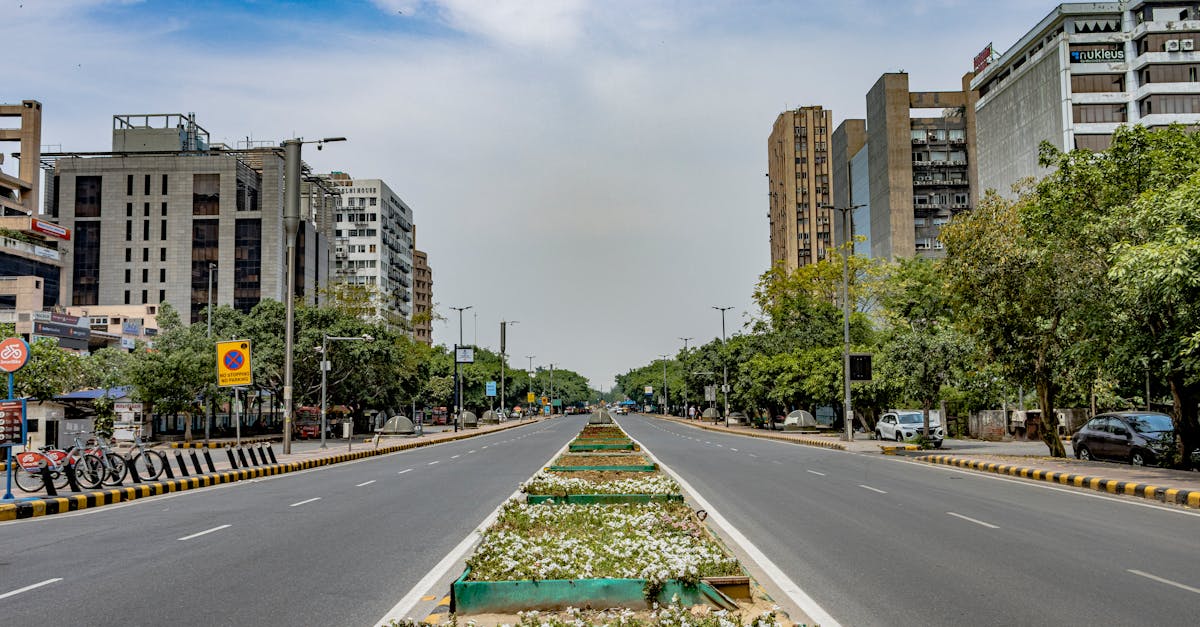
Choosing the right base of operations is crucial for navigating the city’s sprawl. For first-time visitors, the area around Connaught Place is often the most convenient choice. This central business district features the iconic Georgian-style circular market and serves as a major hub for the metro system. Here, travelers have access to a wide range of accommodation options, from colonial-era hotels that whisper of the British Raj to modern, high-rise business hotels. The convenience of being within walking distance of major transport links cannot be overstated, though the area can be noisy and crowded.
Those seeking a more bohemian vibe might prefer South Delhi , specifically neighborhoods like Hauz Khas or Green Park. This part of the city feels greener and more upscale, with trendy cafes, boutique shops, and a slower pace of life. Luxury travelers often gravitate toward the diplomatic enclave of Chanakyapuri, where wide, tree-lined avenues offer a quiet escape from the urban din. The accommodations here tend to be high-end properties with extensive grounds and top-tier amenities. Budget travelers often head to Paharganj, located near the New Delhi Railway Station. While chaotic and gritty, this area is packed with guesthouses and hostels catering to backpackers, offering rock-bottom prices and easy connections to transport hubs, albeit with lower comfort standards.
Top Things to Do in New Delhi#
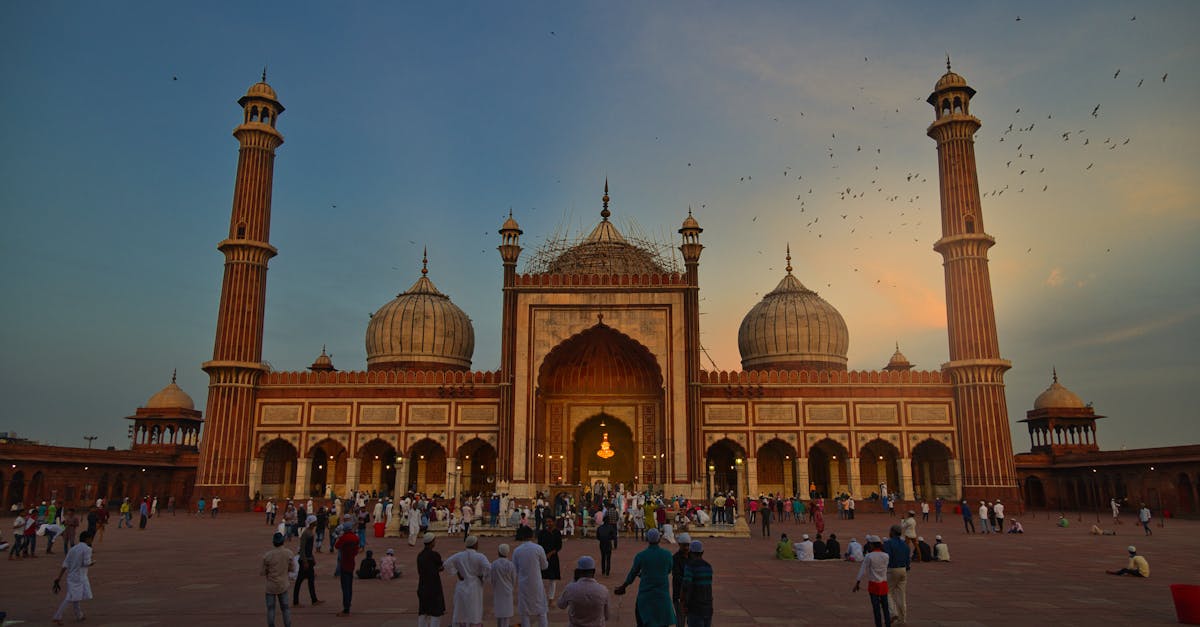
Stepping into the Red Fort feels like entering a different era. This massive sandstone fortress once housed the Mughal emperors and remains a powerful symbol of India’s sovereignty. Walking through the Lahore Gate, you leave the noise of the city behind and enter a complex of palaces and museums that showcase the opulence of the past. The intricate marble carvings and the flow of the Yamuna River nearby provide a stark contrast to the busy streets outside. A short auto-rickshaw ride away stands the Jama Masjid, one of India’s largest mosques. Climbing the southern minaret offers a panoramic view of Old Delhi’s rooftops, a sea of domes and narrow alleys where life spills out into the open.
For a moment of quiet reflection, the Humayun’s Tomb is unparalleled. Often considered a prototype for the Taj Mahal, this UNESCO World Heritage site features a stunning charbagh garden layout and a dome that captures the changing light of the day. It is far less crowded than other major landmarks, allowing for peaceful contemplation. Similarly, the Lotus Temple, shaped like a blooming flower, welcomes people of all faiths to meditate in its silent hall. The architecture is modernist and striking, offering a visual break from the red sandstone that dominates much of the city’s historical landscape.
No visit is complete without experiencing the organized chaos of Chandni Chowk. This market is the artery of Old Delhi, selling everything from wedding lehengas to spices and electronics. Navigating the narrow lanes on a cycle rickshaw is an adventure in itself, requiring you to dodge pedestrians, goats, and carts. Nearby, the Raj Ghat memorial marks the spot where Mahatma Gandhi was cremated. The simple black marble platform surrounded by gardens provides a somber, grounding experience amidst the city’s frantic energy.
For a taste of royal Delhi, a visit to the Qutub Minar complex is essential. The tallest brick minaret in the world stands surrounded by ruins of ancient temples and forts, showcasing the early architectural heritage of the Islamic period in India. As evening falls, the Agrasen ki Baoli offers a mysterious atmosphere. This ancient stepwell, tucked away amidst modern high-rises, features a series of 103 steps leading down to water. The architecture is hauntingly beautiful, especially when the light fades and the stone steps echo with the sounds of the city above.
Food and Dining Guide#
Delhi is often cited as the food capital of India, and for good reason. The cuisine here is a blend of Mughlai traditions, Punjabi robustness, and street food innovations that will redefine your understanding of flavor. To truly understand the city, you must eat the street food. The undisputed king of the roadside snack is Chole Bhature. This dish consists of fluffy, deep-fried bread served with a spicy, tangy chickpea curry. It is heavy, filling, and incredibly satisfying, typically eaten for breakfast or lunch. Another staple is Paratha, a flaky, unleavened bread stuffed with potatoes, cauliflower, or paneer. In the narrow lanes of the Paranthe Wali Gali, these have been fried to perfection for generations.
For those willing to venture into spicier territory, Golgappa—also known as Pani Puri—is an essential experience. These are crispy hollow puris filled with a mixture of flavored water, tamarind chutney, chili, chaat masala, potato, onion, and chickpeas. The trick is to eat the entire sphere in one bite to prevent the spiced water from spilling down your shirt. It is an explosion of sweet, sour, spicy, and savory flavors. If you prefer something creamy, try Dahi Bhalla, which are soft lentil dumplings soaked in yogurt and topped with sweet and spicy chutneys. It offers a cooling respite from the heat.
While street food is exhilarating, dining in the city’s established restaurants offers a different level of refinement. Mughlai cuisine is a highlight, featuring rich gravies and tandoor-cooked meats. Butter Chicken is perhaps the most famous export, featuring tender chicken cooked in a tomato-based gravy enriched with butter and cream. It is best enjoyed with Naan, a leavened oven-baked bread. For dessert, do not miss Jalebi. These are bright orange, pretzel-shaped sweets made by deep-frying batter and soaking it in sugar syrup. They are best eaten hot and fresh, offering a sticky, sweet crunch that perfectly caps off a spicy meal.
Getting Around New Delhi#
Navigating the capital requires a mix of patience and strategy. The Delhi Metro is the crown jewel of the city’s infrastructure. It is clean, air-conditioned, efficient, and incredibly cheap, connecting almost all major tourist hubs. For American travelers used to chaotic public transit, the metro will be a pleasant surprise. Women-only cars offer an extra layer of comfort during rush hours. However, trains can be extremely crowded during commuting hours, so plan your travel times accordingly to avoid being pressed into a crowd of strangers.
Taxis and ride-sharing apps are ubiquitous and generally the most convenient option for point-to-point travel. Apps like Uber and Ola operate extensively throughout the city, providing air-conditioned cars and transparent pricing. This eliminates the need to negotiate with drivers, a skill that can be exhausting for newcomers. Auto-rickshaws are another iconic mode of transport. They are open-sided three-wheelers that can weave through traffic faster than cars. While they are cheap, it is essential to insist that the driver use the meter or agree on a price before the journey begins to avoid being overcharged.
Walking is feasible in specific areas, such as around Connaught Place or within the grounds of large monuments, but the sidewalks in many residential and commercial areas are uneven or nonexistent. Traffic is aggressive, and crossing the road can be a daunting task for those used to strict pedestrian right-of-way laws. Rental cars are strongly discouraged for tourists. The driving style is aggressive, the traffic rules are fluid, and the sheer density of vehicles makes self-driving a high-stress experience. It is far better to hire a local driver for the day if you plan to visit multiple sites in a row.
Budget Breakdown#
Traveling in Delhi can be incredibly affordable, though the costs can scale up quickly depending on your comfort level. For budget travelers, it is possible to get by on roughly $25 to $40 per day. This assumes staying in a basic guesthouse or hostel, eating exclusively at street food stalls and local cafes, and using the metro or buses for transport. Entry fees to monuments are relatively low for foreign tourists, usually ranging from $5 to $15 per site, which fits easily into this budget. The main expense here will likely be bottled water and occasional taxi rides when the metro is too far.
Mid-range travelers should expect to spend between $75 and $150 per day. This budget allows for stays at 3 or 4-star hotels, often including breakfast. Dining will shift toward air-conditioned restaurants and cafes, with perhaps one fine-dining experience included. Transportation costs will rise with the frequent use of ride-sharing apps rather than the metro, and this budget allows for hiring a private guide for a day to gain deeper historical context at the major sights. Comfort and convenience are the primary upgrades in this tier.
Luxury travelers will find their daily expenses starting around $250 and going up significantly from there. This tier includes stays at top-tier heritage hotels, which are destinations in themselves, offering spas and high-end dining. Transportation would typically involve a private chauffeur for the duration of the trip. Fine dining at the city’s acclaimed restaurants, shopping in high-end boutiques, and exclusive cultural experiences are all within reach. At this level, the focus is on insulation from the city’s chaos while still enjoying its cultural riches.
Travel Tips for New Delhi#
Visa requirements must be handled well in advance of your departure. American citizens need a visa to enter India, and while an e-Visa is available for tourism, it requires an online application that should be submitted at least four days before travel. Ensure your passport has at least six months of validity remaining from the date of your arrival. Keep a physical copy of your e-Visa approval with you, as immigration officers may ask for it upon landing.
Staying healthy requires vigilance regarding food and water. The tap water is not potable, so strictly use bottled water for drinking and even brushing your teeth. When it comes to food, follow the golden rule: peel it, boil it, cook it, or forget it. Avoid raw salads and cut fruits from street vendors unless you can peel them yourself. Stick to busy stalls where the turnover of food is high, ensuring the ingredients are fresh. It is also wise to carry a small hand sanitizer and use it frequently, especially before meals.
Dressing appropriately is important, particularly when visiting religious sites. Both men and women should ensure their shoulders and knees are covered. When entering mosques, temples, or gurdwaras, you will often be required to remove your shoes, so wear slip-on shoes or sandals that are easy to take off and put back on. Carrying a lightweight scarf or shawl is a smart idea for women, as it can be used to cover the head when required in religious spaces.
Bargaining is an expected part of the shopping experience in markets. Whether you are buying souvenirs, clothes, or handicrafts, the first price quoted is usually inflated, sometimes significantly. The key is to negotiate politely but firmly. Start by countering with a price significantly lower than what you are willing to pay, and work your way up. If the vendor won’t budge, walking away is a powerful tactic that often results in them calling you back with a better offer.
Safety and scams are unfortunate realities in a major tourist hub. Be wary of overly friendly strangers who approach you with vague stories or offers to take you to a “special” shop or a government tourist office. These are often scams to overcharge you or sell you inferior goods. Keep your valuables secure and be mindful of your surroundings, particularly in crowded markets. Female travelers should exercise caution when traveling alone at night and should consider using pre-booked taxis rather than hailing cabs on the street after dark.
📌 Disclaimer
Prices, schedules, tour details, flight routes, visa requirements, and all other information on this page are based on data at the time of writing. Fares, availability, and policies may change. Please verify current details on the official website before booking.
📌 More about New Delhi