📌 Disclaimer
Prices, schedules, tour details, flight routes, visa requirements, and all other information on this page are based on data at the time of writing. Fares, availability, and policies may change. Please verify current details on the official website before booking.
Complete Travel Guide to Natal: Top Attractions, Tips & Itinerary#
The smell of salt air mixes with the scent of roasting cashew nuts along the shoreline, where the wind almost always blows from the east. Natal is often called the “City of the Sun,” and for good reason. The light here has a specific quality, casting a bright, sharp glow over the white sands and the deep green of the surrounding Atlantic forest. For an American traveler, it offers a side of Brazil that feels less chaotic than Rio de Janeiro but more authentic than the high-rise resorts of the south.
Why Visit Natal?#
Natal serves as the perfect gateway to the Northeast of Brazil, blending a laid-back beach atmosphere with a surprising amount of history. While many visitors come for the coastline, the city’s identity is shaped by its geography. It is one of the closest points in the Americas to Africa, a fact that historically made it a strategic military hub during World War II. This intersection of military history and natural beauty creates a travel experience that balances relaxation with genuine curiosity.
The appeal lies in the diversity of the landscape. You can spend one morning riding a four-wheel-drive vehicle across massive sand dunes and the next afternoon exploring a colonial fort. The pace of life is slower here, allowing you to actually experience the local rhythm without feeling rushed through a checklist of tourist traps. It is a place where the ocean is the main character, and the city is designed to celebrate the water.
Best Time to Visit Natal#
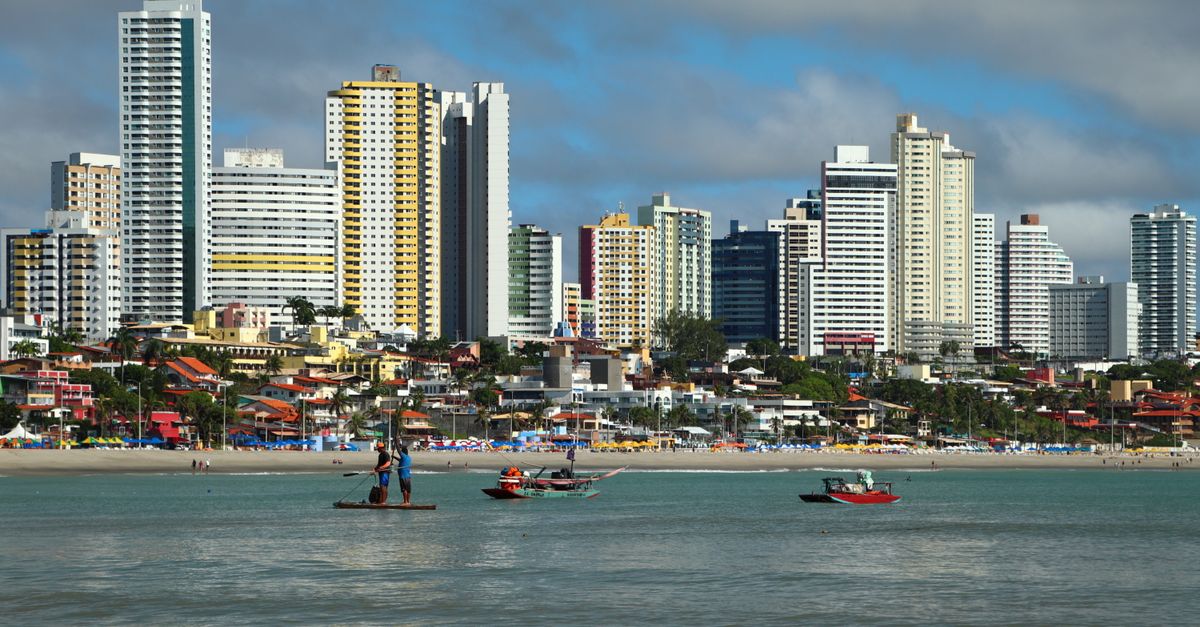
The weather in Natal remains warm year-round, but the nuances of the seasons matter for your planning. The dry season runs from September to March. This is the peak window for visitors, as the skies stay blue and the rain is minimal. December and January are the busiest months, coinciding with the Brazilian summer holidays. During this time, you will find higher hotel prices and more crowds on the beaches, but the atmosphere is festive and energetic.
The rainy season occurs from April to August. While it rarely rains all day, you should expect heavy tropical showers that can disrupt outdoor plans. However, this period offers a significant advantage for budget-conscious travelers. Hotel rates often drop, and popular attractions are far less crowded. If you visit in May or June, the landscape is an intense, lush green that you won’t see during the drier months. For the best balance of weather and cost, aim for October or November, when the rains have stopped but the peak summer rush hasn’t yet arrived.
Where to Stay in Natal#
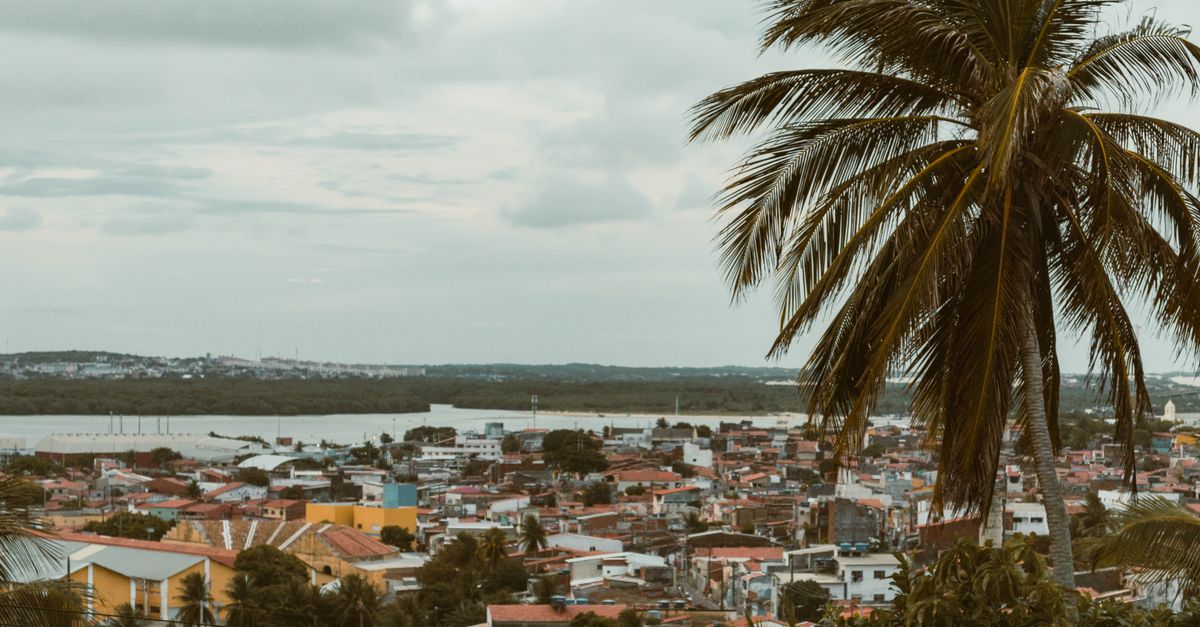
Ponta Negra is the most popular choice for visitors and is ideal for those who want everything within walking distance. This area is home to the city’s most famous landmark and offers a high density of mid-range hotels and boutique guesthouses. It is the heart of the tourist scene, meaning you will find plenty of English speakers and a high concentration of restaurants and bars.
For those seeking a more upscale experience, the Via Costeira strip is the place to be. This long stretch of road connects the main city to the beach and is lined with luxury resorts. These properties usually offer all-inclusive options and private beach access, making it a great choice for families or couples who prefer to stay on-property. While it is quieter and more secluded, you will need a taxi or rental car to explore the rest of the city.
If you prefer a more local, budget-friendly vibe, look toward the Cidade Alta neighborhood. This is the historic center where you will find smaller hostels and traditional inns. While it lacks the beach frontage of other areas, it puts you closer to the museums and government buildings. It is a practical base for travelers who spend more time exploring the city’s interior than lounging on the sand.
Top Things to Do in Natal#
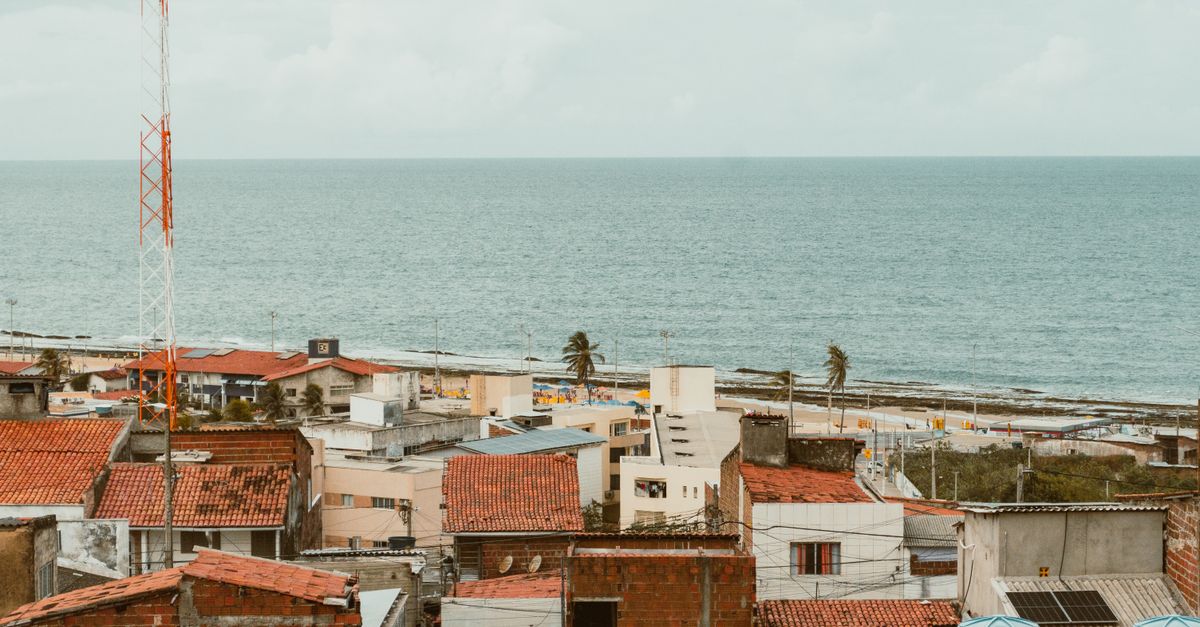
The most iconic sight in the city is the Ponta Negra beach, characterized by the massive Morro do Careca, a towering sand dune that looks like a bald head from a distance. Walking along the shoreline here is a daily ritual for locals and visitors alike. Just a short trip from the city center, the Genipabu Dunes offer a different kind of thrill. Hiring a buggy driver to navigate these slopes is a must, as they can take you through the shifting sands to see the local salt flats and the small fishing villages that dot the coast.
For a bit of history, the Fortaleza dos Reis Magos is an essential stop. This star-shaped fortress was built in the late 16th century to protect the coast from foreign invaders. Walking through its stone corridors provides a sense of the colonial struggle for the territory. Nearby, the Centro de Turismo is a repurposed old prison that now houses local handicrafts and art, offering a glimpse into the regional creativity of the Northeast.
Nature lovers should head to the Parque das Dunas, a protected area of Atlantic forest that provides a cooling break from the sun. It is one of the largest urban parks in Brazil and offers several hiking trails through the native scrubland. If you have a full day, venture slightly outside the city to the Maior Cajueiro do Mundo, the world’s largest cashew tree. The tree has grown horizontally over centuries, creating a massive canopy that feels like a forest of its own.
For those who enjoy the water, the Parrachos de Maracajaú are natural reefs located a short boat ride from the shore. The water is shallow and clear, making it an ideal spot for snorkeling to see colorful fish and sea turtles. Another great aquatic experience is the Lagoa do Carcará, where you can swim in fresh water and enjoy a meal of grilled fish right on the bank. Finally, a visit to the Mercado de Ponta Negra allows you to pick up local spices and handmade lace while chatting with the vendors.
Food and Dining Guide#
Eating in Natal is an exercise in tasting the land and sea. The local diet relies heavily on fresh seafood and regional fruits. One of the most iconic dishes you will encounter is Baião de Dois, a hearty mixture of rice, black-eyed peas, and salty dried meat, often topped with melted cheese. It is the ultimate comfort food of the Northeast. For something lighter, try Moqueca, a slow-cooked fish stew made with coconut milk, palm oil, and peppers, served in a traditional clay pot.
If you are exploring the street food scene, look for vendors selling Tapioca. These are crepes made from cassava starch, folded over fillings like condensed milk and coconut or savory options like cheese and ham. You will also find plenty of Acarajé, deep-fried bean cakes filled with shrimp and vatapa, a creamy paste made from bread and nuts. For a refreshing drink, order a Caipirinha made with local cachaça, but also try the fresh cashew juices that are ubiquitous throughout the city.
Dining options range from high-end seafood restaurants along the Via Costeira to simple “quilo” restaurants in the city center. In a quilo restaurant, you pay by the weight of the food you pile onto your plate, which is a great way to sample several different Brazilian sides in one meal. For the most authentic experience, seek out the small kiosks on the beach in Ponta Negra, where you can eat grilled shrimp while watching the sunset.
Getting Around Natal#
The most convenient way to navigate Natal is by using ride-sharing apps, which are widely available and generally safer and more transparent in pricing than hailing a random cab on the street. Taxis are plentiful, especially near the hotels and the airport, but always ensure the meter is running or agree on a price before the car starts moving.
For those who want more independence, renting a car is a viable option. The roads within the city are manageable, though traffic can get heavy during the afternoon rush. A rental car is particularly useful if you plan to visit the larger cashew tree or the reefs of Maracajaú on your own schedule. However, be mindful of parking in the busier parts of Ponta Negra.
Public buses are the most affordable method, and they cover most of the city. While the system is extensive, it can be confusing for non-Portuguese speakers. If you choose the bus, it is helpful to have a local or your hotel concierge write down the route number you need. Walking is a great way to see the Ponta Negra waterfront, but because of the heat and the distance between major districts, it is rarely a primary mode of transport for the whole city.
Budget Breakdown#
For a budget traveler, expect to spend around $40-60 per day. This typically includes a bed in a shared hostel dorm, eating at quilo restaurants or street stalls, and using public buses or walking. Activities at this level focus on free beaches and low-cost museum entries.
A mid-range traveler will likely spend between $100-180 per day. This budget covers a private room in a guesthouse or a mid-tier hotel, a mix of sit-down restaurants and casual cafes, and the use of ride-sharing apps. This also allows for a few guided excursions, such as the buggy ride to the dunes.
Luxury travelers can expect to spend $300 or more per day. This includes staying at a high-end resort on the Via Costeira, dining at the city’s top seafood establishments, and hiring private drivers for customized tours of the region. High-end experiences often include private boat charters to the reefs and premium spa services.
Travel Tips for Natal#
Sun Protection is non-negotiable in this city. The sun is incredibly strong, and the breeze often masks how quickly you are burning. Use a high-SPF sunscreen and wear a wide-brimmed hat, especially when visiting the dunes or the reefs.
Cash and Cards are both widely accepted in hotels and larger restaurants, but small vendors and beach kiosks often only take cash. It is wise to carry small denominations of Brazilian Reais for tips, snacks, and handicrafts.
Language Barriers can be an issue outside of the main tourist hotels. While many people in the service industry speak some English, knowing a few basic Portuguese phrases will go a long way. Locals appreciate the effort, and it often makes navigating the markets much easier.
Safety Awareness is important, as with any major city. Avoid walking alone in deserted areas at night and keep your valuables in a secure bag. While Natal is generally safe for tourists, using common sense and avoiding flashy jewelry in crowded areas is the best approach.
Hydration is key to surviving the heat. Stick to bottled water rather than tap water to avoid stomach issues. You will find chilled water and coconut water sold everywhere on the beach, which helps replenish electrolytes after a day in the sun.
Bug Repellent is necessary if you plan on visiting the Parque das Dunas or any of the forested areas. The mosquitoes can be persistent, especially in the early morning and late afternoon, so a strong repellent is a practical addition to your packing list.
📌 Disclaimer
Prices, schedules, tour details, flight routes, visa requirements, and all other information on this page are based on data at the time of writing. Fares, availability, and policies may change. Please verify current details on the official website before booking.
📌 More about Natal