📌 Disclaimer
Prices, schedules, tour details, flight routes, visa requirements, and all other information on this page are based on data at the time of writing. Fares, availability, and policies may change. Please verify current details on the official website before booking.
Why Visit Nassau?#
📌 More about Nassau
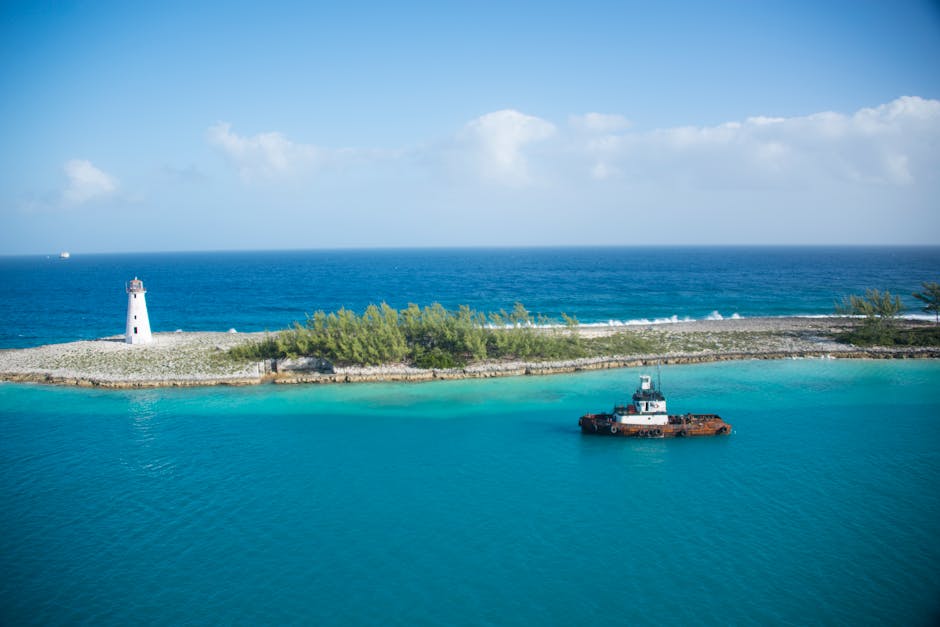
The sound of waves crashing against the shore mingles with the laughter of children playing in the sand, creating a symphony that is uniquely Bahamian. Nassau, the capital city of the Bahamas , offers an inviting blend of sun-soaked beaches, long history, and a warm, welcoming atmosphere. This island destination is a gateway to the stunning turquoise waters of the Caribbean and provides a unique backdrop for both relaxation and adventure. The charm of Nassau lies not only in its natural beauty but also in its lively local culture, where every corner tells a story and every meal is a celebration.
As you stroll through the streets of Nassau, the colorful colonial architecture and the scent of sea salt in the air beckon you to explore further. From the historic sites that narrate the tales of pirates and colonialism to the lively markets filled with local crafts and fresh produce, Nassau invites visitors to engage with its past while enjoying the present. Whether you’re lounging on the beach, savoring local dishes, or discovering the island’s history, Nassau promises to deliver experiences that resonate long after your departure.
Best Time to Visit Nassau#
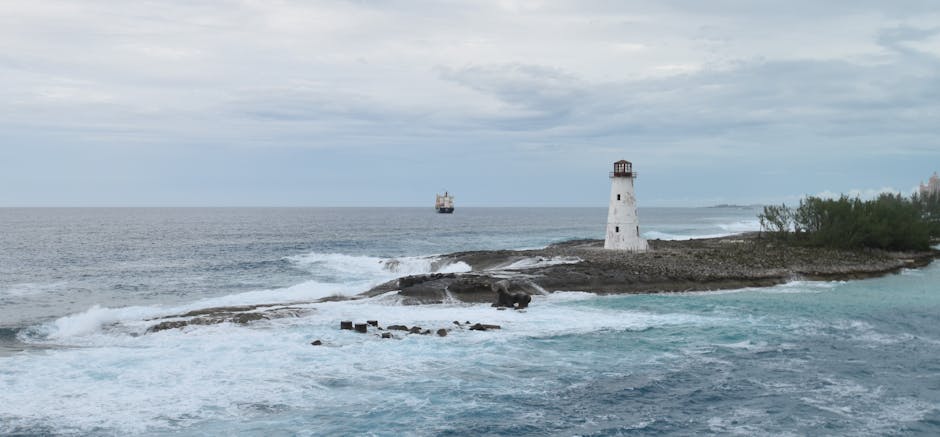
Nassau enjoys a tropical climate, making it a year-round destination. However, the best time to experience everything the island has to offer is during the winter months, particularly from December to April. At this time, the weather is pleasantly warm, with average temperatures ranging from the mid-70s to low 80s Fahrenheit, and the humidity is lower, making outdoor activities more enjoyable. This peak season also attracts larger crowds, especially around holidays, so expect higher prices for accommodations and flights during this period.
The shoulder seasons, which include late spring (May to June) and early fall (September to November), can be an excellent time to visit as well. During these months, the weather remains warm, but the crowds thin out, allowing for a more relaxed experience. Prices for hotels and flights may also be more budget-friendly during these times. However, it’s important to note that hurricane season runs from June to November, with the highest risk typically in September, so keep that in mind when planning your trip.
Where to Stay in Nassau#
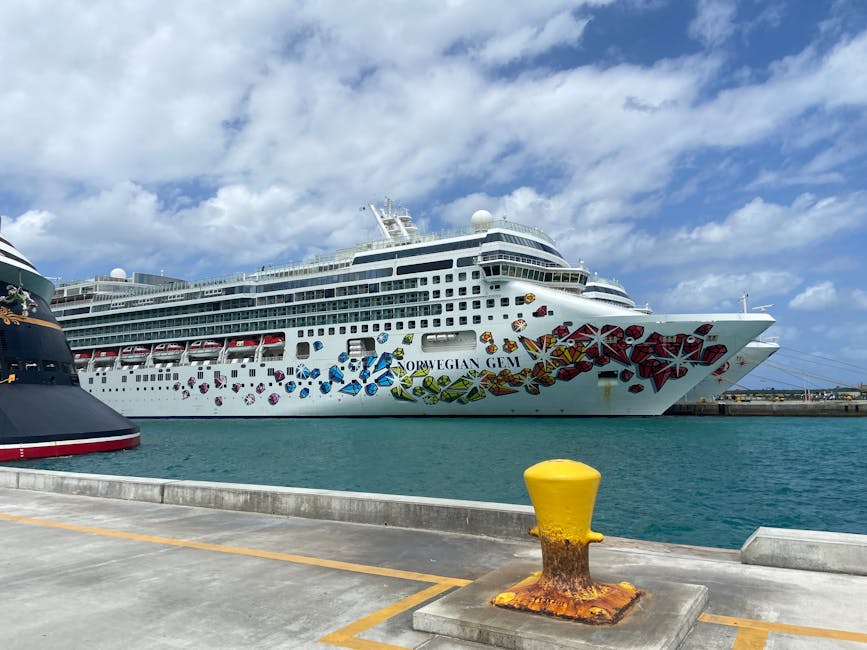
Finding the right neighborhood in Nassau can enhance your travel experience significantly. If you’re looking for a budget-friendly option, consider staying near Downtown Nassau. This area offers affordable guesthouses and hostels, putting you in close proximity to local attractions, markets, and eateries. It’s an excellent base for exploring the historic sites and enjoying the local culture without breaking the bank.
For travelers seeking a mid-range experience, Cable Beach is an appealing choice. This area is known for its beautiful stretches of sand and a variety of resorts that cater to families and couples alike. Here, you’ll find a range of dining options and easy access to water sports, making it ideal for those who want both relaxation and activity.
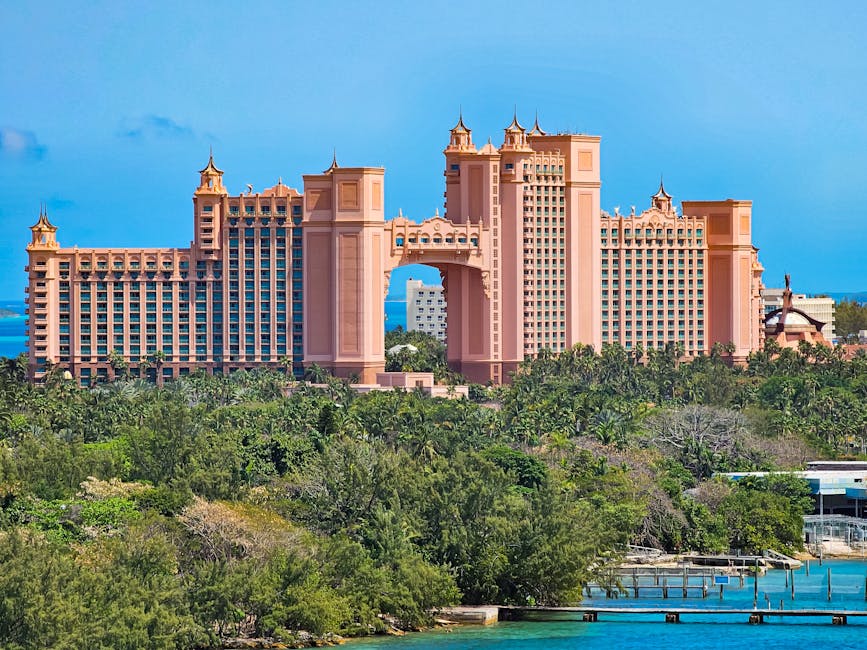
If luxury is what you desire, Paradise Island is the place to be. This upscale destination is home to some of the most luxurious resorts in the Bahamas, complete with stunning ocean views, top-quality amenities, and private beaches. Staying here provides a sense of exclusivity and comfort, along with access to high-end dining and entertainment options.
Top Things to Do in Nassau#
Exploring Nassau offers a mix of historical landmarks and natural beauty. Begin your journey at The Queen’s Staircase, an impressive 66-step staircase carved from solid limestone by enslaved Africans in the late 18th century. This site not only serves as a tribute to their hard work but also provides a scenic backdrop for photographs. Just a short walk away, you’ll find Fort Fincastle, which offers panoramic views of the city and harbor. The fort, built in 1793, provides insight into Nassau’s colonial past and its strategic importance in the Caribbean.
For a taste of local culture, visit The National Art Gallery of The Bahamas. Housed in a beautifully restored mansion, this gallery showcases Bahamian art from the pre-Columbian era to contemporary works. It’s an excellent place to appreciate the island’s artistic expression and gain a deeper understanding of its history. Afterward, head to the Pirates Museum, where interactive exhibits and artifacts bring to life the tales of pirates who once roamed these waters.
While Nassau is known for its stunning beaches, don’t miss a visit to Cable Beach, where you can unwind on the soft sand or take part in various water sports. The beach is ideal for sunbathing, swimming, and enjoying lively beach bars that serve refreshing cocktails. For those looking to escape the city, a day trip to Blue Lagoon Island is worth considering. This private island is a short ferry ride away and offers pristine beaches, swimming with dolphins, and a serene environment for relaxation.
If you’re interested in local history, a visit to The Cloisters on Paradise Island is a must. This beautiful structure features remnants of a 12th-century French monastery, providing a unique glimpse into the architecture and history of the region. The gardens surrounding the Cloisters are perfect for a leisurely stroll, with their lush flora and stunning views of the ocean.
For a different perspective of Nassau, consider taking a boat tour to explore the nearby islands and cays. Many tours offer snorkeling opportunities in lively coral reefs teeming with marine life, allowing you to connect with the underwater beauty of the Caribbean. After a day of exploration, unwind at Arawak Cay, known as “Fish Fry.” This lively spot is famous for its local eateries serving up fresh seafood dishes, where you can indulge in the flavors of the Bahamas.
Food and Dining Guide#

A trip to Nassau wouldn’t be complete without savoring the local cuisine, which reflects the island’s rich cultural influences. Start your culinary journey with Conch Fritters, a local favorite. These deep-fried balls of conch meat, mixed with spices and herbs, are crispy on the outside and tender on the inside, often served with a tangy dipping sauce. Similarly, you must try Cracked Conch, which features tender conch meat coated in seasoned batter and fried to perfection, providing a delightful taste of Bahamian flavors.
Seafood is a staple in Nassau, and Snapper is often prepared in various ways, from grilled to steamed. Enjoy a plate of Bahamian Snapper served with rice and peas, a dish that captures the essence of the islands. Don’t miss out on Rock Lobsters, typically served grilled with butter, offering a sweet and succulent flavor that seafood lovers will appreciate.
For those looking for quick bites, head to the local markets or street vendors for Bahamian Peas n’ Rice. This dish combines rice with pigeon peas and flavorful seasonings, creating a comforting meal that reflects the island’s culinary tradition. Additionally, Johnny Cakes, a type of bread made with cornmeal, serve as a delightful accompaniment to many meals.
Dining in Nassau ranges from casual beach shacks to upscale restaurants, allowing you to enjoy a variety of atmospheres and flavors. Whether you choose to dine with your toes in the sand or at a fancy table overlooking the ocean, the culinary scene is sure to satisfy your taste buds.
Getting Around Nassau#
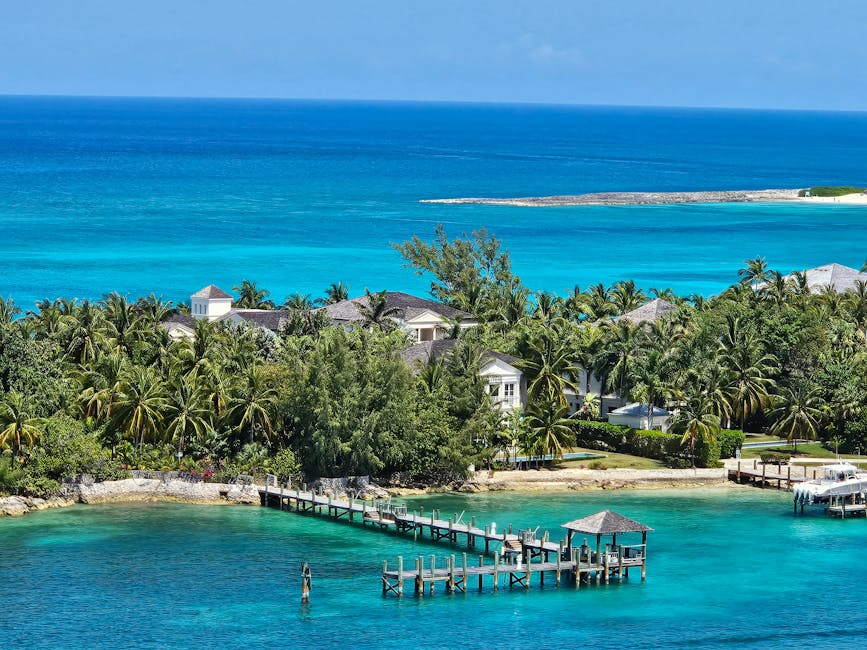
Navigating Nassau is relatively straightforward, thanks to its compact size. Walking is a great way to explore neighborhoods, especially in areas like Downtown Nassau, where attractions are within easy reach. However, if you prefer not to walk, taxis are readily available, and they offer a convenient option for getting around. Most taxi drivers are friendly and knowledgeable about the area, making them a good resource for local recommendations.
For those looking to explore beyond the main attractions, consider renting a car. This option provides the flexibility to discover the island at your own pace. Keep in mind that driving is on the left side of the road, which may take some adjustment for American travelers. Alternatively, public buses, known as “jitneys,” are a budget-friendly option for getting around. They operate along specific routes and are an excellent way to experience local life while traveling to various destinations.
Budget Breakdown#
When planning your trip to Nassau, it’s essential to consider your budget. For budget travelers, accommodations typically start around $30-50 per night, with guesthouses and hostels providing affordable options. Daily expenses for food can range from $15-30, especially if you choose to eat at local markets and casual eateries. Transportation costs will vary depending on your mode of travel, but budget about $10-20 daily if using taxis or jitneys.
Mid-range travelers can expect to spend around $100-200 per night for comfortable hotels or resorts. Dining at mid-range restaurants will likely cost between $30-60 per day, allowing for a few nice meals while enjoying local cuisine. Transportation costs will be similar to those of budget travelers, depending on your choices.
For luxury travelers, accommodations can range from $300 and up per night, with high-end resorts offering premium amenities. Dining at upscale restaurants may cost around $100 or more per day, especially if you indulge in fine dining experiences. Transportation costs may increase if you opt for private car services or guided tours.
Travel Tips for Nassau#
Currency and Payment: The Bahamian dollar is the official currency, and it is pegged to the US dollar, making it easy for American travelers. Credit cards are widely accepted, but it’s always a good idea to carry some cash for small purchases or in case you visit local markets.
Safety Precautions: While Nassau is generally safe for tourists, it’s wise to remain vigilant, especially in crowded areas. Keep your belongings secure and be cautious of your surroundings. Avoid walking alone at night in less populated areas, and use reputable transportation options.
Water Activities: If you plan to engage in water sports, ensure you book with licensed operators. This guarantees safety and adherence to regulations. Many activities, such as snorkeling or diving, are best experienced with experienced guides who know the local waters.
Local Etiquette: Bahamians are known for their hospitality, so greeting locals with a friendly smile or “hello” goes a long way. When dining, it’s customary to leave a tip of around 15-20% for good service, and be sure to try to engage in conversations about local life and culture.
Packing Essentials: Bring lightweight clothing suitable for warm weather, along with a swimsuit, sunscreen, and a hat. If you plan to explore historical sites, comfortable walking shoes are a must. Don’t forget a reusable water bottle to stay hydrated while exploring.
Cultural Events: Check the local calendar for cultural events or festivals happening during your visit. Participating in these events offers a unique glimpse into Bahamian life and traditions, enhancing your overall experience.
Travel Insurance: Consider purchasing travel insurance for peace of mind during your trip. This can provide coverage for unexpected events, including cancellations or medical emergencies, ensuring a worry-free vacation.
Nassau offers a delightful escape filled with sun, culture, and adventure. With its stunning landscapes, long history, and diverse culinary scene, it’s a destination that invites exploration and enjoyment. Whether you’re lounging on the beach, tasting local dishes, or discovering the island’s history, Nassau promises an experience that captivates the senses.