📌 Disclaimer
Prices, schedules, tour details, flight routes, visa requirements, and all other information on this page are based on data at the time of writing. Fares, availability, and policies may change. Please verify current details on the official website before booking.
Why Visit Naples?#
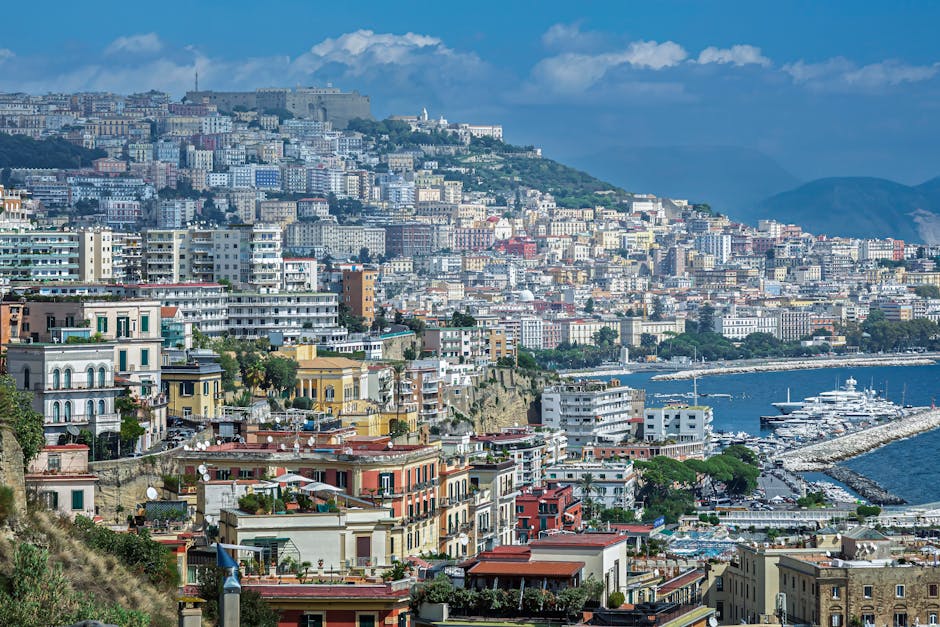
The unmistakable aroma of fresh pizza wafts through the air as you stroll through the narrow streets of Naples, inviting you to indulge in one of the city’s most famed culinary creations. With its long history, lively street life, and stunning coastal views, Naples is a destination that captivates the senses and offers travelers an authentic taste of Italy. From the ancient ruins of Pompeii nearby to the majestic views of Mount Vesuvius, Naples combines the past and present in a way that few cities can match.
Beyond its historical landmarks, Naples is known for its lively atmosphere and warm, welcoming locals. The city’s streets are filled with the sounds of laughter, conversations, and the occasional street performer, creating an ambiance that draws visitors into its heart. The local culture, deeply rooted in tradition, is evident in everything from the busy markets to the artisanal shops selling handmade goods. Each corner you turn reveals a new experience that adds to the charm of this Italian jewel.
Best Time to Visit Naples#

The climate in Naples is Mediterranean, characterized by hot, dry summers and mild, wet winters. The best time to visit is typically from April to June and September to October. During these months, you’ll find pleasant temperatures ranging from the mid-60s to low 80s Fahrenheit, ideal for exploring the city without the oppressive heat.
July and August bring peak tourist crowds and sweltering heat, with temperatures often soaring into the 90s. While the beaches come alive during this time, the busy tourist spots can feel overwhelming. Traveling in the shoulder seasons of spring and fall not only provides comfortable weather but also allows you to experience the city at a more leisurely pace, with fewer crowds and more affordable prices. Expect hotel rates to rise significantly during the summer months, while fall and spring offer better deals on accommodations and activities.
Where to Stay in Naples#

Choosing the right neighborhood can enhance your experience in Naples, and there are options to suit various budgets. For budget travelers, the Centro Storico area is a lively hub with affordable hostels and guesthouses. This historic center is packed with attractions, making it easy to explore on foot while enjoying the city’s authentic atmosphere.
Mid-range travelers may find the Chiaia district appealing, known for its elegant boutiques, charming cafes, and proximity to the waterfront. This area offers a range of comfortable hotels that provide a relaxing retreat after a day of sightseeing.
For a luxury experience, the Posillipo neighborhood presents stunning views of the Bay of Naples and upscale accommodations. Here, you can enjoy a more serene environment while still being close to the city’s main attractions. The coastal charm and tranquility of Posillipo make it a perfect choice for those seeking a bit of indulgence.
Top Things to Do in Naples#

No visit to Naples is complete without experiencing the grandeur of Naples National Archaeological Museum, which houses one of the world’s finest collections of Greco-Roman artifacts. Here, you can marvel at the exquisite frescoes and sculptures that tell the story of ancient civilizations. Just a short distance away, the Cathedral of Naples stands as a striking example of Gothic architecture, with its stunning façade and the revered relics of San Gennaro, the city’s patron saint.
For those who appreciate art, the Museo di Capodimonte is a must-see, set within a beautiful park and showcasing masterpieces from renowned artists like Caravaggio and Titian. If you’re looking for a more contemporary experience, the MADRE Museum features modern art installations in a historic building, offering a unique contrast to the city’s ancient heritage.
As you wander through the streets, the Piazza del Plebiscito beckons with its grand architecture and open space, often hosting local events and concerts. Nearby, the Teatro di San Carlo, one of the oldest opera houses in Europe , invites visitors to appreciate its stunning interiors or catch a performance.
To get a taste of local life, venture to the Quartieri Spagnoli, a maze of narrow alleyways filled with street art, shops, and eateries. This area is perfect for those who want to experience the city’s daily rhythm, with the chance to enjoy a coffee or a pastry in one of the local cafes.
Don’t miss a visit to the Castel dell’Ovo, perched on the coast and offering picturesque views of the bay. This ancient fortress provides insight into Naples’ maritime history and is a lovely spot for a leisurely stroll along the waterfront.
Finally, a day trip to Pompeii is essential. Just a short train ride away, this ancient city frozen in time offers a fascinating glimpse into life before the catastrophic eruption of Mount Vesuvius. Walking among the ruins, you’ll gain a deeper understanding of the history that shaped this region.
Food and Dining Guide#

Naples is often hailed as the birthplace of pizza, and a visit here is incomplete without trying the iconic Neapolitan pizza. Characterized by its soft, chewy crust and simple toppings, the traditional Margherita pizza, with its fresh mozzarella, basil, and tomatoes, is a worth trying. Street vendors and pizzerias alike serve this beloved dish, making it accessible to everyone.
Beyond pizza, the city boasts a variety of local specialties. Don’t overlook sfogliatella, a flaky pastry filled with sweet ricotta, which makes for a delightful breakfast treat. Another local favorite is spaghetti alle vongole, a simple yet flavorful dish made with fresh clams, garlic, and olive oil that perfectly captures the essence of coastal Italian cuisine.
When it comes to dining, you’ll find a mix of casual eateries and more upscale restaurants. Street food is particularly popular in Naples, so be sure to sample frittatina, a deep-fried pasta dish that is both tasty and filling. The busy markets are also great spots to grab a quick bite or pick up fresh produce and local cheeses.
For a more formal dining experience, look for restaurants that emphasize seasonal ingredients and traditional recipes. The combination of fresh seafood and regional produce creates a culinary landscape that reflects Naples’ culture and history.
Getting Around Naples#

Navigating Naples is manageable, thanks to its extensive public transportation system. The Metro is efficient and connects many of the key areas in and around the city, making it a convenient option for travelers. Buses and trams also service various neighborhoods, but be prepared for occasional delays due to traffic.
Walking is another excellent way to explore Naples, especially in the historic center where many attractions are within close proximity. The narrow streets can be busy, but they offer a chance to experience the city’s atmosphere up close.
If you prefer a more private mode of transport, taxis are available but can be more expensive. Rideshare services may also operate in the area, providing an alternative for those looking for convenience. For those who wish to venture outside the city, renting a car can be beneficial, particularly for trips to nearby destinations like Pompeii or the Amalfi Coast, but be cautious of Naples’ challenging driving conditions and limited parking.
Budget Breakdown#
When planning your trip to Naples, it’s important to consider your budget. For budget travelers, daily expenses can range from $70 to $100. This includes staying in budget accommodations, enjoying street food or casual dining, and using public transport.
Mid-range travelers can expect to spend about $150 to $250 daily, allowing for comfortable lodging, dining at local restaurants, and entry fees for attractions.
Luxury travelers should budget $300 and up per day, which can cover upscale accommodations, fine dining experiences, and private tours. Regardless of your budget, Naples offers a variety of options to ensure an enjoyable experience.
Travel Tips for Naples#

Language can be a barrier, but basic Italian phrases will go a long way. While many locals speak English, especially in tourist areas, making an effort to communicate in Italian shows respect and may enhance your experience.
Safety is generally not a concern in Naples, but like any major city, it’s wise to stay alert in crowded areas and keep an eye on your belongings. Avoid displaying valuables and be cautious of pickpockets, especially in busy markets or public transport.
Cash is king in many establishments, particularly smaller eateries and markets. While credit cards are accepted in larger restaurants and shops, having cash on hand will make transactions smoother.
Dining hours can differ from what you might be used to. Lunch is typically served from 1 PM to 3 PM, while dinner may not start until 8 PM or later. Adjusting your schedule to local customs can enhance your dining experience.
Cultural etiquette is important in Naples. When visiting churches or religious sites, dress modestly and be respectful of local customs. Additionally, greeting locals with a simple “Buongiorno” or “Buonasera” can foster goodwill and open doors to friendly interactions.
Lastly, take your time. Naples is a city best enjoyed at a leisurely pace. Don’t rush through the sights; instead, allow yourself to wander the streets, savor the food, and take in the unique atmosphere that this remarkable city offers.