📌 Disclaimer
Prices, schedules, tour details, flight routes, visa requirements, and all other information on this page are based on data at the time of writing. Fares, availability, and policies may change. Please verify current details on the official website before booking.
Why Visit Napa & Sonoma?#
The scent of damp earth and toasted oak hangs heavy in the air as you drive through the valley floor, where rows of grapevines stretch toward the horizon like perfectly aligned soldiers. This region of Northern California serves as the epicenter of American winemaking, offering a landscape where the pace of life slows to match the rhythmic turning of the seasons. While the two valleys sit side by side, they possess distinct personalities. Napa feels polished and grand, defined by high-end estates and dramatic architecture, while Sonoma maintains a rugged, pastoral charm that prioritizes open space, redwood forests, and a more relaxed approach to the tasting experience.
Travelers come here to understand the relationship between soil, sun, and glass. Beyond the wine, the area functions as a sanctuary for those who appreciate refined agriculture and the quiet beauty of the California coast range. Whether you are walking through a family-owned vineyard in the morning or sitting on a patio overlooking the fog-drenched hills as the sun sets, the region offers a rare opportunity to connect with the source of your food and drink. It is a place where long lunches are encouraged and the quality of the local produce—from heirloom tomatoes to artisan cheeses—often outshines even the most prestigious vintages.
Best Time to Visit Napa & Sonoma#
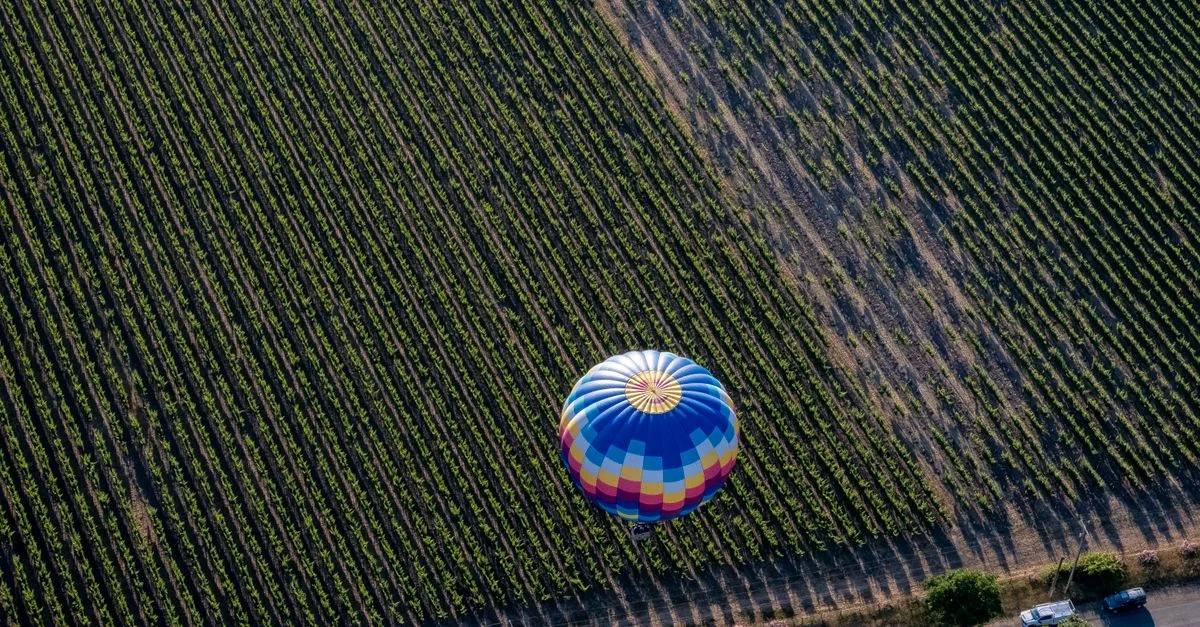
Choosing when to visit depends largely on whether you prefer the energy of the harvest or the quiet solitude of the off-season. Most visitors aim for the months of September and October, known as the harvest season. During this time, the valleys are full of activity as grapes are picked and processed. The weather remains warm during the day and cool at night, providing ideal conditions for outdoor exploration. However, this is also the most expensive time to visit, and lodging often reaches its highest prices of the year. Expect heavy traffic on the main corridors and a need to book tasting appointments months in advance.
Spring, specifically April and May, offers a different perspective. The mustard flowers bloom between the vines, painting the valley floor in bright yellow, and the crowds are significantly thinner than in the autumn. Temperatures are mild, making it a great time for cycling or hiking through the regional parks. If you are looking for the best value, consider the winter months of January and February. While the vines are dormant and the weather can be damp, hotel rates drop significantly. Many wineries offer more intimate, personalized experiences during these quiet months, and you will rarely face a wait to enter a restaurant or tasting room.
Where to Stay in Napa & Sonoma#
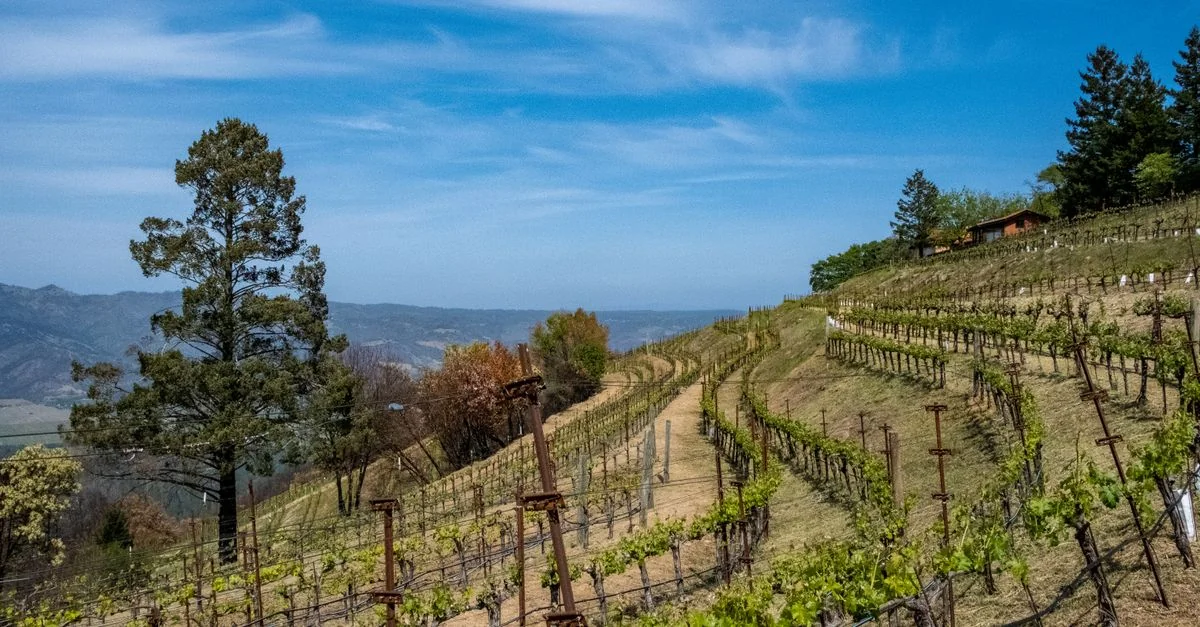
Selecting a home base depends on your travel style and your desire for proximity to specific vineyards. For those seeking the classic Napa experience, the town of Yountville serves as a central hub. It is walkable, upscale, and home to some of the most respected dining establishments in the country. Accommodations here range from boutique inns to luxury resorts with private villas. If you prefer a more rustic and quiet setting, look toward the northern end of the valley near Calistoga. This area is famous for its natural hot springs and mud baths, providing a grounded, wellness-focused atmosphere that feels less commercialized than the southern parts of the valley.
In Sonoma, the town of Healdsburg is the premier choice for travelers who want a mix of high-end amenities and small-town character. The central plaza is surrounded by tasting rooms, bakeries, and independent shops, making it easy to spend a full day without ever needing a car. For a more budget-friendly or mid-range approach, Santa Rosa offers a wider range of standard hotel options and serves as a convenient gateway to both the Russian River Valley and the Sonoma Coast. Staying here allows for easier access to the redwood groves and the rugged Pacific shoreline, providing a balance between vineyard tours and outdoor adventure.
Top Things to Do in Napa & Sonoma#
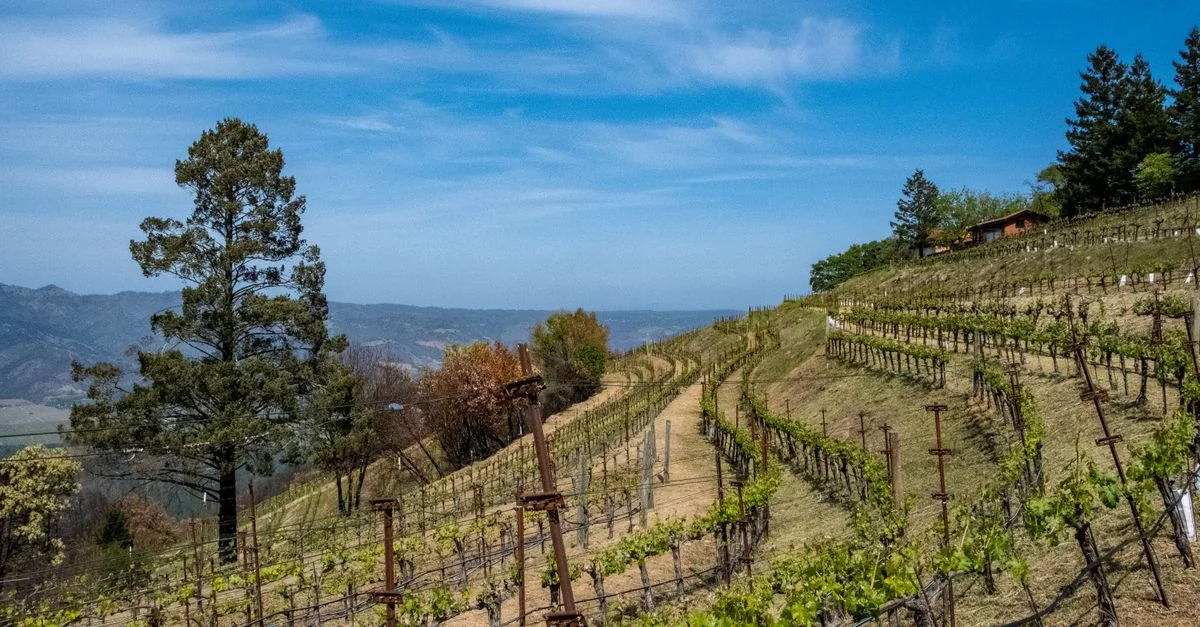
The primary draw for most visitors is the tasting room experience at Castello di Amorosa, a meticulously constructed replica of a 13th-century Tuscan castle that offers a unique glimpse into European architectural traditions while serving high-quality reds. For a more modern perspective, Darioush showcases stunning Persian-inspired design and provides a sophisticated environment for tasting bold Cabernet Sauvignon. Those who prefer to stay active while exploring should consider a bike ride along the Vine Trail, a paved path that connects various parts of the Napa valley, allowing you to move between vineyards at a leisurely pace without the stress of driving.
Nature enthusiasts should make time for Armstrong Redwoods State Natural Reserve, where the massive trees provide a cooling canopy and a stark contrast to the sun-drenched vineyards nearby. For a view from above, a sunrise hot air balloon ride over the Napa Valley floor provides a perspective on the geography that is impossible to gain from the road. If you are interested in the history of the region, Buena Vista Winery stands as the oldest commercial winery in California, offering a look into the early days of the state’s viticulture. A trip to Oxbow Public Market in downtown Napa is essential for food lovers, as it gathers local producers under one roof, allowing you to sample everything from artisan cheeses to freshly shucked oysters. Finally, take a drive to the coast to walk the beaches of Bodega Bay, where the cold Pacific waves and craggy cliffs offer a refreshing change of scenery after days spent in the inland heat of the valleys.
Food and Dining Guide#
The food scene in this region is inextricably linked to the local harvest. You will find that menus change rapidly based on what is available at the nearby farms. A staple you must try is Sonoma County goat cheese, often served fresh with local honey or incorporated into salads. You will also frequently encounter Dungeness crab cakes, a coastal favorite that pairs perfectly with the crisp white wines produced in the cooler pockets of the region. For a casual lunch, seek out a tri-tip sandwich from a local deli; this cut of beef is a regional icon, usually grilled over oak wood and served on a sourdough roll.
When it comes to dining style, the region caters to both ends of the spectrum. While there are world-renowned restaurants requiring reservations months in advance, you can eat just as well by visiting local farmers’ markets or picking up supplies for a picnic. Handmade sourdough bread is a local obsession, and you will find bakeries producing loaves with a tangy, chewy crust that is hard to replicate elsewhere. If you are visiting during the warmer months, look for stands selling heirloom tomato gazpacho, a refreshing dish that highlights the quality of local produce. Street food is less common here than in major cities, but the food trucks that frequent winery events or town plazas often serve elevated versions of tacos or wood-fired pizzas that are well worth the stop.
Getting Around Napa & Sonoma#
Navigating these two valleys requires a bit of planning. The most practical way to see the region is by rental car, as public transportation is limited and does not reach many of the more secluded estates. If you plan on visiting multiple wineries in one day, it is highly recommended to hire a private driver or join a guided tour group to ensure you are not operating a vehicle after consuming alcohol. Rideshare services are available in the larger towns like Napa, Sonoma, and Healdsburg, but they can be unreliable or expensive when traveling between the more remote vineyards.
Walking is only feasible if you choose to stay in the heart of the primary towns. In places like Yountville or Healdsburg, you can easily walk from your hotel to several tasting rooms and restaurants. However, once you leave the town limits, the roads are often narrow and lack bike lanes or sidewalks, making them unsafe for pedestrians. If you are committed to not driving, some hotels offer shuttle services to nearby attractions, and there are trolley-style tours that operate on set routes, though these are more focused on the major tourist sites rather than the smaller, family-run operations.
Budget Breakdown#
A trip to this region can be tailored to fit a wide range of budgets. For the budget-conscious traveler, daily expenses typically start around $200 per person. This assumes staying in a standard motel in a larger city like Santa Rosa, eating breakfast at your accommodation, packing picnic lunches from local markets, and limiting your tasting visits to two per day. Mid-range travelers can expect to spend between $400 and $600 per day. This budget allows for a boutique hotel stay, a mix of casual and sit-down meals, and a more robust itinerary including a few guided experiences or bike rentals.
For those seeking a luxury experience, the daily budget can easily exceed $1,000 per person. This tier includes staying at high-end resorts, dining at Michelin-starred restaurants, hiring private drivers for the duration of your stay, and participating in exclusive, appointment-only tastings at private estates. It is worth noting that tasting fees at wineries have risen significantly in recent years. Even on a budget, you should plan to spend at least $30 to $50 per tasting, though many wineries will waive this fee if you purchase a certain amount of wine. Always factor in the cost of tips and transportation when calculating your daily spend, as these costs add up quickly.
Travel Tips for Napa & Sonoma#
Tasting Appointments are no longer optional at most locations. While you might have been able to walk into a winery a decade ago, the current standard requires you to book your visit online well in advance. This ensures you have a dedicated staff member to guide you through the flight and prevents the overcrowding that can ruin the experience. Hydration is a frequently overlooked aspect of a wine-focused trip. The California sun is intense, and the combination of alcohol and heat can lead to rapid dehydration. Carry a reusable water bottle and make it a habit to drink a full glass of water between every tasting session.
Shipping Wine Home is a common question for visitors. Most wineries are well-equipped to ship your purchases directly to your house, which is often much easier than trying to pack bottles into your checked luggage. Before you buy, ask about their shipping rates, as some wineries offer discounts if you purchase a full case. Dress Code in the valleys is generally “wine country casual.” This means comfortable, stylish clothing that is suitable for walking on gravel paths or sitting on outdoor patios. Avoid high heels, as you will likely be walking through vineyards or on uneven surfaces.
Early Starts are the best way to beat the heat and the crowds. Most wineries open their doors around 10:00 AM. By arriving at your first appointment of the day right at opening, you get the quietest experience and the most attention from the staff. Local Laws regarding open containers and driving are strictly enforced. Never assume that the roads between vineyards are quiet enough to avoid police patrols. Finally, Flexibility is key to a successful trip. Do not try to pack more than three wineries into a single day. The experience is meant to be savored, and rushing from one appointment to the next will leave you exhausted and unable to appreciate the nuance of what you are drinking.
📌 Disclaimer
Prices, schedules, tour details, flight routes, visa requirements, and all other information on this page are based on data at the time of writing. Fares, availability, and policies may change. Please verify current details on the official website before booking.
📌 More about Napa & Sonoma