📌 Disclaimer
Prices, schedules, tour details, flight routes, visa requirements, and all other information on this page are based on data at the time of writing. Fares, availability, and policies may change. Please verify current details on the official website before booking.
Why Visit Mykonos#
The sharp tang of salt spray and crushed wild oregano hits the back of your throat the moment the ferry ramp drops against the concrete pier. Whitewashed walls, blindingly bright under the Aegean sun, bounce the afternoon light into every narrow alleyway while heavy wooden doors painted the color of deep ocean water creak in the Meltemi wind. This Cycladic island manages to balance a reputation for high-end glamour with the quiet, sun-bleached simplicity of traditional Greek fishing villages, creating a distinct atmosphere that pulls travelers back year after year.
Beyond the shoreline energy, the interior of the island reveals a rugged landscape of dry hills, scattered chapels, and dusty goat tracks that lead to secluded coves. You can spend an entire afternoon sitting at a small table in the shade of a bougainvillea vine, listening to the soft murmur of Greek conversation and the distant chime of sheep bells. It is this duality—the high-energy beach clubs sitting just miles away from empty, wind-swept windmills—that defines the character of the island and creates a compelling reason for American visitors to make the journey across the Atlantic.
Best Time to Visit Mykonos#
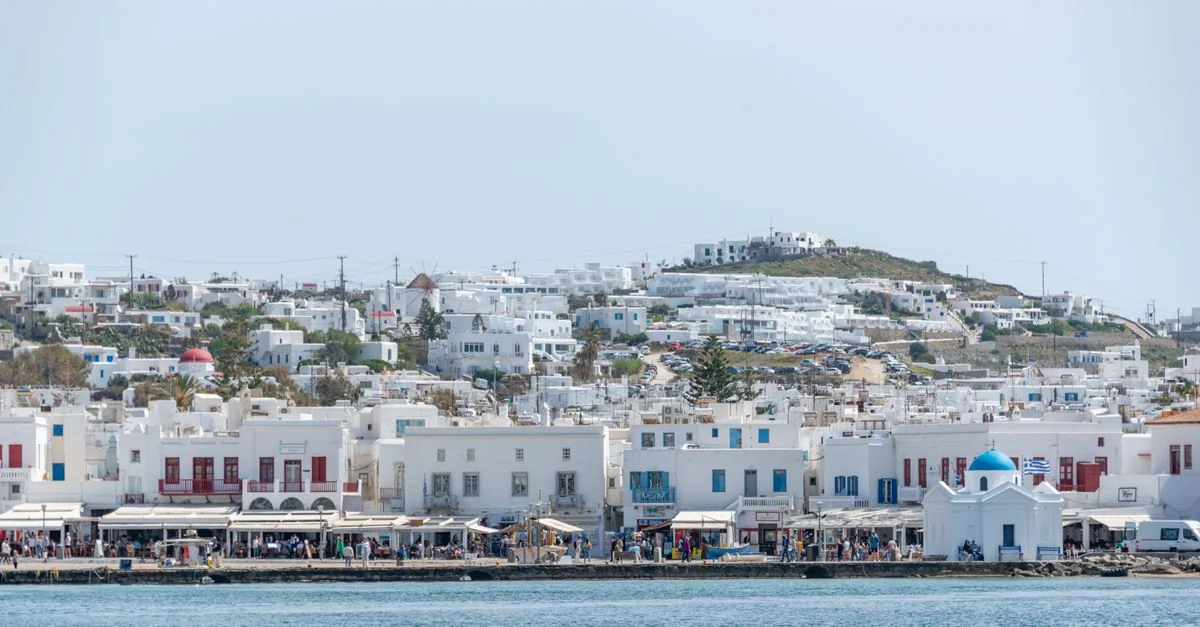
Planning your trip depends heavily on your tolerance for crowds and your budget, as the island experiences extreme seasonal shifts. May and June offer some of the most pleasant weather conditions, with daytime temperatures hovering comfortably in the seventies and low eighties Fahrenheit, while the sea warms up enough for swimming. During these late spring months, flowers bloom along the stone walls, and the streets remain relatively calm, allowing you to secure reservations at popular restaurants without months of advance planning. Prices for accommodations are moderate, and flights from the United States are generally less expensive than during the peak summer rush.
July and August bring intense heat, relentless sunshine, and the highest concentration of travelers from across the globe. Temperatures regularly exceed ninety degrees Fahrenheit, and the famous island winds provide a welcome relief during the hottest afternoons. This peak period comes with a heavy price tag, as hotel rates spike to their annual maximums and beaches fill with sun loungers by mid-morning. If you prefer a slower pace and lower costs, September and early October provide a sweet spot. The sea retains its summer warmth, cruise ship traffic diminishes, and local business owners have more time to chat, making autumn an ideal window for travelers seeking a more relaxed experience.
Where to Stay in Mykonos#
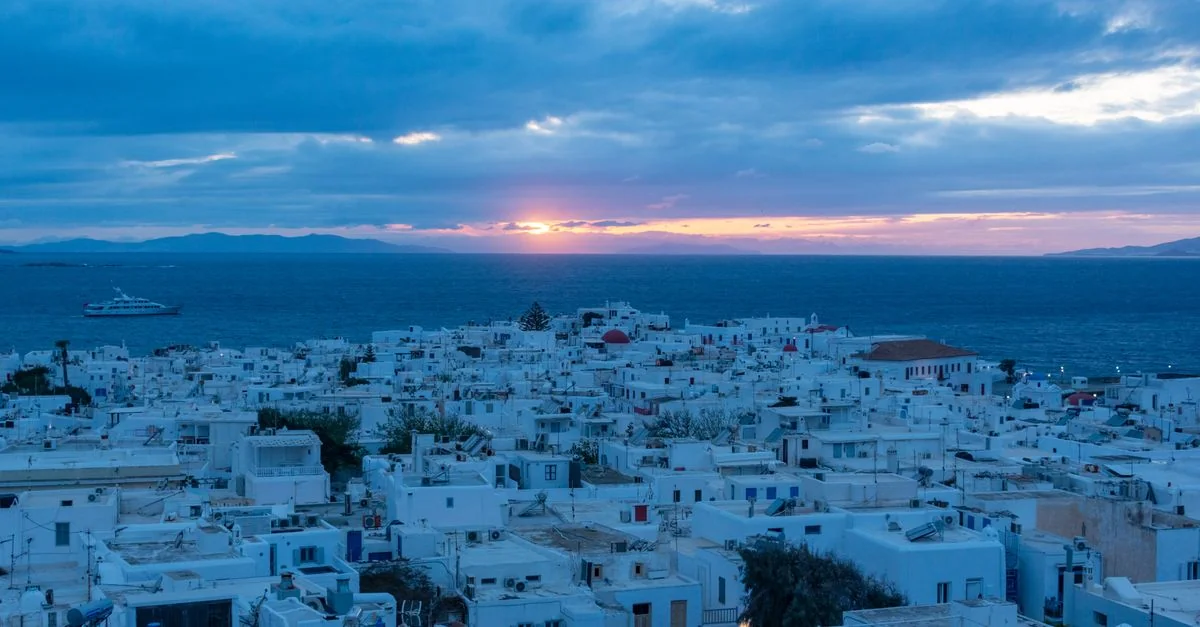
Choosing where to lay your head on the island shapes your entire daily routine, as different neighborhoods cater to distinct travel styles. Mykonos Town , often called Chora, places you right in the middle of the labyrinthine streets, close to shopping, dining, and nightlife. Staying here means you can walk home after a late dinner without worrying about transportation, though accommodations lean toward boutique properties and traditional townhouses with premium price tags. Budget options are scarce in the center, but mid-range apartments tucked down quiet alleys offer an authentic taste of local architecture.
For travelers prioritizing beach access and evening parties, the southern coast offers several distinct hubs. The beach areas popular for day clubs feature a range of mid-range rentals and high-end resorts where rooms open directly onto golden sand. These locations put you steps from the water, though you will need to rely on buses or rentals to reach the main town for dinner. If you want a quieter escape, the northern coast and inland hills provide secluded villas and boutique hotels where the only sound at night is the wind whistling through the dry stone walls. These areas require a rental car for convenience, but they reward you with dramatic sunset views and absolute privacy.
Top Things to Do in Mykonos#
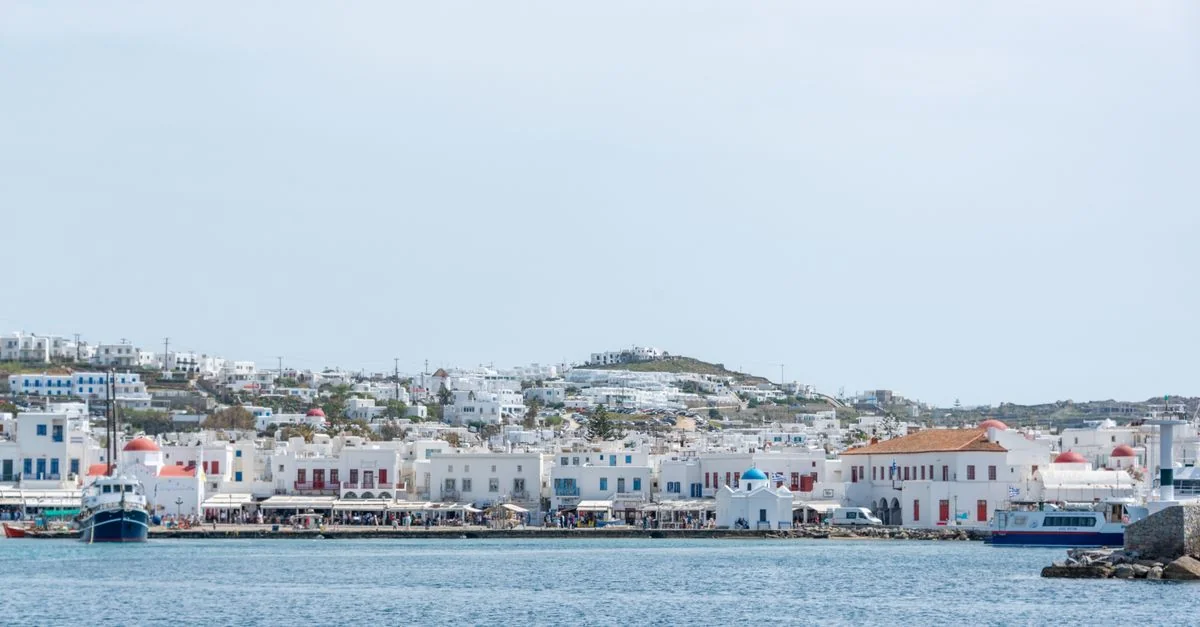
No trip is complete without standing beneath the famous Mykonos Windmills, a row of sixteenth-century structures that face the sea on a low ridge just south of the town center. Built by Venetians to grind grain, these white cylindrical towers provide a stunning vantage point for watching the sunset paint the harbor in shades of orange and pink. Just a short walk downhill leads you directly into Little Venice , a picturesque neighborhood where merchant houses built right up against the water’s edge now serve as cocktail bars and romantic tavernas where waves occasionally splash against the lower dining terraces.
Art and history enthusiasts should take the short boat ride to Delos Island, an archaeological site widely considered one of the most significant in Greece . According to mythology, this desolate, uninhabited island was the birthplace of Apollo and Artemis, and today its sprawling ruins feature ancient marble houses, gymnasiums, and the iconic Avenue of the Lions. Back on the main island, away from the coastal crowds, Ano Mera Village offers a glimpse into traditional island life centered around a large town square shaded by tavernas and anchored by the sixteenth-century Panagia Tourliani Monastery, which houses a collection of impressive post-Byzantine wood carvings and ecclesiastical artifacts.
Beach hopping forms a central part of any itinerary, with options ranging from lively party strips to quiet family shores. Platys Gialos Beach provides calm waters and frequent water taxi connections to other southern beaches, making it a great base for exploration. For a more rugged experience, Agios Sostis Beach on the northern coast offers a completely undeveloped stretch of sand with no sunbed rentals, ensuring a quiet escape. Art lovers will also enjoy visiting The Aegean Maritime Museum in the center of town, which preserves the nautical history of the Cyclades through ship models, rare coins, and historical instruments.
Food and Dining Guide#
The culinary landscape relies heavily on fresh seafood, locally produced cheeses, and ingredients grown in the dry soil of the Cyclades. One of the definitive local specialties is Kopanisti, a soft, spicy cheese with a sharp, peppery bite that pairs wonderfully with crusty bread and tomatoes. You will also find Louza, a thinly sliced, cured pork fillet spiced with savory and pepper, which is often served as a meze alongside local wine during late-afternoon gatherings on shaded patios.
Seafood lovers should order Kakavia, a traditional fisherman’s soup made from the catch of the day, simmered with olive oil, onions, potatoes, and lemon juice. For a quick and satisfying lunch on the go, Souvlaki wraps filled with grilled pork or chicken, tomatoes, onions, and a dollop of tzatziki sauce wrapped in warm pita bread remain an affordable and delicious staple. Street food spots in the main town serve these late into the night, while upscale restaurants along the waterfront elevate traditional recipes with modern plating and extensive wine lists featuring Assyrtiko and Mandilaria grapes.
Getting Around Mykonos#
Navigating the island depends on your comfort level with narrow roads, heavy summer traffic, and winding coastal routes. The public bus network connects the main town to major beaches and surrounding villages, operating on frequent schedules during the peak summer months. This option is reliable and affordable for travelers sticking to the main tourist corridors, though buses can become uncomfortably crowded during July and August afternoons.
Taxis are limited in number relative to the high volume of visitors, making them difficult to hail spontaneously during peak hours, particularly outside the central taxi square in town. Many travelers opt to rent an ATV, scooter, or small car to gain flexibility. Renting a vehicle allows you to reach remote northern beaches and inland tavernas that buses do not serve. Keep in mind that driving requires patience, as roads outside the main highways are narrow, poorly lit at night, and often shared with pedestrians and wandering livestock.
Budget Breakdown#
Planning your finances for a trip to the Cyclades requires acknowledging that this destination ranks among the more expensive Greek islands. Budget travelers keeping a close eye on expenses can expect to spend around $70 to $120 per day in USD by staying in family-run guesthouses on the outskirts of town, eating gyros and street food for most meals, and utilizing public buses for transportation. Accommodation for this tier typically ranges from $50 to $90 per night, leaving enough room for basic activities and a daily coffee.
Mid-range travelers generally budget between $200 and $400 per day in USD. This tier covers comfortable boutique rooms or mid-sized hotels ranging from $150 to $300 per night, sit-down dinners at traditional tavernas with local wine, occasional taxi rides, and paid beach club access with sun loungers. Luxury travelers easily exceed $600 to $1,500 or more per day in USD, as high-end cliffside villas and five-star resorts often cost upwards of $500 to $1,500+ per night, accompanied by private drivers, yacht charters, and fine-dining experiences overlooking the Aegean Sea.
Travel Tips for Mykonos#
Footwear choice can make or break your daily experience on the island. The historic streets of the main town are paved with uneven flagstones that become slippery when polished by decades of foot traffic, making comfortable walking shoes with good traction essential while leaving high heels and slick-soled sandals at home.
Wind awareness is crucial because the regional northern winds, known locally as the Meltemi, can blow fiercely across the island during the summer months, particularly in July and August. These gusts can make lounging on northern beaches unpleasant due to blowing sand, so check the daily forecast and choose southern-facing shores on particularly windy afternoons.
Reservations for popular restaurants and beach clubs require advance planning if you travel between June and September. Booking tables for dinner and sun loungers at trendy beach establishments weeks or even months ahead saves you from long wait times or disappointment upon arrival.
Sun protection demands respect under the intense Mediterranean sun, which is intensified by the white paint reflecting off every wall and alley. Pack a high-SPF sunscreen, a wide-brimmed hat, and polarized sunglasses to prevent severe sunburns while walking among the open ruins or spending hours by the water.
Cash availability is still necessary for smaller transactions despite widespread credit card acceptance at larger hotels and restaurants. Keep some Euros on hand for rural bus fares, small bakeries, tips, and purchases at remote roadside stands where card machines may occasionally lose connection.
Tipping etiquette in local establishments differs slightly from North American standards, though it remains appreciated for good service. Leaving a tip of five to ten percent at sit-down tavernas is standard practice, while rounding up the bill or leaving spare change suffices for casual coffee shops and street food vendors.
📌 Disclaimer
Prices, schedules, tour details, flight routes, visa requirements, and all other information on this page are based on data at the time of writing. Fares, availability, and policies may change. Please verify current details on the official website before booking.
📌 More about Mykonos