📌 Disclaimer
Prices, schedules, tour details, flight routes, visa requirements, and all other information on this page are based on data at the time of writing. Fares, availability, and policies may change. Please verify current details on the official website before booking.
Why Visit Munich?#
As you step into Munich, the aroma of freshly baked pretzels and the sound of clinking beer steins greet you, setting the stage for an experience that blends history, culture, and modernity. This city, the capital of Bavaria, is a captivating mix of stunning architecture, lively parks, and a lively atmosphere that draws visitors from around the world. Munich stands out not only for its famous beer gardens and the annual Oktoberfest celebration but also for its rich artistic landscape, which includes top-quality museums and theaters.
The heart of Munich pulses through its historic districts, where centuries-old buildings sit alongside contemporary structures. Walking through the Marienplatz, you are surrounded by the intricate New Town Hall and the iconic Glockenspiel, which brings the square to life with its charming mechanical performance. Munich’s unique blend of tradition and innovation makes it a destination that promises both excitement and relaxation, whether you’re sipping coffee in a quaint café or exploring the expansive Englischer Garten.
Best Time to Visit Munich#
The ideal time to visit Munich largely depends on your preferences for weather and crowd levels. Spring (March to May) is a wonderful time, as the city awakens from winter, with temperatures ranging from the mid-40s to mid-60s Fahrenheit. This season is less crowded compared to summer, and you can enjoy blooming parks and outdoor activities.
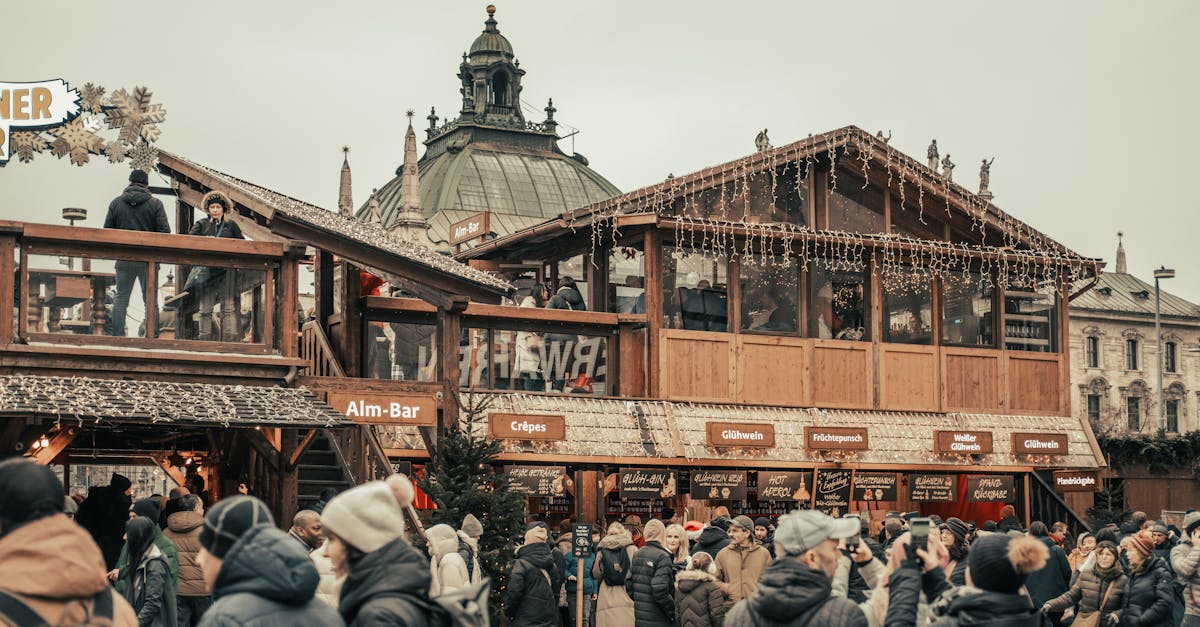
Summer (June to August) is peak tourist season, with temperatures often reaching the 70s and 80s. While the weather is perfect for outdoor gatherings and festivals, expect larger crowds and higher prices, especially during major events like Oktoberfest in late September and early October. Fall offers a beautiful backdrop of autumn leaves and milder temperatures, making September to November a pleasant time to visit, although you may encounter a few rainy days. Winter, particularly December, transforms Munich into a Christmas wonderland, with festive markets and holiday lights, though temperatures can drop into the 20s and 30s.
Where to Stay in Munich#
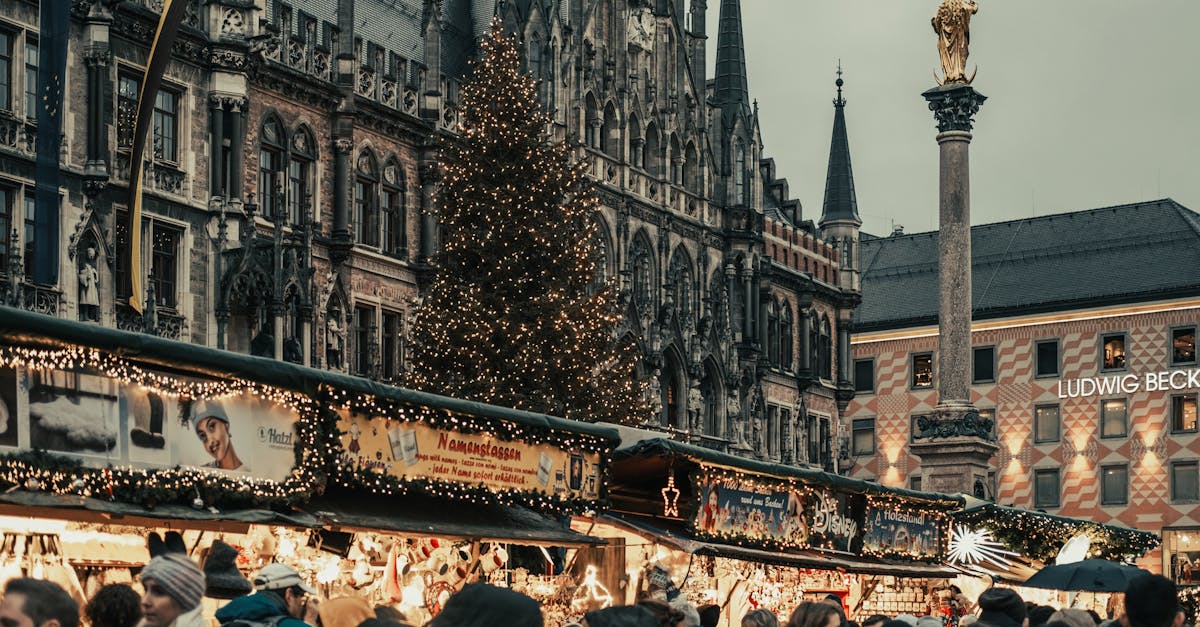
Choosing the right neighborhood can significantly enhance your experience in Munich. If you’re looking for a lively atmosphere and proximity to attractions, consider staying in Altstadt-Lehel. This area is home to many of the city’s landmarks, including Marienplatz and the Viktualienmarkt, making it convenient for sightseeing.
For travelers on a budget, Sendling offers affordable accommodations without sacrificing access to the city. It’s well-connected by public transport and has a more local feel, with charming streets and parks. Those seeking mid-range options might find Schwabing appealing, known for its bohemian vibe, trendy shops, and restaurants, along with easy access to the Englischer Garten.
For a touch of luxury, consider the Maxvorstadt district. This area is not only close to museums and galleries but also features upscale dining and shopping options. Each neighborhood has its unique charm, allowing you to choose based on your personal travel style and preferences.
Top Things to Do in Munich#
In Munich, the options for exploration are diverse and engaging. Begin your journey at the Marienplatz, the city’s central square, where the New Town Hall impresses with its neo-Gothic architecture. Don’t miss the chance to witness the Glockenspiel performance, which plays daily at 11 a.m. and noon, captivating audiences with its charming figures.
Take a stroll through the Englischer Garten, one of the largest urban parks in the world. As you wander along the tree-lined paths, you might spot surfers riding the waves at the Eisbach, a man-made river that flows through the park. For those interested in art and history, the Pinakothek museums—Alte Pinakothek, Neue Pinakothek, and Pinakothek der Moderne—showcase an impressive collection of European masterpieces from the Middle Ages to contemporary art.
No visit to Munich is complete without a trip to the Nymphenburg Palace, a stunning Baroque palace that offers a glimpse into the lives of Bavarian royalty. The expansive gardens are perfect for a leisurely walk, and the interior rooms are filled with opulent decor and fascinating history. If you’re a history enthusiast, the Dachau Concentration Camp Memorial Site is a short train ride away and provides a sobering yet important perspective on Germany’s past.
For a taste of local life, head to the Viktualienmarkt, a busy food market where you can sample fresh produce, cheeses, and local delicacies. Here, the atmosphere is alive with the sounds of vendors and the scent of delicious food. If you seek a bit of adventure, consider visiting the Olympiapark, where you can take a guided tour of the iconic Olympic Stadium or enjoy panoramic views from the Olympiaturm observation tower.
As the sun sets, the city comes alive with nightlife. Explore the Haidhausen district, known for its cozy bars and beer gardens, where you can unwind with a refreshing Helles or a unique craft beer. The Biergarten culture is strong in Munich, and enjoying a drink outdoors with locals is a quintessential experience.
Food and Dining Guide#
Munich’s culinary scene is a delightful blend of traditional Bavarian fare and modern dining experiences. Start your food journey with a classic Weißwurst, a mild sausage typically enjoyed with sweet mustard and freshly baked pretzels. This dish is a breakfast staple, often served before noon, making it a perfect way to fuel your day of exploration.
Another worth trying is the iconic Schweinshaxe, or pork knuckle, which is crispy on the outside and tender on the inside. Pair it with a pint of local beer for the full experience. For something lighter, the Obatzda, a creamy cheese spread flavored with spices, is often served with pretzels and is a popular choice in beer gardens.
Street food lovers should not miss the chance to try Döner Kebab, a favorite among locals and visitors alike, reflecting Munich’s multicultural influences. The lively street stalls offer a quick and delicious meal. If you prefer a sit-down experience, the Biergarten culture also allows you to sample a range of dishes in a communal setting, making it easy to share and enjoy a variety of flavors.
For dessert, indulge in a slice of Schwarzwälder Kirschtorte, or Black Forest cake, a chocolate sponge cake layered with cherries and whipped cream. This sweet treat is a perfect way to end your meal and is widely available in cafes throughout the city.
Getting Around Munich#
Navigating Munich is straightforward, thanks to its efficient public transportation system. The U-Bahn (subway) and S-Bahn (commuter trains) connect major attractions and neighborhoods, making it easy to travel across the city. Purchasing a day pass can save you money if you plan to use public transit frequently, as it allows unlimited travel on trains and buses.
Taxis are readily available but can be more expensive, so using rideshare apps can also be a convenient option. For those who enjoy walking, many of Munich’s attractions are within a comfortable distance, especially in the city center. Biking is another popular choice, with numerous rental services offering bikes for a fun and eco-friendly way to explore the city.
If you plan to venture outside of Munich, consider renting a car. While parking can be challenging in the city, having a vehicle provides the flexibility to explore nearby destinations like Neuschwanstein Castle or the scenic Bavarian countryside.
Budget Breakdown#
Traveling in Munich can fit a variety of budgets. For budget travelers, daily expenses can start around $70-100, covering basic accommodations in hostel dorms or budget hotels, inexpensive meals at street vendors or casual eateries, and public transport costs.
Mid-range travelers might expect to spend between $150-250 daily, allowing for comfortable accommodations in well-rated hotels, meals at local restaurants, and entry fees to attractions. This budget can also afford a few splurges, such as guided tours or special dining experiences.
Luxury travelers will find options that cater to their desires, with daily expenses starting around $300 and going up significantly depending on accommodation choices, fine dining experiences, and private tours. Munich offers a range of high-end hotels and gourmet restaurants that provide an elevated experience of the city.
Travel Tips for Munich#
Language is a consideration when visiting Munich. While many locals speak English, learning a few basic German phrases can enhance your experience and show respect for the culture. Simple greetings and expressions of thanks go a long way.
Cash is king in many establishments, particularly smaller restaurants and markets. While credit cards are widely accepted, it’s wise to carry some euros for street food purchases or local shops that may not take cards.
Public transportation is efficient and reliable, but familiarize yourself with the ticketing system. Always validate your ticket before boarding to avoid fines, as inspectors frequently check for valid passes.
Cultural norms in Munich lean toward formality, especially in dining settings. It’s common to greet people with a firm handshake and to address individuals with their titles. When dining in a restaurant, waiting for everyone at the table to be served before starting your meal is considered polite.
Safety is generally not a concern in Munich, but like any major city, be mindful of your belongings, especially in crowded areas. Avoid leaving bags unattended and be cautious of pickpockets in busy tourist spots.
With its blend of history, culture, and food experiences, Munich invites travelers to explore its streets and savor its offerings. Whether you’re wandering through its parks or indulging in local cuisine, the city promises an engaging experience for every visitor.