📌 Disclaimer
Prices, schedules, tour details, flight routes, visa requirements, and all other information on this page are based on data at the time of writing. Fares, availability, and policies may change. Please verify current details on the official website before booking.
Why Visit Mumbai?#
The sharp scent of roasting cumin and caramelized onions drifts from a roadside stall, mingling with the heavy, salt-laden air of the Arabian Sea. Mumbai moves at a relentless, intoxicating pace, defying easy categorization. As India ’s financial and entertainment capital, this coastal megalopolis offers an unfiltered look at modern South Asia , where Victorian Gothic architecture rubs shoulders with sprawling slums and sleek glass skyscrapers. For American travelers accustomed to grid systems and predictable urban planning, Mumbai presents a sensory challenge that rewards patience and curiosity.
This city of islands operates as an economic engine that draws dreamers from across the subcontinent. Bollywood stars share the same coastal promenades with fishermen repairing their nets at dawn, creating a stark juxtaposition of wealth and simplicity. You will find colonial-era railway termini handling millions of commuters daily alongside tranquil Parsi fire temples. The energy here is kinetic, fueled by cutting-edge art galleries, experimental theaters, and an old-world charm that lingers in heritage cafes pouring strong South Indian coffee.
Navigating this metropolis requires shifting your usual travel tempo. While the traffic can test your resilience, the warmth of the local residents quickly disarms visitors. By trading rushed itineraries for deliberate exploration, you discover a city that feels deeply personal. From the shaded pathways of hanging gardens overlooking the bay to the chaotic charm of century-old textile markets, Mumbai delivers a multi-dimensional travel experience that stays with you long after your return flight.
Best Time to Visit Mumbai#
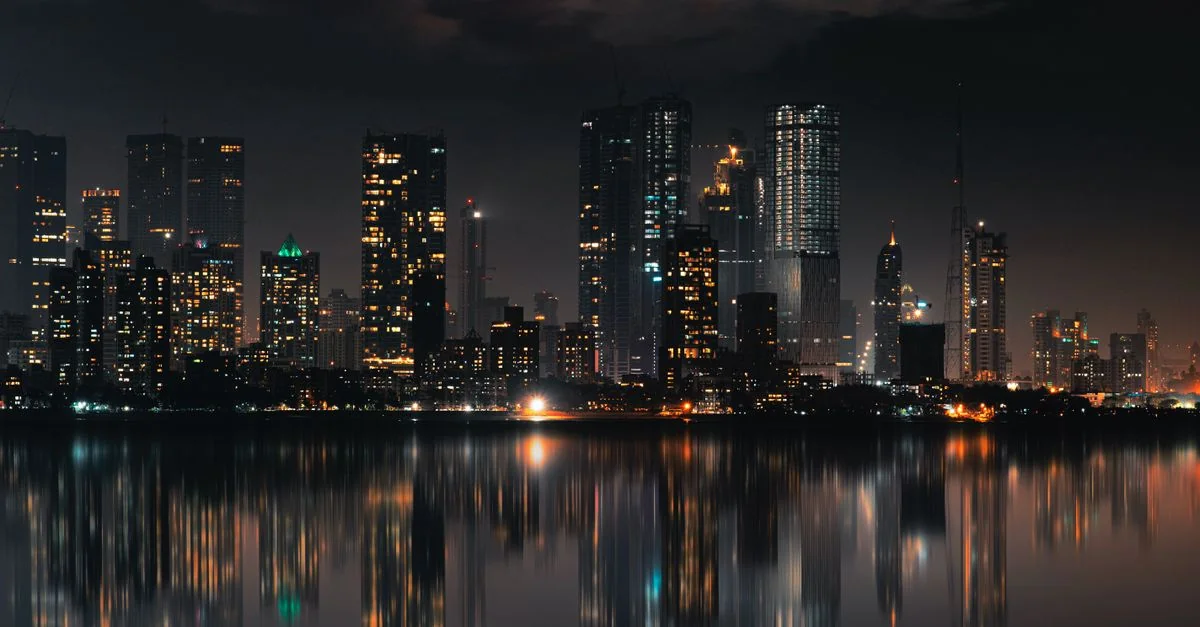
Planning a trip to India’s western coast depends almost entirely on the monsoon cycle. The ideal window for American travelers stretches from November through February. During these cooler months, daytime temperatures hover comfortably in the high eighties Fahrenheit, and humidity drops significantly. Evenings bring a pleasant sea breeze that makes walking the historic neighborhoods genuinely enjoyable. This period also coincides with the peak tourism season, meaning flight and accommodation prices will be at their highest, and major landmarks will draw larger crowds.
March through May brings a steep climb in both temperature and humidity. Afternoon highs frequently exceed ninety-five Fahrenheit, accompanied by stifling air that drains your energy quickly. If you tolerate heat well, this shoulder season offers distinct advantages: fewer tourists at major sights and noticeably lower rates on upscale accommodations. You will need to pace your sightseeing carefully, scheduling outdoor activities for early mornings and late afternoons while retreating indoors during midday peak heat.
The southwest monsoon arrives in June and stays through September, drenching the city in heavy downpours that routinely flood low-lying streets. While rain-lovers appreciate the dramatic cloud formations over the ocean and the lush green transformation of nearby hills, travel disruptions are common. Flights get delayed, and outdoor exploration becomes genuinely difficult. October acts as a transitional month where the rain recedes, leaving high humidity in its wake before the pleasant winter weather finally settles in.
Where to Stay in Mumbai#
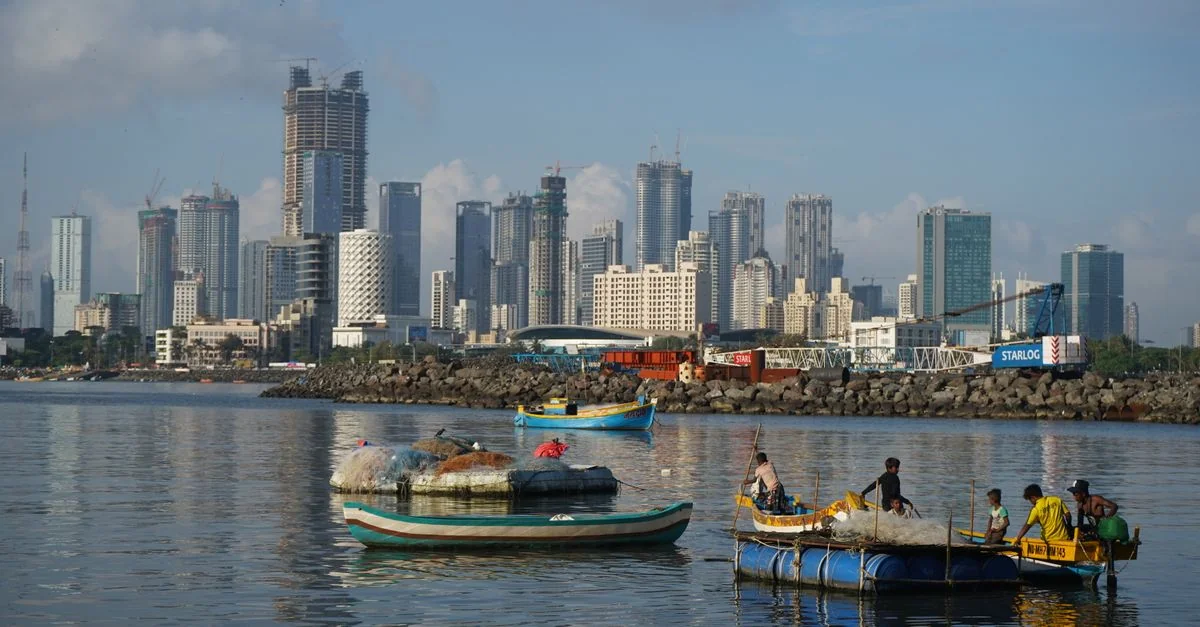
Choosing the right neighborhood shapes your entire experience of the city. Colaba, situated at the southern tip of the peninsula, places you within walking distance of the city’s most famous colonial architecture and historic cafes. This area caters well to first-time visitors who want a walkable base. Budget travelers find plenty of simple guesthouses and backpacker hostels in the side streets, while mid-range visitors can secure boutique properties set in heritage buildings. Luxury seekers gravitate toward grand harbor-facing hotels that have hosted international dignitaries for over a century.
Moving slightly north, Bandra offers a trendier, more bohemian atmosphere favored by local artists, designers, and Bollywood actors. Known for its leafy lanes, Portuguese-style villas, and independent coffee shops, this neighborhood feels distinct from the colonial core. Accommodation here leans toward mid-range design hotels and stylish Airbnb apartments. Dining and nightlife options sit right outside your door, making it an excellent base if you prefer a neighborhood with a youthful, contemporary pulse.
Juhu appeals directly to travelers seeking a resort-like coastal escape further up the coast. Famous for its long stretch of sandy shoreline, this upscale suburb features expansive luxury properties with sprawling pools and ocean views. While it sits further away from the southern historical district, Juhu provides a quieter retreat from the intense density of the city center. Mid-range visitors can also find comfortable serviced apartments here, though budget options are scarcer compared to the southern districts.
Lower Parel represents the city’s modern vertical transformation. Once dominated by sprawling textile mills, this central district now hosts gleaming commercial towers, upscale shopping complexes, and refined hotels occupying high-rise floors. It works well for business travelers or those who want central access to both the northern suburbs and the southern tip via major transit links. Accommodation in this zone focuses heavily on high-end business hotels and modern mid-tier chain properties.
Top Things to Do in Mumbai#
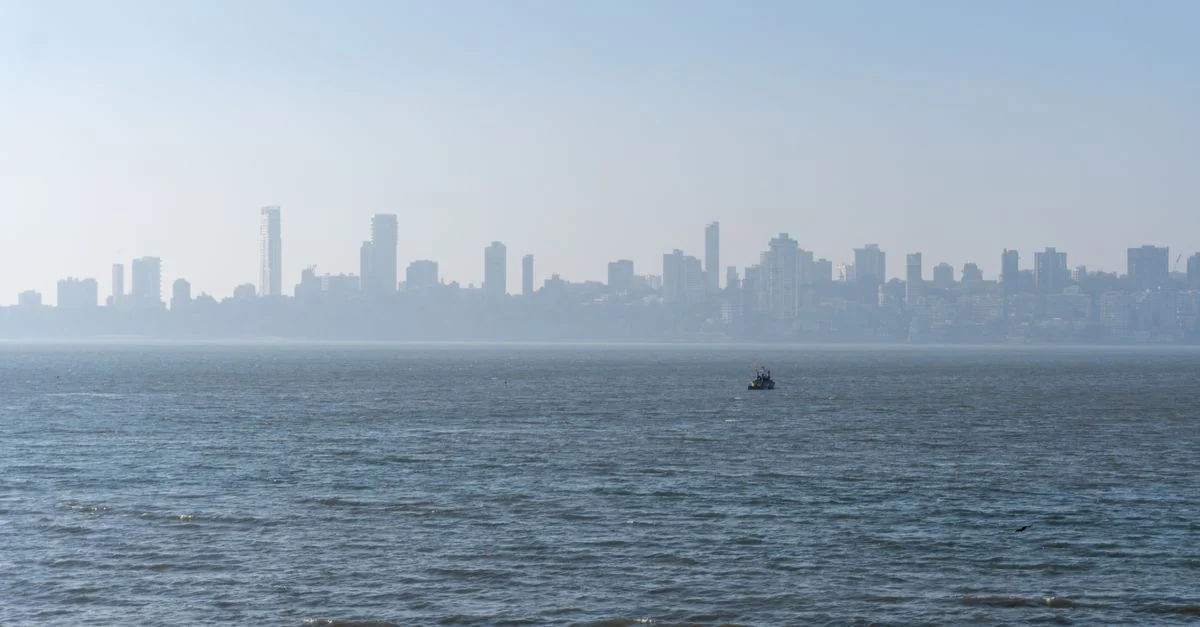
Your exploration naturally begins at the iconic Gateway of India, a colossal basalt arch constructed to commemorate the royal visit of King George V and Queen Mary. Standing at the water’s edge, watching ferries bob against the backdrop of the harbor, offers a classic introduction to the city’s colonial past. Just a short harbor cruise away lies the Elephanta Caves, a collection of rock-cut temple shrines dedicated to Lord Shiva dating back to the fifth century. Walking through these ancient basalt chambers reveals immense, intricately carved panels depicting Hindu deities.
Back on the mainland, architectural enthusiasts should admire the Chhatrapati Shivaji Maharaj Terminus, a masterpiece of Victorian Gothic revival architecture that still functions as one of the busiest railway stations on earth. The stone carvings, turrets, and stained-glass windows resemble a European cathedral rather than a commuter hub. A short walk from the station brings you to the Chhatrapati Shivaji Maharaj Vastu Sangrahalaya, formerly known as the Prince of Wales Museum, where expansive indoor galleries house ancient sculptures, miniature paintings, and historical artifacts.
For a dramatic shift in pace, head to Marine Drive, a sweeping three-kilometer seaside promenade often called the Queen’s Necklace because of the way its streetlights glow in a curving arc at night. Walking this boulevard during sunset provides a favorite local pastime. Further north, the Dharavi Slum offers a nuanced perspective on local enterprise and community resilience. Reputable walking tours through this area emphasize small-scale manufacturing, recycling workshops, and industrious cottage industries rather than poverty tourism.
Nature and culture intersect uniquely at Haji Ali Dargah, a striking nineteenth-century mosque and tomb complex situated on a tiny islet off the coast of Worli. Accessible only via a narrow stone pathway that floods during high tide, visiting requires timing your walk with the ocean currents. To escape the city noise entirely, seek out the Banganga Tank, an ancient freshwater water tank surrounded by steps and compact temples in the Malabar Hill neighborhood. This serene pocket provides a rare window into ancient rituals, completely detached from the roaring traffic just blocks away.
Food and Dining Guide#
The local palate reflects a diverse mix of coastal Koli fishing traditions, Parsi community recipes, and fiery influences from neighboring states. Street food holds a legendary status here, prepared with speed and precision by vendors working out of compact carts. You must sample Pav Bhaji, a thick, spiced vegetable mash served with butter-toasted white bread rolls, which originated as a quick meal for textile mill workers. Another ubiquitous snack is Vada Pav, often described as the local burger, featuring a spiced potato fritter encased in a soft bun with garlic chutney.
For a taste of traditional Parsi cuisine, seek out an authentic Bohri Mohalla meal or visit a heritage cafe for Berry Pulao, a fragrant rice dish layered with tender meat, caramelized onions, and tart Persian barberries. Coastal flavors shine through in Bombil Fry, commonly known as Bombay duck, which is actually a lizardfish coated in semolina and spices before being pan-fried to a crisp golden finish. Seafood lovers should also try preparations featuring surmai or pomfret tossed in rich green coastal masalas.
Navigating the dining landscape involves balancing street stalls with sit-down establishments. While neighborhood vendors offer incredible flavors at very low costs, travelers concerned about food safety should look for busy stalls with high turnover where ingredients are cooked fresh to order. Upscale dining rooms in the southern and western districts offer refined takes on traditional recipes, pairing regional curries with sophisticated cocktail programs in air-conditioned comfort.
Getting Around Mumbai#
Mastering local transport requires flexibility and patience. The commuter train network moves millions of people daily and forms the backbone of the city’s transit system. However, for American visitors unaccustomed to extreme crowding, attempting to board local trains during rush hour can prove overwhelming. If you do use the trains, purchase first-class tickets to enjoy slightly less congested carriages, and avoid peak morning and evening commuting windows entirely.
Taxis and auto-rickshaws provide more accessible door-to-door transit options. Distinctive black-and-yellow metered cabs operate across the entire city, while auto-rickshaws are restricted to the northern suburbs beyond Bandra. Ride-hailing apps operate smoothly throughout the metropolitan area, eliminating language barriers and fare negotiations. Fares are remarkably affordable by Western standards, though gridlock during afternoon and evening hours can stretch a short distance into a lengthy journey.
Walking works well when exploring specific concentrated neighborhoods like Colaba or the narrow lanes of Bandra, but pedestrian infrastructure on major arterial roads can be erratic or nonexistent. Sidewalks frequently vanish, and crossing busy multi-lane streets demands caution and confidence. When crossing, watch the flow of traffic, wait for a natural gap, and move at a steady pace rather than hesitating. For longer journeys across the length of the city, combining a ride-hailing car with ferry transport provides the most comfortable and reliable transit strategy.
Budget Breakdown#
Exploring this destination accommodates a wide spectrum of financial comfort levels. A budget traveler staying in simple backpacker hostels or guesthouses, eating primarily at local street stalls, and utilizing public transit or shared autos can easily manage on $35 to $60 per day. Entry fees to museums and historical sites are generally low, keeping overall daily expenditures modest if you keep dining casual and avoid taxis.
Mid-range travelers typically spend between $120 and $250 per day. This budget secures a comfortable, air-conditioned room in a boutique hotel or reputable mid-tier property, meals at popular sit-down restaurants with hygiene standards similar to Western establishments, and convenient transit via ride-hailing apps. You can comfortably fit guided neighborhood tours, entrance fees to major cultural attractions, and occasional evening drinks into this daily allowance.
Luxury travelers can expect daily expenditures starting around $400 and moving upward without strict limits. Five-star heritage hotels offering sweeping views of the Arabian Sea command premium nightly rates. At this tier, dining at celebrated fine-dining establishments, hiring private chauffeured cars for the duration of your stay, and booking exclusive private tours of architectural landmarks or art galleries define the travel style.
Travel Tips for Mumbai#
Health precautions require conscious choices from the moment you arrive. Drink exclusively bottled or purified water, and avoid ice cubes in drinks unless you are certain they were made from filtered water. Eating freshly cooked, piping-hot street food minimizes risks, but raw salads and peeled fruit sitting out in the open air should be skipped to prevent stomach illness.
Dress codes lean toward modesty, particularly when visiting religious sites such as temples, mosques, and fire temples. Both men and women should ensure their shoulders and knees remain covered. Carrying a light scarf or shawl in your daypack proves useful for women needing to cover their heads or shoulders quickly before entering sacred spaces.
Bargaining etiquette applies naturally in traditional open-air markets like Crawford Market or Colaba Causeway. Shopkeepers expect gentle negotiation, so starting at roughly half the quoted price and settling near the two-thirds mark creates a fair compromise. In modern malls, fixed-price retail stores, and ride-hailing apps, prices are firm and haggling is inappropriate.
Cash versus cards requires a balanced approach. While high-end hotels, upscale restaurants, and modern retail stores accept international credit cards smoothly, cash remains essential for tipping, paying taxi drivers, buying street food, and purchasing items at small neighborhood shops. Always keep a supply of small-denomination rupee notes on hand.
Cultural interactions are generally warm and hospitable. English is widely spoken in hotels, restaurants, and shops, making communication straightforward for American travelers. When greeting locals, a polite smile and a verbal greeting work well, though the traditional folded-hands gesture of respect is always appreciated.
Monetary tipping is customary in restaurants and cafes, with ten percent serving as a standard guideline if a service charge has not already been added to the bill. Leaving small tips for hotel porters, drivers, and housekeeping staff is also standard practice and greatly appreciated by local service workers.
📌 Disclaimer
Prices, schedules, tour details, flight routes, visa requirements, and all other information on this page are based on data at the time of writing. Fares, availability, and policies may change. Please verify current details on the official website before booking.
📌 More about Mumbai