📌 Disclaimer
Prices, schedules, tour details, flight routes, visa requirements, and all other information on this page are based on data at the time of writing. Fares, availability, and policies may change. Please verify current details on the official website before booking.
Why Visit Montreal?#
The scent of freshly baked bagels wafts through the air, mingling with the sound of street musicians filling the cobblestone streets of Old Montreal. This city is a delightful blend of European charm and North American energy, where French and English cultures coexist seamlessly. Visitors are often captivated by the architecture that reflects its colonial past, from the historic buildings of Place Jacques-Cartier to the modern skyline that hints at its lively future. Montreal offers a unique experience, where art, history, and nature intertwine effortlessly.
Beyond its picturesque streets, the city is also known for its festivals that celebrate everything from jazz to film. This lively atmosphere draws in travelers looking for both relaxation and excitement. Whether you’re wandering through the busy markets or enjoying a quiet moment in one of the city’s many parks, Montreal has something for everyone, making it worth visiting destination for American travelers.
Best Time to Visit Montreal#
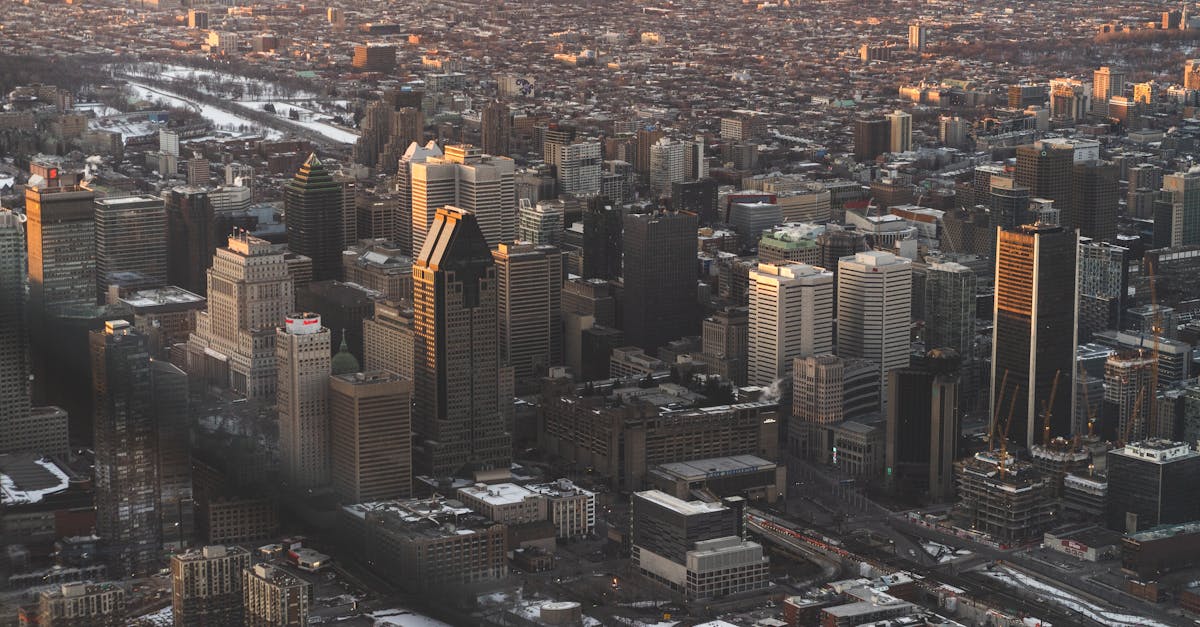
The best time to explore Montreal largely depends on your preferences for weather and activities. Spring, from March to May, brings milder temperatures and blooming flowers, creating a picturesque setting for outdoor activities. As the snow melts, festivals kick off, and crowds begin to swell, especially during the Montreal International Jazz Festival in late June to early July. Summer is warm, with temperatures often reaching the 80s°F. This is peak tourist season, and while the city is lively, accommodation prices may be higher and attractions can be crowded.
As summer fades, autumn takes center stage from September to November, showcasing a stunning display of fall foliage. The weather remains pleasant, making it an ideal time for walking tours and outdoor dining. This season also sees a decrease in tourist numbers, allowing for a more relaxed experience. Winter, from December to February, transforms Montreal into a snowy wonderland, perfect for those who enjoy winter sports and festive holiday markets. While temperatures can dip below freezing, the city’s cozy cafes and warm hospitality provide a charming escape from the cold.
Where to Stay in Montreal#
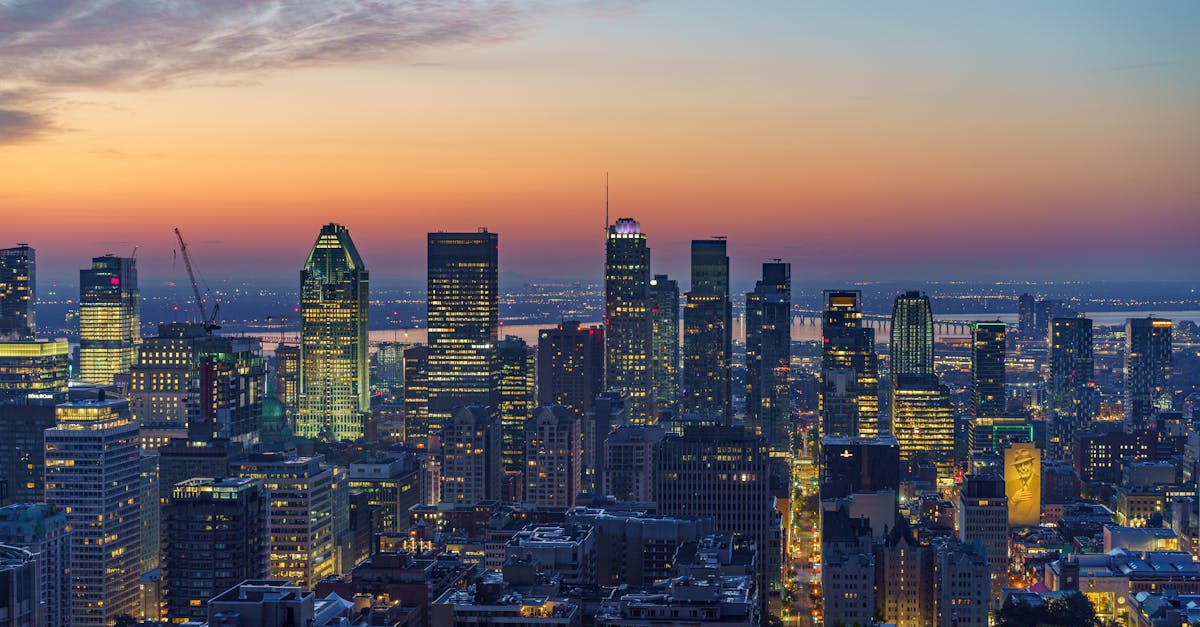
Choosing the right neighborhood can enhance your Montreal experience significantly. For budget travelers, the Plateau Mont-Royal area offers a bohemian vibe with affordable accommodations, along with an array of cafes and boutiques. This neighborhood is known for its artistic flair and is within walking distance to many attractions.
If you prefer a mid-range option, the Downtown area is an excellent choice. This busy hub features shopping, dining, and easy access to major attractions like the Montreal Museum of Fine Arts. Here, you’ll find a mix of modern hotels and historic buildings, providing various options to suit different tastes.
For those seeking luxury, consider staying in the Old Montreal district. This area is steeped in history, with cobblestone streets and stunning architecture. Upscale hotels here often feature amenities such as fine dining and spa services, allowing for a truly indulgent stay. Additionally, the Griffintown neighborhood has emerged as a trendy area with luxury accommodations, stylish restaurants, and a lively arts scene, making it another excellent choice for discerning travelers.
Top Things to Do in Montreal#
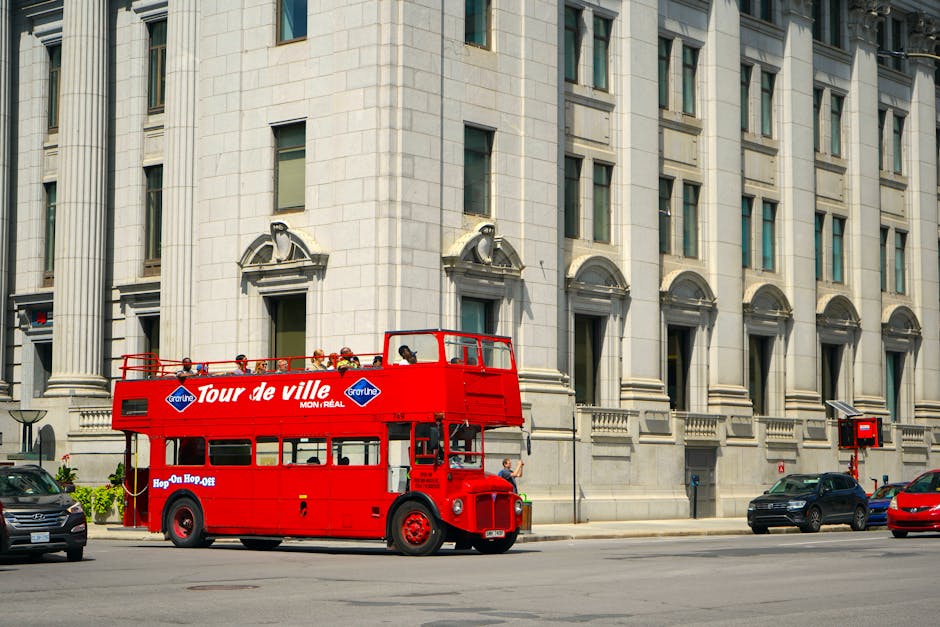
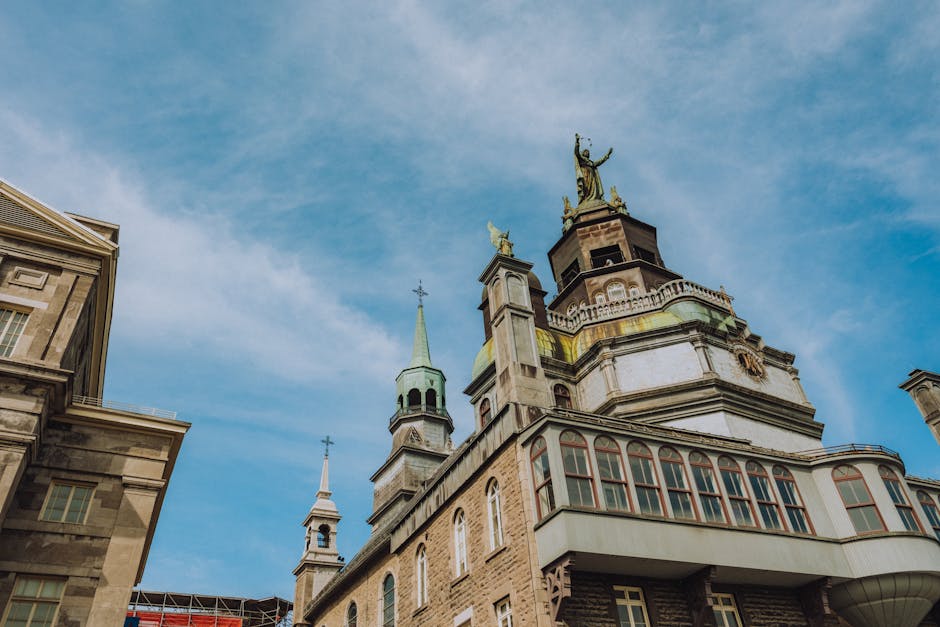
Exploring Old Montreal is like stepping back in time, where historic buildings line the streets and cafes spill onto the sidewalks. The Notre-Dame Basilica, with its stunning stained glass and intricate woodwork, is worth visiting. Nearby, the Old Port offers a scenic waterfront, perfect for leisurely strolls or enjoying activities like zip-lining and paddle boating.
Art enthusiasts should not miss the Montreal Museum of Fine Arts, which houses an impressive collection of Canadian and international art. For a taste of local culture, the Jean-Talon Market is a lively hub filled with fresh produce, local cheeses, and artisanal products. This market is an excellent place to sample local flavors and interact with the community.
Nature lovers will appreciate the Mount Royal Park, a sprawling green space that offers breathtaking views of the city. A hike to the summit rewards visitors with panoramic vistas, especially stunning during the fall when the foliage transforms into a palette of reds and golds. For a more relaxed experience, Parc La Fontaine is a beautiful spot to picnic or take a leisurely stroll.
For a unique perspective on the city, consider a visit to the Biosphere, an environmental museum located on Saint Helen’s Island. This striking geodesic dome is not only a marvel of architecture but also provides insights into ecological issues. Additionally, the Lachine Canal offers opportunities for kayaking and biking along its picturesque paths, showcasing another side of Montreal’s charm.
If you’re in the mood for entertainment, the Quartier des Spectacles is the city’s cultural heart, hosting concerts, festivals, and performances throughout the year. The area comes alive at night, with bars and clubs offering a lively nightlife scene. Lastly, don’t miss the opportunity to explore the Montreal Botanical Garden, featuring themed gardens and greenhouses that celebrate the diversity of plant life.
Food and Dining Guide#
Montreal’s food scene is a delightful reflection of its diverse culture. Start your culinary journey with poutine, a local favorite made of fries topped with cheese curds and smothered in gravy. This dish is a worth trying, especially from a street vendor late at night. For breakfast, indulge in a Montreal-style bagel, known for its unique texture and flavor, often enjoyed with cream cheese and smoked salmon.
As you explore the city, make sure to stop by a deli for a taste of the famous Montreal-style smoked meat sandwich. This hearty sandwich, typically served on rye bread, is a staple of the city’s culinary landscape, and the best delis will have you coming back for more. If you’re looking for something sweet, tarte au sucre (sugar pie) is a traditional dessert that showcases the region’s maple syrup.
For those who enjoy fine dining, the city boasts a range of high-end restaurants that focus on locally sourced ingredients and innovative cuisine. Pair your meal with a selection from the extensive list of local wines and craft beers available throughout the city. Street food is also thriving in Montreal, with food trucks offering everything from gourmet tacos to artisanal ice cream, making it easy to sample a variety of flavors on the go.
Getting Around Montreal#
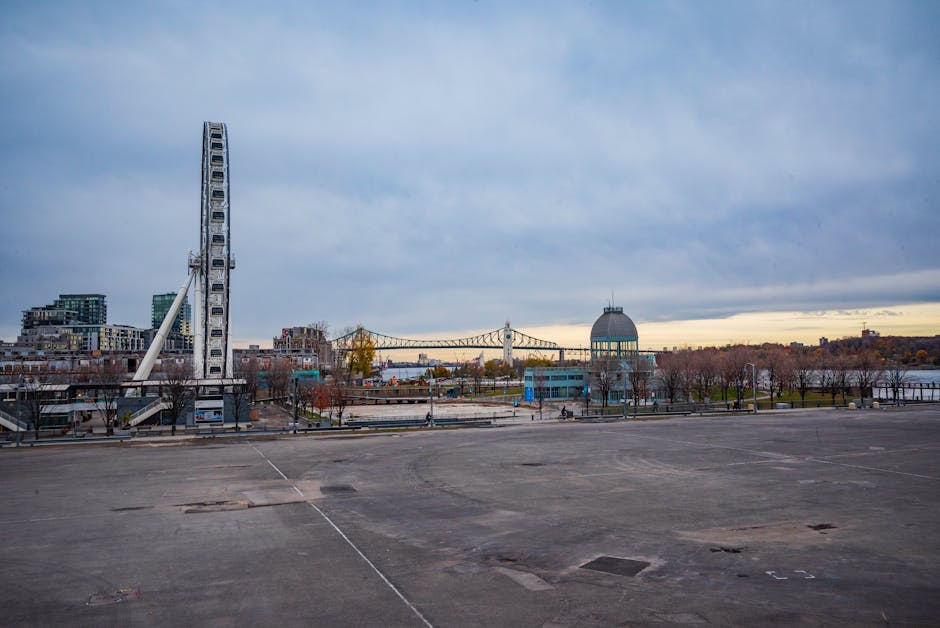
Navigating Montreal is straightforward, thanks to its efficient public transit system. The Metro is a reliable option, with four lines connecting various neighborhoods and attractions. It’s an affordable and convenient way to explore the city, especially during rush hours when traffic can be heavy. Additionally, buses complement the Metro, providing access to areas that may not be reachable by train.
Walking is another excellent way to experience Montreal, particularly in neighborhoods like Old Montreal and the Plateau, where charming streets invite leisurely exploration. The city is also bike-friendly, with numerous bike lanes and rental services available. For those who prefer a more personalized mode of transport, taxis and rideshare services are widely available.
If you plan to venture outside the city, renting a car can be beneficial, especially for day trips to nearby regions. However, parking can be limited and expensive in popular areas, so it’s wise to consider public transportation for city exploration.
Budget Breakdown#
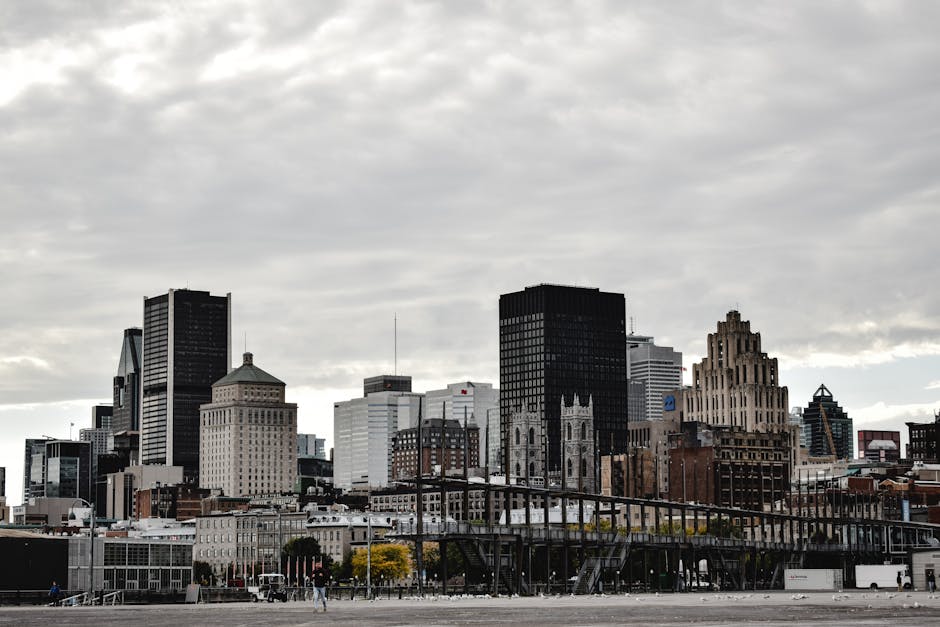
When planning your trip to Montreal, it’s essential to consider your budget. For budget travelers, daily expenses can range from $70 to $100, including hostel accommodations, street food meals, and using public transit. Mid-range travelers can expect to spend between $150 and $250 daily, allowing for comfortable hotels, dining at local restaurants, and entrance fees to various attractions. Luxury travelers should budget $300 or more per day, which includes upscale accommodations, fine dining experiences, and private tours.
Regardless of your budget, Montreal offers a range of experiences to suit your financial plans, ensuring that every traveler can enjoy the city’s charm and hospitality.
Travel Tips for Montreal#
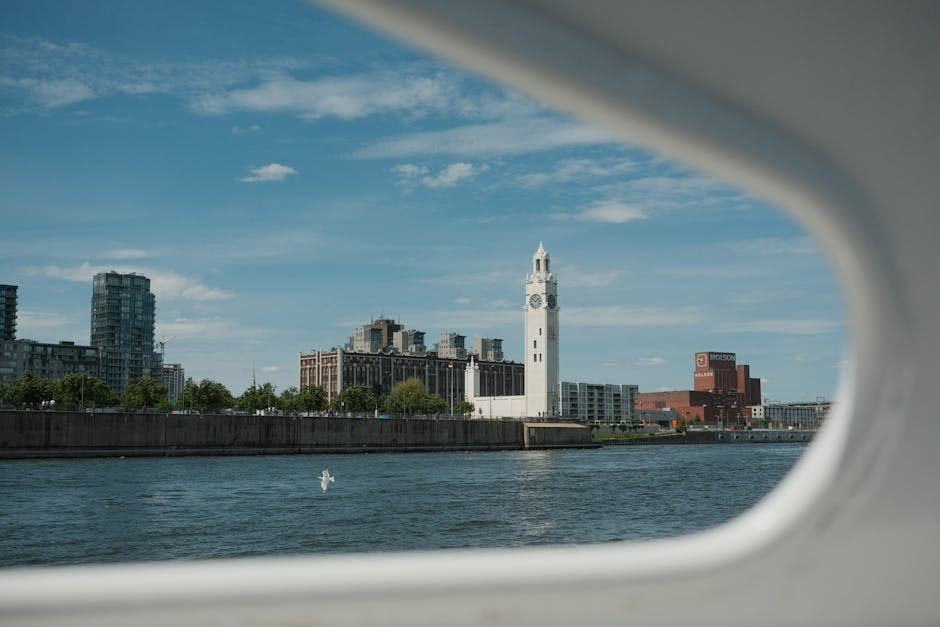
Language: While Montreal is a bilingual city, knowing a few basic phrases in French can enhance your experience. Many locals appreciate the effort, and it can lead to friendlier interactions.
Currency: The local currency is the Canadian dollar. Credit cards are widely accepted, but having some cash on hand for small purchases, especially in markets or food stalls, is advisable.
Weather Preparedness: Montreal experiences a diverse climate, so packing layers is essential, particularly during the spring and fall. Be prepared for sudden weather changes, especially if you plan to spend time outdoors.
Cultural Etiquette: Respect for both English and French cultures is important. Be mindful of language preferences when addressing locals and try to use “Bonjour” as a greeting.
Festival Calendar: Check the local event calendar before your visit. Montreal hosts numerous festivals throughout the year, and attending one can significantly enrich your experience.
Public Transit Passes: If you plan to use public transportation frequently, consider purchasing a transit pass. This can save you money and make getting around the city more convenient.
Safety: Montreal is generally safe for travelers, but like any city, it’s wise to stay aware of your surroundings, especially in crowded areas. Keep an eye on your belongings and avoid isolated areas at night.