📌 Disclaimer
Prices, schedules, tour details, flight routes, visa requirements, and all other information on this page are based on data at the time of writing. Fares, availability, and policies may change. Please verify current details on the official website before booking.
Why Visit Milan?#
The aroma of freshly brewed espresso mingles with the scent of warm pastries as you stroll through the streets of Milan. This northern Italian city, known for its fashion and design, offers a unique blend of history, art, and modernity. Milan stands out not only as a global fashion capital but also as a hub for business and culture, making it an essential stop for any traveler. Its architecture ranges from medieval to contemporary, showcasing stunning landmarks like the iconic Duomo di Milano and the sleek skyscrapers of the Porta Nuova district.
Milan is more than just a place for shopping and trendy cafes; it is a city that pulses with creativity and innovation. The Castello Sforzesco, a fortress that dates back to the 15th century, invites visitors to explore its museums and expansive grounds, while the Pinacoteca di Brera houses masterpieces from the Italian Renaissance. Whether you’re an art enthusiast, a fashion lover, or simply someone who appreciates good food and lively atmosphere, Milan has something to offer every type of traveler.
Best Time to Visit Milan#
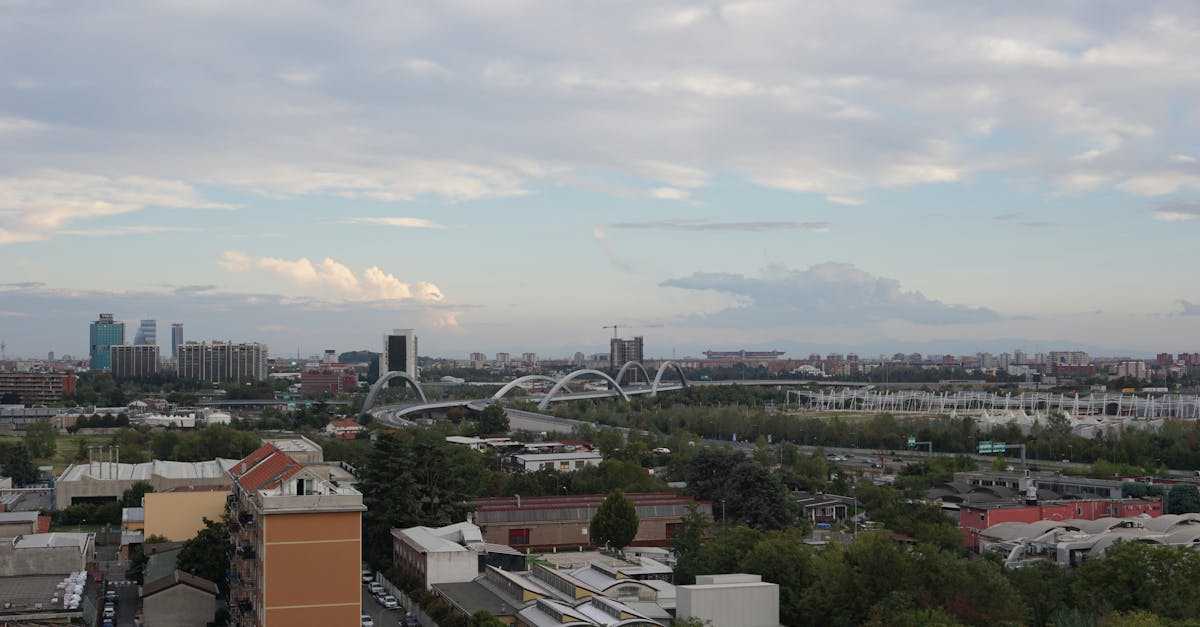
Milan experiences a temperate climate, characterized by four distinct seasons. Spring, particularly April to June, is an ideal time to visit, as temperatures range from the mid-50s to mid-70s Fahrenheit. During these months, the city comes alive with blooming flowers and outdoor events, making it perfect for strolling through parks and enjoying al fresco dining.
Summer, from July to August, can be quite warm, with temperatures often soaring into the high 80s. While this is peak tourist season, the city can feel crowded, especially around major attractions. If you don’t mind the heat, you can find some great deals on accommodations in late August when many locals take vacations.
Fall, particularly September to October, offers mild weather and fewer tourists, making it another favorable time to explore Milan. As the leaves change, the city takes on a different charm, and events such as Milan Fashion Week in September attract both fashion enthusiasts and industry insiders. Winter, from November to February, can be chilly, with temperatures dropping to the 30s and 40s. While this is the off-peak season, it’s also when you can experience Milan’s festive holiday markets and enjoy seasonal treats.
Where to Stay in Milan#
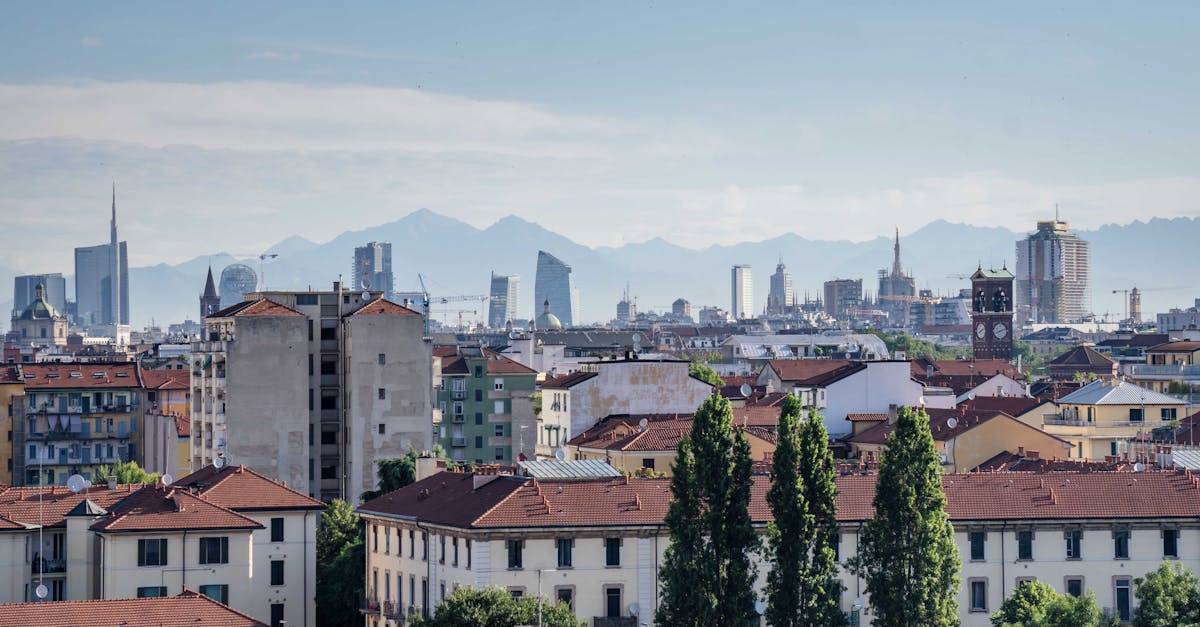
Choosing the right neighborhood can enhance your experience in Milan. For budget travelers, Navigli is a lively area known for its canals and bohemian atmosphere. This neighborhood features affordable hostels and guesthouses, along with a variety of bars and eateries that cater to a youthful crowd.
For those seeking mid-range options, Brera is a picturesque district filled with charming streets and art galleries. It’s centrally located, allowing easy access to popular attractions while offering boutique hotels and cozy bed-and-breakfasts.
If luxury is what you’re after, consider staying in the Quadrilatero della Moda area, Milan’s fashion district. This upscale neighborhood boasts high-end hotels and designer shops, making it a perfect choice for those looking to indulge in the finer things in life. Here, you can enjoy stunning views of the city while being steps away from top-notch dining and shopping experiences.
Another great option for luxury travelers is the Porta Nuova district, known for its modern skyline and chic ambiance. This area is home to several luxury hotels and offers a more contemporary vibe, with easy access to Milan’s business and cultural hubs.
Top Things to Do in Milan#
Milan is steeped in history and art, and no visit is complete without marveling at the Duomo di Milano. This magnificent Gothic cathedral, with its intricate façade and stunning spires, dominates the city’s skyline. Climbing to the rooftop provides breathtaking views of the city and a chance to admire the detailed craftsmanship up close.
A short walk away lies the Galleria Vittorio Emanuele II, an elegant shopping arcade that is a visual feast. The glass-vaulted ceilings and mosaic floors invite visitors to explore high-end shops and grab a coffee at one of its historic cafes.
Art lovers will want to make their way to Santa Maria delle Grazie, home to Leonardo da Vinci’s famous mural, The Last Supper. Be sure to book tickets in advance to ensure you can witness this iconic artwork. For those interested in contemporary art, the Museo del Novecento showcases 20th-century Italian masterpieces in a stunning setting with views of the Duomo.
Beyond the well-trodden paths, Sempione Park offers a peaceful escape from the city’s hustle and bustle. This expansive green space features walking trails, a beautiful pond, and the imposing Castello Sforzesco, where you can explore museums and exhibitions.
For a taste of Milan’s lively nightlife, head to the Navigli District. Known for its picturesque canals, this area comes alive in the evenings with bars and restaurants lining the waterfront. Enjoy an aperitivo, a pre-dinner drink accompanied by light snacks, while watching the sunset over the canals.
If you’re a fashion enthusiast, don’t miss the Museo del Costume for a look at Milan’s fashion history. The museum showcases various exhibits that detail the evolution of style in Italy, offering insights into the country’s influential fashion scene.
For a unique experience, visit the Cimitero Monumentale, a stunning cemetery that doubles as an open-air museum. Here, elaborate tombs and sculptures pay tribute to famous Milanese figures, providing a reflective space away from the city’s busyness.
Finally, explore in the local atmosphere by exploring the Mercato di Porta Genova , a busy market where you can find fresh produce, local cheeses, and artisanal products. It’s an excellent spot to experience the everyday life of Milanese residents.
Food and Dining Guide#
Milan’s culinary landscape is as diverse as its culture, offering a range of dishes that reflect the region’s flavors. One worth trying dish is Risotto alla Milanese, a creamy rice dish flavored with saffron that embodies the essence of northern Italian cuisine. Pair it with a glass of local wine for a delightful meal.
Another local favorite is Ossobuco, a slow-cooked veal shank served with gremolata, often accompanied by polenta or risotto. This hearty dish is perfect for those looking to indulge in traditional Milanese flavors.
For a quicker bite, sample Panzerotti, a type of savory pastry filled with cheese and tomato or other ingredients, often found at street vendors and bakeries. These delicious snacks make for a perfect on-the-go meal, especially when exploring the busy streets.
Don’t miss the opportunity to try Cotoletta alla Milanese, a breaded veal cutlet that is a staple in local restaurants. Enjoy it with a side of seasonal vegetables or a fresh salad for a satisfying meal.
If you’re looking for something sweet, Panettone is a must during the winter months. This traditional Italian Christmas cake, filled with candied fruits and raisins, is a delightful treat that you can find in bakeries throughout the city.
Milan’s dining scene ranges from casual trattorias to upscale restaurants, allowing you to experience local flavors in various settings. Consider dining in the neighborhoods of Brera or Navigli for a more intimate atmosphere, where you can savor authentic Italian dishes while enjoying the local ambiance.
Getting Around Milan#

Navigating Milan is straightforward, thanks to its efficient public transportation system. The metro, buses, and trams connect various parts of the city, making it easy to reach major attractions. The metro operates frequently, and purchasing a day pass can be a cost-effective way to explore.
Walking is also a great option, especially in the city center, where many landmarks are within close proximity. The pedestrian-friendly streets invite leisurely strolls, allowing you to discover charming cafes and boutiques along the way.
While taxis are available, they can be more expensive compared to public transport. If you prefer the convenience of a private vehicle, consider renting a car, but be aware that driving in the city can be challenging due to traffic and limited parking options.
Biking is another popular way to get around, with various bike-sharing services available. This eco-friendly option allows you to explore the city at your own pace, taking in sights that you might miss while on public transport.
Budget Breakdown#

When planning your trip to Milan, it’s essential to consider your daily budget. For budget travelers, accommodations typically start around $30-50 per night in hostels or affordable guesthouses. Meals can be enjoyed at local trattorias for about $10-15, and public transport costs around $2 per ride.
Mid-range travelers can expect to spend $100-200 per night for comfortable hotels or boutique stays. Dining at mid-range restaurants may cost $20-40 per meal, with an additional $10-15 for drinks. Public transport remains an affordable option, and you might allocate a little extra for entrance fees to attractions.
For luxury travelers, accommodations in upscale hotels can range from $250-500 per night or more, depending on the location and amenities. Fine dining experiences can set you back $50-100 per person, especially at renowned restaurants. With private transport or guided tours, your daily expenses may add up, but the convenience and exclusivity can make it worthwhile.
Travel Tips for Milan#
Language: While many people in Milan speak English, learning a few basic Italian phrases can enhance your experience. Simple greetings and polite expressions can go a long way in connecting with locals.
Dress Code: Milan is known for its fashion, so dressing well can help you blend in. While casual attire is acceptable, opt for stylish yet comfortable clothing, especially when visiting upscale restaurants or shops.
Cultural Etiquette: Italians appreciate politeness, so remember to greet shopkeepers and waitstaff with a friendly “buongiorno” (good morning) or “buonasera” (good evening). Tipping is not mandatory but is appreciated; rounding up the bill or leaving small change is common.
Reservations: For popular attractions like the Duomo and The Last Supper, booking tickets in advance is advisable to avoid long lines. Many restaurants also accept reservations, especially for dinner, so consider planning ahead.
Local Events: Keep an eye on local events and festivals, as Milan hosts various cultural happenings throughout the year. These can provide a unique insight into Milanese life and traditions, from art exhibitions to food fairs.
Safety: Milan is generally safe for travelers, but like any major city, it’s wise to stay alert, especially in crowded areas. Keep an eye on your belongings and be cautious of pickpockets, particularly in tourist hotspots.
Transportation Apps: Downloading local transportation apps can simplify your travel experience. These apps provide real-time information on public transport schedules and routes, making it easier to navigate the city.
With its unique blend of history, art, and modern charm, Milan offers travelers an enriching experience that combines the best of Italian culture. Whether you’re savoring local cuisine, exploring iconic landmarks, or enjoying the lively atmosphere, Milan promises an adventure that will linger in your memories long after you leave.