📌 Disclaimer
Prices, schedules, tour details, flight routes, visa requirements, and all other information on this page are based on data at the time of writing. Fares, availability, and policies may change. Please verify current details on the official website before booking.
Why Visit Mgarr?#
The scent of wild thyme and sun-baked limestone hangs heavy in the air as you approach the elevated plateau of Mgarr. Unlike the frantic pace of the harbor towns or the packed beaches of the northern coast, this rural village feels like a step back into a quieter version of Mediterranean life. It serves as the agricultural heart of the island, where the horizon is defined by terraced fields rather than high-rise developments. For those who prioritize peace and a genuine connection to the land over artificial tourist infrastructure, this area offers a rare perspective on the Maltese identity.
Travelers choose this destination to escape the noise and connect with the island’s ancient layers. You can stand in a field that has been cultivated for centuries, looking out toward the sea, while knowing that some of the oldest free-standing structures on the planet sit just a short walk away. It is a place for slow mornings, long walks along the rugged cliffs, and evenings spent watching the sun dip below the horizon from a village square where the locals still outnumber the visitors.
Best Time to Visit Mgarr#
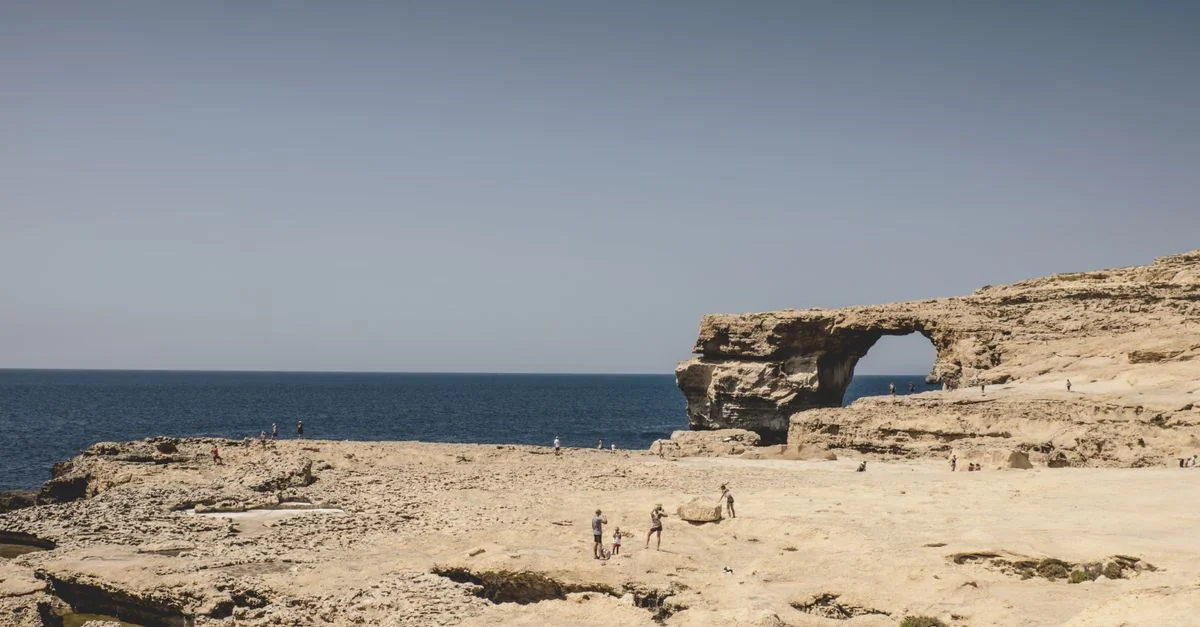
Choosing when to arrive depends entirely on your tolerance for heat and your interest in the outdoors. The spring months of April and May are widely considered the ideal window for visiting. During this time, the landscape is green and covered in wildflowers, and the temperature remains comfortable for walking the coastal paths without the intensity of the summer sun. Prices for lodging are generally lower than in the peak summer season, and the village remains quiet, allowing for a more authentic experience.
Summer, specifically from June through August, brings intense heat and a significant increase in visitors to the island. While the coastal breeze helps, midday temperatures can be challenging for those not accustomed to the Mediterranean climate. Prices for accommodation are at their highest during these months, and you should expect to book well in advance. If you prefer warmer water for swimming, September and early October are excellent choices, as the sea remains warm after the long summer months, but the oppressive heat begins to fade and the crowds thin out significantly.
Winter, spanning from November through February, offers the lowest prices and the most solitude. While you will encounter rain and cooler, windier days, the village maintains its charm. It is a quiet season where you can appreciate the history of the area without sharing the space with many other travelers. If you are looking for a retreat rather than a beach holiday, this is the most affordable and peaceful time to explore the rural interior of the island.
Where to Stay in Mgarr#

Finding a place to stay in this village often means choosing between renovated farmhouses and smaller, family-run guesthouses. If you are looking for a budget-friendly stay, focus on the outskirts of the main village center. There are several modest apartments and traditional stone houses that offer self-catering options, allowing you to shop at local markets and prepare your own meals. These locations provide a quiet base and are usually within walking distance of the village core, where you can find basic amenities and local cafes.
For those seeking a mid-range experience, look for converted farmhouses located in the surrounding valleys. These properties often feature traditional architecture, such as thick limestone walls and internal courtyards, which help keep the interior cool. They provide a balance between comfort and traditional character, often situated close enough to the village to walk for dinner, but removed enough to offer views of the rolling hills and terraced farmland.
Luxury travelers will find their best options in the form of boutique villas or restored estates that offer modern amenities alongside historic charm. These properties frequently include private pools and expansive terraces that overlook the countryside. While they are more expensive, they offer a level of privacy and space that is difficult to find in the denser urban areas of the island. Staying in these homes allows you to experience the village like a resident, with the added benefit of high-end finishes and quiet, secluded surroundings.
Top Things to Do in Mgarr#
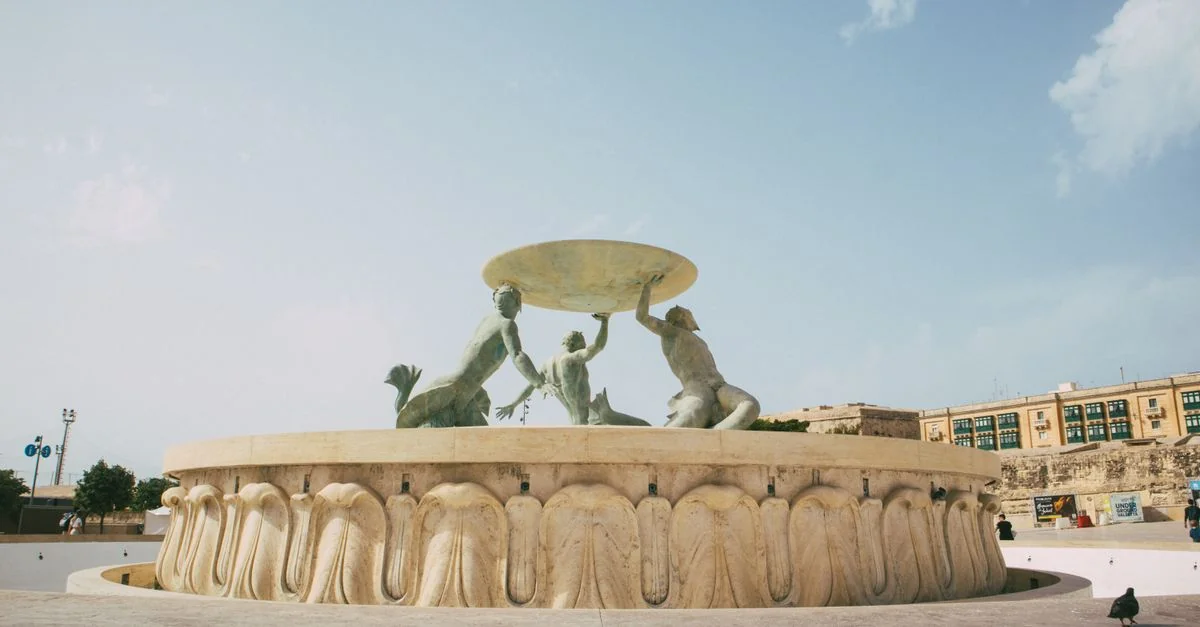
The primary draw for history enthusiasts is the Ta’ Hagrat Temples, which sit right on the edge of the village. These prehistoric ruins are among the oldest in the world, and because they are tucked away in a residential area, you can often explore them with very few other people around. The limestone blocks, stacked with precision thousands of years ago, offer a tangible connection to the Neolithic settlers who first called this island home. Nearby, the Skorba Temples provide a similar experience, showcasing the architectural ingenuity of early inhabitants in a setting that feels untouched by modern development.
For those who enjoy spending time outdoors, the Fomm ir-Rih cliffs offer some of the most dramatic scenery on the island. The trail leading to this secluded bay is rugged and steep, but the view of the sea crashing against the jagged coastline is unmatched. It is a challenging walk, so ensure you have sturdy footwear and plenty of water. If you prefer a less strenuous outing, the Mgarr Parish Church, dedicated to the Assumption of Mary, is a landmark that dominates the village skyline. Its distinctive oval dome is a feat of local engineering and serves as the social anchor of the community.
Walking through the Wardija Ridge provides a different perspective on the landscape, as it overlooks the northern plains and offers views that stretch to the neighboring islands. This area is perfect for those who want to see the agricultural side of the island, with ancient irrigation systems and dry-stone walls lining the paths. If you visit during the cooler months, the Gnejna Bay area is ideal for a quiet afternoon. While the beach is smaller than those in the north, it is surrounded by clay slopes and limestone cliffs that make it a beautiful spot for a picnic or a walk along the water’s edge.
History continues at the Bingemma Gap, where you can find ancient cart ruts and a series of rock-cut tombs that date back to the Punic and Roman periods. These mysterious grooves in the rock are a subject of much debate among archaeologists and are best viewed during the late afternoon when the shadows highlight their depth. Finally, take time to simply walk the quiet streets of the village center, where you can see the Mgarr War Shelter, a subterranean network that protected residents during the mid-twentieth century. Visiting these tunnels provides a sobering look at the resilience of the local population during times of conflict.
Food and Dining Guide#
The dining scene here is defined by freshness and a deep connection to the surrounding farmland. You should prioritize the local produce, especially the seasonal vegetables that are staples of the village diet. A worth trying dish is Fenek, or rabbit stew, which is considered the national dish of the island. It is typically slow-cooked in a rich tomato and wine sauce, resulting in tender meat that falls off the bone. You will find this served in most traditional village restaurants, often accompanied by crusty bread for dipping into the sauce.
Another local staple is Pastizzi, a savory pastry typically filled with either ricotta cheese or mushy peas. While you can find these throughout the island, the ones baked in village ovens are often superior, featuring flaky, buttery layers that are best enjoyed warm. For a more substantial meal, look for Bragioli, which are thin slices of beef rolled with a mixture of herbs, eggs, and breadcrumbs, then braised in a flavorful sauce. This dish highlights the influence of Mediterranean traditions on local cooking.
When visiting in the summer, make sure to sample the local Lampuki, a seasonal fish that is often fried or baked with tomatoes, olives, and capers. It is a light, flavorful dish that perfectly complements the warm climate. For a quick snack, try Hobz biz-zejt, a traditional Maltese bread rubbed with ripe tomatoes and drizzled with local olive oil, often topped with capers and tuna. Most of the dining options are family-run, so expect a casual atmosphere where the focus is on hearty portions and fresh, locally sourced ingredients rather than formal presentation.
Getting Around Mgarr#
Navigating the area is best done with a rental car, as public transit schedules can be infrequent and limited in the more rural sections. Having your own vehicle allows you the freedom to reach the coastal cliffs and remote valleys at your own pace. Keep in mind that driving is on the left side of the road, and the village streets can be quite narrow, so opt for a smaller car if possible. Parking in the village center is generally manageable, though it can become busy during local festivals or on weekends.
Public buses do serve the area, connecting the village to the major transport hubs on the island. This is a budget-friendly option if you are patient and do not mind adhering to a fixed schedule. However, if you plan on visiting multiple sites in a single day, the bus may prove restrictive. Taxis are available, though they are more expensive and should be booked in advance, especially if you are traveling during the evening or from more isolated spots. Walking is a great way to explore the village itself and the immediate surrounding fields, but for reaching the coast, you will likely need a motorized form of transport.
Budget Breakdown#
Travelers on a budget can manage quite comfortably if they opt for self-catering apartments and focus on free activities like hiking and visiting the historic sites. By shopping at the local village stores and using public transport, you can keep daily costs in the lower range. These travelers typically prioritize experiences over luxury, spending most of their funds on simple, hearty meals and modest accommodation.
Mid-range travelers can expect to pay more for converted farmhouses and private transport, such as a rental car. This budget allows for dining out at local restaurants for most meals and perhaps booking a few guided tours or private excursions. You will find that this tier offers the best balance of comfort and immersion, providing a private space to retreat to after a day of exploring the rugged landscape.
Luxury travelers will find the highest costs associated with boutique villas and private drivers. This tier allows for complete flexibility in scheduling and comfort. While the village is not a traditional luxury destination, the high-end farmhouses offer a secluded, premium experience that is well-suited for those who want to combine privacy with the authentic character of the Maltese countryside.
Travel Tips for Mgarr#
Sun Protection is essential, even during the cooler months. The Mediterranean sun is strong, and the lack of shade in the open fields and coastal areas means you should always carry a hat, sunglasses, and high-SPF sunscreen. Even if it feels breezy, the UV index remains high throughout the year, so be proactive about your skin health.
Footwear should be chosen with care. The terrain around the village is rocky, uneven, and often covered in loose gravel. If you plan on walking the coastal paths or exploring the areas around the temples, bring sturdy hiking shoes or trainers with good grip. Flip-flops are fine for the village square but will not serve you well on the trails.
Water Consumption is a priority when you are out exploring. The dry, limestone landscape can be dehydrating, and there are very few natural springs or public fountains in the rural areas. Always carry more water than you think you will need, especially if you are heading out for a long hike along the cliffs.
Respect for Local Customs goes a long way in this tight-knit community. While the village is welcoming to visitors, it is important to remember that it is a working agricultural center. When walking through fields, stick to the marked paths and avoid touching crops or climbing over dry-stone walls, which are historic boundaries that require careful preservation.
Language is generally not a barrier, as English is an official language in Malta and widely spoken by residents. You will have no trouble communicating in shops, restaurants, or when asking for directions. Learning a few basic words in the local language, however, is always appreciated by the older generation and can help you build rapport with local business owners.
Timing your visits to the historic sites can help you avoid the heat and the crowds. Most of the temples and outdoor attractions are best visited in the early morning or late afternoon. Not only is the light better for photography, but you will also avoid the peak temperatures of the midday sun, making your exploration much more comfortable.
📌 Disclaimer
Prices, schedules, tour details, flight routes, visa requirements, and all other information on this page are based on data at the time of writing. Fares, availability, and policies may change. Please verify current details on the official website before booking.
📌 More about Mgarr