📌 Disclaimer
Prices, schedules, tour details, flight routes, visa requirements, and all other information on this page are based on data at the time of writing. Fares, availability, and policies may change. Please verify current details on the official website before booking.
Why Visit Menorca?#
The scent of wild rosemary clings to the warm Mediterranean breeze as you step onto the limestone cliffs overlooking the sea. Unlike its louder neighbors in the Balearic archipelago, Menorca operates on a slower frequency. It is an island defined by its preserved landscape, where strict zoning laws have prevented the high-rise sprawl found elsewhere in Spain . For travelers seeking a balance between accessibility and tranquility, this island offers a landscape of rolling hills, ancient stone walls, and quiet coves that feel remarkably untouched by the frantic pace of modern tourism.
What truly sets this destination apart is the sense of scale. You can drive from one end of the island to the other in under an hour, yet the geography changes from the rugged, wind-swept northern coast to the soft, pine-fringed bays of the south. It is a place where the history is etched into the earth through prehistoric stone structures, and where the daily rhythm is dictated by the sun and the tide rather than a busy itinerary. For Americans accustomed to the frenetic energy of major European capitals, the quietude here is not just a vacation feature; it is the primary attraction.
Best Time to Visit Menorca#
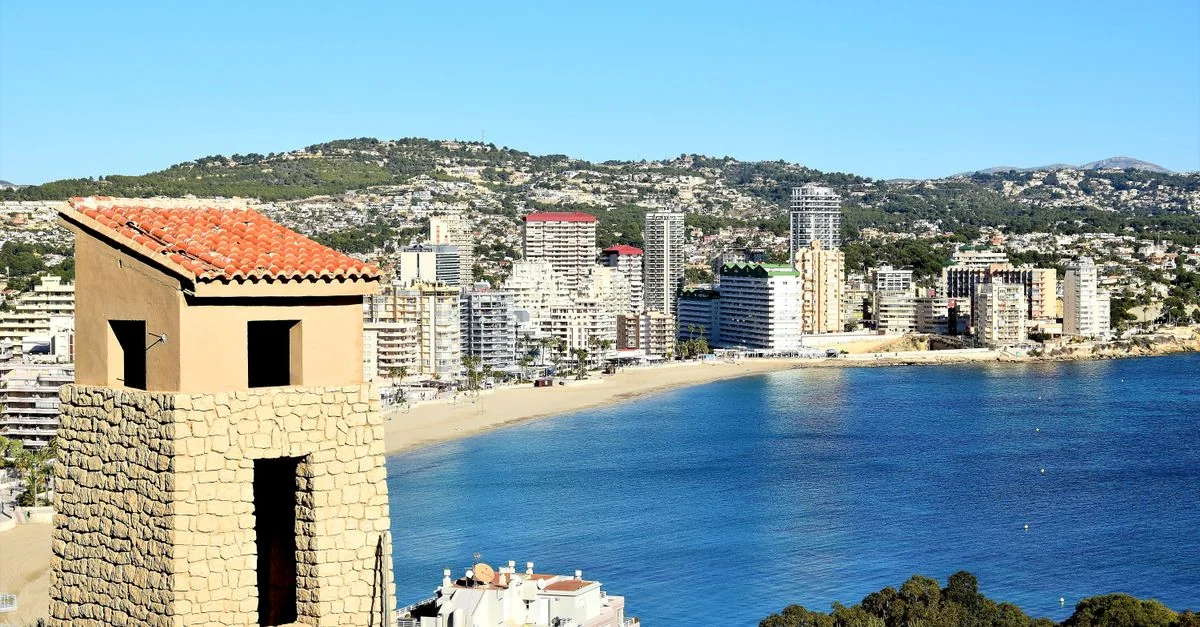
Planning your trip requires an understanding of the Mediterranean climate and the seasonal shifts in island life. The months of May, June, September, and October represent the sweet spot for most visitors. During these shoulder months, the weather remains warm enough for swimming, yet the intense heat of the peak summer season has either not arrived or has begun to fade. You will find that the island feels more authentic during these times, as the local population is not overwhelmed by the volume of visitors, and the prices for rental cars and accommodations are significantly more reasonable than in the height of July and August.
July and August are the peak months, bringing high temperatures and the largest crowds. While the water is at its most inviting, the popular beaches can become quite packed by mid-morning, and you will need to book your rental vehicle and lodging months in advance to secure availability. If you prefer cooler temperatures and do not mind the occasional rain shower, the winter months offer a completely different experience. While the island effectively shuts down for tourism, with many restaurants and coastal facilities closing their doors, it becomes a peaceful great for hikers and cyclists who want to experience the trails without the heat. Pricing is at its lowest during this period, but you must be prepared for a much quieter, more solitary experience.
Where to Stay in Menorca#
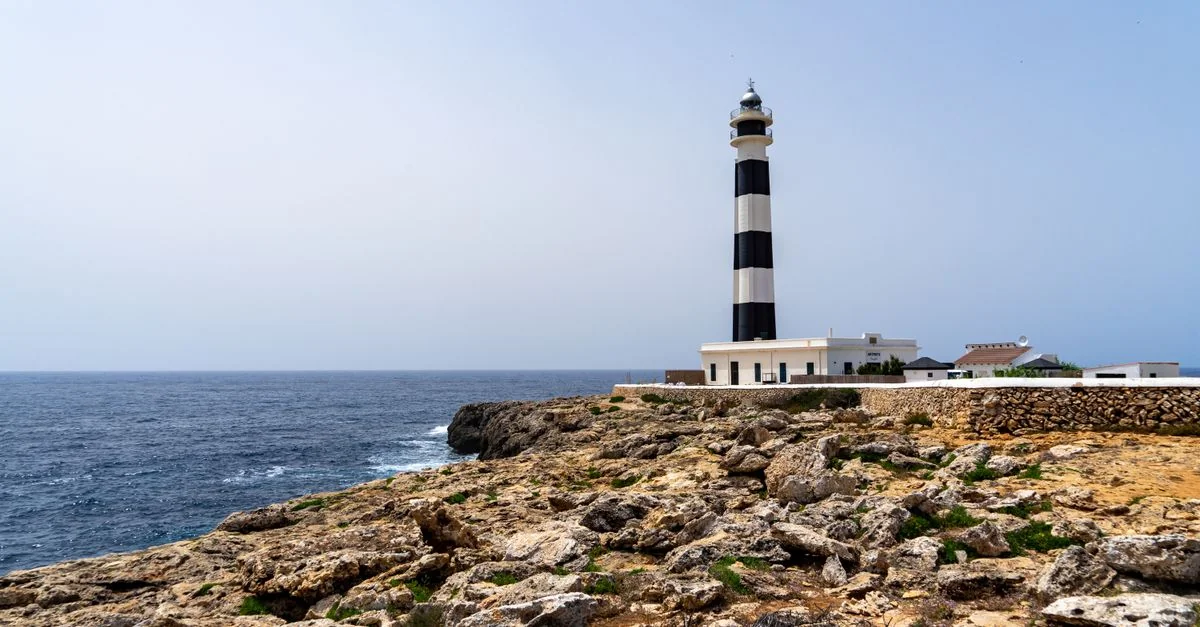
Choosing a base depends on your travel style and how much time you want to spend behind the wheel. The capital city, Mahón, sits on the eastern side of the island and overlooks one of the largest natural harbors in the world. Staying here is ideal if you enjoy proximity to the airport, a wide selection of restaurants, and easy access to the ferry terminals. You will find a range of options from basic guesthouses tucked into the narrow streets of the old town to upscale boutique properties overlooking the water. It serves as a practical hub for those who want to explore the eastern and northern parts of the island.
On the opposite side, Ciutadella serves as the historic heart of the west. This city is often considered the most aesthetic part of the island, featuring honey-colored stone buildings, grand palaces, and a narrow, deep-water port. Staying here puts you in the center of the action, with excellent dining and a distinct, sophisticated atmosphere. Accommodations here lean toward the mid-range and luxury tiers, often housed in restored historic mansions. For those looking for a quieter, family-oriented experience, the southern resort areas near Cala Galdana offer a more relaxed approach. These areas are characterized by purpose-built vacation apartments and villas that cater to beachgoers. While these spots lack the historic charm of the two main cities, they provide immediate access to some of the most famous white-sand beaches on the southern coast, making them a preferred choice for travelers who prioritize proximity to the water over city nightlife.
Top Things to Do in Menorca#
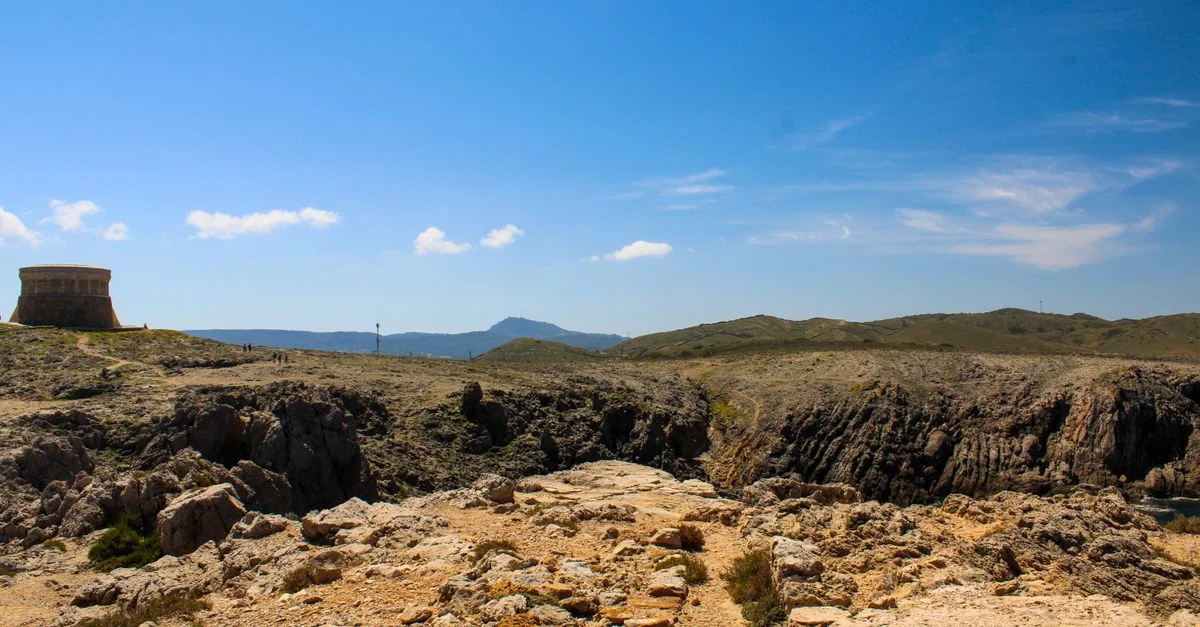
The island is home to a vast network of prehistoric sites known as talayots, and the Naveta d’Es Tudons stands as the most impressive of these funerary monuments. This ancient burial chamber, constructed without mortar, dates back thousands of years and offers a glimpse into the mysterious early civilizations that inhabited the island. After exploring the ruins, head toward the coast to walk a portion of the Camí de Cavalls. This historic bridle path circles the entire island, providing access to secluded coves and dramatic cliffside views that are otherwise impossible to reach by vehicle. Even a short hike along this trail reveals the raw, unmanicured beauty of the northern coastline.
For those interested in the island’s maritime history, a visit to Fort Marlborough provides an interactive look at the 18th-century conflicts between the British and the Spanish. The fort is carved directly into the rock and offers a fascinating perspective on the strategic importance of the harbor. If you prefer to stay outdoors, spend an afternoon at Cala Mitjana, a pristine bay framed by pine trees and limestone walls. The water here is exceptionally clear, making it a perfect spot for swimming or simply observing the marine life from the shore. Nearby, the smaller, more secluded Cala Mitjaneta offers a tighter, more intimate beach experience if you arrive early enough to claim a spot.
To see the island from a different perspective, hike up to the summit of Monte Toro, the highest point on the island. On a clear day, the view stretches across the entire landmass, allowing you to see the jagged northern shore and the southern plains simultaneously. It is a quiet, contemplative place, topped by a small sanctuary and a statue that overlooks the rolling fields below. For a change of pace, visit the Lithica Pedreres de s’Hostal, an abandoned limestone quarry that has been transformed into a monumental labyrinth and garden. The sheer scale of the stone cuts and the contrast between the white rock and the emerging greenery make it one of the most unique sites on the island. Finally, make time for the Ciutadella Harbor at sunset. Watching the boats drift into the narrow port while the light turns the stone buildings to gold is a quintessential experience that captures the calm spirit of the island perfectly.
Food and Dining Guide#
The culinary landscape of Menorca is deeply rooted in its agricultural traditions and its history as a crossroads for different cultures. You cannot leave without trying Caldereta de Langosta, a rich and savory lobster stew that is considered the island’s signature dish. It is typically served in coastal fishing villages and is best enjoyed as a long, leisurely lunch. For a simpler snack, look for Sobrassada, a soft, cured sausage seasoned with paprika that is often spread on rustic bread. It has a distinct, deep flavor that reflects the local preference for pork-based products prepared with traditional techniques.
When you are looking for something sweet, Ensaimada is the go-to pastry. While it is found throughout the Balearic Islands, the Menorcan version is often lighter and less sugary than those found on the mainland. It is a spiral-shaped dough that can be enjoyed plain or filled with cream or pumpkin preserve. You should also sample Mahón Cheese, a firm, cow’s milk cheese with a slightly salty and sharp profile, which is produced locally and served in almost every restaurant. For dining, look for small, family-run taverns in the interior villages rather than the tourist-heavy spots near the beaches. These locations often feature a menu of the day that highlights seasonal vegetables and fresh fish caught that morning. Street food is less common here than in the cities of mainland Spain, but you will find plenty of bakeries selling savory empanadas and local pastries that are perfect for a picnic on the beach.
Getting Around Menorca#
The most practical way to see the island is by rental car. Because the public transportation system is primarily designed to connect the main towns rather than the remote beaches, a car provides the freedom to explore the hidden coves and inland villages on your own schedule. You should book your vehicle well in advance, especially if you are visiting during the peak summer months, as supply can be limited. The roads are generally well-maintained, though you should be prepared for narrow, winding lanes when approaching the coast.
Public buses are a reliable option if you are staying in either Mahón or Ciutadella and only plan to visit the main tourist centers. The bus network is efficient and affordable, but it will restrict your ability to reach the more isolated spots. Taxis are available in the main towns, but they are not a cost-effective way to tour the island for the day. Walking is essential for accessing the beaches, as most parking lots are located a short distance from the sand, requiring a 10-to-20-minute trek through pine forests or over rocky paths. If you stay in one of the historic centers, you can easily navigate the town on foot, but you will need a vehicle or a pre-arranged transfer to get between the two major cities.
Budget Breakdown#
Your daily budget will vary significantly based on your choice of accommodation and your dining habits. For a budget traveler, sticking to local guesthouses, preparing your own picnics from grocery store supplies, and relying on the public bus system will keep costs at the lower end of the spectrum. You can expect to spend a modest amount per day, with the majority of your expenses going toward basic lodging and transportation.
Mid-range travelers can enjoy a more comfortable experience by renting a car, staying in boutique hotels or mid-sized apartments, and dining out for at least two meals a day. This tier offers the best balance of flexibility and comfort, allowing you to visit multiple beaches and towns without strict constraints. You will spend significantly more on fuel and rental fees, as well as restaurant bills, but you will gain the ability to explore the island at your own pace.
For those looking for a luxury experience, the budget increases to accommodate high-end villas with private pools, fine dining at the island’s top-rated restaurants, and private boat charters to reach the most inaccessible coves. At this level, you are paying for privacy and convenience, with costs reflecting the premium service and exclusive locations. Regardless of your budget, the island is highly accessible, and even the most modest trip can feel indulgent given the beauty of the natural surroundings.
Travel Tips for Menorca#
Sun Protection is a critical consideration during the summer months. The Mediterranean sun is intense, and the reflection off the white limestone and sand can lead to sunburns much faster than you might expect. Pack high-SPF sunscreen, a wide-brimmed hat, and polarized sunglasses, and try to avoid being in direct sunlight during the peak hours between noon and three in the afternoon.
Footwear choices should prioritize function over fashion. Because much of the island’s beauty is accessed via rocky paths and uneven dirt trails, you will need sturdy walking shoes or sandals with good grip. Leave the high heels and thin-soled shoes for the evening, as the cobblestone streets in the old towns can be difficult to navigate after a long day of walking.
Hydration is often overlooked by visitors who are distracted by the scenery. Always carry a reusable water bottle, as the heat can be dehydrating even if you do not feel particularly thirsty. While tap water is generally safe to drink, many locals and visitors prefer the taste of bottled water, which is readily available in all local shops and markets.
Reservation Etiquette is important during the high season. If you have your heart set on a specific restaurant or a boat excursion, make your bookings at least a few days in advance. Many of the best dining spots are small and fill up quickly, and spontaneous arrivals during the busy weeks of July and August often result in long waits or no availability at all.
Island Time is a real concept here, and you should adjust your expectations accordingly. Shops often close for a few hours in the afternoon for a rest, and dinner service rarely begins before eight or nine in the evening. Embracing this slower pace will help you feel more like a local and less like a tourist, allowing you to enjoy the quiet moments that make the island so special.
Trash Management is a serious responsibility on the island. Because many of the beaches are protected natural areas, there are rarely trash cans provided on the sand. You must be prepared to carry everything you bring to the beach back with you when you leave. Keeping the trails and coves clean is a point of pride for the local community, and as a visitor, your cooperation is essential to preserving the environment for future travelers.
📌 Disclaimer
Prices, schedules, tour details, flight routes, visa requirements, and all other information on this page are based on data at the time of writing. Fares, availability, and policies may change. Please verify current details on the official website before booking.
📌 More about Menorca