📌 Disclaimer
Prices, schedules, tour details, flight routes, visa requirements, and all other information on this page are based on data at the time of writing. Fares, availability, and policies may change. Please verify current details on the official website before booking.
Why Visit Mendoza?#
The scent of roasting woodsmoke and crushed purple grapes drifts on the high-desert wind, cutting through the crisp air blowing down from the Andes. Standing in the shadow of Mount Aconcagua, the highest peak in the Western Hemisphere, you realize this Argentine oasis operates on a different rhythm. Rows of old-vine Malbec stretch endlessly toward the horizon, framed by jagged, snow-dusted summits that turn pink and gold as the sun sets over the vineyards.
For travelers making the journey south from the United States , Mendoza offers a rare balance of rugged outdoor adventure and refined agricultural luxury. Irrigation canals, engineered by indigenous Huarpe peoples centuries ago and later expanded by European immigrants, turn the arid Cuyo region into a green sanctuary of tree-lined avenues and sprawling wine estates. You can spend your morning hiking glacial valleys where condors circle overhead, and your afternoon sitting beneath a pergola of leaves, tasting top-quality wines poured by the winemakers themselves.
Beyond the wine cellars, the region attracts those seeking open spaces and genuine hospitality. The pace is unhurried, encouraging long lunches that stretch into the evening and conversations shared over carafes of local red. Whether you are navigating gravel roads on a bicycle between winery gates or soaking your weary muscles in thermal springs high in the mountains, Mendoza delivers an authentic, grounding travel experience that feels worlds away from standard tourist hubs.
Best Time to Visit Mendoza#
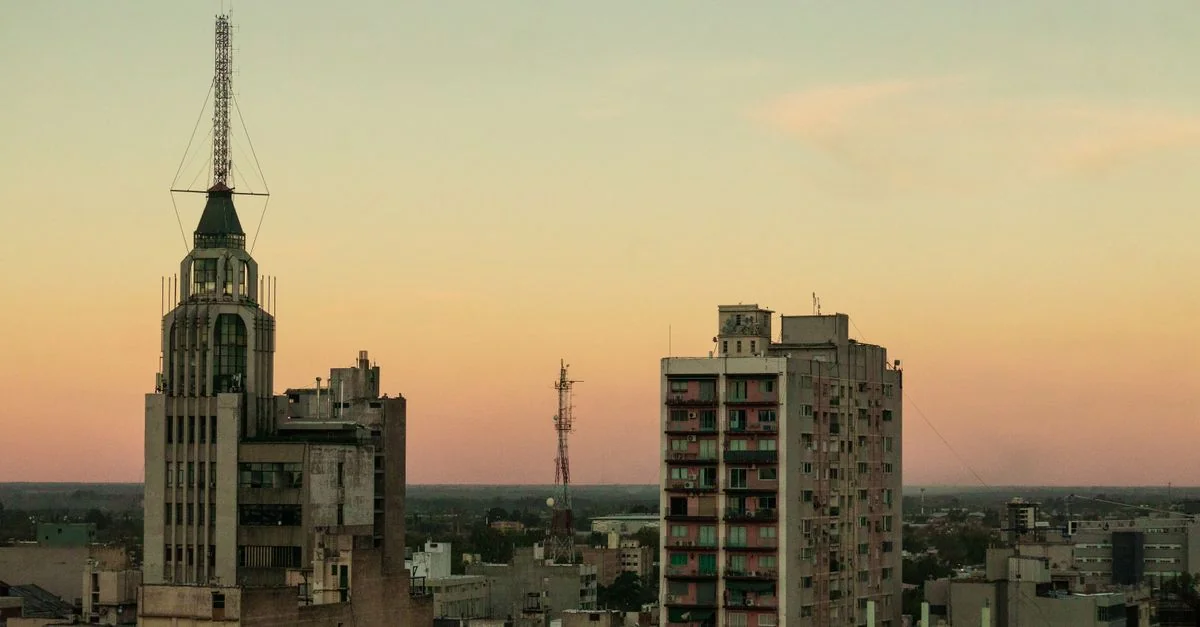
Planning your trip depends heavily on what you want to witness in the vineyards and the mountains. Harvest season, known locally as Vendimia, runs from February through April and marks the most popular time to visit. During February and March, the weather is warm and dry, daytime temperatures hover comfortably in the upper seventies and eighties, and the vineyards buzz with the energy of the grape pickers. Accommodation prices peak during this period, especially around the main festival celebrations in early March, so booking several months in advance is essential for American visitors traveling during these peak months.
As autumn deepens in April and May, the leaves on the vines turn brilliant shades of copper and amber, creating stunning photography opportunities against the backdrop of snowy peaks. Temperatures begin to drop, requiring a light jacket for evenings, but daytime weather remains pleasant for outdoor dining and cycling tours. Crowds thin out significantly during these months, and you can often secure better rates at local guesthouses and boutique inns.
Winter arrives in June and lingers through August, bringing crisp, sunny days and freezing desert nights. While vineyard tours slow down slightly, this season opens up access to nearby ski resorts like Penitentes and Los Penitentes, making it a dual-season destination. Prices for lodging drop to their lowest levels, offering great value for travelers who do not mind the cold. Spring returns in September and October, bringing blooming fruit orchards, warming temperatures, and a renewed sense of life to the region before the summer heat settles in again in November and December.
Where to Stay in Mendoza#
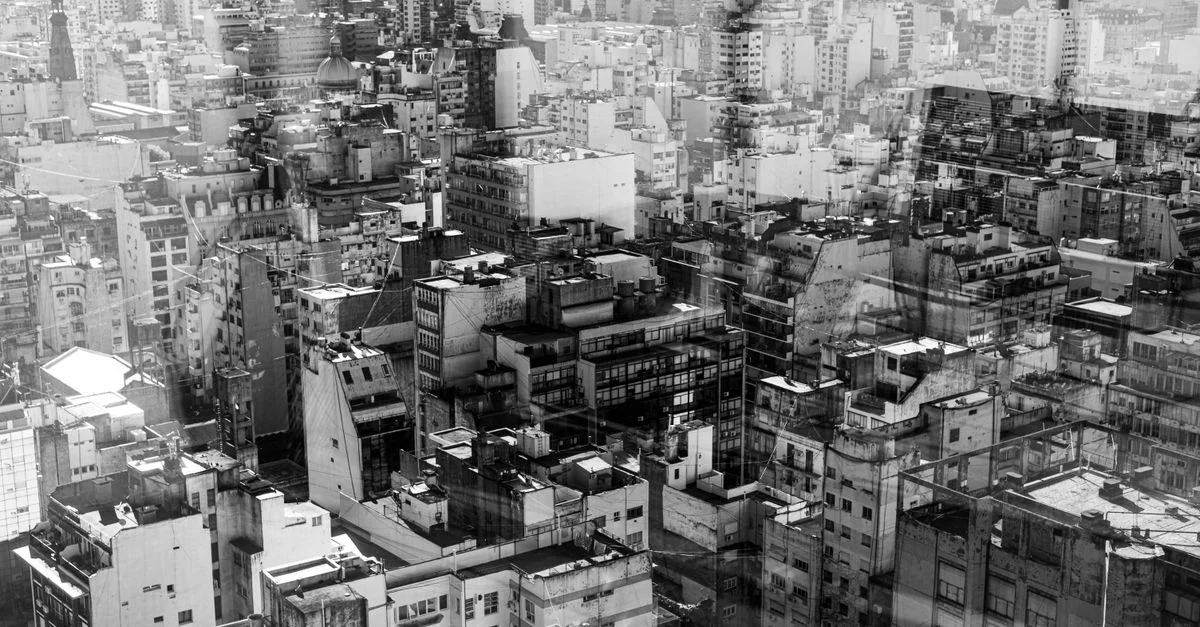
Choosing where to base yourself depends largely on whether you prefer city amenities or rural vineyard tranquility. Centro, the downtown core of Mendoza, serves as the most convenient base for travelers relying on public transport or walking. The neighborhood is organized around wide boulevards and five distinct public plazas, shaded by dense canopies of sycamore trees. Budget travelers can easily find affordable hostels and simple guesthouses here, while mid-range visitors can secure comfortable apartments or traditional hotels within walking distance of the central restaurant district.
Just west of the downtown area, Chacras de Coria feels like a relaxed country village despite being only twenty minutes from the city center. Cobblestone streets wind past historic adobe homes, craft markets, and leafy plazas that host lively weekend fairs. This neighborhood is ideal for mid-range to upscale travelers who want to be close to excellent restaurants and boutique wine shops without staying directly in the city. Accommodations here skew toward charming bed-and-breakfasts and mid-sized boutique properties surrounded by gardens.
Further south, Luján de Cuyo and Maipú form the heartland of the wine country. Staying in these rural zones means waking up surrounded by vines, often with private terraces overlooking the Andes. While budget options are sparse here, mid-range vineyard lodges and ultra-luxury wine estates offer an immersive experience. These properties often feature on-site restaurants, infinity pools facing the mountains, and private wine-tasting rooms, making them the top choice for travelers looking to splurge on comfort and scenic seclusion.
Top Things to Do in Mendoza#
The absolute cornerstone of any visit involves exploring the wine routes, and renting a bicycle to navigate the flat, shaded lanes of Maipú offers a wonderfully unhurried way to taste local varietals. You can pedal from one historic family-run bodega to the next, stopping to sample robust Malbecs and crisp Torrontés paired with homemade empanadas. For a more polished experience, the modern architectural marvels scattered across the Valle de Uco provide guided tours showcasing state-of-the-art gravity-fed wineries backed by dramatic mountain vistas.
When you need a break from wine tasting, Parque General San Martín offers a massive urban green space designed by the same landscape architect behind Buenos Aires ’s best parks. Walking along the grand iron gates leads you into eucalyptus-shaded paths, rose gardens, and the shores of Lake Regatas. You can climb the monument at Cerro de la Gloria within the park for panoramic views over the entire city and the desert plains stretching eastward.
Venture beyond the urban grid, and the landscapes grow dramatically wilder. The drive up the Ruta Nacional 7 canyon winds alongside the roaring Mendoza River, passing through dramatic rock formations and high-altitude tunnels toward the Chilean border. Along this route, Cacheuta Thermal Springs provides a welcome respite, featuring natural stone pools heated by geothermal activity right beside the rushing river water. Further up the highway, the Puente del Inca showcases a natural rock bridge stained bright orange and yellow by mineral springs, carrying centuries of geological and human history.
For serious hikers and mountaineers, the provincial park surrounding Mount Aconcagua offers day-use trails that venture deep into high-altitude glacial valleys. Walking beneath towering stone faces where Andean condors ride thermal drafts provides a humbling perspective on the sheer scale of the South American continent. Afterward, returning to the city to explore the underground history at the Area Fundacional Museum, which preserves the ruins of the original colonial city destroyed by an 1861 earthquake, grounds your appreciation for how the local population has adapted to this seismically active desert environment.
Food and Dining Guide#
Dining in Mendoza revolves around the ritual of slow eating, heavy cast-iron grills, and wines carefully selected to match each course. The local culinary identity draws heavily from Italian and Spanish traditions blended with native Andean ingredients, resulting in hearty, comforting fare designed to complement bold red wines.
No trip is complete without mastering the art of the traditional Asado, where cuts of beef are slowly cooked over red-hot coals of local mesquite and algarrobo wood. Bife de Chorizo, a thick and tender strip steak, and Ojo de Bife, the ribeye, anchor most restaurant menus, cooked simply with a dusting of coarse salt and served alongside fresh chimichurri.
Beyond steak, Empanadas Mendocinas are a staple found everywhere from street corners to high-end tasting menus. These baked or fried pastries are traditionally filled with hand-cut beef, onions, sweet paprika, hard-boiled eggs, and green olives, offering a quick and satisfying lunch on the go.
For a regional comfort food classic, Humita en Chala features a creamy, savory mixture of fresh corn, onions, milk, and cheese, steamed inside the sweetcorn husks until tender and fragrant.
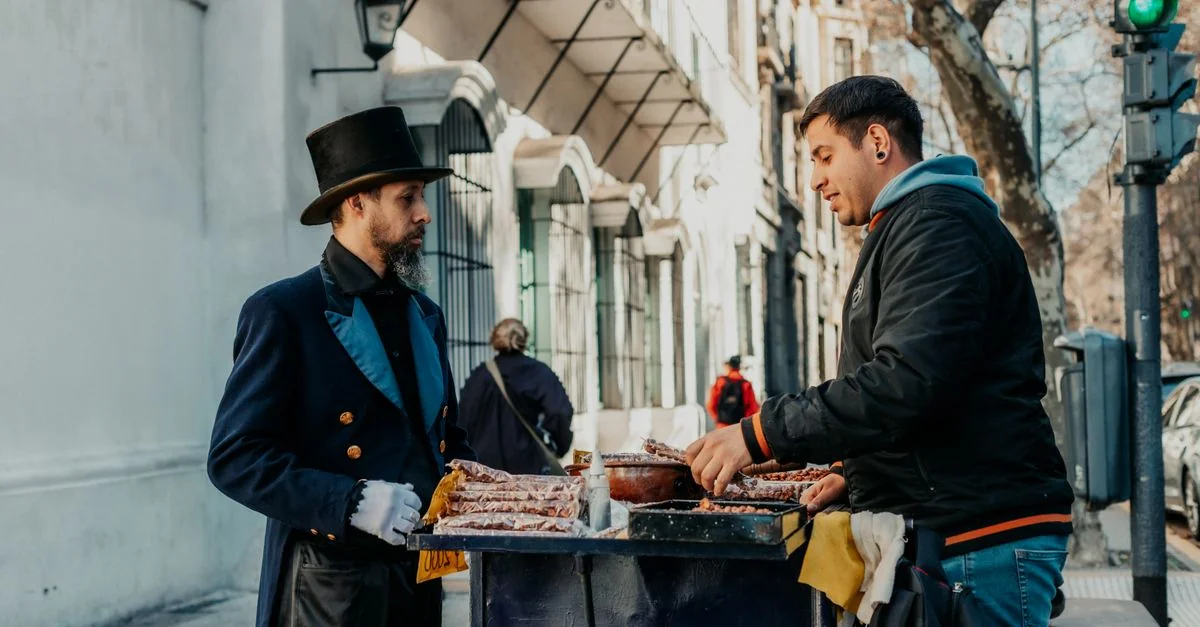
Street food stalls and casual neighborhood grills provide incredible value for travelers watching their expenses, serving up grilled sandwiches loaded with thin slices of beef and fresh tomato. Meanwhile, destination winery restaurants offer multi-course tasting menus prepared by celebrated chefs who harvest vegetables and herbs from their own on-site organic gardens just hours before service.
Getting Around Mendoza#
Navigating Mendoza is relatively straightforward, though your choice of transport depends entirely on your daily itinerary. The central grid of the city is exceptionally pedestrian-friendly, with wide sidewalks protected by deep irrigation channels and leafy trees that provide shade during the intense afternoon sun. Walking is the best way to explore the plazas, cafes, and museums of downtown.
For longer distances within the city and immediate suburbs, the local public transit system relies on a network of buses and the Metrotranvía, a light rail line that runs along old railway tracks. To use buses and the light rail, you must purchase and load a rechargeable plastic transit card at kiosks or subway stations, as cash is not accepted on board. Taxis and ride-sharing applications are widely available, highly affordable, and very convenient for getting back to your lodging after an evening of wine tasting.
When it comes to exploring the wine regions outside the city, relying on public buses becomes less practical due to infrequent schedules and long walking distances between estates. Renting a car gives you maximum freedom to explore Luján de Cuyo and the Valle de Uco at your own pace, though designated drivers are an absolute necessity given the generous pours at every winery stop. Alternatively, hiring a private driver for the day or booking group excursion vans allows everyone in your party to sample the wines safely without worrying about navigation or mountain driving conditions.
Budget Breakdown#
Mendoza accommodates a wide range of travel styles, offering great value for American visitors due to favorable exchange rates and local pricing structures.
For budget travelers keeping a close eye on expenses, a daily budget typically ranges from $40 to $70 USD. This covers a bed in a clean downtown hostel or shared guesthouse room, simple meals consisting of empanadas and local market fare, public transportation or rental bicycles, and self-guided walking tours of the city parks and free museums.
Mid-range travelers can expect to spend between $100 and $250 USD per day. This tier allows for comfortable stays in boutique bed-and-breakfasts in Chacras de Coria or comfortable downtown hotels, sit-down dinners at traditional steakhouses accompanied by good local wine, shared winery excursion tours with tastings included, and occasional taxi rides for evening outings.
Luxury travelers spending upwards of $350 to $700+ USD per day will unlock the highest tier of regional hospitality. This budget covers stays at exclusive vineyard lodges with private plunge pools, multi-course pairing lunches at top-tier winery restaurants, private chauffeured transportation through the mountain passes and wine roads, and bespoke outdoor adventures such as private trekking guides in the Andes.
Travel Tips for Mendoza#
Tipping culture in Argentina differs noticeably from what American travelers are accustomed to back home. While a standard service charge is not automatically added to most restaurant bills, leaving a tip of around ten percent in cash is customary for good service at sit-down dining establishments. Taxi drivers and parking attendants do not expect large tips, though rounding up the fare is always appreciated.
Hydration and sun protection are critical factors when visiting this high-altitude desert region. The dry air and intense Andean sun can lead to dehydration and sunburn much faster than expected, even on mild days. Carrying a reusable water bottle at all times, applying high-SPF sunscreen generously, and wearing a hat will keep you feeling energized throughout your daily explorations.
Cash and currency exchange require careful attention before you arrive. While major credit cards are accepted at hotels, high-end restaurants, and large wineries, having physical cash in Argentine pesos is essential for small shops, rural areas, tipping, and public transit. Bringing pristine, unblemished United States dollar bills allows you to exchange them easily at official exchange houses or through local financial channels for favorable rates.
Reservations for popular winery tours and estate lunches should be made weeks or even months in advance, particularly if you are traveling during the peak harvest months of February through April. Wineries operate on strict schedules for tastings and rarely accommodate walk-in visitors for multi-course dining experiences, so planning your itinerary ahead prevents disappointment at the gates.
Siesta hours still influence daily rhythms in Mendoza, especially outside the main downtown core. Many smaller shops, family-run businesses, and local services close their doors between the hours of two and five in the afternoon, reopening only in the early evening. Use these quiet afternoon hours to relax by the pool, enjoy a long lunch, or take a rest before the lively evening social scene begins.
📌 Disclaimer
Prices, schedules, tour details, flight routes, visa requirements, and all other information on this page are based on data at the time of writing. Fares, availability, and policies may change. Please verify current details on the official website before booking.
📌 More about Mendoza