📌 Disclaimer
Prices, schedules, tour details, flight routes, visa requirements, and all other information on this page are based on data at the time of writing. Fares, availability, and policies may change. Please verify current details on the official website before booking.
Why Visit Mazatlan?#
The scent of roasting chilies and salted butter drifts from open-air kitchens while yellow-and-black public taxis rumble past peeling pastel facades. This coastal city on the Pacific coast of Mexico manages a rare trick in modern tourism: it maintains an authentic local rhythm while welcoming sun-seeking travelers from the United States . Unlike some resort-heavy regions of Mexico designed entirely for quick vacations, this destination functions as a working port and a cultural hub where daily life continues uninterrupted by the tide of tourism.
Geography defines the appeal here, featuring miles of uninterrupted golden sand facing the open ocean alongside a massive historic core known as Viejo Mazatlan. Travelers find a destination where morning routines involve watching shrimp fleets return to harbor with their catches, while evenings center around the longest boardwalk in Latin America as locals gather to watch the sunset over the Pacific. It offers an easy escape for Americans looking for straightforward flight connections, genuine regional cuisine, and a beach vacation that requires no artificial resort bubble to feel safe and rewarding.
Best Time to Visit Mazatlan#
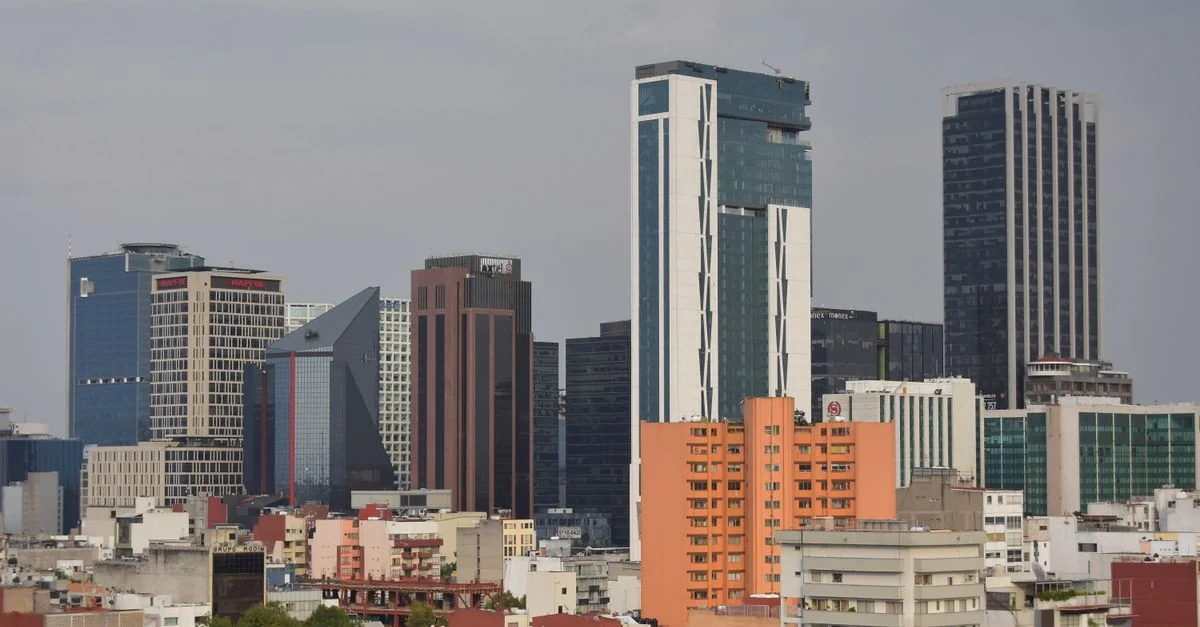
Planning a trip here depends largely on your tolerance for humidity and your desire for solitude versus social energy. The peak season runs from November through April, when daytime temperatures hover comfortably in the high seventies and low eighties Fahrenheit, and rain is virtually nonexistent. During these months, American travelers arrive in large numbers to escape winter weather up north, which means hotel rates and flight prices reach their annual peak, and popular restaurants require reservations or a patient wait.
The shoulder months of May and October offer a sensible compromise for those seeking lower prices and smaller crowds, though humidity begins to climb noticeably by late spring. Summer brings intense heat, frequent afternoon rain showers, and a dramatic drop in international tourism, making it a budget-friendly option if you do not mind high temperatures and can schedule your activities around midday downpours. Hurricane season peaks between August and October, so travelers visiting during these months should monitor weather forecasts closely and purchase practical travel insurance.
Where to Stay in Mazatlan#
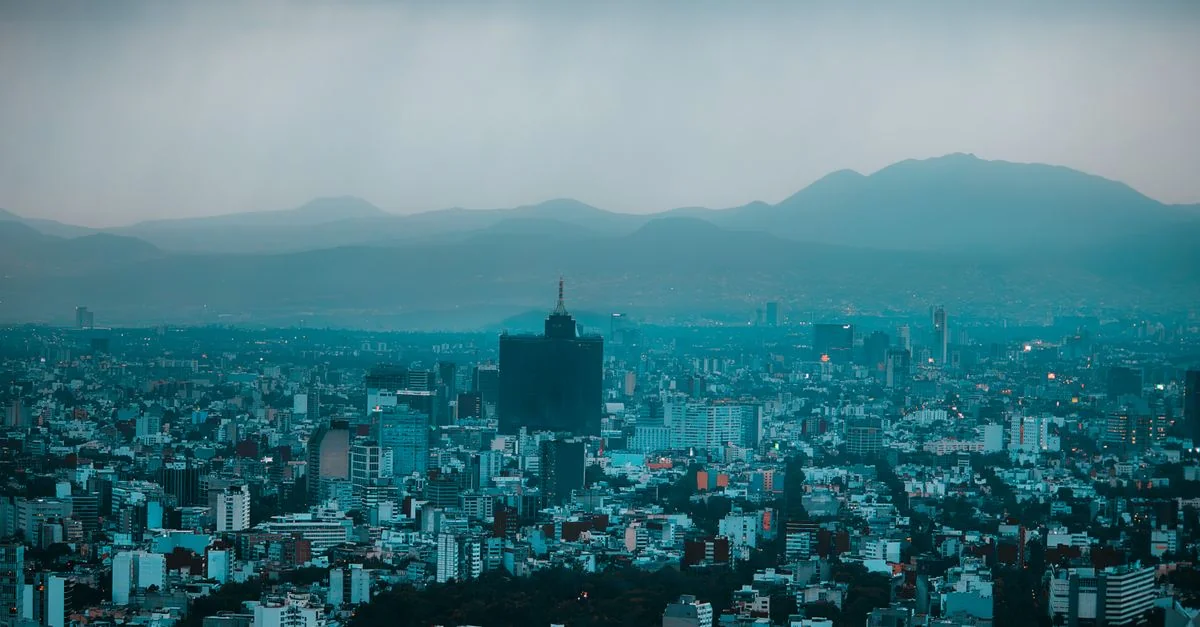
Choosing a neighborhood depends entirely on the style of vacation you prefer, as the city stretches along a massive coastline divided into distinct districts.
Olas Altas sits at the southern end of the city, adjacent to the historic center. This pocket appeals to travelers who prioritize historic architecture, ocean breezes, and walkability over large resort amenities. Budget and mid-range rentals here often occupy converted colonial-era buildings, offering charm and direct access to small pocket beaches. Prices are generally moderate, and guests can easily walk to local cafes and museums without relying on transit.
Moving northward brings you to the Malecón and Valentinos area, which serves as the bridge between the old city and the modern resort strip. This zone features mid-range oceanfront high-rises and apartment rentals where every balcony faces the water. It suits travelers who want a central location with immediate beach access and easy transit connections in either direction. Prices here scale moderately, attracting families and couples looking for convenience.
Further north lies the Zona Dorada, or Golden Zone, which represents the primary resort district. High-end beachfront properties, all-inclusive options, and upscale condominium complexes dominate this neighborhood. Luxury travelers favor this area for its manicured beaches, sprawling swimming pools, and English-speaking staff. While the atmosphere is distinctly Americanized and prices are at their highest, the trade-off is a high concentration of upscale dining, shopping, and nightlife within walking distance of your accommodation.
Further north still, Nuevo Mazatlan offers quiet luxury in ultra-modern resort developments and gated communities. This area suits travelers who want privacy, golf courses, and pristine, uncrowded beaches far from the urban core.
Top Things to Do in Mazatlan#
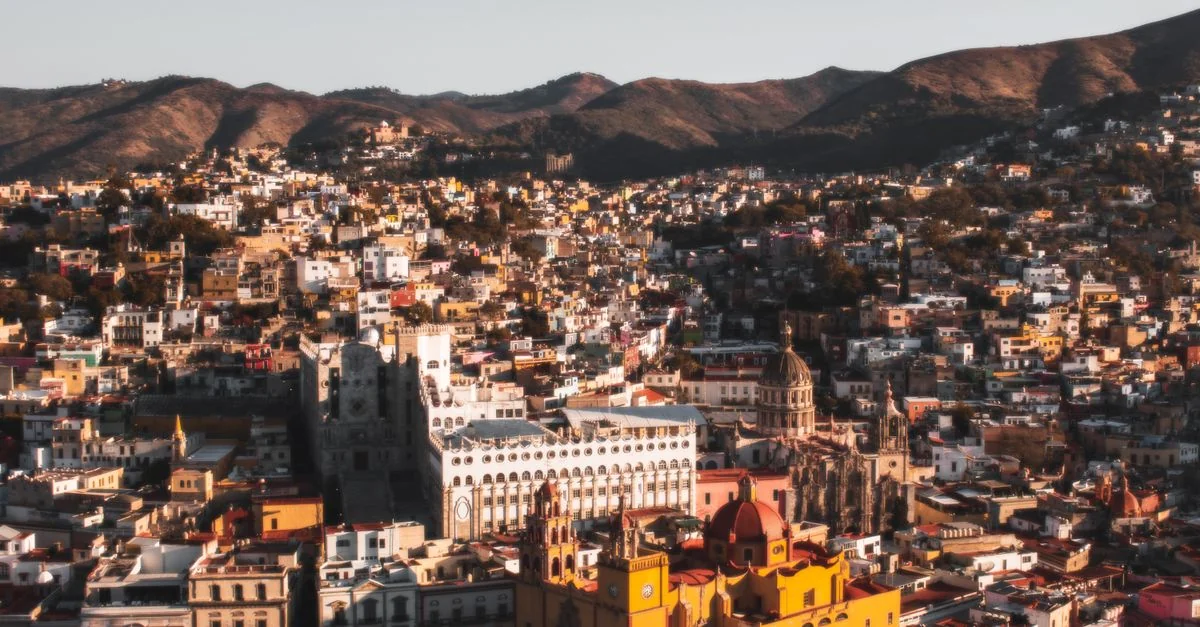
The coastal geography demands exploration on foot, by bicycle, and from the water, starting with the Malecón, which stretches for miles along the Pacific shoreline and serves as the social artery of the city. Walking or cycling this oceanfront promenade reveals monuments, cliff divers launching themselves into the surf, and vendors selling coconut water straight from the shell. Just above the harbor sits El Faro Lighthouse, perched atop the crest of Creston Island, which claims the title of one of the highest operating natural lighthouses in the world. The morning hike up the paved switchbacks rewards early risers with sweeping panoramic views of the shipping channels and the coastline before the midday sun makes the climb too intense.
In the historic heart of the city, Plazuela Machado functions as the primary gathering space under shady ficus trees and wrought-iron streetlamps. Surrounded by sidewalk cafes and historic pastel facades, this plaza comes alive in the evenings with local musicians, artists, and families enjoying the cooler air. Just steps away, the Angela Peralta Theater stands as a restored nineteenth-century opera house with an ornate interior that hosts classical concerts and dance performances throughout the year.
For a deeper dive into regional heritage, the Archaeology Museum of Mazatlan displays artifacts from pre-Hispanic cultures that once inhabited the Sinaloa region, providing quiet context to the surrounding landscape. Nature lovers can escape the urban energy by taking a water taxi across the harbor to Stone Island, known locally as Isla de la Piedra. Despite its name, this peninsula features expansive golden beaches, coconut groves, and calm waters where visitors can rent horses, ride ATVs, or simply relax at a palapa restaurant serving fresh seafood.
Back on the mainland, the Mazatlan Aquarium provides a look at local marine ecosystems with touch tanks and educational exhibits highlighting the diverse sea life inhabiting the Gulf of California. Finally, wandering the residential streets of the Historic District reveals neighborhood life, where brightly painted homes feature wrought-iron balconies, interior courtyards, and small art galleries tucked into unassuming corners.
Food and Dining Guide#
The local gastronomy relies heavily on the bountiful harvest of the Pacific Ocean, making seafood the undeniable star of every menu. You cannot visit without trying aguachile, a refreshing dish of raw shrimp cured in fresh lime juice, blended with fiery green chiles, cilantro, and cucumber, served with crisp tostadas. For a cooked option, pescado zarandeado features a whole fish split down the middle, coated in a smoky adobo-style chile paste, and grilled slowly over mangrove wood until the skin chars and the flesh remains flaky and tender.
Street food culture centers around the simple yet satisfying tacos gobernador, a local invention consisting of folded corn tortillas filled with sautéed shrimp, onions, bell peppers, and melted cheese, toasted on a flat top until crisp. For breakfast or a mid-morning snack, street vendors offer chilorio tortas, featuring shredded pork slowly simmered in a spiced chili and garlic sauce, packed into a crusty bolillo roll with avocado and pickled red onions.
When it comes to dining venues, a sharp divide exists between casual street stands and sit-down establishments. Street carts and open-air marisquerías operate primarily during daylight hours, offering the freshest catches at remarkably low prices, though you should look for busy stalls with high turnover among local families. Upscale restaurants cluster around the historic center and the Golden Zone, offering refined takes on traditional Sinaloan recipes paired with local craft beers and agave spirits, all within air-conditioned dining rooms or rooftop terraces overlooking the ocean.
Getting Around Mazatlan#
Navigating the city is straightforward due to the distinct local transit options and the linear layout of the coastline. The most iconic form of public transport is the pulmonia, an open-air, golf-cart-like vehicle unique to this region that zips along the streets with music playing. Negotiating the fare before stepping inside is standard practice, as these vehicles do not use meters. Traditional red taxis are also widely available for longer journeys or trips after dark.
For budget-conscious travelers, public buses run frequently along the main coastal avenues, including the Malecón and the Golden Zone, connecting the historic center directly to the northern resort areas. These buses are inexpensive and easy to navigate once you identify your route, though they can become crowded during peak commuting hours. Walking works exceptionally well within the historic district and along the Malecón, but the distances between the old city and the Golden Zone are too vast for walking alone. Rental cars are generally unnecessary unless you plan to explore remote beaches or nearby towns, as parking in the historic center can be scarce and traffic congestion is common.
Budget Breakdown#
Planning your expenses depends on the level of comfort you desire, as the city accommodates a wide spectrum of travel styles.
Budget travelers typically spend between $40 and $70 per day. This covers a bed in a guesthouse or an affordable private room in the historic center for roughly $30 to $50 per night, eating primarily at street food stalls and local markets, using public buses for transit, and focusing on free activities like walking the Malecón and hiking the lighthouse.
Mid-range travelers generally budget $100 to $200 per day. At this level, you can secure a comfortable mid-range hotel or ocean-view apartment for $70 to $130 per night, enjoy sit-down meals at popular local restaurants and cafes, take pulmonias and taxis for convenience, and pay for museum entries or guided boat excursions to nearby islands.
Luxury travelers often spend $300 or more per day. This tier unlocks upscale beachfront resorts in the Golden Zone ranging from $200 to $400-plus per night, fine dining experiences paired with cocktails, private transport services, and guided tours or deep-sea fishing charters.
Travel Tips for Mazatlan#
Navigating daily logistics becomes easier when you keep a few regional realities in mind regarding money, communication, and local customs.
Cash and cards represent an important balance to maintain throughout your stay. While upscale restaurants and major hotels in the Golden Zone accept credit cards without issue, smaller family-run eateries, street food vendors, and pulmonia drivers operate strictly on cash. Carrying a mix of Mexican pesos and small denomination bills ensures you never struggle to pay for a taco or a bus ride.
Safety and scams require the same basic awareness you would exercise in any mid-sized American city. Petty theft like pickpocketing can occur in crowded areas along the Malecón or bus stops, so keep valuables secure and avoid flashing expensive electronics. Violent crime rarely affects tourists, who generally report feeling secure walking through populated neighborhoods after dark.
Tipping culture aligns closely with American standards, though the amounts are often adjusted to local wages. Leaving ten to fifteen percent at sit-down restaurants is customary for good service, while small tips of a few pesos are appreciated for baggers at grocery stores, gas station attendants, and parking supervisors.
Sun protection is essential due to the intense Pacific sun combined with ocean reflections. High temperatures and strong ultraviolet rays demand reef-safe sunscreen, a wide-brimmed hat, and consistent hydration, particularly during the afternoon hours when outdoor activities can quickly lead to exhaustion.
Language and communication lean heavily toward Spanish, especially outside the main resort strips. While hotel staff and tour operators in the Golden Zone speak English fluently, learning a few polite phrases of Spanish goes a long way when interacting with local vendors, market stall owners, and bus drivers in the historic core.
Tap water safety follows the standard rule for most of Mexico. Avoid drinking unboiled tap water, and instead rely on purified water provided by your hotel or rental property, and stick to bottled beverages and ice made from purified water when dining out.
📌 Disclaimer
Prices, schedules, tour details, flight routes, visa requirements, and all other information on this page are based on data at the time of writing. Fares, availability, and policies may change. Please verify current details on the official website before booking.
📌 More about Mazatlan