📌 Disclaimer
Prices, schedules, tour details, flight routes, visa requirements, and all other information on this page are based on data at the time of writing. Fares, availability, and policies may change. Please verify current details on the official website before booking.
Why Visit Marseille ?#
📌 More about Marseille
The scent of sea salt mingles with the aroma of freshly baked baguettes in the air as you stroll through the sun-drenched streets of Marseille. This coastal city, the second-largest in France , offers a unique blend of Mediterranean charm and urban energy. With its long history dating back to ancient Greek times, Marseille serves as a melting pot of cultures, reflected in its architecture, art, and, most notably, its food. The lively street art that adorns many walls tells stories of the city’s diverse communities, while the stunning coastline invites exploration and relaxation.
As a gateway to the Calanques National Park, Marseille is not only a cultural hub but also an outdoor enthusiast’s paradise. The dramatic cliffs and turquoise waters provide breathtaking views and opportunities for hiking, swimming, and sailing. The city’s dynamic atmosphere is complemented by its warm, welcoming locals who are eager to share their love for their home. Whether you’re wandering through the historic Le Panier district or enjoying a sunset at the Old Port, Marseille promises an experience that resonates long after your visit.
Best Time to Visit Marseille#
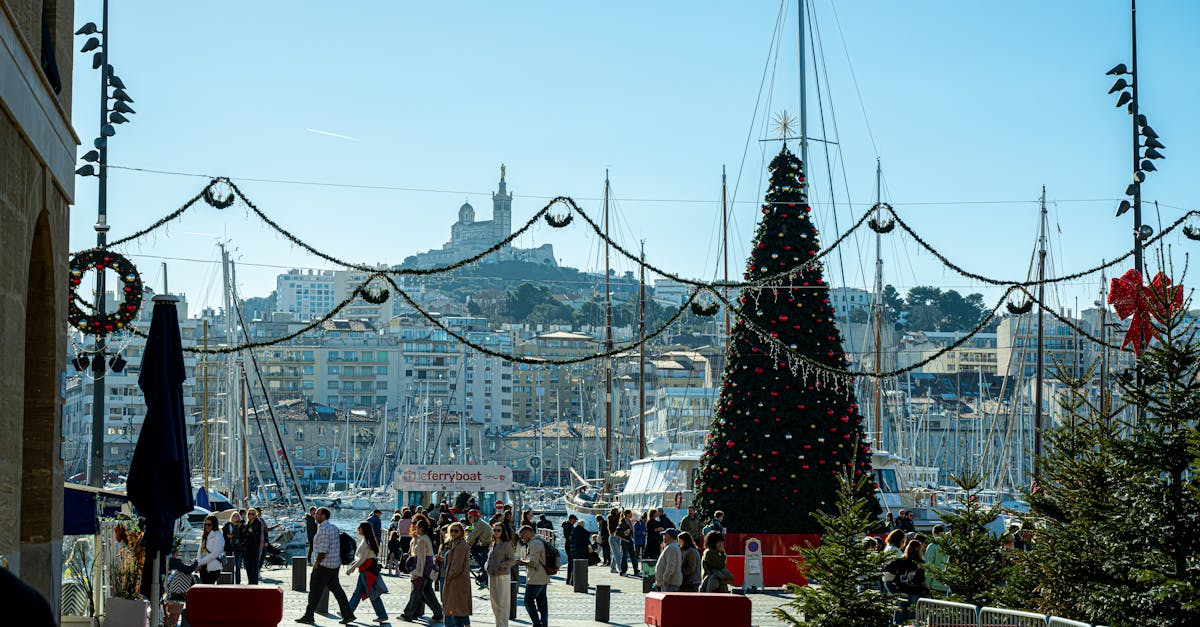
Marseille experiences a Mediterranean climate characterized by hot summers and mild winters, making it a year-round destination. Spring, particularly from March to May, is often regarded as the ideal time to visit. Temperatures are pleasantly warm, averaging between the mid-50s to mid-70s Fahrenheit, and the city isn’t overly crowded. This season also sees the blooming of local flora, adding to the city’s natural beauty.
Summer, spanning June to August, brings high temperatures, often reaching the 80s and 90s. This is peak tourist season, with many visitors flocking to the beaches and outdoor festivals. While the lively atmosphere is enticing, be prepared for larger crowds and higher prices for accommodations and dining. Autumn, particularly September and October, offers a delightful balance of warm weather and fewer tourists. Temperatures remain comfortable, making it a great time for outdoor activities and exploring local attractions. Winter, from November to February, can be chilly, with temperatures occasionally dipping into the 40s. However, this is when you can find the best deals on hotels and enjoy a quieter experience.
Where to Stay in Marseille#
Choosing the right neighborhood can enhance your experience in Marseille. For budget travelers, the Noailles district offers affordable accommodations and a lively atmosphere. This area is known for its markets and multicultural vibe, making it an ideal base for those looking to soak up local life.
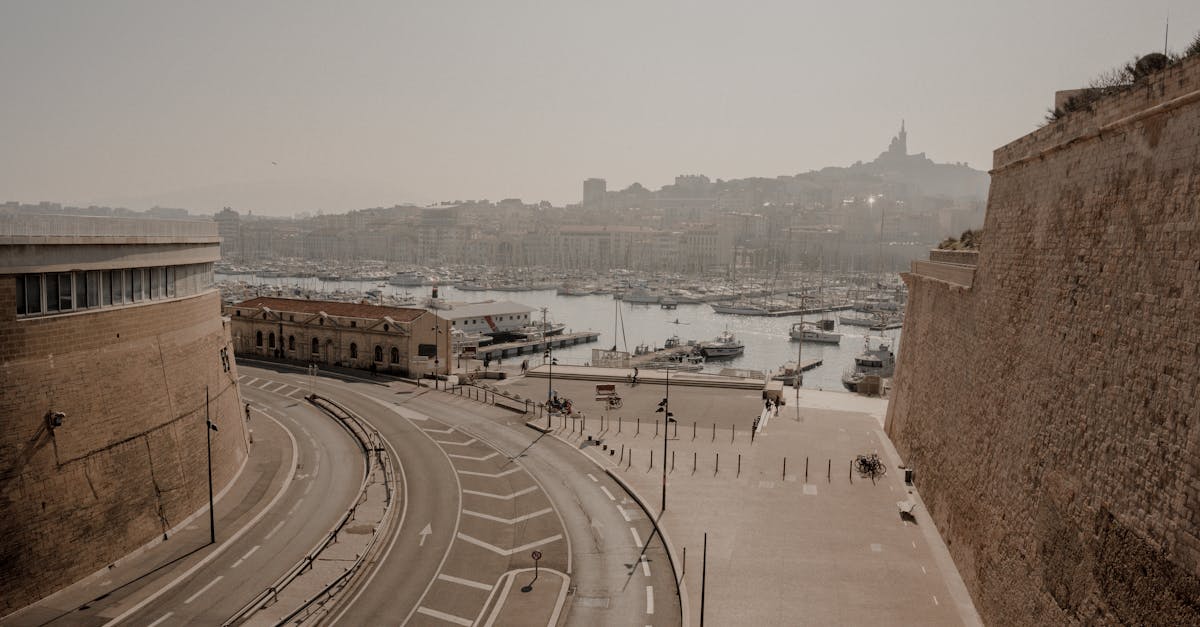
If you’re seeking a mid-range option, consider the Vieux Port area. This historic port is not only picturesque but also conveniently located near many attractions. You’ll find a mix of boutique hotels and charming guesthouses that provide comfort without breaking the bank.
For those looking for luxury, the Corniche district is a top choice. Perched above the Mediterranean, this area features upscale hotels with stunning views of the coastline. It’s a bit farther from the city center but offers a serene escape from the hustle and bustle. The Le Panier neighborhood is also worth considering, with its artsy vibe and close proximity to cultural landmarks, making it a great spot for travelers who appreciate a creative atmosphere.
Top Things to Do in Marseille#
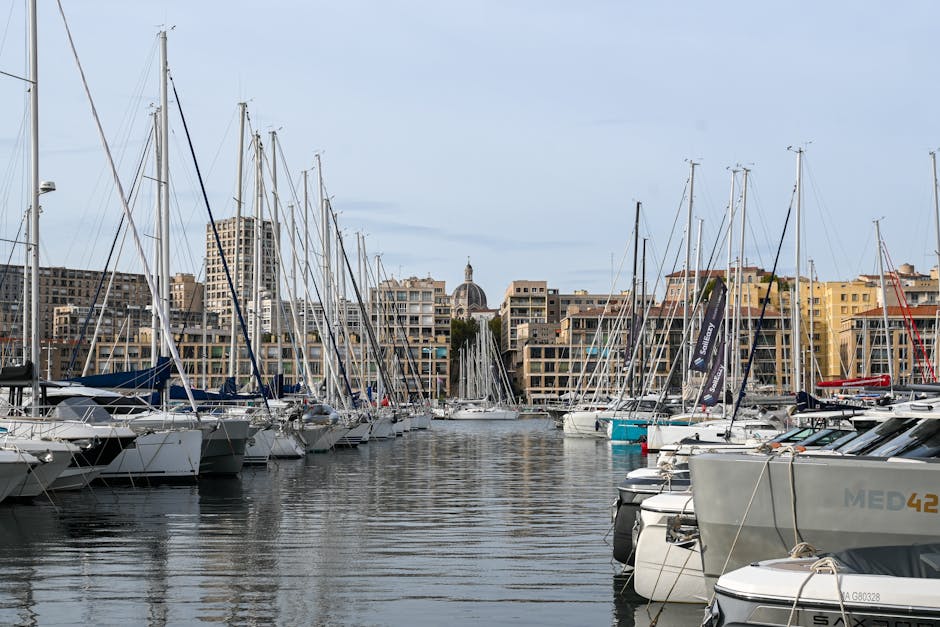
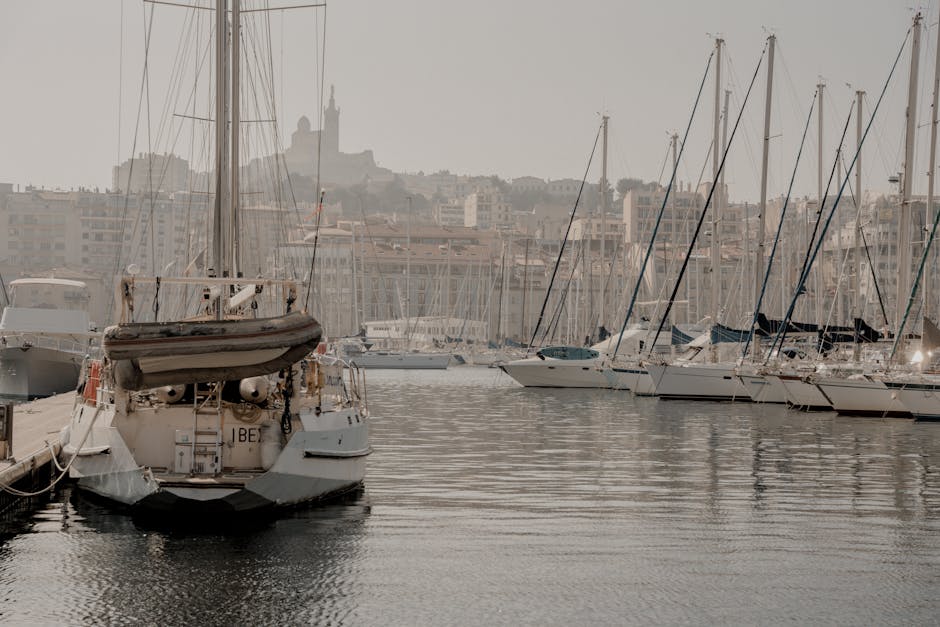
Begin your exploration at the Old Port, the heart of the city, where fishing boats bob alongside luxury yachts. The waterfront is lined with cafes and restaurants, perfect for enjoying a leisurely meal while watching the world go by. Stroll along the promenade and take in views of the iconic Basilique Notre-Dame de la Garde, which sits atop a hill, offering panoramic vistas of the city and the sea. A visit to this basilica is not just about the architecture; the interior, adorned with mosaics and intricate designs, is equally impressive.
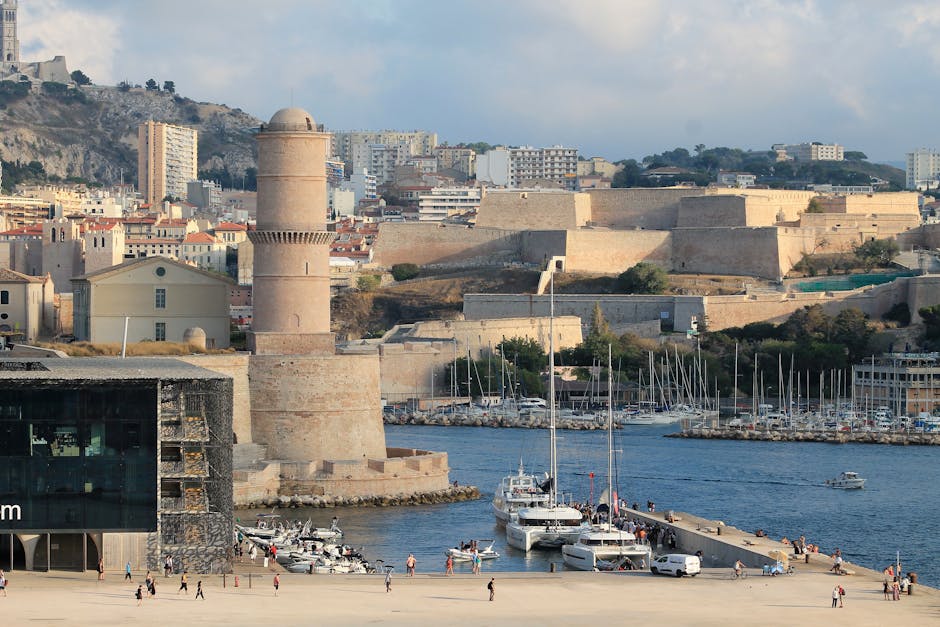
For art enthusiasts, the Musée des Civilisations de l’Europe et de la Méditerranée (MuCEM) is a must-see. This modern museum explores the cultures of the Mediterranean through innovative exhibits and stunning architecture. Adjacent to the MuCEM, the Fort Saint-Jean provides a glimpse into Marseille’s military past and offers beautiful views of the coastline.
If you’re looking for a taste of local life, head to the Marché de Noailles, a busy market filled with fresh produce, spices, and international delicacies. Sampling local ingredients here is a treat for the senses. For those seeking the outdoors, the Calanques National Park is just a short drive away. The rugged cliffs and secluded coves are perfect for hiking, swimming, or simply enjoying the sun on the rocky shores.
A visit to Le Panier, Marseille’s oldest district, is essential for those wanting to experience the city’s artistic side. The narrow streets are adorned with colorful murals and boutique shops, making it an excellent spot for leisurely exploration. Don’t miss the chance to visit the Maison de l’Artisanat to learn about local crafts.
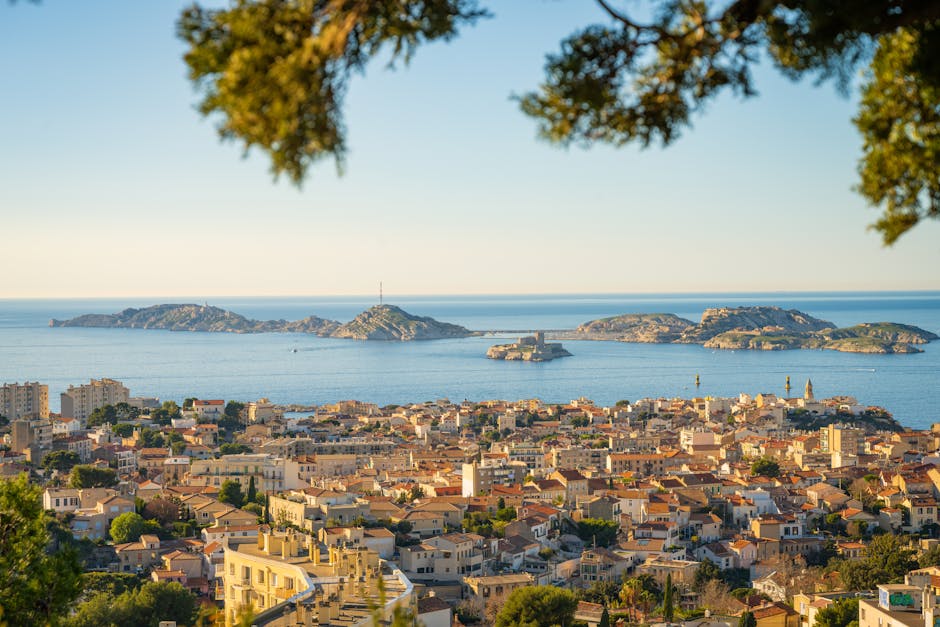
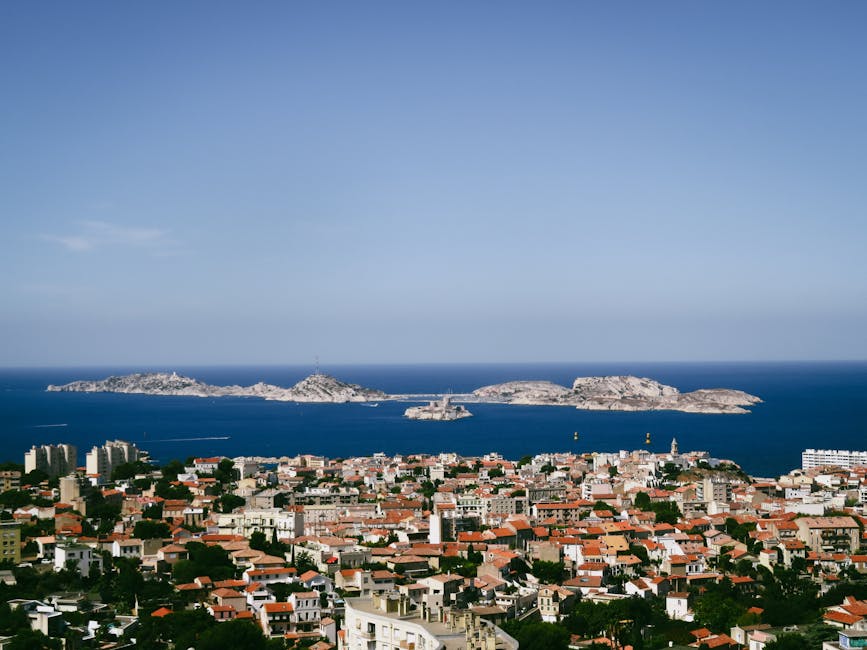
Finally, consider a boat trip to the Château d’If, famously known as the prison from “The Count of Monte Cristo.” The fortress offers a fascinating history and stunning views of the surrounding waters, making it a perfect day trip from the city.
Food and Dining Guide#
Marseille’s culinary scene is a reflection of its diverse cultural influences, with a strong emphasis on fresh seafood and local ingredients. One dish you must try is Bouillabaisse, a traditional fish stew that originated in this city. Often served with a side of rouille, a garlic mayonnaise, this dish captures the essence of Mediterranean flavors and is best enjoyed at a seaside restaurant.
For something quick and casual, look for Panisse, a chickpea fritter that makes for a delightful snack. Street vendors often sell these crunchy bites, making them a popular choice among locals. Another street food favorite is Socca, a thin, crispy pancake made from chickpea flour, typically served with a sprinkle of pepper.
When it comes to dining, Pissaladière is a savory tart topped with caramelized onions, olives, and anchovies, often found in bakeries throughout the city. Pair this with a glass of local rosé wine for a refreshing experience. For dessert, treat yourself to Navette, a traditional orange-flavored biscuit that is a local specialty, often enjoyed with coffee or tea.
Dining in Marseille can range from casual eateries to upscale restaurants, each offering a unique take on regional flavors. Many establishments pride themselves on sourcing local ingredients, ensuring you get a taste of the city’s culinary landscape. Whether you choose to dine in a busy market or a quiet bistro, the food in Marseille is sure to be a highlight of your trip.
Getting Around Marseille#
Navigating Marseille is relatively straightforward, thanks to its efficient public transportation system. The Metro is an excellent option for getting around the city quickly, with two lines that connect key areas, including the Old Port and the train station. Buses and trams complement the Metro, providing access to neighborhoods that may be farther from the main attractions.
For those who prefer to explore on foot, many of Marseille’s highlights are within walking distance of each other, particularly in the city center. The streets can be hilly, so comfortable footwear is advisable.
Taxis and rideshare services are also available for more convenience, especially if you plan to venture out to the Calanques or other nearby attractions. If you’re considering a road trip, renting a car can be a good idea, but keep in mind that parking in the city can be challenging to find and may come with fees.
Budget Breakdown#
Traveling in Marseille can be tailored to fit various budgets. For budget travelers, accommodations typically start around $30-50 per night in hostels or budget hotels. Dining at local cafes or street food stalls can keep meal costs low, with daily food expenses ranging from $20-30. Public transportation is affordable, allowing for easy exploration without breaking the bank.
Mid-range travelers might find hotel prices ranging from $100-200 per night, with a mix of comfort and convenience. Dining at mid-tier restaurants can cost around $30-50 per meal, allowing for a taste of local cuisine without overspending. Daily expenses, including transport and activities, may total around $100-150.
Luxury travelers can expect to pay upwards of $200 per night for upscale accommodations, with fine dining experiences ranging from $50-100 per meal. For those looking to indulge, daily budgets can easily exceed $300, especially if you include guided tours or exclusive experiences.
Travel Tips for Marseille#
Language: While many locals speak English, knowing a few basic French phrases can enhance your experience. A simple “bonjour” (hello) or “merci” (thank you) can go a long way in establishing rapport with residents.
Safety: Like any major city, it’s essential to stay aware of your surroundings. While Marseille has its safe areas, some neighborhoods may warrant caution, especially at night. Stick to well-lit areas and avoid displaying valuables.
Local Etiquette: French culture places a high value on politeness. Always greet shopkeepers with a friendly “bonjour” when entering a store, and use “s’il vous plaît” (please) and “merci” (thank you) when making requests.
Cultural Events: Marseille hosts various festivals throughout the year, celebrating everything from music to food. Check local event calendars to see if your visit coincides with any exciting happenings.
Day Trips: Consider taking a day trip to nearby attractions such as the Calanques or the charming town of Cassis . These locations offer stunning natural beauty and are easily accessible by public transport or rental car.
Cash and Cards: While credit cards are widely accepted, having some cash on hand is advisable for smaller establishments or markets. ATMs are readily available throughout the city.
Public Transport Passes: If you plan to use public transport frequently, consider purchasing a day pass. This can save you money and provides unlimited travel on buses, trams, and the Metro for a set period.
Marseille is a city that captivates with its unique charm and diverse offerings. Whether you’re drawn by the long history, stunning landscapes, or delectable cuisine, your time here is bound to be rewarding.