📌 Disclaimer
Prices, schedules, tour details, flight routes, visa requirements, and all other information on this page are based on data at the time of writing. Fares, availability, and policies may change. Please verify current details on the official website before booking.
Why Visit Marmaris?#
The scent of pine needles baking in the afternoon sun hangs heavy over the harbor, mingling with the sharp, salty tang of the Aegean Sea. Marmaris occupies a unique position where the mountains meet the water, creating a landscape that feels both expansive and protected. For American travelers accustomed to the sprawling coastlines of the Atlantic or Pacific, this Turkish resort town offers a different pace of life. It sits at the intersection of two major seas, providing a natural base for those who want to explore the rugged coastline by boat while still having access to the amenities of a modern town.
What sets this destination apart is the accessibility of its natural beauty. You can spend your morning walking through the pine-forested hills that surround the bay and your afternoon swimming in water that stays warm well into the autumn months. The town itself has transitioned from a sleepy fishing village into a hub for sailing, making it a primary gateway for those interested in the “Blue Cruise” tradition of Turkey . It serves as a practical, comfortable starting point for reaching more remote coastal villages, yet it maintains enough local character to keep things interesting for those who prefer to stay put and enjoy the scenery.
Best Time to Visit Marmaris#

Planning a trip to this part of the Turkish coast requires balancing the intensity of the summer heat with your tolerance for crowds. The peak season runs from June through August, when the weather is consistently hot and dry. During these months, the town is at its most active, with every restaurant, shop, and excursion service operating at full capacity. If you enjoy a high-energy environment and want to ensure every possible boat tour is running, this is your window. However, be prepared for significant heat that often reaches levels that make midday sightseeing difficult, and expect prices for accommodation to be at their highest.
For those who prefer a more relaxed environment, the shoulder seasons offer a much better experience. May and September are arguably the most pleasant months to visit. In May, the landscape is still green from the winter rains, and the temperatures are warm enough for swimming without the suffocating heat of mid-summer. September brings the lingering warmth of the summer, but the water remains perfect for swimming, and the crowds begin to thin out significantly. Prices for lodging also drop during these periods, making it easier to find value.
Visiting in October is a viable option for travelers who want to avoid the rush entirely. While the evenings start to get cooler and the chance of a stray rain shower increases, the sea remains inviting, and you will have your pick of the best tables at restaurants. Winter months from November through March are very quiet. Many seasonal businesses close down, and while you will find the lowest prices of the year, you should expect a much sleepier atmosphere. This time of year is best suited for those who want to use the town as a base for inland exploration rather than a beach-focused vacation.
Where to Stay in Marmaris#
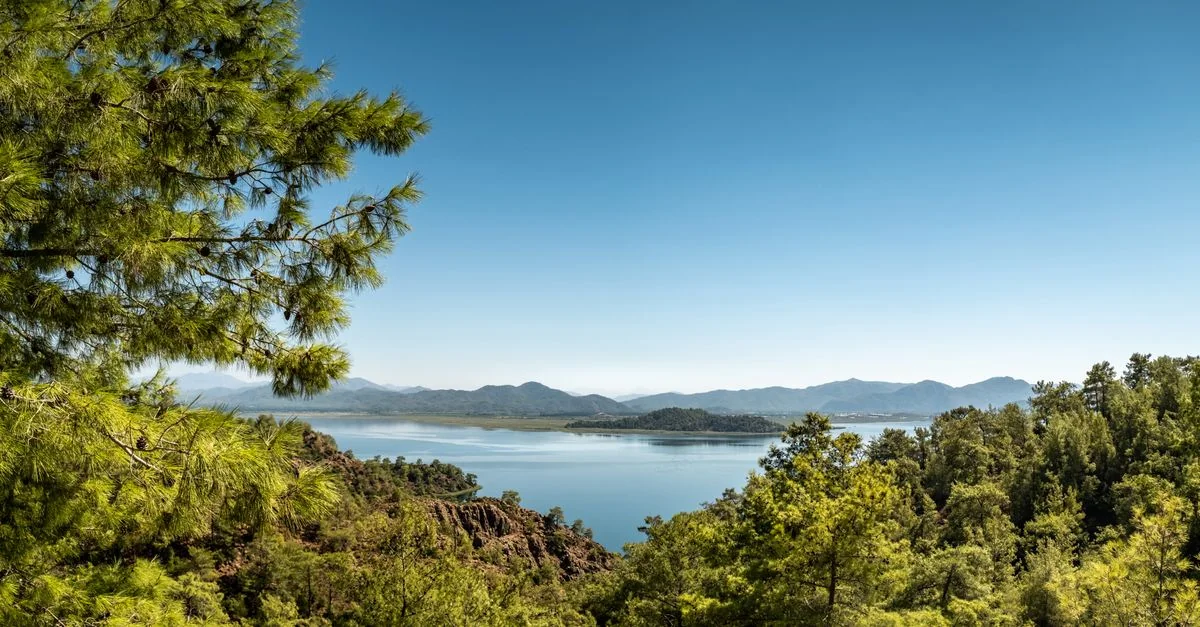
Choosing where to stay depends on whether you prioritize proximity to the nightlife or a quieter, more residential feel. The Marmaris City Center is the heart of the action. This area is ideal for travelers who want to be within walking distance of the harbor, the main shopping bazaars, and the primary transit hubs. You will find a range of options here, from budget-friendly guesthouses tucked into quiet side streets to mid-range boutique hotels that offer a comfortable, modern stay. Staying in the center means you are never far from the local markets, but it can be noisy during the peak summer evenings.
Moving slightly west toward Siteler, the atmosphere becomes more focused on beach access. This neighborhood is dominated by larger resorts and hotels that cater to those looking for a traditional vacation experience with pools and direct access to the Mediterranean. It is a popular choice for families and those who want a mid-range to luxury experience where they can walk straight from their hotel lobby onto the sand. The walk into the main town center is manageable, but many visitors here rely on the frequent local minibuses to get around.
If you are looking for a quieter experience, the area near Icmeler offers a distinct shift in pace. Located a few miles down the coast, this neighborhood feels more contained and scenic, surrounded by lush mountains that drop sharply into the sea. It has a slightly more upscale reputation, with luxury properties that emphasize privacy and panoramic views. It is a perfect spot for travelers who want to be away from the busy harbor front while still having easy access to the water. Budget options are more limited here, but the trade-off is a much more tranquil environment.
Top Things to Do in Marmaris#
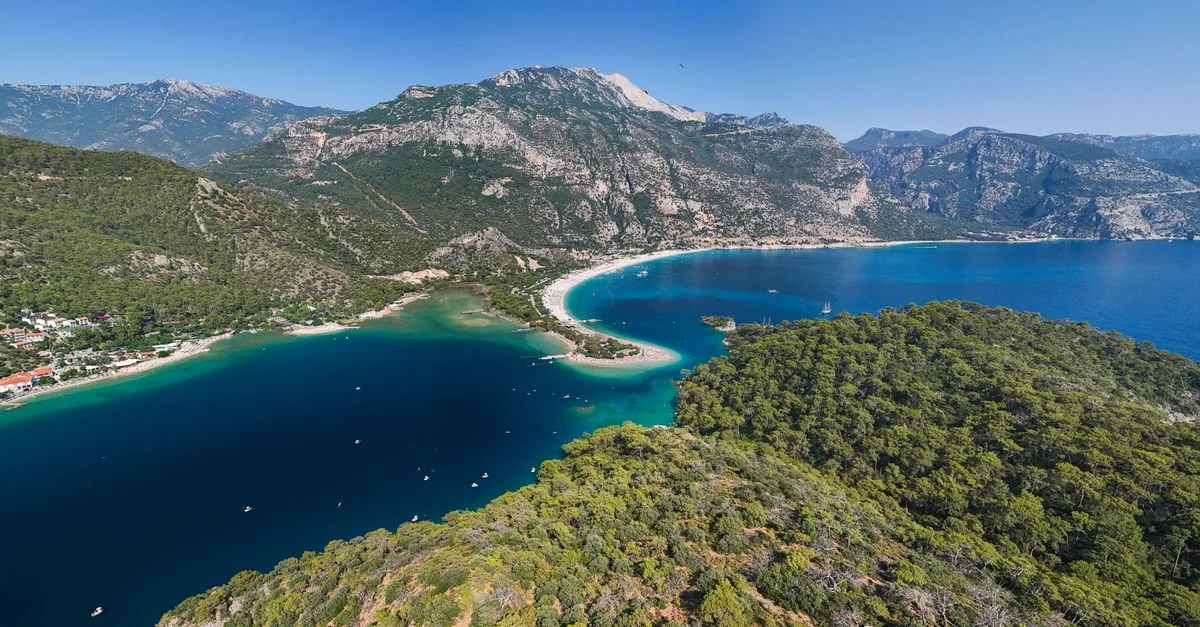
The most iconic landmark in the area is the Marmaris Castle, which sits on a small hill overlooking the harbor. Built during the Ottoman era, the structure now houses a museum that provides a good overview of the regional history. Walking through its stone corridors offers a glimpse into the strategic importance of this bay throughout the centuries. After exploring the castle, a stroll through the Old Town is essential. This area is a maze of narrow, cobblestone streets lined with traditional white-washed houses, offering a quiet contrast to the busy waterfront.
For those who want to get out on the water, a trip to Cleopatra Island is a staple of the local experience. Legend suggests that the sand here was brought from Egypt , and the beach is protected due to its unique composition. The water surrounding the island is incredibly clear, making it a popular stop for boat tours. If you prefer to stay closer to the mainland, the Marmaris Marina is a destination in itself. Even if you aren’t starting on a sailing trip, walking the docks to see the massive yachts and smaller traditional wooden boats is a great way to spend an evening.
Nature enthusiasts should make time to visit the Gunnucek Forest Park. This is one of the few places in the world where the Oriental Sweetgum tree grows, and the park offers shaded walking paths that provide a cool escape from the sun. It is a peaceful spot for a picnic or a quiet walk, far removed from the tourist crowds. For a more adventurous experience, head to the Dalyan Delta on a day trip. This area is famous for its turtle nesting grounds and the ancient rock-cut tombs of Caunos that are carved directly into the cliffside overlooking the river.
Back in town, the Marmaris Grand Bazaar provides a sensory experience for those who enjoy local trade. While it caters to visitors, you can still find quality leather goods, spices, and Turkish textiles if you take the time to browse. For a different perspective of the coastline, take a drive or a bus ride up to the Icmeler Viewpoint. The winding road offers dramatic vistas of the bay and the surrounding islands, providing a perfect backdrop for photography. Finally, spending a day at Turunc Bay offers a change of scenery. This smaller village is tucked away behind the mountains and offers a more relaxed beach atmosphere compared to the main town, accessible by a scenic boat ride or a winding coastal road.
Food and Dining Guide#
The local dining scene is built on fresh ingredients, particularly seafood and regional produce. You should start your day with a traditional Turkish Breakfast, which is an elaborate spread featuring olives, fresh tomatoes, cucumbers, honey, clotted cream, and a variety of local cheeses. It is meant to be enjoyed slowly, often taking up the better part of a morning. For a quick lunch, look for street-side vendors selling Lahmacun, often called Turkish pizza, which is a thin, crispy dough topped with minced meat, herbs, and spices. It is inexpensive, filling, and perfect for eating on the go.
When it comes to dinner, fresh fish is the main draw. Most restaurants along the harbor offer a “catch of the day” that is sourced from local fishermen. Grilled Sea Bream is a regional staple, typically served simply with lemon, olive oil, and a side of greens to highlight the quality of the fish. If you are in the mood for something heartier, try Testi Kebab. This is a meat and vegetable stew cooked inside a sealed clay pot. The server breaks the pot open at your table, which is a dramatic and traditional way to serve the dish. For dessert, do not miss Baklava, which is widely available in local bakeries. The version found in this region often incorporates local pistachios or walnuts, providing a sweet end to any meal.
Getting Around Marmaris#
Navigating the area is straightforward thanks to a reliable network of local transportation. The most common way to get around town and to nearby villages like Icmeler is the Dolmus, which is a shared minibus system. These buses run on set routes throughout the day and are very affordable. You can flag them down almost anywhere along the main roads, and you pay the driver directly in cash. It is the most practical way to move between neighborhoods without the expense of a private taxi.
Taxis are plentiful and easy to find at designated stands or by having a hotel call one for you. They are useful for late-night travel or if you are carrying a lot of luggage, but they are significantly more expensive than the shared buses. If you plan on exploring the deeper parts of the surrounding countryside, renting a car can be a good option. The roads are generally in good condition, though they can be winding and narrow in the mountains. Be aware that parking in the center of town can be difficult during the peak season, so check if your accommodation provides parking before you decide to rent. Walking is the best way to explore the immediate harbor area and the old town, as these zones are largely pedestrian-friendly.
Budget Breakdown#
Marmaris offers options for every type of traveler, but your daily expenses will fluctuate based on your choice of accommodation and how often you choose to dine out. For a budget traveler, focusing on guesthouses and eating at local, non-tourist-focused restaurants will keep costs low. You can expect to spend a modest amount daily, primarily on food and shared transportation, while keeping activities limited to free beaches and walking tours.
A mid-range budget allows for more comfort, such as staying in a boutique hotel or a resort with a pool. This tier includes frequent dining at sit-down restaurants, occasional guided boat tours, and the use of taxis for convenience. You will have more flexibility in your schedule and can afford to visit the popular attractions that require entrance fees.
For those seeking a luxury experience, the budget increases to cover high-end resorts, private boat charters, and fine dining. Luxury travelers can expect to spend significantly more on accommodation that offers private beach access and spa facilities. Private transfers and guided excursions tailored to your specific interests are the standard at this level. Regardless of your budget, it is always wise to carry some local currency for small purchases, as not all vendors accept cards.
Travel Tips for Marmaris#
Currency and Payments are important to keep in mind, as smaller shops and local markets often prefer cash. While cards are widely accepted in hotels and larger restaurants, having Turkish Lira on hand for the bus or small snacks will make your life much easier. Sun Protection is a necessity in this climate. The sun is much stronger than it appears, especially when you are out on the water, so bring high-SPF sunscreen and a hat to avoid heat exhaustion.
Tipping Culture is common but not as aggressive as in some other countries. It is customary to leave a small percentage of the bill at restaurants if you are satisfied with the service. For smaller services, rounding up the bill or leaving a few coins is perfectly acceptable. Language Basics can go a long way in making your trip more pleasant. While many people in the tourism industry speak English, learning a few simple Turkish phrases like “thank you” or “please” is always appreciated by the locals and can help build a rapport.
Water Safety is something to consider if you are planning on spending time at the beach. While the water is generally calm, always pay attention to any flags or signs on the beach that indicate current conditions. Cultural Etiquette is important when visiting mosques or more traditional parts of town. Dressing modestly—covering shoulders and knees—is a sign of respect. Finally, Negotiating Prices is a part of the culture in the bazaars. If you are shopping for souvenirs, it is expected that you will engage in a friendly negotiation. Keep it lighthearted, and remember that it is meant to be a social interaction rather than a conflict.
📌 Disclaimer
Prices, schedules, tour details, flight routes, visa requirements, and all other information on this page are based on data at the time of writing. Fares, availability, and policies may change. Please verify current details on the official website before booking.
📌 More about Marmaris