📌 Disclaimer
Prices, schedules, tour details, flight routes, visa requirements, and all other information on this page are based on data at the time of writing. Fares, availability, and policies may change. Please verify current details on the official website before booking.
Why Visit Mallorca?#
The sharp scent of wild rosemary drifts off the limestone hillsides, mixing with the salty breeze of the Mediterranean as waves lap quietly against golden sand. Mallorca holds a reputation as a sun-drenched resort island, yet it rewards travelers who look beyond the crowded beaches with quiet mountain villages, ancient olive groves, and a deep-rooted agricultural tradition. For American visitors making the transatlantic journey, this largest of the Balearic Islands offers a seamless blend of old-world Spanish character and modern resort comfort, all packed into a landscape small enough to traverse in a couple of hours.
Beyond the coastline, the interior of the island reveals a different pace of life entirely. Windmills dot the central plains known as the Pla, while stone-walled terraces climb the steep slopes of the Tramuntana range, a landscape so striking it earned UNESCO World Heritage status. Local markets still bustle with farmers selling almonds, figs, and the island’s signature paprika-spiced sausage, preserving traditions that date back centuries. Whether you prefer hiking through pine forests, cycling challenging mountain passes, or simply reading a book on a secluded cove, Mallorca delivers an adaptable Mediterranean escape.
Best Time to Visit Mallorca#
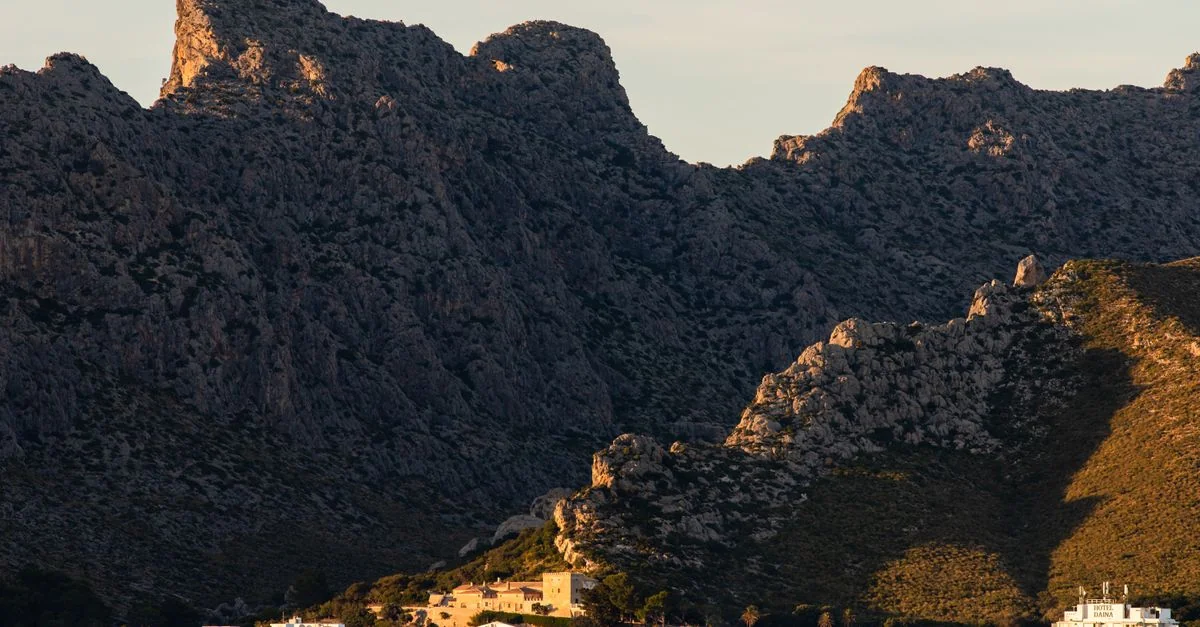
Planning a trip from the United States requires balancing weather preferences with crowd levels, as the island experiences extreme seasonal shifts. The shoulder months of May, June, September, and October offer the most rewarding experience for most travelers. During May and June, wildflowers blanket the countryside, daytime temperatures hover comfortably in the seventies and low eighties, and the sea is fresh enough for a bracing swim. September and October bring warm ocean waters left over from the summer heat, while the island’s tourist numbers drop noticeably, leading to better availability and pricing for rental cars and accommodations.
July and August form the peak summer season, bringing intense heat often exceeding ninety degrees Fahrenheit along with large crowds of European vacationers. During these months, beaches fill by mid-morning, hotel prices reach their yearly maximum, and reservations for popular restaurants become essential weeks in advance. Conversely, November through April brings a quiet, cooler winter where daytime highs sit in the fifties and sixties. While beach swimming is off-limits, this period appeals to hikers and cyclists who want mild weather for outdoor activity, and budget travelers will find the lowest rates of the year on flights and lodging, though many coastal resort hotels close entirely for the winter.
Where to Stay in Mallorca#
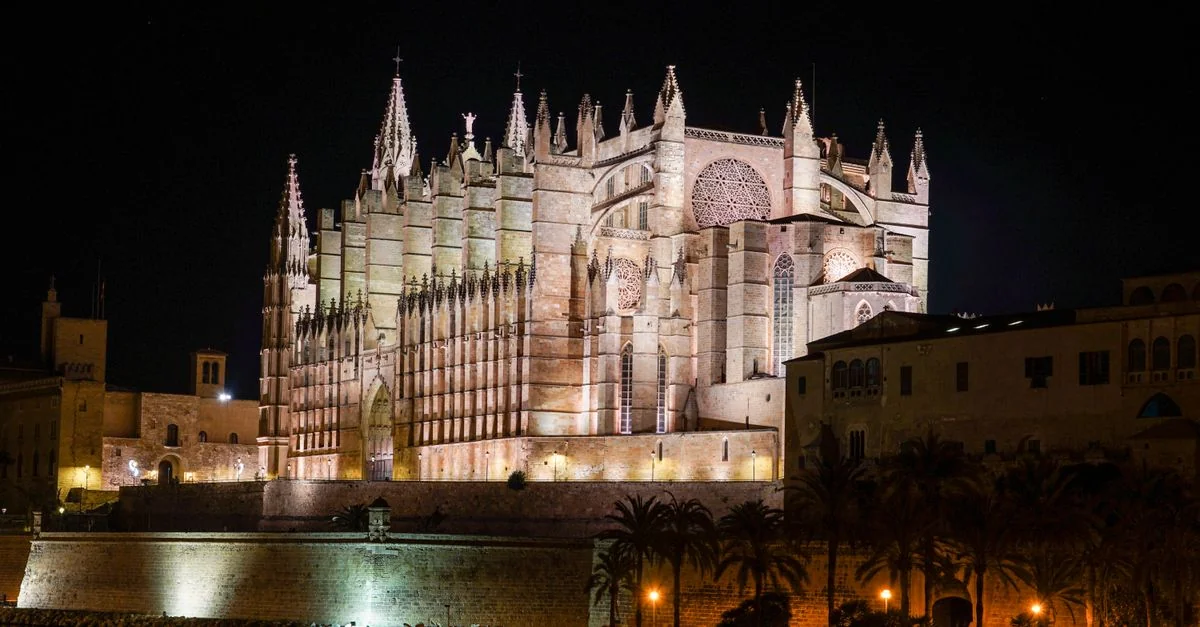
Deciding where to base yourself depends heavily on your travel style and whether you plan to rent a car. Palma de Mallorca , the island’s historic capital, serves as an ideal home base for travelers arriving without a car or those who prefer urban energy. The city features a mix of Gothic architecture, narrow medieval alleys, and a thriving food scene. Budget travelers can find simple guesthouses in the older quarters for around $50 to $90 per night, while mid-range boutique properties inside converted townhouses cost $150 to $250. Luxury seekers can splurge on high-end harbor-view establishments exceeding $400 nightly.
For a dramatic coastal setting, the northwest coast anchored by Deià and Valldemossa offers stone houses clinging to cliffs overlooking the deep blue sea. This mountainous region caters primarily to mid-range and luxury travelers, with historic manor houses and rural retreats—known locally as possessions—charging anywhere from $200 to $600 per night. These villages are quiet, romantic, and heavily tied to artistic history, though budget options are virtually non-existent here.
If your primary goal is classic beach relaxation, the southeastern coast offers broad sandy stretches and turquoise waters. Towns like Santanyí provide a slower pace with charming stone architecture and weekly markets. Accommodations here range from mid-range family-run guesthouses starting around $120 per night to exclusive coastal resorts priced well over $350. This region requires a rental car to fully appreciate the smaller coves hidden along the coastline.
Travelers looking for a lively beach holiday with plenty of nightlife often gravitate toward the southwest near Andratx, where upscale marinas berth luxury yachts and seaside dining is abundant. Prices here skew toward the higher end, with few true budget choices, making it a favorite for travelers willing to spend more for convenience and upscale amenities.
Top Things to Do in Mallorca#
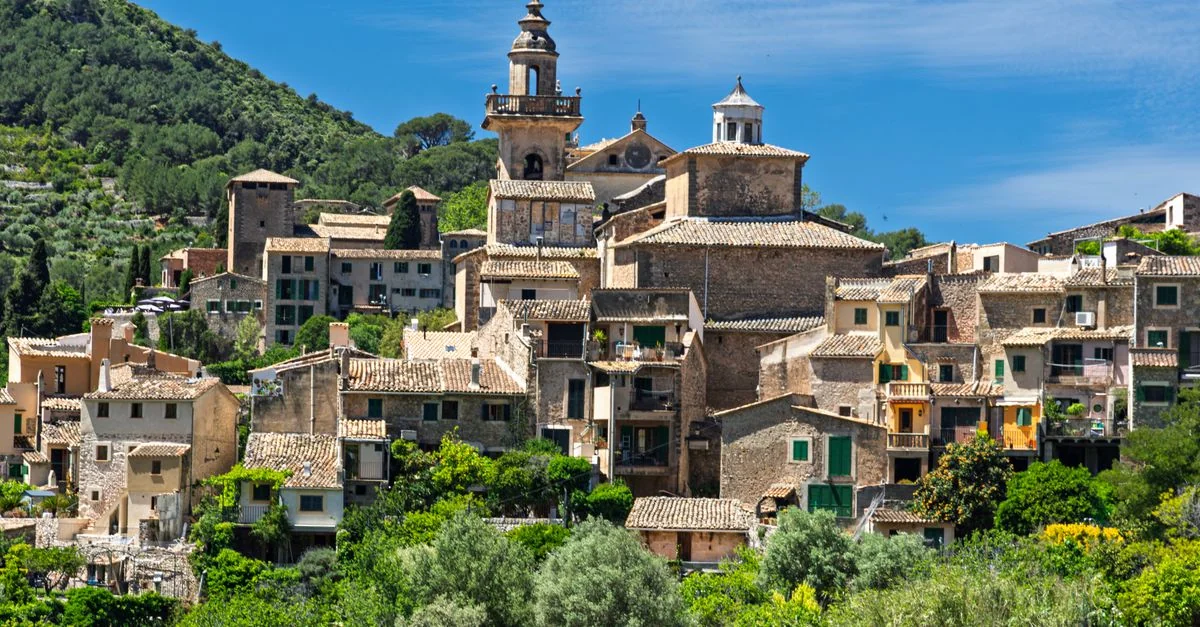
Begin your exploration in the capital by visiting La Seu Cathedral, a massive Gothic sandstone monument that towers dramatically over the Palma waterfront. Construction began in the thirteenth century on the site of a former mosque, and the interior features striking rose windows alongside modern alterations by architect Antoni Gaudí. Walking through the surrounding historic quarter reveals quiet interior courtyards of noble palaces, hidden cafes, and artisan shops tucked into winding stone alleys.
Head inland into the northern spine of the island to ride the historic Ferrocarril de Sóller, a vintage wooden train that has connected Palma to the mountain town of Sóller since 1912. The route takes passengers through thirteen tunnels, across citrus-filled valleys, and past rugged mountain peaks before arriving in a town famous for its orange groves. From Sóller, you can easily catch a historic tram down to the coastal port for a seafood lunch by the docks.
For outdoor enthusiasts, the sheer limestone cliffs of Cap de Formentor at the northernmost tip of the island offer jaw-dropping panoramas. Driving the winding coastal road leads to a historic lighthouse where the cliffs drop hundreds of feet straight into the Mediterranean. On clear days, you can see all the way across the water to the neighboring island of Minorca. Arrive early in the morning during summer to avoid traffic on the narrow stretches and to secure a parking spot at the viewpoints.
Art and history lovers should make the pilgrimage to La Cartuja de Valldemossa, an ancient Carthusian monastery perched high in the Tramuntana mountains. Frédéric Chopin and writer George Sand spent a notoriously stormy winter here in 1838, composing music and writing essays within the stone walls. The complex features manicured gardens, an old pharmacy with antique ceramic jars, and cells displaying the original manuscripts and piano used by the famous composer.
Venture underground to explore the Cuevas del Drach on the eastern coast near Porto Cristo. These extensive limestone caves feature dramatic stalactites and stalagmites reflected in the subterranean waters of Lake Martel, one of the largest underground lakes in the world. Guided tours conclude with a surreal musical experience where classical musicians glide across the dark water on illuminated wooden rowboats, playing Chopin and Bach while the audience listens in total darkness.
For a day on the sand, skip the heavily developed urban beaches and seek out Cala Figuera or Cala Varques. While the latter requires a twenty-minute walk through pine woods, the reward is a secluded cove with powdery white sand and translucent turquoise water framed by low pine-covered cliffs. Cliff jumping and snorkeling are popular here, though you will need to pack your own water and snacks as there are no permanent facilities on the beach.
Wander through the stalls at the Wednesday or Saturday market in Sineu, located right in the geographic center of the island. This is one of Mallorca’s oldest traditional markets, where locals have gathered for centuries to buy livestock, pottery, textiles, and local produce. It provides an authentic glimpse into rural Mallorcan life far removed from the coastal tourist resorts, surrounded by stone architecture and rustic taverns serving local wine.
Conclude your sightseeing with a leisurely afternoon exploring the Jardines de Alfàbia, a historic Arabic-style estate nestled in the foothills near Bunyola. The gardens combine Moorish water features, shaded pergolas, bamboo groves, and palm trees with a grand country house filled with antique Mallorcan furniture and historical artifacts. It provides a peaceful, shaded retreat from the intense midday heat and showcases the island’s agricultural past.
Food and Dining Guide#
Mallorcan cuisine stands apart from mainland Spanish cooking by incorporating a distinct mix of sweet and savory flavors, heavily reliant on pork, olive oil, fresh vegetables, and seafood. A defining staple of any local bakery is Ensaimada, a snail-shaped, spiral pastry made from fermented dough rich in lard and dusted generously with powdered sugar. Traditional versions are plain, but modern bakeries stuff them with pumpkin hair jam, chocolate, or pastry cream. Enjoy one with a morning café con leche at a neighborhood square.
For a comforting midday meal, look for Tumbet, a vegetarian casserole consisting of thinly sliced potatoes, eggplant, and red bell peppers fried in olive oil and layered in an earthenware dish with a rich tomato garlic sauce. While often served as a side dish to roast pork or fish, it stands on its own as a deeply satisfying main course. Another local comfort food is Arròs Brut, which translates literally to “dirty rice” due to the dark, rich broth made from seasonal game, pork, vegetables, and local spices.
Street food culture centers largely around Coca de Trempó, a flatbread resembling a pizza without cheese, topped with a crisp, refreshing mixture of diced tomatoes, onions, and green peppers seasoned simply with olive oil and salt. Bakeries slice these large rectangular sheets into squares for an easy lunch on the go. Pair it with a slice of Sobrassada, a raw, cured sausage made from selected pork loin and bacon seasoned with sea salt, paprika, and cayenne pepper, which gives it a lively orange hue and a soft, spreadable texture.
When dining out, distinction exists between casual neighborhood spots known as cellers—which often occupy former wine cellars and serve hearty local dishes—and modern seaside restaurants focusing on fresh catch of the day. Lunch, known as comida, is the main meal of the day in Spain , and restaurants usually serve a menú del día from two to four o’clock, offering three courses, bread, and wine for a fixed price ranging from $15 to $25. Dinner rarely begins before nine o’clock, and reservations are strongly recommended during the summer season, even for casual trattorias.
Getting Around Mallorca#
Navigating Mallorca requires some planning, as public transportation options vary widely depending on your destination. Renting a car at the Palma airport remains the most practical choice for American travelers who want to explore remote mountain villages, hidden coves, and rural markets on their own schedule. Rental rates fluctuate widely by season, dropping to $20 to $40 per day in the spring and autumn, but jumping to $70 to $100 daily during July and August. Be sure to request an automatic transmission well in advance, as manual cars dominate the European rental fleet.
If you prefer to skip driving, Palma features an efficient municipal bus network and a small metro system that makes getting around the capital straightforward. Regional buses connect Palma to almost every major town on the island, operating on reliable schedules and accepting contactless credit card payments directly on board. However, relying solely on buses to reach remote coastal coves and mountain trails can be time-consuming and restrictive, as many routes require returning through Palma to reach adjacent towns.
Taxis are readily available at designated stands in Palma and outside major resort hotels, operating on a meter system with higher rates applied at night and on weekends. Ride-hailing apps have a limited presence compared to the United States, so local street taxis remain the standard. Cycling is also exceptionally popular, with dedicated lanes and rental shops offering high-end road and mountain bikes across the island, though tackling the Tramuntana mountains requires significant physical conditioning.
Budget Breakdown#
Traveling through Mallorca accommodates a wide spectrum of spending habits, from backpackers to luxury seekers. A budget traveler can expect to spend between $70 and $120 per day. This covers staying in hostel dormitories or simple suburban guesthouses, eating bakery breakfasts and menu-of-the-day lunches, relying on public buses for transportation, and sticking to free natural attractions like hiking trails and public beaches.
A mid-range traveler will typically spend $200 to $350 per day. This tier allows for a comfortable three-star hotel or boutique guesthouse in Palma or a scenic village, renting a compact car for freedom of movement, dining at sit-down restaurants for both lunch and dinner, and paying for entry tickets to historic sites, caves, and guided excursions.
Luxury travelers should budget upwards of $500 to $1,000-plus per day. At this level, you can secure five-star historic cliffside resorts, rent premium vehicles, dine at high-end establishments featuring innovative Mediterranean cuisine, and book private boat charters to explore hidden coastal sea caves inaccessible from land.
Travel Tips for Mallorca#
Language preparation helps immensely, as Catalan—locally spoken as Mallorquín—and Spanish are the official languages. While English is spoken fluently in hotels, major tourist areas, and car rental agencies, learning a few basic Spanish phrases like por favor and gracias demonstrates courtesy and is appreciated by local shopkeepers in rural mountain towns.
Tipping customs differ significantly from the United States. Service staff in restaurants and cafes earn a living wage, so tipping is never mandatory or expected in large amounts. Leaving spare change or rounding up the bill by a few euros for exceptional table service is standard practice, but leaving fifteen to twenty percent will cause confusion.
Siesta hours still influence daily rhythms outside the busy resort strips. Many small, family-owned shops, pharmacies, and hardware stores close between two and five o’clock in the afternoon, reopening later in the evening until roughly eight o’clock. Plan your shopping and errands around these midday closures to avoid locked doors.
Sun protection is essential during the long Mediterranean summer. The combination of bright island sunlight, sea glare, and high temperatures makes severe sunburns common among visitors. Pack high-SPF sunscreen, a wide-brimmed hat, and plenty of drinking water when starting on coastal hikes or renting a boat for the afternoon.
Driving etiquette on narrow mountain roads requires patience and defensive driving skills. Watch out for cyclists climbing steep grades, and be prepared to reverse your car into a pull-off area when meeting oncoming tour buses on the winding roads of the Tramuntana range. Rental car damage insurance is strongly advised, as tight parking garages in historic towns frequently leave their mark on bumpers.
📌 Disclaimer
Prices, schedules, tour details, flight routes, visa requirements, and all other information on this page are based on data at the time of writing. Fares, availability, and policies may change. Please verify current details on the official website before booking.
📌 More about Mallorca