📌 Disclaimer
Prices, schedules, tour details, flight routes, visa requirements, and all other information on this page are based on data at the time of writing. Fares, availability, and policies may change. Please verify current details on the official website before booking.
Why Visit Malaga?#
The smell of grilled sardines drifting off the Mediterranean shoreline mingles instantly with the sharp scent of ripening oranges along the pavement. Malaga manages to balance the laid-back pace of a southern coastal escape with the creative energy of a major art hub. While many visitors treat the city merely as a transit point to other parts of Andalusia, slowing down here reveals a destination where Roman ruins sit casually beside modern museums, and narrow pedestrian lanes open unexpectedly into sunlit plazas.
For American travelers flying across the Atlantic, this Andalusian port offers a welcome transition into Spanish life without the overwhelming scale of Madrid or Barcelona . The historic center remains remarkably compact, allowing you to walk from ancient fortresses to contemporary art galleries in minutes. Mornings typically begin with coffee and churros at a sidewalk table, while late evenings stretch past midnight over shared plates of fried fish and local sweet wine.
The geographic position of Malaga also works heavily in its favor. Situated on the Costa del Sol, the city enjoys over three hundred days of sunshine annually, making it a reliable warm-weather escape. Whether you prefer spending your afternoons browsing through collections dedicated to the city’s most famous artistic son, Pablo Picasso, or hiking up to hilltop viewpoints overlooking the harbor, Malaga delivers a genuinely authentic slice of southern Spanish culture.
Best Time to Visit Malaga#
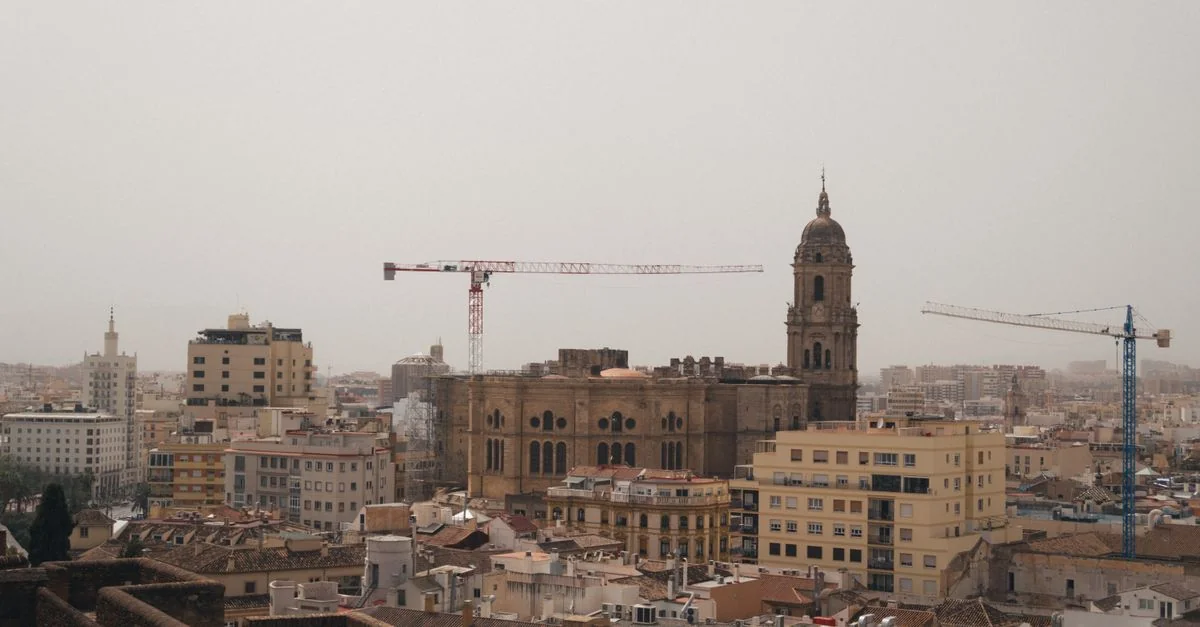
Planning a trip to Malaga depends largely on how you prefer to manage the Andalusian heat and tourist crowds. The shoulder seasons of spring, specifically from April through May, and autumn, spanning September and October, offer the most comfortable conditions for exploring the city on foot. During these months, daytime temperatures hover in the pleasant seventies and low eighties Fahrenheit, avoiding the intense heat of midsummer while keeping outdoor cafe terraces comfortably full.
Summer, running from June through August, brings peak tourism and soaring temperatures that frequently push past ninety-five degrees Fahrenheit. Locals and travelers alike retreat indoors during the hottest afternoon hours, moving daily routines later into the evening. Accommodation prices reach their annual peak during July and August, and booking coastal lodging requires months of advance planning. Flights from the United States often command higher fares during these summer months as well.
Winter brings mild weather with daytime highs averaging in the low sixties, making it an appealing option for budget-conscious travelers seeking to escape harsh American winters. Rainfall is more common between November and February, though prolonged washouts remain rare. Hotels and guesthouses lower their rates significantly during this period, and popular attractions can be explored without waiting in long queues.
Where to Stay in Malaga#
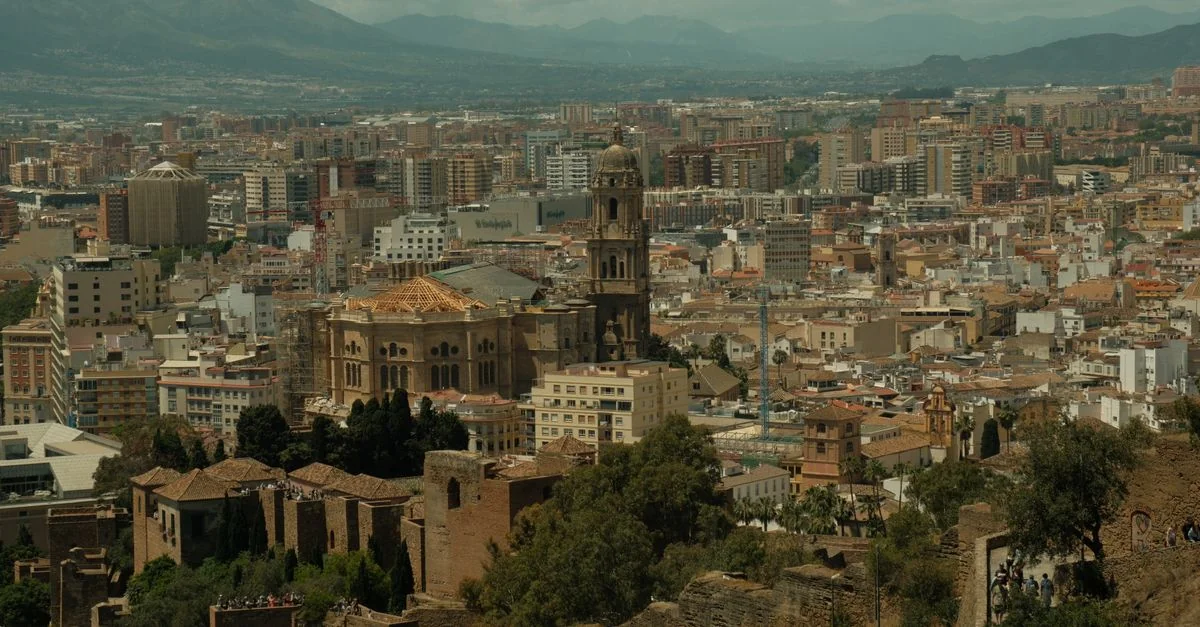
Choosing a neighborhood depends on your preferred travel style and tolerance for evening noise. The historic center, known locally as El Centro, places you right in the middle of the action within walking distance of major monuments, tapas bars, and shopping streets. Accommodation here ranges from modest, historic guesthouses to high-end boutique properties carved into restored nineteenth-century mansions. Mid-range visitors will find plenty of modern apartment rentals that offer kitchen facilities and residential charm.
For a slightly more bohemian atmosphere, the Soho district located just southwest of the historic core appeals to art enthusiasts and independent travelers. This formerly industrial neighborhood has evolved into a canvas for street artists, featuring murals by international creators alongside craft breweries and specialty coffee shops. Lodging tends to skew toward trendy mid-range design hotels and chic apartments, appealing to travelers looking for a contemporary neighborhood vibe.
If you prefer waking up to the sound of waves, the Malagueta neighborhood sits just east of the port and offers a classic beach-resort feel within walking distance of the city center. Accommodations here include luxury beachfront high-rises and comfortable mid-range hotels popular with families. Nighttime dining options lean heavily toward upscale seafood restaurants overlooking the sand, providing a resort-style stay without sacrificing urban convenience.
Top Things to Do in Malaga#
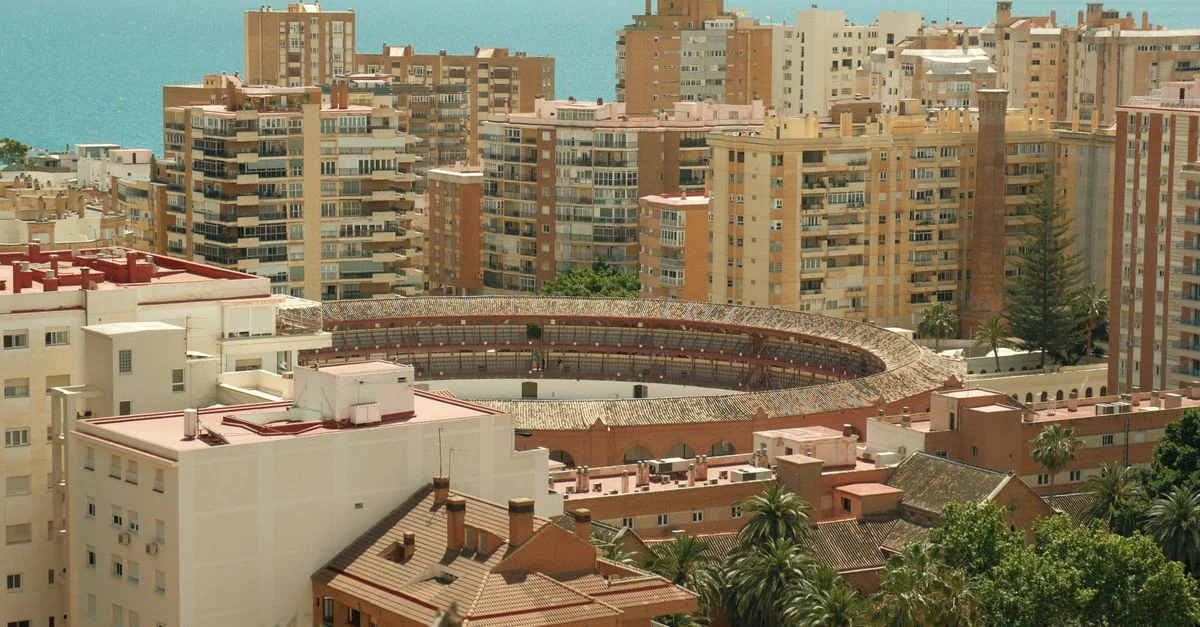
The city’s architectural timeline becomes immediately apparent when you approach the foot of Mount Gibralfaro. Rising above the city, the Alcazaba stands as one of the best-preserved Moorish fortifications in Spain , featuring tiered gardens, shaded courtyards, and double walls that offer sweeping views across the harbor. Connected to this fortress by a fortified corridor known as La Coracha is the Castillo de Gibralfaro, perched at the very top of the hill. Climbing up to the castle ramparts rewards hikers with panoramic vistas of the Mediterranean coastline and the bullring far below. At the base of the hill, the Roman Teatro Romano provides a striking contrast, its stone seating tiers dating back to the first century BCE and remaining visible right from the modern street level.
Art lovers will want to spend hours exploring the Museo Picasso Malaga, housed in the sixteenth-century Buenavista Palace. The permanent collection traces the evolution of the city’s most famous artist through paintings, ceramics, and sculptures that span his entire career. Just a short walk away, the Museo Casa Natal de Picasso occupies the building where the artist was born in 1881, offering a glimpse into his early family life alongside temporary exhibitions. For a completely different artistic direction, the Centre Pompidou Malaga brings a splash of contemporary color to the harbor with its multicolored glass cube, housing a rotating selection of twentieth-century masterworks from the famous Paris institution.
Beyond the major museums, exploring the daily rhythm of the city leads to the Mercado Central de Atarazanas, a sprawling food market set inside a nineteenth-century iron-and-glass structure with a preserved Moorish archway as its main entrance. Stalls overflow with fresh seafood, regional cheeses, and mountain hams, while small tapas bars inside serve morning snacks to locals. For a breath of fresh air, the Paseo del Parque offers a lush botanical promenade lined with towering palms, tropical flowers, and shaded benches that lead down toward the newly redesigned port area known as Muelle Uno, where luxury yachts moor alongside modern dining pavilions and open-air sculpture walks.
Food and Dining Guide#
The culinary identity of Malaga is deeply tied to the sea and the surrounding mountains of Andalusia. Traditional dining revolves around shared plates, late dinners, and casual neighborhood taverns where waiters still record your bill directly onto the wooden counter with a piece of chalk.
No trip is complete without tasting Espetitos de Sardinas, the quintessential local delicacy. Fishermen skewer fresh sardines on bamboo sticks, burying them in mounds of hot sand around small fishing boats converted into open-air grills on the beach. Seasoned simply with coarse sea salt, the fish absorb a distinct smoky flavor from the olive wood fire. Another local favorite is Fritura Malagueña, a generous platter of assorted fried fish and seafood, including red mullet, squid, and anchovies, all lightly dusted in flour and fried until crisp in very hot olive oil.
Moving inland, Porra Antequerana provides a refreshing option during hot afternoons. This thick, cold soup resembles gazpacho but relies on a base of bread, tomatoes, garlic, and high-quality olive oil, traditionally topped with hard-boiled eggs and chunks of cured ham. For a hearty meat dish, Rabo de Toro features tender oxtail slow-cooked for hours in a rich red wine reduction with vegetables until the meat falls off the bone. When it comes to pairing your meal, order a glass of local sweet Malaga wine, a fortified variety made from Moscatel and Pedro Ximenez grapes that has been famous across Europe for centuries.
Getting Around Malaga#
Navigating Malaga requires very little planning because the historic core is almost entirely pedestrianized. Walking remains the absolute best way to absorb the atmosphere, discover small plazas, and stumble upon hidden courtyards that tour buses cannot reach. Comfortable walking shoes are essential, particularly if you plan to tackle the steep paths leading up to the hilltop castles.
When your feet need a break, the city’s public bus network, managed by EMT, provides reliable and affordable service across town and out to the surrounding beaches. Single tickets can be purchased directly from the driver using cash or contactless credit cards, though frequent riders benefit from purchasing a rechargeable transit card at local tobacconist shops. The clean and modern metro system offers two lines, connecting the western residential districts to the center, though tourists rarely need it unless staying far outside the historic core.
Taxis are readily available at designated stands throughout the city and can be hailed on the street when their green light is illuminated. Rides within the central zone are reasonably priced, and drivers generally use meters. Renting a car is unnecessary if you plan to stay strictly within Malaga, and parking in the center is notoriously difficult and expensive. However, having a vehicle becomes useful if you plan to venture out into the surrounding white villages of Andalusia or explore the rugged coastline beyond the city limits.
Budget Breakdown#
Traveling to Malaga offers solid value compared to major northern European capitals or tourist-heavy American cities, though costs vary depending on your travel style.
For budget travelers, daily expenses typically range from $50 to $90 per day. Budget accommodation in local guesthouses or shared apartments generally starts around $35 to $60 per night. Food costs remain low if you embrace the local routine of buying fresh ingredients at the central market or ordering daily tapas specials, keeping daily meals around $15 to $25. Public transportation and walking keep transit costs minimal, while many historical sites offer free admission days or very low entrance fees under $5.
Mid-range travelers should plan for a daily budget of $120 to $220. This tier covers comfortable boutique hotels or private vacation rentals ranging from $90 to $160 per night. Dining out becomes more flexible, allowing for sit-down dinners at traditional restaurants and seaside beach bars where a full seafood meal with wine averages $40 to $60 for two people. This budget also easily accommodates museum tickets, occasional taxi rides, and guided walking tours.
Luxury travelers spending $300 to $500 or more per day will find high-end historic hotels or coastal resorts starting around $250 to $400 per night. Fine dining establishments featuring modern Andalusian tasting menus will elevate food costs, while private drivers, guided excursions, and exclusive beach club rentals round out the higher end of the spectrum.
Travel Tips for Malaga#
Tipping culture in Spain differs significantly from the expectations in the United States. Service staff receive a standard living wage, so large percentage-based tips are neither expected nor customary. Leaving a few coins or rounding up the bill by a couple of euros after a coffee or casual tapas meal is appreciated for good service, while leaving five to ten percent at a high-end restaurant is generous.
Meal times run much later than what most American travelers are accustomed to. Lunch, which serves as the main meal of the day, typically begins around two in the afternoon, while dinner rarely gets underway before nine or ten at night. Many traditional kitchens close between the afternoon and evening shifts, so trying to eat dinner at six in the evening will leave you searching for tourist-oriented establishments.
Siesta customs still influence the daily rhythm of smaller shops and local businesses, even if major supermarkets and museums remain open straight through the day. Between two and five in the afternoon, independent boutiques may close their doors for a midday break, making this an ideal time to visit major indoor attractions or relax at a shaded cafe.
Language barriers are manageable in hotels, major museums, and central restaurants where English is widely spoken. However, venturing slightly off the beaten path into neighborhood tapas bars rewards those who know a few basic phrases of Spanish. Locals appreciate the effort, and a simple greeting or expression of gratitude goes a long way in establishing a friendly rapport.
Sun protection is crucial given the intensity of the southern Spanish climate. Even during the shoulder seasons, the Mediterranean sun can be surprisingly strong. Packing sunscreen, a wide-brimmed hat, and sunglasses will ensure you stay comfortable during long afternoons spent exploring outdoor historical sites and walking along the harbor.
Pickpocket awareness is necessary in any busy tourist destination, and Malaga is no exception. While the city feels remarkably safe compared to larger European capitals, crowded areas like the central market, the main shopping street of Calle Larios, and busy beach promenades call for basic precautions such as keeping bags zipped and wallets secure.
📌 Disclaimer
Prices, schedules, tour details, flight routes, visa requirements, and all other information on this page are based on data at the time of writing. Fares, availability, and policies may change. Please verify current details on the official website before booking.
📌 More about Malaga