📌 Disclaimer
Prices, schedules, tour details, flight routes, visa requirements, and all other information on this page are based on data at the time of writing. Fares, availability, and policies may change. Please verify current details on the official website before booking.
Complete Travel Guide to Lyon: Top Attractions, Tips & Itinerary#
The smell of roasting pork and buttered pastry drifts through the narrow stone alleys of the old city, mixing with the damp scent of the Rhône and Saône rivers. This is the sensory introduction to Lyon, a city that manages to feel like a cozy village and a global metropolis all at once. For Americans used to the frantic pace of New York or the sprawling nature of Los Angeles , Lyon offers a refreshing change of pace where the focus is on slow meals, architectural history, and a walkable urban layout.
Why Visit Lyon?#
Lyon serves as the perfect alternative to Paris for travelers who want a genuine French experience without the overwhelming crowds of the capital. It is the crossroads of Europe , where the history of the Roman Empire meets the industrial ingenuity of the silk trade. The city is built on two hills, providing natural vantage points that allow you to see the skyline transition from Renaissance facades to sleek, modern skyscrapers.
Beyond the architecture, the city is widely regarded as the food capital of France . While Paris has the fame, Lyon has the tradition. The city is designed around the concept of eating well, from the traditional worker-style eateries to high-end establishments. It is a place where you can spend a morning exploring ancient ruins and an afternoon wandering through secret passageways used by silk weavers centuries ago.
Best Time to Visit Lyon#
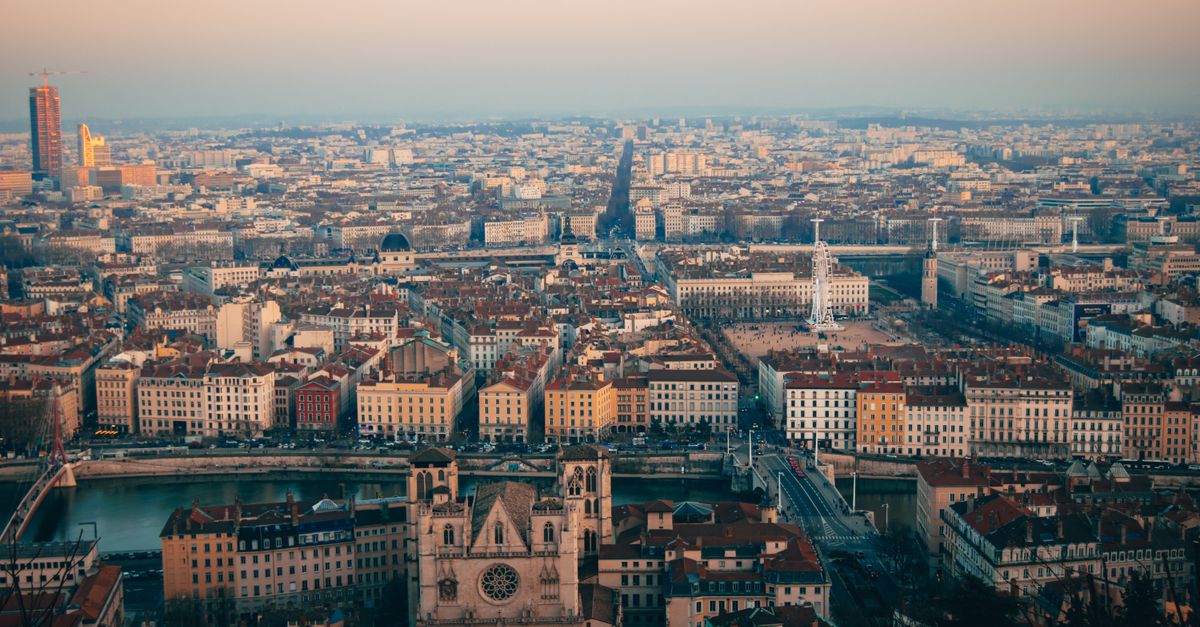
The ideal window for visiting is from May to September. During these months, the weather is mild and the city’s many parks and riverbanks are full of life. June and July offer the most sunlight, making it easier to explore the hills on foot, though this is also when hotel prices peak and the most tourists arrive. September is a particularly strong choice, as the summer heat fades and the crowds thin out, while the air remains warm.
Autumn, specifically October and November, brings a moody, romantic atmosphere with gold leaves covering the city. This is a great time for budget-conscious travelers, as accommodation prices typically drop. However, be prepared for more rain and shorter days. Winter from December to February is cold and often grey, but December is a special time due to the festive markets. This is generally the cheapest time to visit, provided you don’t mind wearing a heavy coat while you explore.
Spring, from March to April, is a season of transition. The city blooms with fresh greenery, and the weather is unpredictable, fluctuating between crisp mornings and warm afternoons. This is a shoulder season, meaning you can find a balance between reasonable pricing and pleasant weather.
Where to Stay in Lyon#
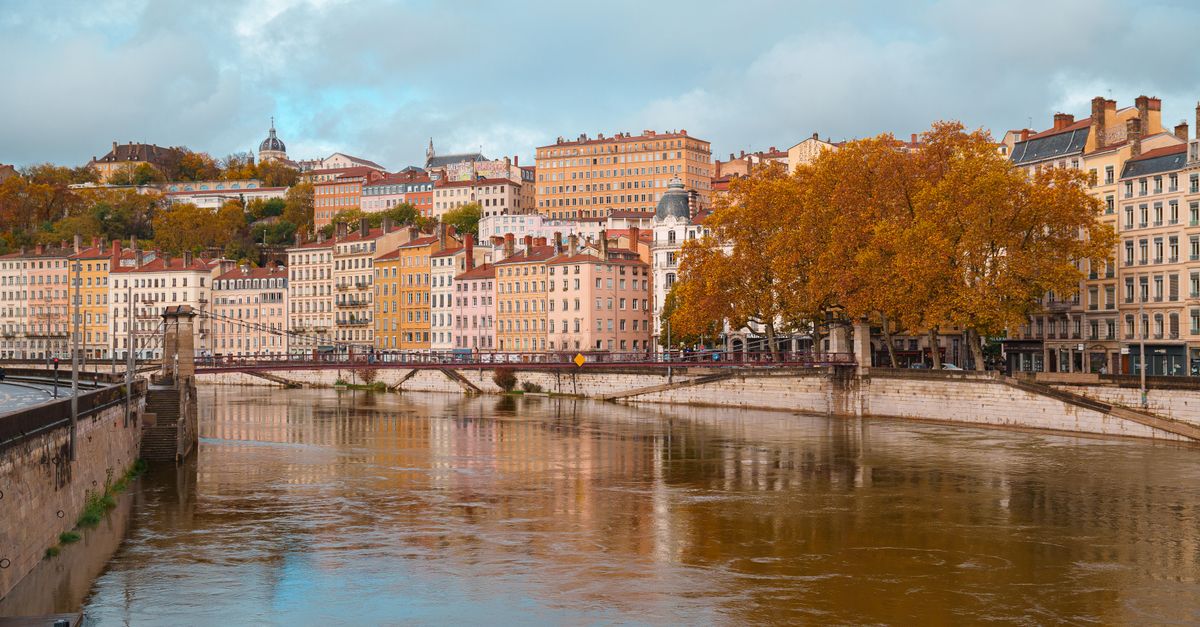
For those who want to be in the heart of the action, Vieux Lyon is the most atmospheric choice. This area is characterized by cobblestone streets and Renaissance buildings. Budget travelers can find small guesthouses here, while mid-range options often include boutique apartments in historic buildings. It is the most tourist-centric area, which makes it convenient for sightseeing but slightly louder at night.
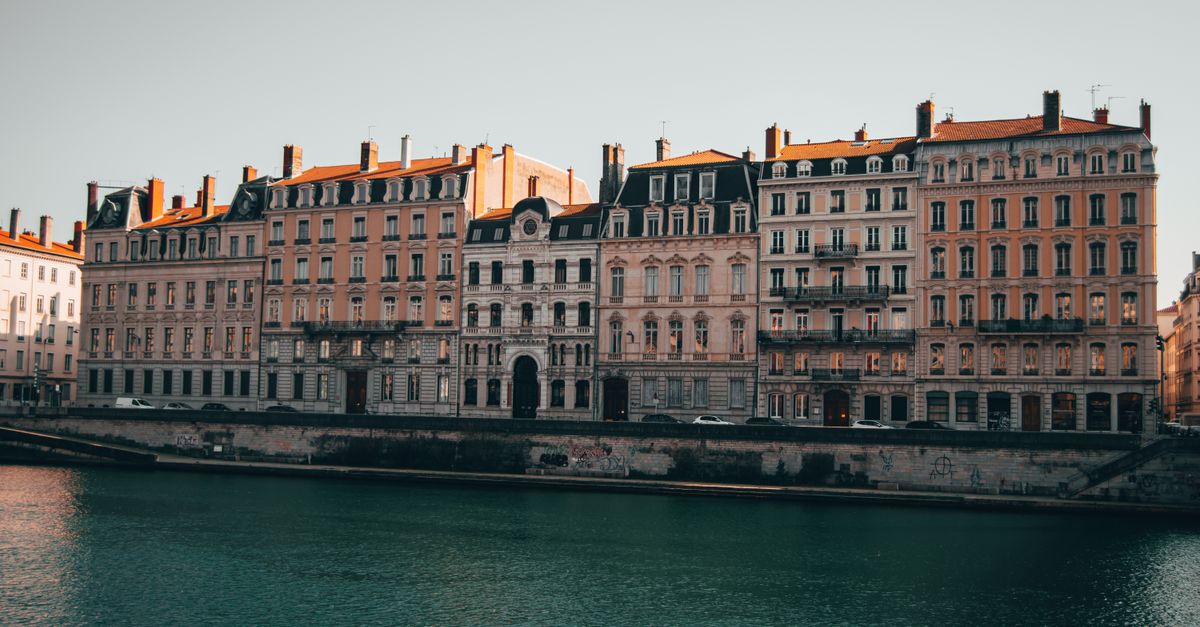
If you prefer a more local, sophisticated feel, Presqu’île is the ideal spot. Located on the peninsula between the two rivers, this neighborhood is the center of shopping and dining. Luxury travelers will find the highest concentration of high-end hotels here, while mid-range travelers can find modern hotels near the main squares. It is the most central location, making it easy to reach any other part of the city.
For a trendier, more artistic vibe, La Croix-Rousse is the place to be. Situated on a hill, this former silk-weaving district feels like a separate village. It is perfect for those seeking a quieter stay in a residential neighborhood. Budget and mid-range options are common here, often in the form of rentals or small inns. It is less central than the other options but offers a more authentic glimpse into daily Lyonnais life.
Part-Dieu is the best choice for travelers who prioritize convenience and modern amenities. As the business district and location of the main train station, it is filled with large, contemporary hotels across all price points. While it lacks the charm of the old city, it is the most practical choice for those who have short layovers or are traveling with heavy luggage.
Top Things to Do in Lyon#
Start your exploration at the Basilica of Notre-Dame de Fourvière, which sits atop the city’s highest hill. The white stone structure dominates the skyline and offers the best panoramic view of the entire region. To get there, you can take the funicular, which saves you a steep climb and provides a scenic ascent. Once you descend, wander over to the Théâtre Antique de Fourvière, one of the oldest Roman theaters in France. The stone tiers are still remarkably intact, allowing you to imagine the crowds that gathered here two thousand years ago.
Walking down from the hill leads you into Vieux Lyon, the old town. This area is famous for its Traboules, secret passageways that cut through buildings and courtyards to connect one street to another. These were originally used by silk weavers to transport their goods while keeping them dry from the rain. Finding these hidden doors is a game of discovery, as many are tucked behind unassuming entrances. While you are in the old city, visit the Cathédrale Saint-Jean, known for its stunning astronomical clock and Gothic architecture.
Cross the bridge to the Presqu’île to see the Place Bellecour, one of the largest open pedestrian squares in Europe. It is a great spot for people-watching and serves as the central hub for the city’s shopping districts. Nearby, the Place des Terreaux is home to the Musée des Beaux-Arts, which houses an incredible collection of paintings and sculptures in a former convent. This museum is ideal for anyone interested in the evolution of European art.
For a change of pace, head to Parc de la Tête d’Or, a massive urban park that feels like a getaway from the city. It features a large lake, botanical gardens, and a free zoo. It is the perfect place for a picnic or a slow bike ride. If you have an interest in the city’s industrial past, travel up to La Croix-Rousse. This neighborhood is where the silk industry thrived, and you can still see the tall ceilings and large windows of the old workshops designed to let in maximum light for the weavers.
To wrap up your visit, take a stroll along the Berges du Rhône, the modernized riverbanks. These paths are lined with cafes, bike rentals, and walking trails. It is a great way to see the city’s modern side and watch the locals enjoy their evening walks. For those interested in the darker side of history, the Musée Lumière is a fascinating stop, dedicated to the brothers who invented cinematography. The museum is located in their former family home and garden, providing a quiet, reflective atmosphere.
Food and Dining Guide#
Eating in Lyon is an activity in itself. The city is famous for its Bouchons, which are traditional Lyonnais eateries. These are not typical bistros; they are cozy, rustic spots with checkered tablecloths and a menu focused on hearty, meat-heavy dishes. a solid Bouchon is certified by a local association to ensure it maintains traditional standards. Here, you should try Quenelles de Brochet, which are light, airy fish dumplings usually served in a creamy Nantua sauce.
Another staple of the local diet is Saucisson de Lyon, a cured pork sausage that comes in various forms, sometimes cooked with potatoes or served cold with bread. For those who enjoy offal, Tablier de Sapeur is a specialty consisting of breaded and fried tripe, reflecting the city’s history of using every part of the animal. If you are looking for something sweet, seek out a Praline Rose tart. These bright pink, sugar-coated almonds are a signature of the region and are found in almost every bakery.
For a more casual experience, visit Les Halles de Lyon Paul Bocuse. This is a high-end indoor food market named after the city’s most famous chef. It is the best place to sample local cheeses, oysters, and pastries in one location. While it is more expensive than a street market, the quality of the ingredients is top-quality. If you prefer street food, the areas around the university and the riverbanks offer plenty of creperies and sandwich shops where you can grab a quick meal.
Dining in Lyon is generally divided between these traditional spots and the modern, Michelin-starred restaurants that have put the city on the global map. While the high-end spots are expensive, the Bouchons offer a mid-range experience where you can eat a full meal and drink local wine for a reasonable price. Remember that lunch is the main meal of the day for many locals, and many smaller eateries close between 2:00 PM and 7:00 PM.
Getting Around Lyon#
The easiest way to navigate the city is through the TCL network, which includes the metro, trams, and buses. The metro is efficient and connects the main hubs quickly, while the trams are excellent for crossing the river and reaching the outskirts. Tickets can be bought at kiosks in every station and are valid across all modes of transport for a set period. For Americans, the most convenient option is often a multi-day pass, which removes the need to buy individual tickets for every trip.
Walking is highly encouraged, especially in Vieux Lyon and Presqu’île. The city is compact, and many of the best sights are only a few blocks apart. However, be prepared for some incline when heading toward the hills. The funicular is a great way to avoid the steep climb to Fourvière.
Taxis and ride-sharing apps are available and reliable, though they can be expensive during peak hours. They are best used for trips to the airport or when traveling with heavy luggage. Rental cars are generally discouraged within the city limits. Parking is difficult and expensive, and the narrow streets of the old town are not designed for modern vehicles. If you plan to explore the surrounding vineyards or the Alps, rent a car from a location outside the city center.
Budget Breakdown#
For a budget traveler, expect to spend around $60-90 per day. This includes staying in a hostel or a budget guesthouse, eating at affordable creperies or markets, and using public transit. Activities are kept low-cost by focusing on free walking tours, public parks, and the free zoo.
A mid-range traveler will likely spend between $150-250 per day. This allows for a stay in a comfortable boutique hotel or a private apartment. Meals would include a mix of a quick lunch and a traditional dinner at a Bouchon with a glass of wine. This budget also covers entrance fees to the major museums and the funicular.
Luxury travelers can expect to spend $400 or more per day. This covers stays in high-end hotels on the Presqu’île, dining at Michelin-starred restaurants, and using private transport. This budget allows for guided private tours of the silk workshops and premium shopping experiences.
Travel Tips for Lyon#
Learning Basic French will significantly improve your experience. While people in the tourist areas speak English, a simple “Bonjour” (Hello) and “Merci” (Thank you) go a long way. In Lyon, locals appreciate the effort, and it often leads to better service in the smaller, family-run Bouchons.
Dining Reservations are highly recommended for dinner. The best Bouchons are small and fill up quickly, especially on weekends. If you see a place with a “Certified Bouchon” sticker in the window, it is worth the effort to book a table a day or two in advance.
Comfortable Footwear is a non-negotiable requirement. Between the cobblestones of the old town and the steep hills of Fourvière and Croix-Rousse, you will be doing a significant amount of walking. Avoid heels or dress shoes until you are heading to a formal dinner.
Understanding the Metro is key to saving time. The system is intuitive, but be mindful of the closing times, as some lines stop running earlier than you might expect compared to American cities. Always keep your ticket with you until you exit the station to avoid fines during random checks.
Exploring the Traboules requires a bit of patience. Many of these passageways are actually residential hallways. Be respectful and quiet when walking through them, as people live behind the doors you are passing. Look for the small signs that indicate a public passageway.
Water Bottles should be carried at all times. Lyon has many public drinking fountains with clean, cold water. This is a great way to stay hydrated while exploring the hills without spending money on bottled water at every corner.
📌 Disclaimer
Prices, schedules, tour details, flight routes, visa requirements, and all other information on this page are based on data at the time of writing. Fares, availability, and policies may change. Please verify current details on the official website before booking.
📌 More about Lyon