📌 Disclaimer
Prices, schedules, tour details, flight routes, visa requirements, and all other information on this page are based on data at the time of writing. Fares, availability, and policies may change. Please verify current details on the official website before booking.
Why Visit Luxor?#
The first thing that greets you as you step off the Nile is the warm, dry air that carries the faint scent of frankincense and myrrh. It feels like stepping back in time, yet the city pulses with everyday life—locals trading spices on the market stalls, children chasing pigeons along the riverbank, and the rhythmic clatter of camel carts. Luxor is often called the “world’s greatest open-air museum,” and that reputation is earned by the sheer density of history that surrounds every corner. Walking from the banks of the Nile to the towering columns of Karnak Temple or the serene expanse of the Valley of the Kings feels less like a trip and more like an invitation to witness the legacy of pharaohs, priests, and artisans who shaped the ancient world.
Beyond the iconic monuments, Luxor offers a blend of natural beauty and modern comfort. The river itself is a living artery, its banks dotted with gardens, cafés, and the occasional floating market. In the evenings, the city lights cast a gentle glow over the temples, creating a tranquil atmosphere that invites reflection. Whether you’re an archaeology enthusiast, a history buff, or simply looking for a place where the past and present coexist, Luxor offers a depth of experience that is both accessible and profound.
Best Time to Visit Luxor#
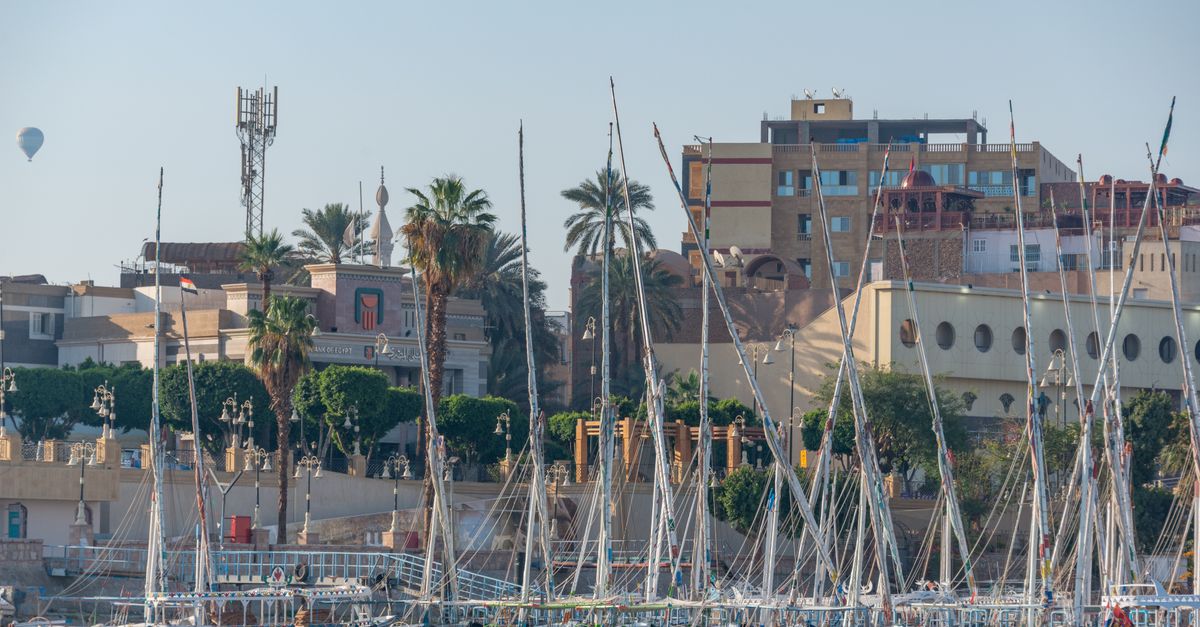
Luxor’s climate is a predictable desert pattern, with scorching heat in the summer and mild, pleasant temperatures in the winter. For travelers seeking a balance between comfort and activity, the shoulder months of December through February are ideal. Daytime temperatures hover around 20–25 °C (68–77 °F), while evenings cool enough to enjoy a leisurely walk along the river. The tourist crowd is moderate, and hotel rates tend to be lower than in the peak season.
If you prefer warmer weather and a livelier atmosphere, March to May offers a golden window. The heat is noticeable but manageable, especially in the mornings and late afternoons. This period also coincides with the annual Nile Festival, adding a cultural layer to your visit. Prices for accommodations rise slightly, but the trade‑off is a lively city life and a more dynamic crowd.
From June to September, temperatures climb above 35 °C (95 °F), making daytime exploration challenging. Many locals and tourists alike retreat to the shade of the temples or the cool interiors of museums. If you plan to travel during these months, schedule early morning or late afternoon visits to the major sites and reserve the hottest hours for indoor activities. Prices for hotels and tours tend to dip during this period, offering a more budget‑friendly experience.
October and November bring a gradual cooling, with temperatures ranging from 25–30 °C (77–86 °F). This transition period is pleasant for outdoor adventures, and the crowds begin to thin. Hotel rates start to drop again, making it a sweet spot for travelers who want a comfortable climate without the peak‑season price tag.
Where to Stay in Luxor#
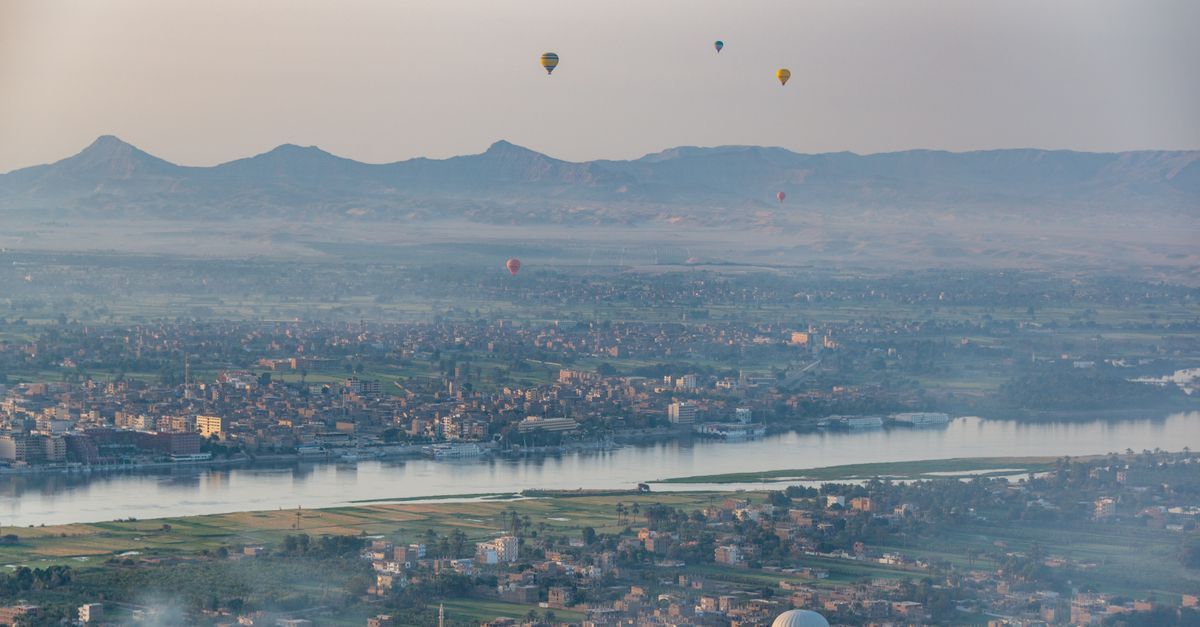
Luxor’s accommodations are organized largely around the river’s two banks, each offering distinct vibes and practical advantages. For travelers on a tight budget, the East Bank neighborhood provides a range of guesthouses and small hotels where nightly rates typically start around $30–50. These lodgings are often within walking distance of the Nile and a short taxi ride to the major temples on the West Bank. The atmosphere is relaxed, with friendly locals ready to share tips on the best times to visit.
Those seeking a mid‑range experience can find a comfortable blend of modern amenities and local charm in the West Bank area. Here, hotels and boutique inns offer rooms that range from $70–120 per night. Staying on the West Bank places you close to Luxor Temple and the Valley of the Kings, reducing travel time and allowing you to catch sunrise over the temple columns or sunset over the Nile without a long commute.
For travelers looking to indulge, the Downtown Luxor district offers luxury accommodations that range from $150–250 per night. These properties often feature private pools, spa services, and panoramic views of the river or the temple precincts. While the cost is higher, the convenience of being centrally located—close to markets, restaurants, and the Nile promenade—makes it a worthwhile choice for those who want to experience the city’s everyday life without sacrificing comfort.
Top Things to Do in Luxor#
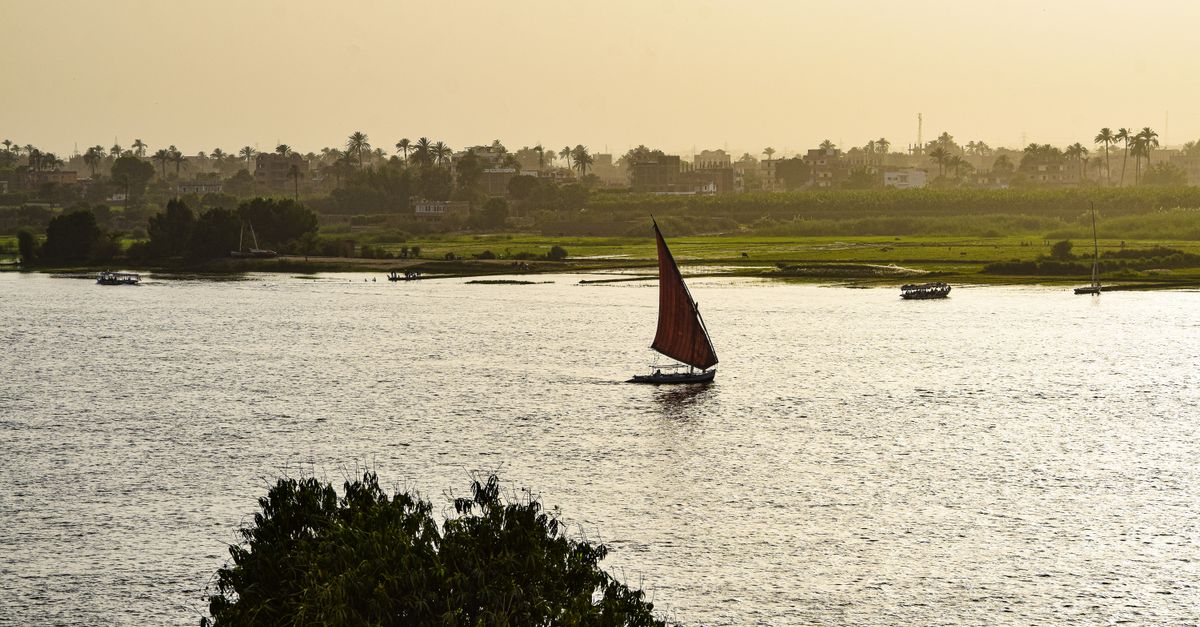
A morning in Luxor can begin with a gentle stroll along the Nile, watching the sun rise over the water and casting a warm glow across the city’s skyline. From there, a visit to Karnak Temple feels like stepping into a living cathedral, its massive columns standing tall against the clear sky. The temple’s intricate bas-reliefs and towering obelisks are a testament to the engineering prowess of ancient builders. After exploring the main sanctuary, you might wander into the quieter side halls where lesser‑known statues and inscriptions offer a more intimate glimpse into the past.
A short taxi ride across the river brings you to the Valley of the Kings, a sprawling necropolis that houses the tombs of pharaohs, nobles, and high priests. The tombs, carved into the limestone cliffs, are adorned with vivid murals depicting scenes from the afterlife. While Tutankhamun’s Tomb remains the most famous, the valley also contains chambers that are less frequented, allowing for a more personal experience. The surrounding desert landscape, with its gently rolling dunes, adds a dramatic backdrop to the ancient carvings.
For a taste of royal opulence, a visit to the Temple of Hatshepsut is essential. This mortuary temple, built to honor the first woman pharaoh, showcases a unique architectural style with its stepped terraces and lush gardens. The interior walls are richly decorated with scenes of her reign, and the temple’s design creates a sense of grandeur that is both awe‑invoking and serene.
If you’re interested in a different perspective, a trip to the Colossi of Memnon offers an iconic view of two massive stone statues that have stood for millennia. These statues, carved from a single block of limestone, guard the entrance to the ancient temple of Amenhotep III. Watching the sunrise or sunset over the colossi is a memorable experience, as the light plays across the stone’s weathered surface.
A day trip to Philae Temple on an island in the Nile provides a peaceful escape from the city’s bustle. The temple, dedicated to the goddess Isis, is surrounded by lush greenery and offers a quieter setting for reflection. The boat ride across the river is an opportunity to see local life along the banks and to enjoy the scenic beauty of the Nile’s banks.
For those who appreciate the cultural blend of ancient and modern, a visit to a local Nubian Village on the West Bank offers insight into the traditions of the Nubian people. Visitors can explore handcrafted jewelry, sample local music, and learn about the community’s history, which dates back thousands of years.
A hot air balloon ride at dawn is a unique way to experience Luxor from above. As the balloon rises, the early morning light bathes the temples and the river in a soft glow, and the panoramic view of the desert landscape is breathtaking. The quiet of the sky offers a stark contrast to the busy streets below.
An evening at the Sound and Light Show at Karnak provides a dramatic retelling of Egypt ’s ancient history through music, lights, and narration. The show brings the temples to life with a cinematic experience that is both entertaining and informative, making it a must‑see for travelers who want to wrap up their day with a memorable spectacle.
Finally, a visit to the Luxor Museum offers A Practical look at the artifacts recovered from the surrounding archaeological sites. The museum’s collection, ranging from mummies to sarcophagi, provides context for the monuments you’ve seen and deepens your understanding of the region’s history.
Food and Dining Guide#
Luxor’s culinary scene is a blend of traditional Egyptian flavors and modern twists. One of the first dishes you should try is Ful Medames, a hearty stew of fava beans seasoned with olive oil, lemon, and cumin. It is often served with warm bread and a side of fresh tomatoes, making for a satisfying breakfast or brunch.
For a taste of the Nile’s bounty, Mahshi—vegetables stuffed with rice, herbs, and spices—offers a comforting and flavorful meal. The dish is typically served with a side of Tahini Sauce, adding a creamy, nutty element that balances the spices. Many local restaurants prepare Mahshi in a slow-cooked pot, allowing the flavors to meld beautifully.
If you’re craving something lighter, Koshari is a popular street‑food staple that blends lentils, rice, and pasta topped with a spicy tomato sauce and crispy onions. It’s a filling dish that showcases the ingenuity of Egyptian home cooking. Street vendors often serve Koshari in a paper bowl, offering a casual dining experience that’s both economical and delicious.
For those who enjoy seafood, Grilled Fish with Herbs is a must‑try. Fresh fish from the Nile is marinated in a blend of herbs and spices before being grilled to perfection. The result is a smoky, flavorful dish that pairs well with a side of Mahshi or a simple salad of fresh greens.
When you’re ready for a more upscale dining experience, consider a dinner at a riverside restaurant that offers Shawarma and Biryani. These dishes, while not traditionally Egyptian, have become beloved staples in Luxor’s culinary landscape. The Shawarma is typically served with fresh vegetables and a garlic yogurt sauce, while the Biryani is a fragrant rice dish cooked with spices and tender meat. Both dishes provide a delightful blend of flavors that reflect the city’s cosmopolitan influences.
Street food stalls and small cafés are abundant throughout Luxor, offering quick bites and refreshing drinks. A popular local beverage is Mint Tea, served hot and sweetened with sugar, which is a perfect companion to any meal. For a sweet treat, Basbousa—a sweet semolina cake soaked in syrup—provides a moist, flavorful end to a hearty meal.
Getting Around Luxor#
Traveling within Luxor is straightforward, with several options to suit different preferences and budgets. Taxis are the most common mode of transport and are relatively inexpensive. Metered taxis are widely available, and a short ride across the Nile from the East Bank to the West Bank typically costs a modest fare. It is helpful to agree on a price before you begin your journey, especially if you are traveling at night.
For those who enjoy a more leisurely pace, walking is a viable option, especially between attractions on the same bank. The streets of Luxor are generally flat, and many sites are within a comfortable walking distance of each other. However, during the hotter months, it is advisable to plan your walking routes for the early morning or late afternoon to avoid the midday heat.
Public transit in Luxor is limited, but there are a few local buses and shared taxis that run along the river. These services are inexpensive and can be a good way to reach more distant sites, such as the Nubian Village or the Temple of Philae. It is essential to confirm the route and schedule with the driver before boarding, as schedules can be informal.
For travelers who prefer autonomy, renting a car offers the flexibility to explore the surrounding countryside at your own pace. Rental agencies are available in the city, and most cars come with a driver or can be rented with a license. Keep in mind that driving in Luxor can be hectic, especially during peak tourist season, so a local driver familiar with the area is often a wise choice.
Budget Breakdown#
A typical day in Luxor can vary widely depending on your travel style. For those on a tighter budget, a daily estimate of $50–$70 is realistic. This includes accommodation in a modest guesthouse, meals from local eateries, public transportation, and entrance fees to major attractions. Mid‑range travelers can expect to spend between $90–$120 daily, covering a comfortable hotel, a mix of restaurant meals, private transportation for certain sites, and a few additional activities. Luxury travelers, who wish to stay in upscale accommodations, dine at high‑end restaurants, and enjoy private tours, can anticipate a daily budget of $180–$250 or more, depending on the level of exclusivity desired.
These estimates are flexible and can be adjusted based on seasonal pricing, the choice of activities, and personal preferences. It is always a good idea to have a small buffer for unexpected expenses, such as tips, souvenirs, or a spontaneous excursion.
Travel Tips for Luxor#
Dress Appropriately
The climate in Luxor can be intense, especially during the summer months. Light, breathable clothing is essential, and a wide‑brimmed hat will protect you from the sun. When visiting temples and other religious sites, modest attire that covers shoulders and knees is respectful and often required.
Stay Hydrated
The dry air and heat can lead to dehydration quickly. Carry a refillable water bottle and sip water regularly. Many cafés and restaurants offer bottled water at reasonable prices, and most hotels provide complimentary water at the lobby or in the room.
Plan Early Morning Visits
The most popular attractions, such as Karnak Temple and the Valley of the Kings, attract large crowds. Arriving early not only helps you avoid the heat but also allows you to experience the sites in a quieter atmosphere. Many sites open around 8 a.m., and the first few hours are often the best time to explore.
Use a Local Guide
While the major sites are well‑marked, a local guide can enrich your visit with stories and historical context that you might miss on your own. Guides are readily available at the entrance of most temples and can be hired for a few hours or a full day. Their knowledge of lesser‑known details adds depth to your experience.
Respect Local Customs
Egyptian culture places a high value on hospitality and respect. When visiting homes or private spaces, it is customary to remove shoes before entering. Additionally, photographing people without permission can be frowned upon, so always ask before taking photos of locals.
Cash is King
While credit cards are accepted in many hotels and larger restaurants, smaller establishments, street vendors, and markets often prefer cash. The local currency is the Egyptian Pound, and it is wise to keep small denominations on hand for quick transactions.
Be Mindful of the Heat
If you plan to visit during the hotter months, schedule outdoor activities for the cooler parts of the day. The early morning or late afternoon offers milder temperatures and a chance to enjoy the scenery without the discomfort of midday sun.
Stay Safe in the Night
Luxor is generally safe for travelers, but it is prudent to stay in well‑lit, populated areas after dark. If you need transportation at night, use reputable taxi services or arrange a ride through your accommodation. Avoid traveling alone in deserted streets or alleys.
Learn Basic Arabic Phrases
A few simple phrases, such as “Thank you” (Shukran) or “How much?” (Kam? ), can go a long way in building rapport with locals. Even a basic effort to speak the language is appreciated and often leads to friendly interactions.
Check the Weather Forecast
Sudden weather changes can affect outdoor plans. A quick glance at the local forecast before heading out can help you decide whether to bring a light jacket or schedule a visit indoors. The Nile’s humidity can also make the air feel warmer than the temperature suggests.
📌 Disclaimer
Prices, schedules, tour details, flight routes, visa requirements, and all other information on this page are based on data at the time of writing. Fares, availability, and policies may change. Please verify current details on the official website before booking.
📌 More about Luxor