📌 Disclaimer
Prices, schedules, tour details, flight routes, visa requirements, and all other information on this page are based on data at the time of writing. Fares, availability, and policies may change. Please verify current details on the official website before booking.
Why Visit Longyearbyen?#
The sharp scent of diesel mixed with crisp, sub-zero air greets visitors as they step onto the tarmac at Svalbard Airport, where snow-capped peaks rise dramatically from the frozen waters of Adventfjorden. Located deep in the high Arctic, this Norwegian settlement sits further north than most people ever venture in a lifetime. It is a place where polar bears outnumber human residents, where the sun either circles the horizon endlessly or disappears for months at a time, and where abandoned coal mines stand as stark monuments against the tundra.
Travelers from the United States often seek out this remote archipelago for a genuine frontier experience that remains remarkably accessible. Unlike Antarctica, which requires arduous expedition cruising, Longyearbyen features paved roads, modern amenities, cozy cafes, and high-speed internet, all while maintaining its wild edge. Snowmobiles serve as standard winter transport, locals leave their front doors unlocked as a precaution against wandering wildlife, and rusted industrial machinery rusts slowly in the permafrost, creating an aesthetic unlike anywhere else on earth.
Visiting this northern outpost shifts your perspective on geography and climate. You stand at the edge of human civilization, where nature dictates the daily rhythm of life. Whether you arrive to witness the ethereal glow of the midnight sun or hope to catch the green ribbons of the aurora borealis dancing across a polar night sky, the stark beauty of Svalbard leaves a lasting impression that typical European vacations simply cannot match.
Best Time to Visit Longyearbyen#
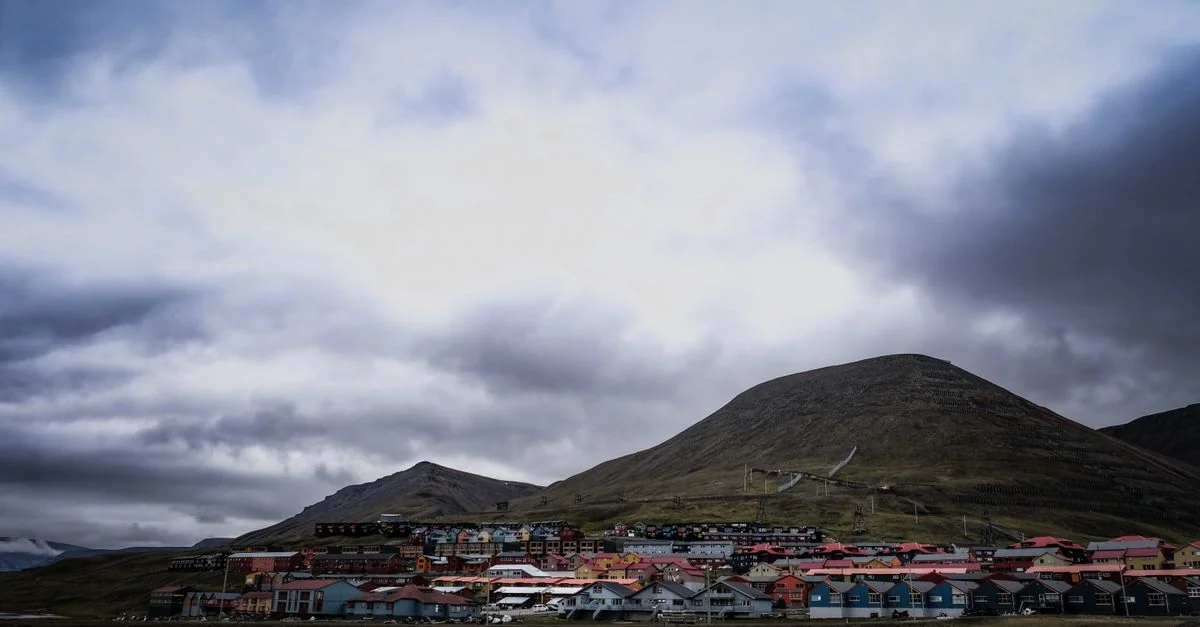
Planning a trip to the Arctic requires choosing between two entirely different worlds, defined by the presence or absence of the sun. The polar winter extends from late October through February, bringing continuous darkness, sub-freezing temperatures, and prime conditions for viewing the northern lights. During November, December, and January, the sun never rises above the horizon, bathing the landscape in a permanent twilight known as the blue hour. Snow blankets the valleys and mountains completely during these months, making motorized transport the primary way to explore the backcountry. Prices for accommodation trend slightly lower during the deep winter, though availability can tighten around the holidays.
Spring brings a dramatic transformation between March and May, widely considered the sweet spot for outdoor adventure. The return of the sun in March triggers celebrations among residents, and daylight stretches rapidly until the midnight sun takes over in late April. Temperatures remain cold enough to maintain thick snowpacks for dog sledding and snowmobiling, but the sunshine makes extended outdoor exploration much more pleasant. Crowds increase slightly during this period as adventure seekers capitalize on the optimal balance of snow cover and daylight.
The summer season runs from June to August, bringing milder temperatures that frequently hover just above freezing. Snow melts from the lower valleys, revealing a fragile tundra landscape covered in miniature Arctic wildflowers. Continuous daylight dominates twenty-four hours a day, allowing visitors to hike, take boat cruises to massive glaciers, and observe nesting seabirds along the dramatic sea cliffs. Summer attracts the highest volume of travelers, meaning accommodation and guided excursions book out far in advance, and prices reflect peak seasonal demand.
Where to Stay in Longyearbyen#
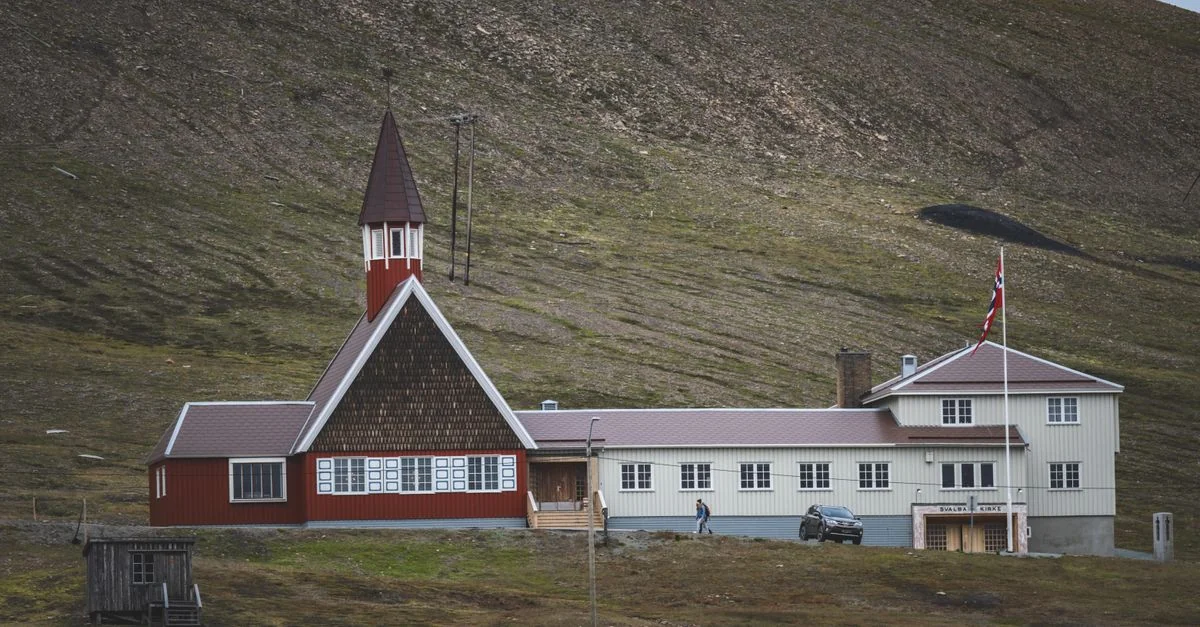
The settlement is compact, but different pockets offer distinct atmospheres for travelers looking to anchor their stay. The central core functions as the main hub, putting visitors within easy walking distance of the grocery store, local pubs, and tour operators. Staying in this central zone suits travelers who want convenience, standard amenities, and mid-range lodging options that keep you close to the action without needing a vehicle.
For those seeking a quieter retreat with sweeping views of the fjord and surrounding peaks, the hillside neighborhoods rising above the valley floor provide a scenic alternative. Accommodations in these elevated spots tend toward the upper tier, featuring larger rooms, onsite dining that highlights local Arctic ingredients, and large windows designed for admiring the midnight sun or scanning the sky for auroras. These locations require a slightly steeper walk back from the center, but the elevated perspective rewards the effort.
Another distinct option lies near the outskirts of the settlement, closer to the historical mining camps and industrial heritage sites. Lodging choices here range from budget-friendly guesthouses and converted bunkhouses to unique boutique properties that lean heavily into the town’s coal-mining past. Staying in this zone immerses you immediately in the rugged history of the archipelago, though you will need to plan for slightly longer walks to reach the main commercial amenities.
Top Things to Do in Longyearbyen#
Exploring the settlement begins with a visit to the Svalbard Museum, an exceptional cultural institution that chronicles the harsh history of trapping, mining, and scientific exploration in the high Arctic. The exhibits feature preserved mining equipment, taxidermy specimens of local wildlife, and detailed accounts of early polar expeditions that used the islands as a staging ground. Right next door, the North Pole Expedition Museum tells the dramatic stories of early aeronautic and maritime attempts to reach the top of the world using airships and dog teams.
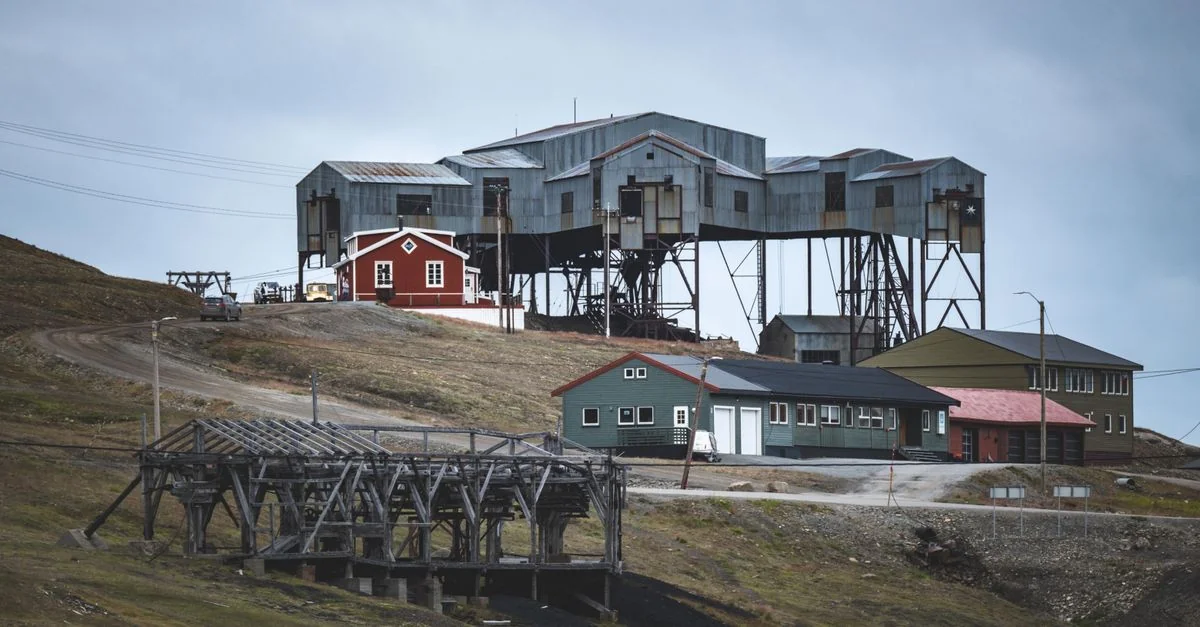
Venture slightly outside the built-up area to witness the Global Seed Vault, embedded deep into the permafrost of a sandstone mountain. While visitors cannot enter the active storage tunnels due to security and preservation protocols, walking up the access road offers an appreciation for this monumental backup facility designed to safeguard the world’s agricultural biodiversity against global catastrophes. On the slopes above the town, the skeletal remains of Mine Number 3 offer guided historical tours where you can pull on a hard hat, hold a miner’s lamp, and walk through the darkened tunnels where coal extraction defined the local economy for decades.
For outdoor enthusiasts, booking a guided dog sledding excursion into Adventdalen provides a standout way to traverse the frozen landscape, whether on snow-covered trails in winter or on specialized wheeled carts across the muddy tundra in summer. If you prefer aquatic adventures, a boat cruise into Billefjorden takes you past towering ice faces at the Nordenskiöld Glacier and brings you within sight of the abandoned Soviet mining town of Pyramiden, a fascinating ghost town frozen in time with Soviet architecture, a functioning hotel, and a bronze bust of Lenin overlooking the Arctic square.
Wildlife viewing is a constant draw, and joining a structured boat or rib safari along the fjords increases your chances of spotting walrus colonies hauling out onto gravel beaches, passing whales breaching in the icy waters, and thick flocks of arctic seabirds nesting on sheer rock faces. Finally, make time to browse the local artisan shops along the main pedestrian thoroughfare, where you can find handcrafted jewelry, Arctic-themed literature, and locally made textiles that reflect the resilient spirit of this northernmost community.
Food and Dining Guide#
Dining in the far north blends traditional Norwegian comfort food with rugged frontier resourcefulness, creating a surprisingly sophisticated culinary scene. Local restaurants emphasize foraged ingredients, fresh seafood pulled straight from the icy Barents Sea, and game harvested sustainably from the surrounding wilderness.
One absolute worth trying is Svalbard reindeer, which appears on menus in various preparations, ranging from thinly sliced carpaccio and hearty stews to tender pan-seared steaks served with lingonberry reductions. Another local staple is freshly caught cod and arctic char, often served simply with root vegetables and butter to let the clean flavors of the polar waters shine through. For those feeling adventurous, seal meat occasionally graces high-end tasting menus, offering a rich, gamey flavor profile deeply tied to traditional local hunting heritage.
If you are looking for a casual bite during a busy day of exploring, the local bakeries and cafes serve up freshly baked cinnamon buns, hearty open-faced sandwiches piled high with cold-water shrimp, and steaming bowls of fish soup that provide instant relief from the brisk Arctic wind. For evening dining, upscale establishments in the settlement offer multi-course tasting menus featuring whale meat prepared with modern Nordic techniques alongside wild mushrooms and cloudberry desserts. Street food in the traditional sense does not exist here due to the climate, but casual pizza joints and burger bars utilizing locally sourced meats provide comforting, unfussy meals after a long day on the snowmobile trails.
Getting Around Longyearbyen#
Navigating the area is refreshingly straightforward due to the compact layout of the settlement, but the extreme environment requires adjusting your usual transit habits. Walking serves as the primary way to get around the central core, and most shops, restaurants, and museums sit within easy strolling distance of one another. However, leaving the immediate settlement limits on foot is strictly prohibited without carrying a large-caliber firearm and proper flare equipment for polar bear protection, which means independent wilderness exploration requires joining guided groups.
Taxis operate within the settlement and provide a convenient way to reach the airport or travel between accommodations and outlying restaurants during late hours or severe weather. Rental cars are available through local agencies for travelers who want the freedom to drive up the valley roads, though paved routes are extremely limited and dead-end relatively quickly. Public transit buses are not a major feature here, but organized tour operators provide practical shuttle services as part of booked excursions, handling all logistics for backcountry travel.
Budget Breakdown#
Visiting the high Arctic requires financial preparation, as importing all goods, energy, and building materials to such a remote location drives up the cost of living and traveling. Budget travelers can minimize expenses by staying in hostel-style guesthouses, preparing meals using groceries purchased at the local supermarket, and limiting paid excursions to self-guided hikes within the settlement boundaries. Daily expenses for this tier remain modest relative to the region, focusing mainly on basic lodging and food.
Mid-range travelers typically book comfortable hotel rooms with private facilities, mix casual cafe lunches with sit-down evening meals featuring local seafood and game, and invest in a few key guided activities like a snowmobile tour or a boat cruise to the glaciers. This tier balances comfort with adventure, allowing for a well-rounded experience of the archipelago without opting for private or customized services.
Luxury travelers can easily access high-end boutique accommodations, private boat charters for wildlife viewing and glacier exploration, customized backcountry expeditions with armed polar bear guards, and fine-dining tasting menus paired with imported wines. Costs at this tier reflect the exclusivity of operating tourism ventures in an extreme environment, delivering bespoke service and deep access to remote wilderness areas.
Travel Tips for Longyearbyen#
Layering clothing is essential regardless of the season, as the Arctic weather can shift from calm sunshine to biting wind in a matter of minutes. Always pack a reliable windproof and waterproof outer shell, thermal base layers made from wool, and sturdy, broken-in walking boots that can handle snow, slush, or uneven tundra.
Polar bear safety must be taken seriously by every visitor stepping outside town. While polar bears rarely enter the central settlement, they do roam freely across the entire archipelago, and venturing beyond the designated safety markers without a certified guide carrying deterrents and firearms poses a severe risk.
Indoor etiquette requires removing your footwear before entering almost any building, including hotels, museums, and many shops. This tradition dates back to the coal-mining days when miners left coal dust at the door, and today it keeps the floors clean of mud, snow, and gravel.
Currency and payments are remarkably seamless, as Norway is effectively a cashless society. Credit and debit cards are accepted everywhere, from tour operators and upscale restaurants down to the local grocery store and souvenir kiosks, meaning you do not need to exchange physical Norwegian Krone before arrival.
Photography preparation requires extra care for your gear when transitioning between freezing outdoor environments and heated indoor spaces. Condensation can ruin camera lenses and electronic sensors instantly, so sealing your camera inside a zip-top bag before coming inside allows the equipment to warm up gradually without moisture buildup.
Alcohol rationing is a historical quirk unique to the settlement, though visitors rarely encounter strict limits today. While locals carry a monthly quota card for purchasing tax-free spirits and wine at the official outlet, tourists can purchase alcohol at restaurants without restriction, provided they show their travel documents and return airline ticket.
📌 Disclaimer
Prices, schedules, tour details, flight routes, visa requirements, and all other information on this page are based on data at the time of writing. Fares, availability, and policies may change. Please verify current details on the official website before booking.
📌 More about Longyearbyen