📌 Disclaimer
Prices, schedules, tour details, flight routes, visa requirements, and all other information on this page are based on data at the time of writing. Fares, availability, and policies may change. Please verify current details on the official website before booking.
Why Visit Liverpool?#
The sharp, metallic tang of salt air greets you the moment you step off the train at Lime Street Station, a constant reminder that this city’s soul is tied to the Atlantic. Liverpool carries a weight of history that feels tangible, from the grand, imposing architecture of the waterfront to the narrow, brick-lined alleys that once funneled goods from across the globe. It is a place where the people possess a dry, quick-witted humor that acts as a natural defense against the often-gray skies, and where the pride in their local identity is more intense than almost anywhere else in England.
For the American visitor, Liverpool offers a narrative that feels both familiar and distinctly foreign. It is the birthplace of global pop culture, yet it remains stubbornly grounded in its working-class roots. Unlike the manic pace of London , Liverpool moves at a tempo that encourages lingering. You can spend your morning tracing the path of music legends and your afternoon staring out at the Mersey, watching the ferries cross the water. It is a city that doesn’t demand you rush; instead, it invites you to observe the layers of industrial grit and modern renewal that define its current character.
Best Time to Visit Liverpool#
Planning your trip requires an understanding of the North West English climate, which is notoriously unpredictable. If you prefer warmer days and longer daylight hours, aim for June, July, or August. During these months, the city comes alive with outdoor events, and the parks are lush and inviting. However, keep in mind that summer coincides with the peak tourist season, meaning hotel rates are at their highest and popular sites require advance booking. If you are sensitive to rain, carry a light, waterproof jacket regardless of the forecast, as a sudden shower is a standard part of the local experience.
For those looking to avoid crowds and save on travel costs, the shoulder seasons of May and September offer a favorable balance. The weather is generally mild, and the major attractions are much easier to navigate without the influx of school holiday travelers. Prices for accommodation usually dip during these times, making it a practical window for a longer stay. If you visit in late autumn or winter, specifically November through February, you will encounter the lowest prices of the year. While the wind off the river can be biting, the city takes on a cozy atmosphere, and the holiday markets provide a warm distraction from the chill. Just be prepared for shorter days and the possibility of damp, overcast conditions.
Where to Stay in Liverpool#
Choosing a neighborhood depends on how much you value proximity to the action versus a quieter, more residential feel. The City Center is the most practical choice for first-time visitors who want to be within walking distance of major landmarks. You will find a range of options here, from budget-friendly hostels to high-end apartments. Staying in this area means you can easily walk to the waterfront and the main shopping districts, though you should expect a higher price tag for the convenience.
If you prefer a more refined atmosphere, the Georgian Quarter is an excellent choice. Known for its elegant terraced houses and tree-lined streets, this area feels like a step back in time. It is home to many of the city’s best independent restaurants and pubs, catering to a mid-range budget. It provides a peaceful retreat from the noise of the commercial center while remaining close enough to reach everything on foot.
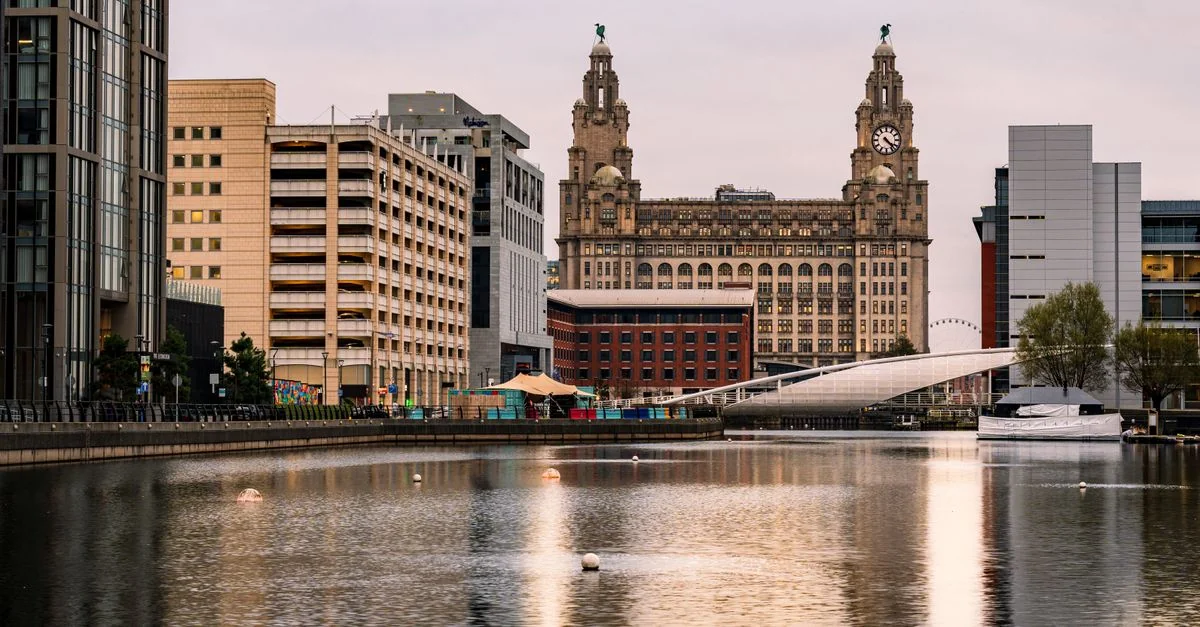
For those interested in the maritime history and modern development, the Albert Dock and Waterfront area features upscale accommodations located in converted warehouse buildings. These properties often offer views of the river and are positioned right in the heart of the tourist district. While this is generally the most expensive area to stay, the premium is paid for the architecture and the immediate access to the major museums and galleries. Budget travelers might look slightly further afield toward the Baltic Triangle, where creative spaces and converted industrial buildings offer more affordable, trendy lodging options that cater to a younger crowd.
Top Things to Do in Liverpool#
No visit is complete without paying respects to the city’s most famous exports at The Beatles Story. This immersive museum takes you through the chronological rise of the band, providing context to the songs that defined a generation. Once you have finished there, walk over to the Royal Albert Dock. This collection of heritage buildings serves as the anchor of the waterfront. You can spend hours wandering through the colonnades, popping into small galleries, or simply watching the boats maneuver in the basin.
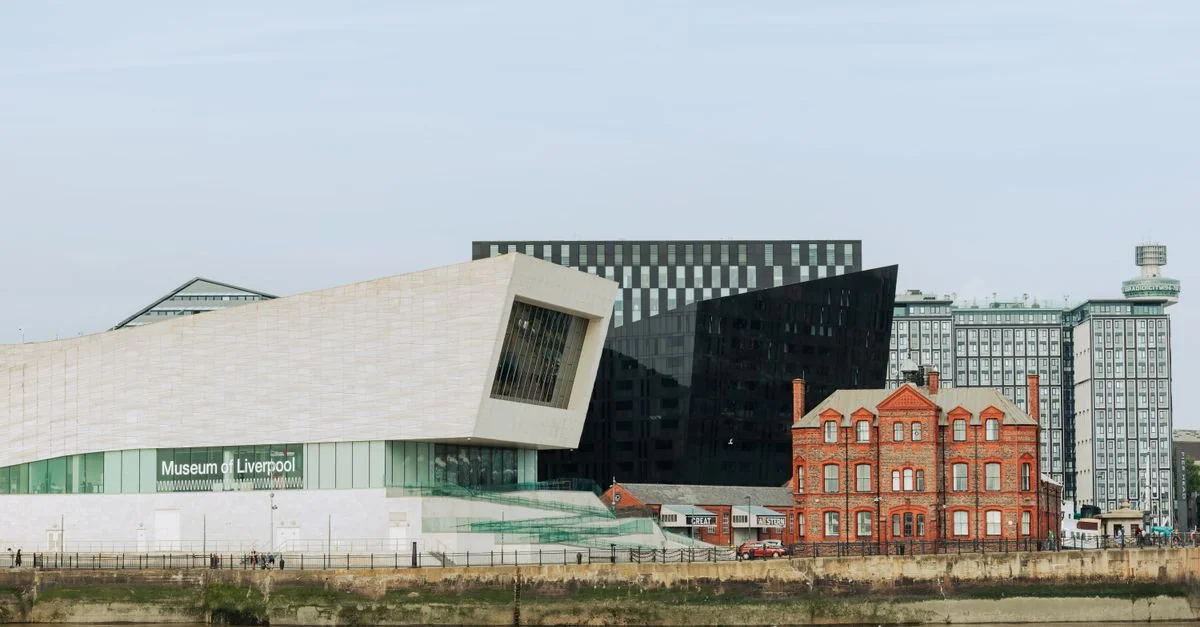
For a deeper dive into the city’s maritime past, the Merseyside Maritime Museum is an essential stop. It details the city’s role in the transatlantic slave trade and its history as a major port for ocean liners. Right next door, the Museum of Liverpool offers a broader look at the city’s social history, from its sporting passions to its political struggles. If you want a view from above, head to the Radio City Tower. While it looks like a standard broadcast antenna, the observation deck provides a panoramic view that helps you understand the layout of the city and its relationship to the surrounding landscape.
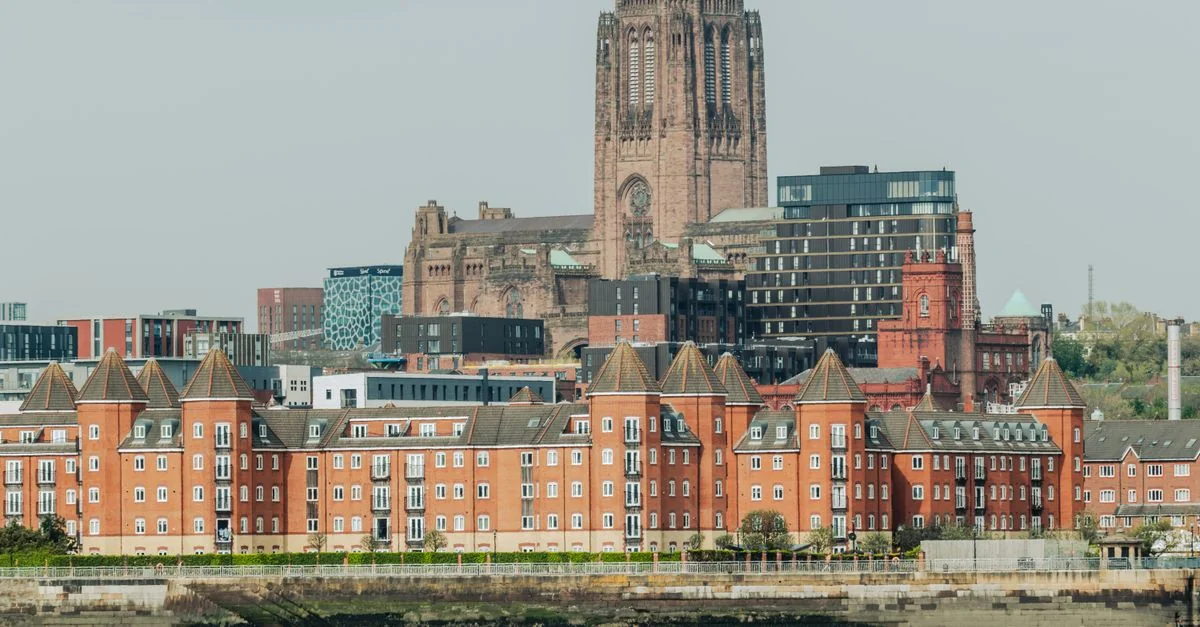
If you have an interest in architecture, the two cathedrals offer a striking contrast. The Liverpool Cathedral is a massive, red-sandstone structure that feels almost fortress-like in its scale. It is the largest cathedral in the country and offers a quiet, contemplative space. A short walk away, the Liverpool Metropolitan Cathedral provides a sharp, modernist counterpoint with its circular design and lively stained glass. For a breath of fresh air, head to Sefton Park. This sprawling green space features a beautiful Victorian palm house that is perfect for a slow afternoon stroll. Finally, make your way to the Baltic Triangle to see the city’s creative side. This area is filled with street art, independent workshops, and small venues that showcase the current artistic energy of the local population.
Food and Dining Guide#
The local food scene is a reflection of the city’s history as a port, blending traditional British staples with influences from the many cultures that have passed through its docks. You must try Scouse, a hearty meat and vegetable stew that is the quintessential local dish. It is served in many traditional pubs and is the ultimate comfort food on a cold day. For something quick, look for Wet Nelly, a dense, spiced fruit cake that has been a staple in local homes for generations.
When it comes to casual eating, the city has embraced the street food movement. You will find various markets where you can grab Fish and Chips wrapped in paper, which remains the gold standard for a quick lunch. The quality of the fish is usually high, given the proximity to the coast. Another local favorite is Cheese and Onion Pie, a simple but satisfying pastry that is often found in neighborhood bakeries. If you are looking for a sit-down meal, the Georgian Quarter hosts several high-quality restaurants that focus on seasonal, locally sourced ingredients. These spots offer a more relaxed dining experience compared to the busy chains in the shopping districts. For a solid taste of the local culture, find a traditional pub that serves a Sunday Roast, which typically includes roasted meat, potatoes, Yorkshire pudding, and gravy.
Getting Around Liverpool#
Navigating the city is straightforward because the core is compact and highly walkable. Most of the major attractions are clustered within a two-mile radius, making it easy to see the highlights on foot. If your feet get tired, the local bus network is comprehensive and reliable, connecting the center to the surrounding suburbs. You can use contactless payment on most buses, which is the most efficient way to pay.
For those who need to cross the river, the Mersey Ferry is not just a tourist attraction but a functional way to reach the Wirral side. Taxis are also plentiful and can be hailed on the street or found at designated ranks near the train stations. Avoid renting a car if you plan to stay within the city limits. Parking is expensive, and the winding, one-way streets can be confusing for those not used to driving on the left side of the road. If you do plan to explore the wider North West region, pick up a rental car only on the day you plan to leave the city.
Budget Breakdown#
For a budget traveler, daily expenses can be managed by staying in hostels or budget hotels, utilizing the city’s many free museums, and eating at local markets or pubs. You can expect to spend around $70 to $100 per day. This covers basic accommodation, public transit, and simple meals.
A mid-range traveler, staying in a comfortable hotel in the Georgian Quarter and enjoying a mix of casual and sit-down dining, should budget between $150 and $250 per day. This allows for entry fees to all major attractions, a few drinks in the evening, and more flexibility in your daily schedule.
For those seeking a luxury experience, which includes waterfront hotels, fine dining, and private tours, the daily budget will likely exceed $400. This tier provides access to the best views, premium services, and exclusive experiences, though it is worth noting that the city offers great value even at the higher end compared to major capital cities.
Travel Tips for Liverpool#
Local Interaction is a significant part of the experience here. The residents are known for being talkative and friendly. Do not be surprised if a stranger strikes up a conversation in a pub or on a bus. Engaging with locals is the best way to get recommendations for places that are not found in guidebooks.
Walking Shoes are non-negotiable. The city is full of hills, particularly as you move away from the flat waterfront, and the cobblestone streets in the older districts can be hard on your feet. Bring footwear that is broken-in and waterproof to handle the variable conditions.
Museum Hours can vary, especially during the off-season. While many of the major museums are free, they may have different opening times on weekdays compared to weekends. Always check the official websites before you head out to ensure you aren’t met with a locked door.
Tipping Culture in the United Kingdom is more modest than in the United States . In a restaurant, a tip of 10% to 15% is appreciated if a service charge has not already been added to the bill. In pubs, you are not expected to tip for drinks ordered at the bar.
Weather Preparedness is a daily requirement. Even if the morning starts with bright sunshine, the coastal winds can bring clouds and rain by the afternoon. Dressing in layers is the most practical strategy, allowing you to adapt to temperature shifts without needing to return to your hotel.
Public Transport is best navigated using contactless payment methods. Most visitors find that using a bank card or a mobile wallet is faster and often cheaper than buying individual paper tickets. Keep your phone charged, as you will likely use it for maps, schedules, and payments throughout the day.
📌 Disclaimer
Prices, schedules, tour details, flight routes, visa requirements, and all other information on this page are based on data at the time of writing. Fares, availability, and policies may change. Please verify current details on the official website before booking.
📌 More about Liverpool