📌 Disclaimer
Prices, schedules, tour details, flight routes, visa requirements, and all other information on this page are based on data at the time of writing. Fares, availability, and policies may change. Please verify current details on the official website before booking.
Photo by Enzo Sebastian on Pexels
Why Visit Lima?#
Lima, the vibrant capital of Peru , is often overlooked by travelers who rush to the more famous Machu Picchu or the Amazon rainforest. However, this bustling metropolis is a treasure trove of culture, history, and gastronomy that deserves a spot on your travel itinerary. Lima boasts a rich colonial heritage, evidenced by its stunning architecture, with the historic center recognized as a UNESCO World Heritage site. The city is a melting pot of cultures, where indigenous traditions blend seamlessly with Spanish influences, creating a unique atmosphere that captivates every visitor.
Beyond its historical significance, Lima is renowned as the gastronomic capital of South America. The city has gained international acclaim for its innovative cuisine, with numerous restaurants ranked among the best in the world. From street food stalls to upscale dining experiences, Lima offers a culinary adventure that will satisfy even the most discerning palate. With its warm coastal climate and friendly locals, Lima is not just a gateway to Peru’s wonders but a destination that stands out on its own.
Best Time to Visit Lima#
Photo by Joshuan Barboza on Pexels
Lima experiences a mild desert climate, making it a year-round destination. However, the best time to visit is during the summer months from December to March when the weather is warm and sunny, with average temperatures ranging from 70°F to 80°F. This period also sees the least amount of fog, allowing for clearer views of the beautiful coastline.
The winter months from June to September are cooler and often shrouded in a layer of fog known as “la garúa.” While the temperature rarely drops below 60°F, the overcast skies can dampen outdoor activities. If you’re looking to avoid crowds and save money, consider visiting during the shoulder seasons of April to June and October to November. During these months, you’ll find fewer tourists, which means lower prices on accommodations and activities while still enjoying comfortable weather.
Where to Stay in Lima#
Photo by Joshuan Barboza on Pexels
Finding the right neighborhood in Lima can significantly enhance your travel experience. Here are some top recommendations across different budget tiers:
Budget: The Miraflores district is a popular choice for budget travelers. This area is safe and walkable, with plenty of hostels and budget hotels. You’ll also find vibrant nightlife and proximity to the beach.
Mid-Range: San Isidro is known for its upscale ambiance yet offers a range of mid-range hotels and boutique accommodations. This district is quieter, making it a great option for families or travelers seeking a more relaxed environment.
Luxury: If you’re looking for a luxurious experience, consider staying in the Barranco district. Known for its bohemian vibe, Barranco offers stunning ocean views and upscale hotels, along with a vibrant arts scene and excellent dining options.
Local Experience: For a more authentic experience, explore the neighborhoods of Pueblo Libre or La Victoria. These areas are less touristy and provide a glimpse into local life, with affordable guesthouses and access to traditional markets.
Top Things to Do in Lima#
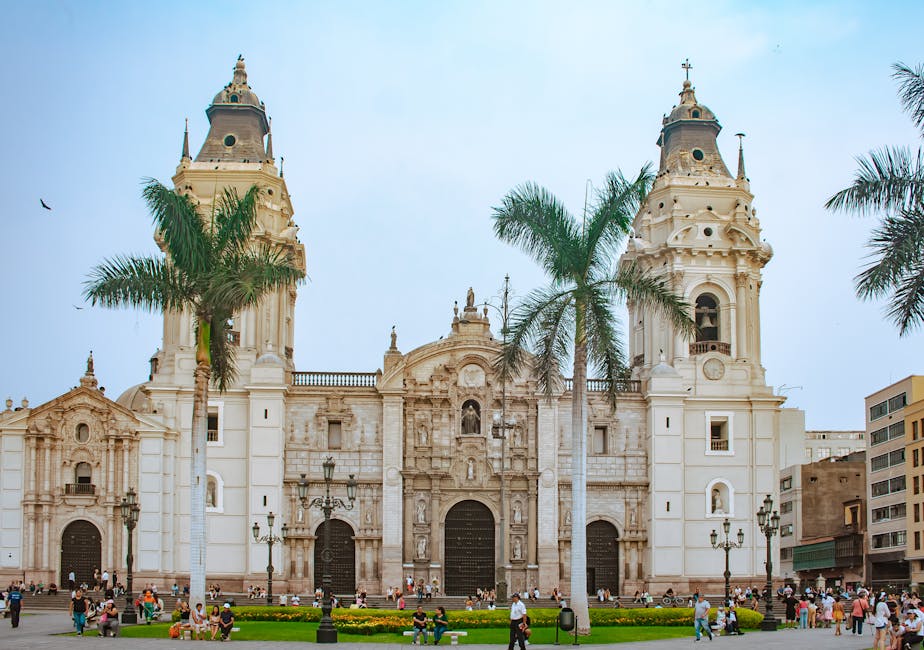
Photo by Meg von Haartman on Unsplash
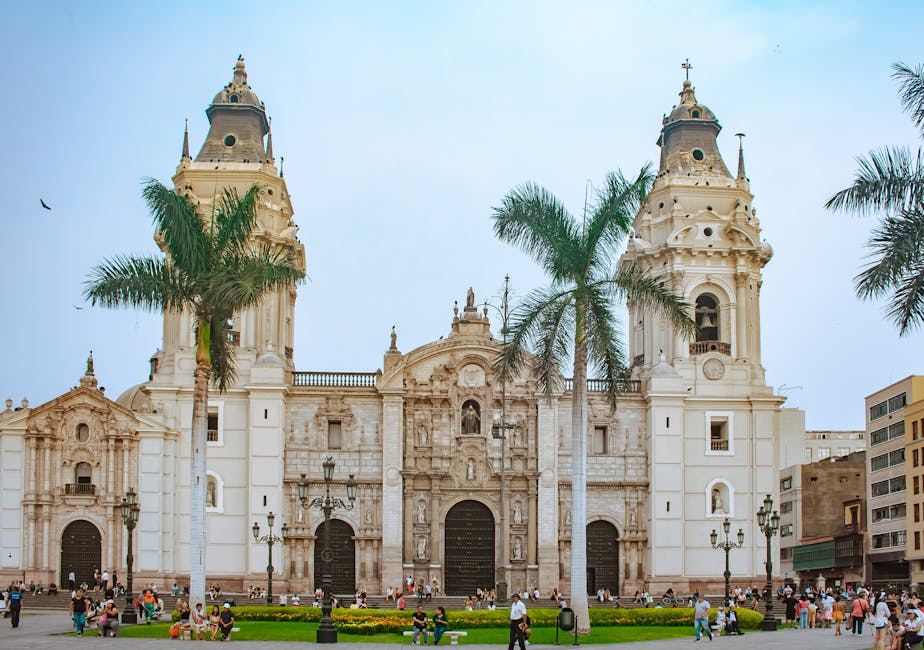
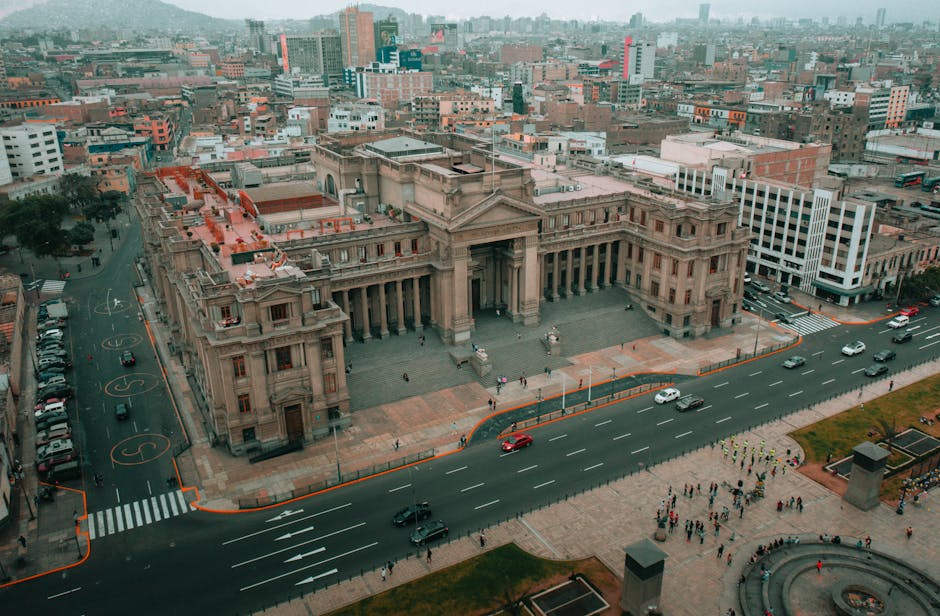
Plaza Mayor: Start your exploration at Lima’s historic heart. This grand square is surrounded by stunning colonial buildings like the Government Palace and the Cathedral of Lima, making it an excellent spot for history buffs.
Larco Museum: Dive into Peru’s rich pre-Columbian history at this museum housed in an 18th-century vice-royal building. The extensive collection includes ceramics, textiles, and gold artifacts.
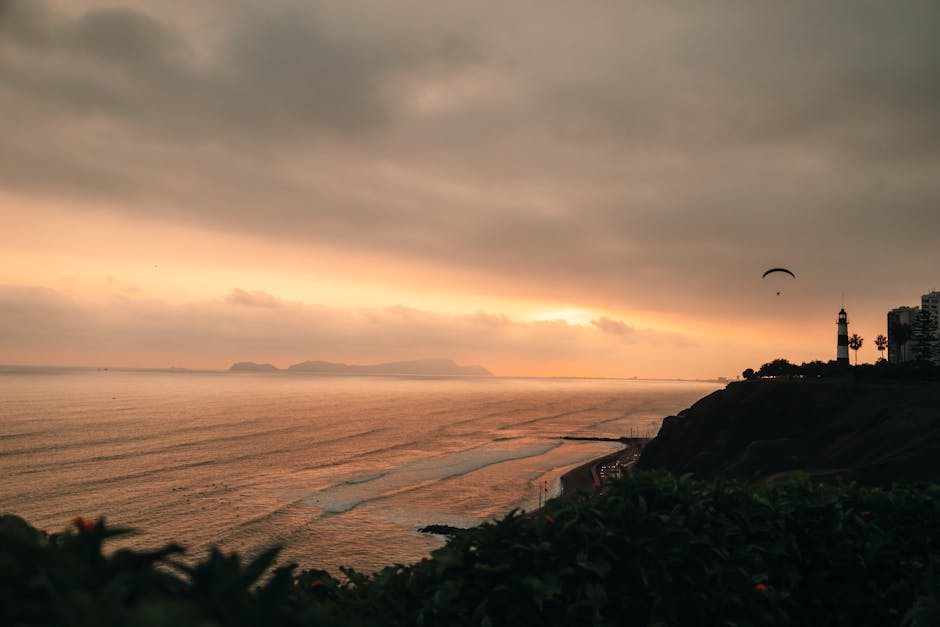
Miraflores Boardwalk: Stroll along this picturesque boardwalk, known as the Malecón. It offers stunning views of the Pacific Ocean and is perfect for leisurely walks, cycling, or simply enjoying the sunset.
Barranco’s Street Art: Explore the bohemian Barranco district, famous for its vibrant street art and murals. Take a walking tour to discover the creative spirit of this artistic neighborhood.
Huaca Pucllana: Visit this ancient pre-Incan pyramid located in the heart of Miraflores. The site offers guided tours that reveal the history of the Lima culture and its architectural ingenuity.
Parque Kennedy: This lively park in Miraflores is a hub for locals and tourists alike. It’s an ideal spot for people-watching and enjoying street performances, especially in the evenings.
Pachacamac Ruins: Just outside Lima, these impressive archaeological sites date back to the pre-Columbian era. Explore the temples and learn about the ancient civilizations that inhabited the region.
Parque de las Leyendas: This zoo and botanical garden showcases Peru’s diverse wildlife and flora. It’s a great family-friendly destination, offering a mix of education and fun.
Cerro San Cristóbal: For panoramic views of the city, hike or drive to the top of this hill. It’s a popular spot for both locals and tourists, especially during sunset.
ChocoMuseo: For chocolate lovers, this interactive museum offers workshops on the history of chocolate in Peru. You can even make your own chocolate bars!
Food and Dining Guide#
Lima’s culinary scene is nothing short of spectacular, with a mix of traditional Peruvian dishes and international influences. Here are some must-try dishes:
Ceviche: This iconic dish features fresh fish marinated in lime juice, mixed with onions, cilantro, and chili peppers. It’s a refreshing start to any meal and best enjoyed at a local cevichería.
Lomo Saltado: A delicious stir-fry made with marinated strips of beef, onions, tomatoes, and French fries, served with rice. This dish reflects Peru’s fusion of Chinese and Peruvian cuisines.
Aji de Gallina: This comforting dish consists of shredded chicken in a creamy, mildly spicy sauce made from aji amarillo peppers, nuts, and cheese, served with rice and boiled potatoes.
Pollo a la Brasa: A popular Peruvian rotisserie chicken dish, known for its flavorful marinade. It’s often served with a side of fries and a variety of dipping sauces.
Street Food: Don’t miss trying local street food like anticuchos (grilled skewers of beef heart) and picarones (sweet potato donuts). These tasty treats are often found at markets and street vendors.
For dining, Lima offers everything from street stalls to fine dining establishments. While street food is a must-try for its authenticity, don’t hesitate to indulge in a more formal dining experience at one of the city’s renowned restaurants.
Getting Around Lima#
Navigating Lima can be straightforward with the right knowledge. Here are the best ways to get around:
Public Transit: Lima’s public transit system includes buses and the Metropolitano, a bus rapid transit system that connects major districts. It’s affordable and efficient but can be crowded during peak hours.
Taxis and Rideshares: While taxis are readily available, it’s safer to use rideshare apps, which are popular in Lima. This way, you can avoid potential scams and ensure fair pricing.
Walking: Many of Lima’s attractions are concentrated in walkable neighborhoods like Miraflores and Barranco. Walking is a fantastic way to soak in the local culture and discover hidden gems.
Rental Cars: Renting a car is generally not recommended due to heavy traffic and limited parking. If you do choose to rent, be prepared for a challenging driving experience.
Budget Breakdown#
Understanding your budget can help you plan your trip effectively. Here’s a rough estimate of daily expenses in Lima, broken down by travel style:
Budget Travelers: Expect to spend around $30-50 per day. This includes staying in hostels, eating at local eateries, and using public transportation.
Mid-Range Travelers: A budget of $80-150 per day will allow for comfortable accommodations, dining at mid-range restaurants, and enjoying some paid attractions.
Luxury Travelers: If you’re looking for a more luxurious experience, budget around $200+ per day. This includes upscale hotels, fine dining, and private tours.
Keep in mind that prices can vary based on the season and your personal spending habits, so it’s wise to plan accordingly.
Travel Tips for Lima#
Safety First: While Lima is generally safe, be cautious, especially in crowded areas. Keep your belongings secure and avoid displaying valuables.
Tipping: Tipping is customary in restaurants, with around 10% being standard. In more upscale places, check if a service charge is included.
Language: While many locals speak English, especially in tourist areas, learning a few basic Spanish phrases can enhance your experience and interactions.
SIM Cards: Consider purchasing a local SIM card for your phone to stay connected. They are widely available at the airport and in convenience stores.
Scams to Avoid: Be wary of overly friendly strangers who may offer unsolicited assistance or advice. Stick to official sources for information and directions.
Cultural Etiquette: Respect local customs, such as greeting people with a handshake and using formal titles. This shows appreciation for the culture and fosters good relations.
Currency: The local currency is the Peruvian Sol. While credit cards are widely accepted, it’s advisable to carry cash for smaller purchases and street food.
If you’re also considering a trip to Bogota, Colombia or Medellin, Colombia , you’ll find similar cultural experiences and culinary delights waiting for you.
Lima is not just a stopover; it’s a destination rich in history, flavor, and warmth. With this guide, you’re well-equipped to make the most of your visit to this incredible city.