📌 Disclaimer
Prices, schedules, tour details, flight routes, visa requirements, and all other information on this page are based on data at the time of writing. Fares, availability, and policies may change. Please verify current details on the official website before booking.
Why Visit Lille?#
The first thing that hits you as you step off the train at Lille Flandres is the scent of fresh‑baked brioche mingling with the faint hum of trams on cobblestones. This city feels like a friendly conversation between French elegance and Flemish practicality, offering a compact yet surprisingly diverse experience for an American traveler. You’ll find art museums that sit beside centuries‑old market halls, and a nightlife that feels relaxed enough for a late‑night coffee but lively enough for a nightcap in a historic brasserie.
Lille’s charm lies in its ability to feel both familiar and distinct. The French language is everywhere, yet you’ll hear the occasional Dutch‑influenced phrase in the cafés of the Old Town, reminding you that this region has long been a crossroads of cultures. The city’s walkable center makes it easy to wander from a modern shopping district to a quiet canal‑lined street without ever feeling rushed, allowing you to savor each moment at your own pace.
Best Time to Visit Lille#
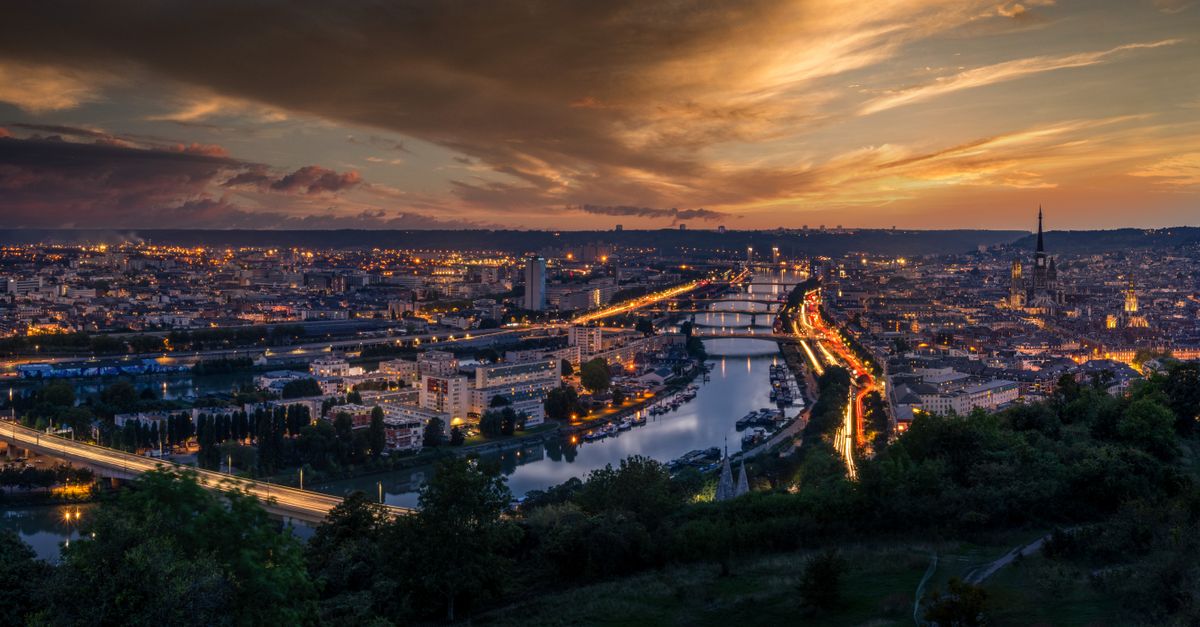
Spring (April to June) brings mild temperatures that hover between the mid‑50s and low 70s °F, perfect for strolling along the Citadel’s green belts or exploring the blooming gardens of the Jardin des Plantes. Tourist crowds are moderate, and you’ll often find that museums and restaurants have a little more breathing room. Prices for flights and accommodations start to climb in late May as the school‑holiday season kicks in, but early‑spring deals are still common.
Summer (July and August) offers the warmest weather, with daytime highs reaching the upper 70s °F. The city’s many outdoor festivals fill the streets with music and street performances, creating a festive atmosphere. This is also the busiest period, so you’ll notice longer lines at popular sites like Palais des Beaux‑Arts and a noticeable uptick in hotel rates. If you can tolerate larger crowds, the lively summer energy is worth the trade‑off.
Autumn (September to October) provides a gentle cooling, with temperatures settling in the low 60s °F and the foliage turning gold along the Deûle River. Tourist numbers begin to recede, giving you more space to enjoy attractions such as the Vieille Bourse without the summer rush. Prices start to dip, especially after the first week of October, making it a smart time for budget‑conscious travelers.
Winter (November through March) is crisp, with daytime temperatures often in the 30s °F. Snow is rare but occasional, adding a quiet charm to the historic streets. The city’s cultural calendar stays full, featuring indoor events like the Lille Piano Festival. Visitor numbers are at their lowest, and you’ll find the best deals on lodging, though some smaller cafés may close for the season.
Where to Stay in Lille#
The Vieux‑Lille (Old Town) is the heartbeat of the city, with narrow, cobblestone lanes lined by boutique shops and centuries‑old churches. Budget travelers can find hostels and guesthouses tucked behind historic façades, typically starting around $30‑$50 per night. Mid‑range options include charming boutique inns that blend modern comforts with period details, while luxury seekers can enjoy spacious rooms in historic mansions that have been converted into upscale accommodations.
Just north of the historic core lies the Euralille business district, a sleek, modern area dominated by glass towers and a large shopping mall. This neighborhood is ideal for travelers who prefer contemporary surroundings and easy access to the high‑speed train station. Budget hotels here often begin near $40‑$60 per night, and mid‑range choices provide sleek rooms with on‑site fitness centers. Luxury stays in this district feature designer interiors and panoramic views of the city skyline.
The Wazemmes quarter, known for its lively market and multicultural vibe, offers a more laid‑back atmosphere. Budget options include family‑run inns and budget‑friendly apartments, while mid‑range travelers can opt for renovated lofts that capture the neighborhood’s artistic spirit. Luxury accommodations are fewer, but some boutique properties provide a quiet retreat just a short walk from the busy market stalls.
For a quieter, leafy setting, head to the Lille‑Pont‑de‑Bois area on the outskirts of the city center. This residential district boasts spacious parks and a slower pace, making it perfect for families or travelers who enjoy a bit of green space. Budget stays consist of simple guesthouses, while mid‑range options include comfortable hotels with garden courtyards. Luxury visitors can choose upscale hotels that blend suburban tranquility with easy tram connections to the city’s main attractions.
Top Things to Do in Lille#
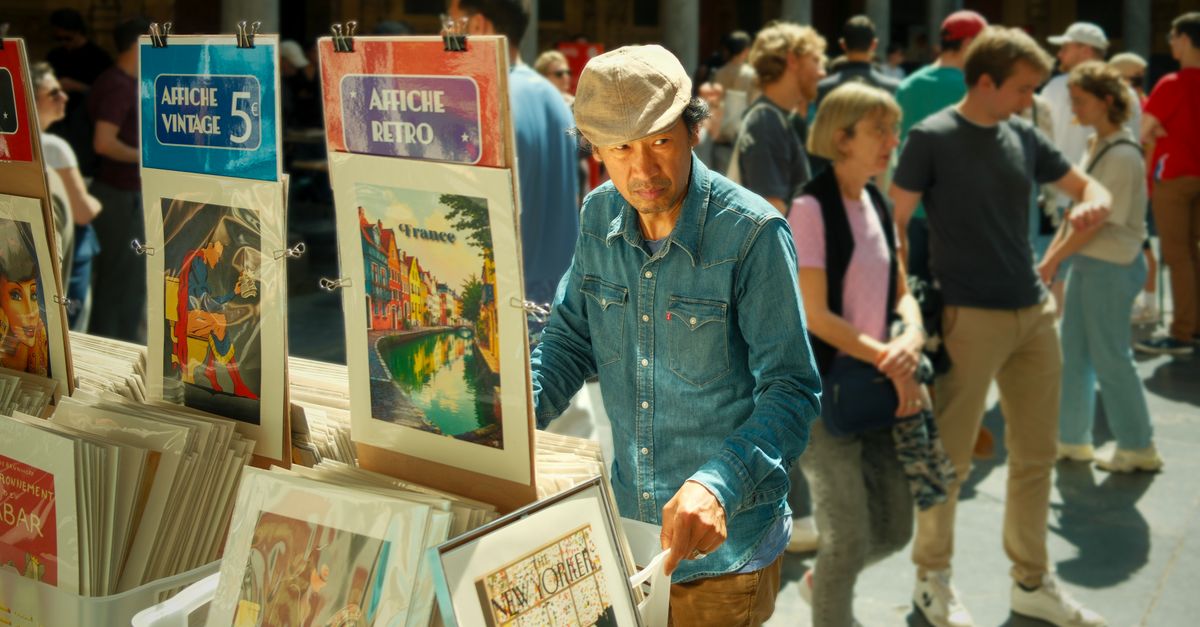
Begin your exploration at Grand Place, the city’s central square, where the ornate Vieille Bourse arches frame a busy market of books, flowers, and vintage treasures. Take a moment to admire the intricate stonework and perhaps join a local game of pétanque on the surrounding benches. A short walk away, the Lille Cathedral (Cathédrale Notre‑Dame de la Treille) invites you inside to see its striking modern stained‑glass windows juxtaposed against a Gothic stone structure.
Art lovers will feel right at home in the Palais des Beaux‑Arts, one of France ’s largest fine‑art museums. Its collection spans from Renaissance masterpieces to contemporary installations, and the surrounding gardens provide a peaceful spot for a coffee break. Nearby, the Musée d’Histoire Naturelle offers a fascinating glimpse into regional wildlife, with interactive displays that appeal to both adults and children.
No visit is complete without wandering through Vieux‑Lille’s winding streets. The Rue de la Monnaie is lined with independent boutiques, while the Place du Théâtre hosts street performers and outdoor cafés. Pop into the Maison Natale Charles de Gaulle, a modest house turned museum that offers insight into the life of the famous French leader.
For a taste of industrial heritage, head to the La Piscine Museum in nearby Roubaix, a former swimming pool turned art museum. Its Art Deco architecture is as much a draw as the collection of sculptures and decorative arts inside. Back in Lille, the Citadel—a star‑shaped fortress designed by Vauban—surrounds a sprawling park perfect for a leisurely bike ride or a picnic on a sunny afternoon.
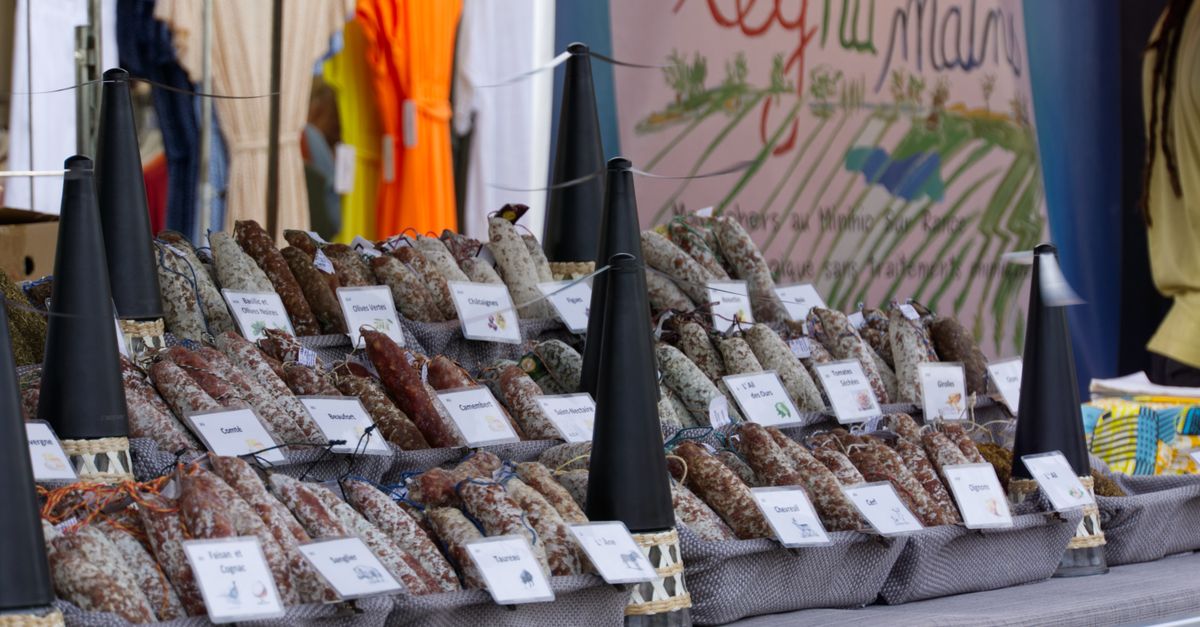
If you’re interested in contemporary culture, the Le Tripostal cultural center hosts rotating exhibitions, film screenings, and live performances in a repurposed postal building. Its rooftop terrace offers panoramic views of the city’s rooftops and the distant horizon. Finally, make time for the Marché de Wazemmes, a lively market that comes alive on Sunday mornings with stalls selling fresh produce, cheeses, and handmade crafts. The sensory overload of colors, aromas, and chatter makes it a memorable snapshot of everyday life in Lille.
Food and Dining Guide#
Lille’s culinary scene is a celebration of both French technique and Flemish heartiness. Start with Moules‑Frites, a classic plate of steamed mussels served with a generous portion of crisp, double‑fried potatoes. The mussels are typically cooked in a light white‑wine broth with shallots and parsley, allowing the natural brine to shine. Pair it with a local amber ale for a perfect balance.
Another must‑try is Carbonnade Flamande, a slow‑cooked beef stew simmered in dark Belgian beer, onions, and a hint of mustard. The result is a rich, slightly sweet sauce that clings to tender chunks of meat, ideal for enjoying with a crusty slice of pain d’épices. For those seeking a lighter option, the Potjevleesch—a chilled terrine of mixed poultry and pork set in gelatin—offers a refreshing contrast, especially when served with a side of pickled vegetables.
Street‑food enthusiasts will love the Gaufres Liégeoises, thick, caramelized waffles that differ from their Belgian cousins by being denser and dusted with pearl sugar that melts into a sweet crust when cooked. You’ll find them at market stalls and small cafés throughout the city. For a more refined experience, head to a traditional brasserie and order Waterzooi, a creamy stew originally from nearby Ghent , now embraced by Lille chefs. It combines chicken or fish with vegetables in a velvety broth thickened with egg yolks and cream.
Don’t forget to sample the region’s famous Maroilles cheese, a strong‑smelling, soft cheese that pairs beautifully with a slice of fresh baguette and a drizzle of local honey. Many restaurants feature it melted over potatoes or incorporated into a cheese‑filled croquette, allowing you to enjoy its distinct flavor in multiple ways.
Getting Around Lille#
Lille’s compact layout makes walking one of the most enjoyable ways to explore, especially within the historic core where cobblestones and narrow alleys invite leisurely discovery. For longer distances, the city’s public transit system is efficient and user‑friendly. The metro consists of two lines—A and B—that intersect at Gare Lille Flandres, providing rapid connections to neighborhoods like Euralille and the university district. Trams complement the metro, looping through key districts and offering scenic rides along the Deûle River.
Tickets can be purchased at vending machines or via a mobile app, with options ranging from single rides to day passes that grant unlimited travel across buses, trams, and metros. Buses fill in the gaps, reaching areas not covered by rail, and they run frequently throughout the day. If you prefer a more private mode of transport, taxis are readily available at designated stands near major attractions and train stations; just be sure to confirm that the meter is running.
Cyclists will appreciate Lille’s extensive network of bike lanes and the popular V’Lille bike‑share program, which allows you to rent a bike for short trips and drop it off at any station across the city. The system is especially handy for reaching parks like the Citadel or crossing the river to the Porte de Paris district. For travelers who wish to explore the surrounding countryside, renting a car is an option, though traffic can be heavy during peak hours and parking in the city center is limited. In most cases, public transit combined with a bit of walking will cover all the sights comfortably.
Budget Breakdown#
A budget traveler can comfortably manage a day in Lille with accommodation in a hostel or budget guesthouse at roughly $30‑$50, meals from street stalls and casual cafés averaging $10‑$15 per day, and public transport passes around $5. Adding modest entry fees for museums and occasional treats, a daily total of $50‑$70 is realistic.
Mid‑range visitors might choose a boutique hotel or a well‑appointed Airbnb, typically costing $80‑$130 per night. Dining at mid‑level restaurants, enjoying a couple of glasses of wine, and taking a few guided tours will bring food expenses to $30‑$45 daily. With a transportation pass and occasional taxi rides, the overall daily budget settles around $130‑$180.
Luxury travelers can expect to stay in upscale hotels housed in historic mansions, with rates starting near $180‑$250 per night. Gourmet dining experiences, including tasting menus and fine wines, can easily reach $80‑$120 per day. Private transfers, guided private tours, and perhaps a day trip to nearby Bruges or the Belgian coast will add $30‑$50 for transport. Altogether, a comfortable luxury day in Lille runs between $300‑$380, offering a seamless, indulgent experience.
Travel Tips for Lille#
Currency and Payments – While France uses the euro, most establishments in Lille accept major credit cards, and contactless payments are common. It’s still wise to carry a small amount of cash for market stalls or smaller cafés that may prefer exact change.
Language Basics – French is the official language, and a few polite phrases go a long way. A simple “Bonjour,” “Merci,” and “S’il vous plaît” will be appreciated by locals and can smooth interactions, especially in family‑run eateries.
Timing for Museums – Many museums, including the Palais des Beaux‑Arts, offer free entry on the first Sunday of each month. Arriving early on those days helps you avoid the crowds that gather later in the afternoon.
Pack for Variable Weather – Lille’s climate can shift quickly, especially in spring and autumn. A lightweight waterproof jacket and a scarf are useful accessories that keep you comfortable whether you’re strolling along the Deûle or waiting for a tram.
Explore on Foot – The city’s historic center is best experienced at a walking pace. Wear comfortable shoes, as the cobblestones can be uneven, and you’ll discover charming side streets that aren’t marked on any guidebook.
Public Transport Passes – If you plan to move around the city frequently, a day or multi‑day pass is more economical than buying single tickets. Passes also grant unlimited rides on metros, trams, and buses, simplifying travel logistics.
Dining Etiquette – Lunch is often the main meal of the day in Lille, and many restaurants serve a “menu du jour” that offers a hearty three‑course option at a reasonable price. Dinner tends to be lighter and may start later than you’re used to, so adjust your schedule accordingly.
Enjoy your journey through Lille, where every corner offers a blend of history, flavor, and warm hospitality that feels both familiar and delightfully new.
📌 Disclaimer
Prices, schedules, tour details, flight routes, visa requirements, and all other information on this page are based on data at the time of writing. Fares, availability, and policies may change. Please verify current details on the official website before booking.
📌 More about Lille