📌 Disclaimer
Prices, schedules, tour details, flight routes, visa requirements, and all other information on this page are based on data at the time of writing. Fares, availability, and policies may change. Please verify current details on the official website before booking.
A First-Timer’s Guide to Lerwick: Tips, Costs, and Must-See Spots#
Why Visit Lerwick?#
The salt spray hits your face with a sharp, cold kick as you stand on the harbor wall, listening to the rhythmic crash of waves against the stone quay. The air smells of diesel fuel, brine, and freshly caught fish, a pungent mixture that signals you have arrived in the heart of the North Atlantic. Lerwick, the capital of the Shetland Islands, does not offer the polished, manicured perfection of mainland tourist hubs. Instead, it delivers a raw, authentic experience rooted in centuries of maritime tradition, rugged landscapes, and a community that has learned to thrive in one of the most remote corners of the United Kingdom . For American travelers seeking a break from the crowded itineraries of London or Edinburgh , Lerwick provides a stark, beautiful contrast where the pace slows down and the connection to the land and sea becomes immediate and tangible.
What makes this destination special is its unique position at the edge of the map. Located closer to Norway than to mainland Scotland , Lerwick carries a distinct cultural flavor that blends Scottish heritage with Norse influences. This is evident in the place names, the architectural styles of the older buildings, and the local dialect, known as Shetland dialect, which retains archaic words and phrases that sound almost Scandinavian to the untrained ear. The town serves as the gateway to some of the most dramatic scenery in the British Isles, from the towering sea stacks of the Old Man of Hoy to the expansive moorlands where wild ponies roam freely. Yet, the town itself holds its own charm, with a compact center that is easy to navigate on foot and a lively atmosphere that belies its small size.
Travelers are drawn to Lerwick not just for the views, but for the sense of isolation and self-reliance that defines the Shetland experience. There is a profound quiet here, broken only by the wind and the calls of seabirds, that allows for a level of reflection difficult to find in busier destinations. The community is welcoming but reserved, offering genuine interactions rather than performative hospitality. Whether you are interested in birdwatching, history, or simply watching the northern lights dance across the winter sky, Lerwick provides a solid base for exploration. It is a place that rewards patience and curiosity, offering moments of awe that are earned rather than handed over, making it a compelling destination for those who value authenticity over convenience.
Best Time to Visit Lerwick#

The timing of your visit to Lerwick significantly impacts the experience, as the weather and daylight hours vary dramatically throughout the year. The summer months, from June to August, offer the most favorable conditions for outdoor activities and sightseeing. During this period, the days are exceptionally long, with the sun setting late in the evening and rising early in the morning. This “midnight sun” effect allows for extended exploration of the islands, with temperatures hovering comfortably in the mid-50s to low 60s Fahrenheit. However, this is also the peak tourist season, meaning accommodation prices are at their highest and popular attractions can be crowded. If you prefer mild weather and do not mind sharing the space with other travelers, summer is the ideal time to visit.
Spring, spanning March to May, presents a different set of opportunities. The landscape begins to awaken, with wildflowers blooming across the moors and seabirds returning to their nesting sites. The weather is unpredictable, with a mix of rain, wind, and occasional sunny spells, but the crowds are thinner and prices are more moderate. This season is particularly rewarding for birdwatchers and photographers, as the light is soft and the natural world is in full transition. The autumn months, from September to November, offer a quieter alternative to summer, with the landscape turning golden and brown. The weather becomes cooler and wetter, but the reduced number of tourists creates a more intimate atmosphere. This is also an excellent time to spot migratory birds and enjoy the changing colors of the heather and grasses.
Winter, from December to February, is the most challenging but also the most magical time to visit Lerwick. The days are short, with only a few hours of daylight, but this darkness provides the perfect conditions for witnessing the aurora borealis. The northern lights are a common sight in Shetland during the winter months, dancing across the sky in shades of green, purple, and red. Temperatures drop into the 40s Fahrenheit, and the wind can be biting, requiring warm, waterproof clothing. While some outdoor activities may be limited by the weather, the cozy pubs and cafes offer a welcome refuge. Winter travel requires careful planning and a willingness to embrace the elements, but the reward is a unique, almost otherworldly experience that is hard to replicate elsewhere.
Where to Stay in Lerwick#
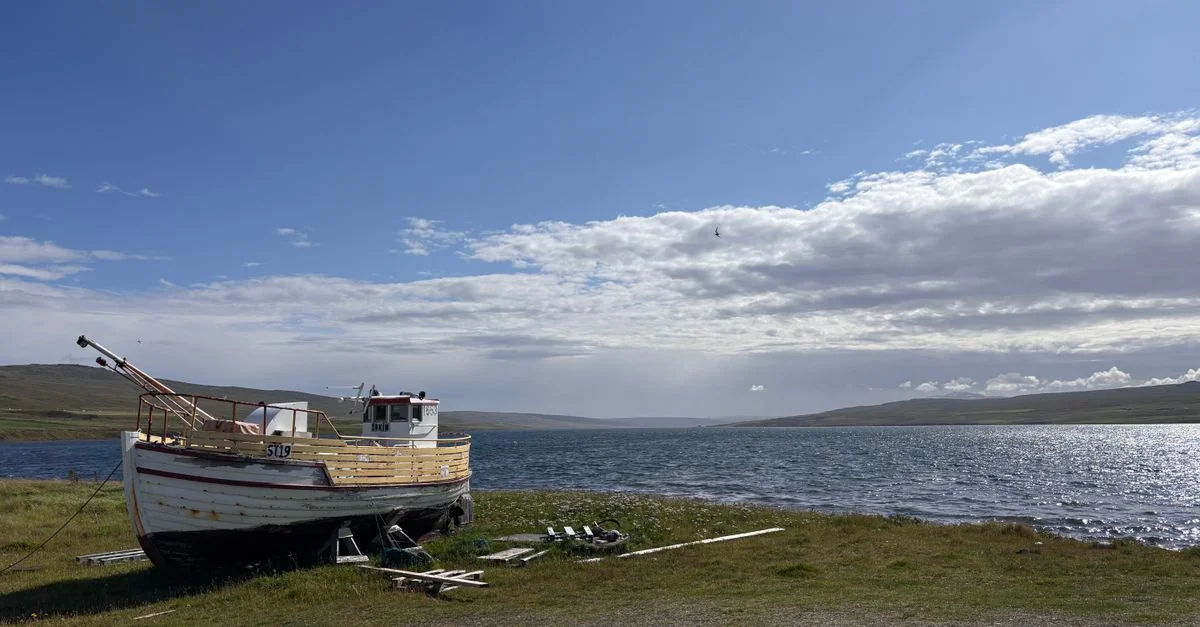
Lerwick is compact enough that most attractions are within walking distance of the town center, but the area offers a variety of accommodation styles to suit different preferences and budgets. The town center is the most convenient option, with a range of hotels, bed and breakfasts, and guesthouses located within a short walk of the harbor, shops, and restaurants. Staying here allows for easy access to the main sights and amenities, making it ideal for first-time visitors who want to minimize travel time. The atmosphere in the center is lively, with a mix of historic buildings and modern developments, and the proximity to the waterfront provides stunning views of the harbor and the surrounding hills.
For those seeking a quieter, more rural setting, the outskirts of Lerwick offer a range of cottages, self-catering apartments, and farm stays. These accommodations are often located in the surrounding villages or on the edges of the town, providing a peaceful escape from the hustle and bustle of the center. Staying in a rural location allows for closer contact with the natural environment, with opportunities to walk or cycle through the countryside and explore the nearby beaches and trails. While some amenities may be further away, the tranquility and space offered by these accommodations make them a popular choice for travelers who value privacy and a connection to the land.
Luxury travelers may find limited options in Lerwick itself, but there are high-end hotels and boutique guesthouses that offer premium amenities and personalized service. These establishments often feature spacious rooms, fine dining restaurants, and spa facilities, providing a comfortable base for exploring the islands. For those willing to venture further afield, there are also luxury cottages and lodges located in more remote parts of Shetland, offering a secluded retreat with stunning views of the sea and sky. While these options come at a higher price point, they provide a level of comfort and exclusivity that is difficult to find in the town center.
Top Things to Do in Lerwick#
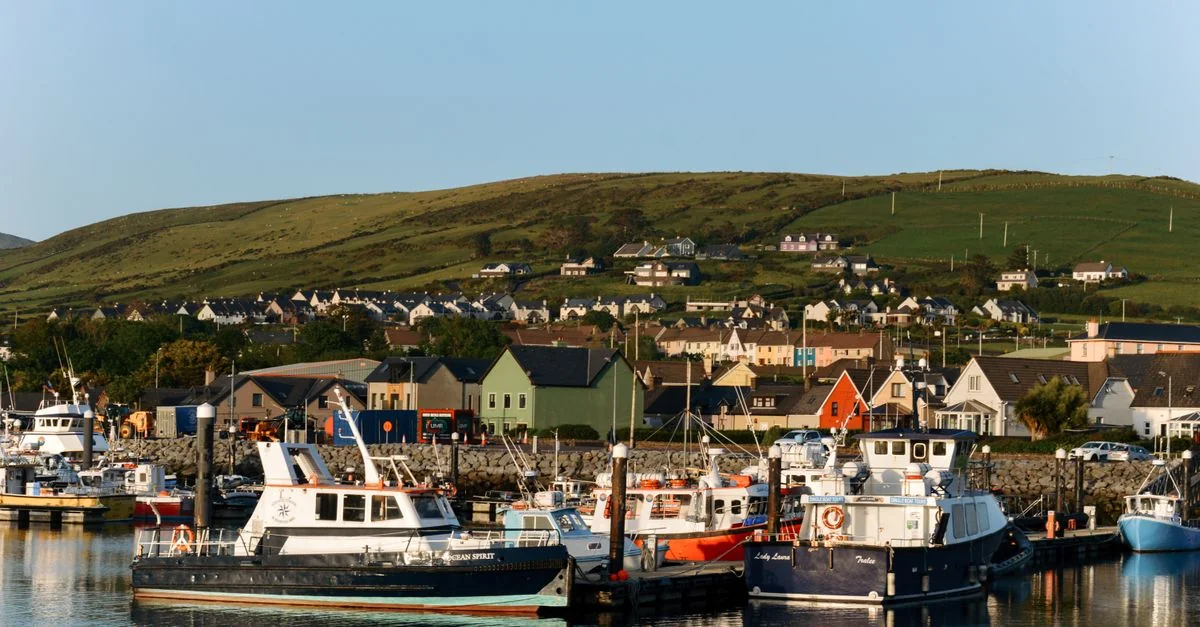
A visit to Lerwick is incomplete without exploring the Shetland Museum and Archives, a fascinating institution that houses an extensive collection of artifacts, photographs, and documents that tell the story of the islands’ history and culture. The museum is located in a converted Victorian schoolhouse and offers a practical overview of Shetland’s past, from its Norse origins to its role in the fishing industry and the wool trade. Exhibits include traditional clothing, tools, and household items, as well as interactive displays that bring the history to life. The staff are knowledgeable and friendly, providing insights into the local heritage and answering questions about the exhibits.
The Harbour is the heart of Lerwick, a busy working port that offers a glimpse into the daily life of the town. Walk along the quay to watch the fishing boats come and go, and observe the crew members mending nets and preparing for their next trip to sea. The harbor is also home to a variety of shops, cafes, and restaurants, making it a convenient spot for lunch or a coffee. On calm days, the water is calm and reflective, providing a beautiful backdrop for photography. The Scalloway Castle, located a short drive from Lerwick, is a striking example of 17th-century architecture and offers a glimpse into the islands’ aristocratic past. The castle is set in picturesque grounds and offers guided tours that explore its history and architecture.
For nature lovers, the Mousa Broch is a must-see attraction, a well-preserved Iron Age tower that stands as a testament to the engineering skills of the ancient inhabitants of Shetland. Located on the island of Mousa, the broch is accessible by boat from Lerwick and offers a unique opportunity to explore a historical site in a remote and rugged setting. The climb to the top of the broch provides panoramic views of the surrounding islands and sea. The Lerwick War Memorial is a poignant reminder of the sacrifices made by the people of Shetland during the two World Wars. Located in the town center, the memorial is a place of reflection and remembrance, offering a moment of quiet contemplation in the midst of the busy town.
Walking the Lerwick Waterfront Trail is a pleasant way to explore the town and enjoy the views of the harbor and the surrounding hills. The trail follows the edge of the harbor and offers a range of sights, from the fishing boats and quays to the historic buildings and parks. The Shetland Folk Museum is another excellent resource for learning about the local culture and traditions, with exhibits on music, dance, and storytelling. The museum also hosts regular events and performances, providing an opportunity to experience the living heritage of Shetland. For a more active experience, consider hiring a bike and exploring the Shetland Coastal Path, a network of trails that offer stunning views of the coastline and the surrounding islands.
Food and Dining Guide#
The culinary scene in Lerwick is defined by its proximity to the sea, with fresh seafood being the cornerstone of the local diet. Shetland Salmon is a particular delicacy, known for its rich flavor and tender texture. Look for restaurants that source their fish locally, ensuring the highest quality and freshness. The salmon is often served grilled or smoked, accompanied by local vegetables and potatoes. Another worth trying dish is Shetland Lobster, which is abundant in the surrounding waters. The lobster is typically served grilled or in a creamy sauce, and its sweet, delicate flavor is a highlight of any meal.
Black Pudding is a traditional Scottish dish that is widely available in Lerwick, often served as part of a full breakfast. The pudding is made from blood, oatmeal, and fat, and has a rich, savory flavor that pairs well with eggs, bacon, and toast. For a lighter option, try Shetland Oatcakes, a type of flatbread made from oatmeal and water. The oatcakes are often served with cheese, butter, or jam, and make a satisfying snack or light meal. Rhubarb Wine is a local specialty that is produced in Shetland and offers a unique twist on traditional wine. The wine is made from rhubarb, sugar, and yeast, and has a sweet, fruity flavor that pairs well with desserts and cheese.
Dining in Lerwick offers a range of options, from casual cafes and pubs to fine dining restaurants. The town center is home to a variety of eateries, including fish and chip shops, bakeries, and coffee shops. For a more formal meal, there are several restaurants that offer set menus and tasting menus, featuring local ingredients and traditional recipes. Street food is also available, with vendors selling fish and chips, burgers, and other snacks at the harbor and in the town center. When dining out, it is advisable to make reservations in advance, especially during the peak season, as popular restaurants can fill up quickly.
Getting Around Lerwick#
Lerwick is a compact town that is easily navigable on foot, with most attractions and amenities located within a short walk of the town center. The streets are paved and well-maintained, making it easy to walk around, even in rainy weather. For those who prefer not to walk, there are regular bus services that connect Lerwick with other parts of the islands, including the villages of Scalloway and Clickimin. The buses are reliable and affordable, providing a convenient way to explore the surrounding areas.
Taxis are available in Lerwick, but they can be expensive, especially for longer journeys. It is advisable to book a taxi in advance, especially if you need to travel to a remote location or during peak hours. Rental cars are a popular option for travelers who want to explore the islands at their own pace. There are several car rental agencies in Lerwick, offering a range of vehicles to suit different needs and budgets. When driving in Shetland, it is important to be aware of the narrow roads and the presence of livestock, which often roam freely on the roadsides.
Cycling is another popular way to get around Lerwick, with a network of bike paths and trails that connect the town with the surrounding villages and attractions. Bike rentals are available in the town center, and the terrain is relatively flat, making it easy to ride, even for beginners. For longer journeys, such as trips to the northern tip of the islands, a rental car or bus is recommended. Public transit options are limited, so it is advisable to plan your transportation in advance to ensure you have access to the areas you want to visit.
Budget Breakdown#
Traveling to Lerwick can be affordable or expensive, depending on your choices and the time of year you visit. For budget travelers, daily costs can be kept low by staying in hostels or bed and breakfasts, eating at casual cafes and supermarkets, and using public transit or walking. A daily budget of $100 to $150 is reasonable for budget travelers, covering accommodation, food, transport, and activities. Mid-range travelers can expect to spend between $150 and $250 per day, staying in hotels or guesthouses, dining at restaurants, and renting a car for exploration. Luxury travelers should budget $250 or more per day, staying in high-end hotels, dining at fine dining restaurants, and using taxis or private tours.
Accommodation costs vary significantly depending on the season and the type of lodging. Hostels and bed and breakfasts are the most affordable options, while luxury hotels and cottages are the most expensive. Food costs are also variable, with casual cafes and supermarkets offering lower prices than restaurants. Transport costs depend on the mode of travel, with walking and cycling being free, while taxis and rental cars are more expensive. Activity costs vary, with many attractions being free or low-cost, while guided tours and boat trips can be more expensive. It is advisable to plan your budget in advance and to look for deals and discounts to keep costs down.
Travel Tips for Lerwick#
Weather Preparedness is essential when visiting Lerwick, as the weather can change rapidly and unpredictably. Pack layers of clothing, including a waterproof jacket and sturdy shoes, to ensure you are comfortable in all conditions. The wind can be strong, so bring a hat and gloves, even in the summer months. Cash and Card Payments are widely accepted, but it is advisable to carry some cash for small purchases and tips. ATMs are available in the town center, but they may not be available in remote areas. Local Etiquette is important to observe, as the people of Shetland are generally reserved but friendly. Greet people with a smile and a polite greeting, and respect their privacy and space.
Connectivity can be limited in remote areas, so it is advisable to download offline maps and guides before your trip. Mobile phone coverage is generally good in the town center, but it may be patchy in rural areas. Safety is a priority, as the terrain can be rugged and the weather can be challenging. Stick to marked trails and paths, and avoid walking alone in remote areas. Cultural Sensitivity is important, as Shetland has a unique culture and history that is different from mainland Scotland. Respect local customs and traditions, and ask before taking photos of people or private property. By following these tips, you can ensure a smooth and enjoyable visit to Lerwick.
📌 Disclaimer
Prices, schedules, tour details, flight routes, visa requirements, and all other information on this page are based on data at the time of writing. Fares, availability, and policies may change. Please verify current details on the official website before booking.