📌 Disclaimer
Prices, schedules, tour details, flight routes, visa requirements, and all other information on this page are based on data at the time of writing. Fares, availability, and policies may change. Please verify current details on the official website before booking.
Why Visit Le Havre?#
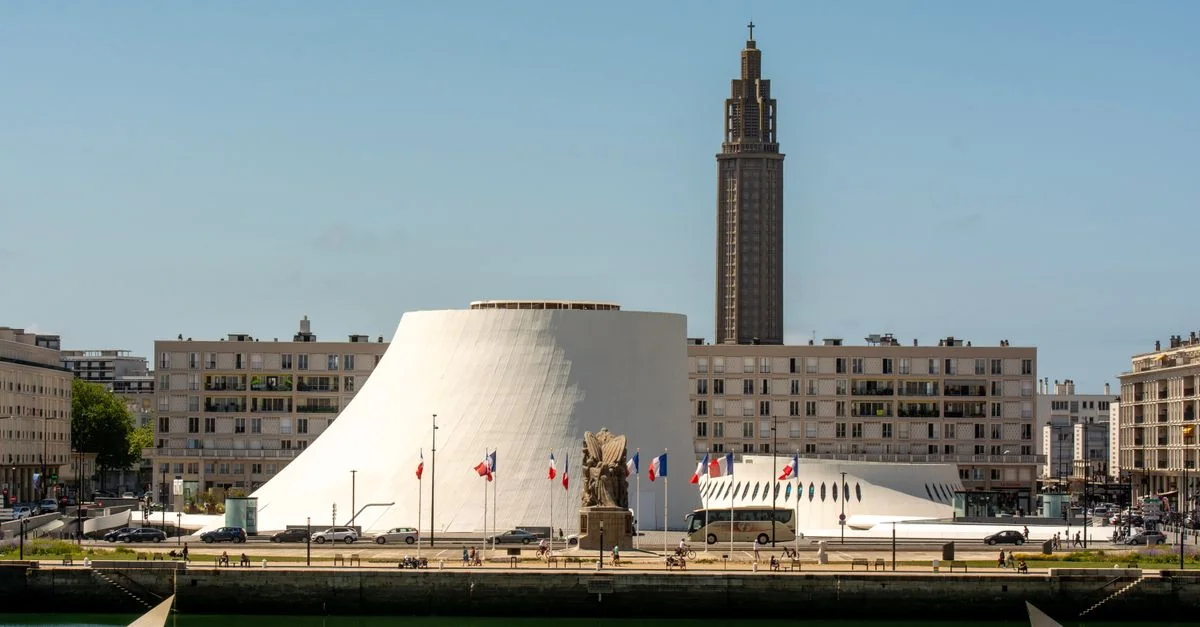
The sharp scent of diesel and sea salt hits the back of your throat the moment you step off the train near the Bassin du Commerce. Le Havre is not the chocolate-box Normandy village of half-timbered houses and thatched roofs that Americans often picture. Instead, this French port city demands a different kind of appreciation. Heavily bombed during the Second World War, the center was entirely reimagined by the visionary architect Auguste Perret. Walking through the grid-like streets feels like stepping inside a massive, open-air gallery of mid-century modernist design, constructed entirely from tinted reinforced concrete that glows in shades of amber and rose when the sun hits the Seine estuary.
Beyond its architectural pedigree, Le Havre offers an authentic, working-class slice of French coastal life that remains largely untouched by mass tourism. Massive container ships glide past wind-swept pebble beaches where locals gather to watch the shifting light immortalized by the Impressionists. It is a place where you can study priceless avant-garde paintings in the morning, watch fishermen haul in the day’s catch at the port by noon, and spend the afternoon wandering through rooftop gardens planted on top of old military fortifications.
For American travelers seeking a destination that trades cliches for genuine grit and artistic history, Le Havre delivers a refreshing perspective. It serves as the gateway to the Normandy coast without the suffocating crowds found in nearby tourist hubs. The city operates at its own steady rhythm, driven by the tides and the endless movement of transatlantic cargo. Visitors willing to look past the stark facade discover a surprisingly green, walkable city with a thriving cultural scene and some of the freshest seafood in northern France .
Best Time to Visit Le Havre#
Planning a trip to the Normandy coast requires careful consideration of the North Atlantic weather patterns, which can shift dramatically within a single afternoon. The peak summer months of July and August bring the warmest temperatures, with daily highs averaging in the low seventies Fahrenheit. During this period, the city hosts outdoor music festivals, and the pebble beach fills with sunbathers and windsurfers. However, summer also means higher hotel rates and larger crowds of European vacationers. Flights from the United States are at their most expensive, and booking accommodation well in advance is essential.
For travelers looking to balance pleasant weather with smaller crowds, the shoulder season months of May, June, and September offer the ideal window. May brings blooming coastal flora and long daylight hours, though the sea remains too cold for swimming. September is particularly appealing, as the summer rush departs, local seafood markets overflow with autumn harvests, and the autumn light takes on the golden hue that inspired generations of painters. Temperatures hover in the comfortable sixties, making it ideal for walking the extensive network of urban parks and coastal paths.
The off-season, stretching from November through March, brings chilly winds, frequent coastal rain, and early sunsets. Daily temperatures frequently drop into the forties, and many seasonal beachside cafes close their doors. However, this period offers the lowest prices for trans-Atlantic airfare and European accommodations. Budget-conscious travelers will find guesthouses and mid-range properties offering steep discounts. If you do not mind bundling up in a heavy wool coat and ducking into cozy cafes for hot cider, winter provides a moody, atmospheric experience of the Normandy coast entirely free of tourists.
Where to Stay in Le Havre#
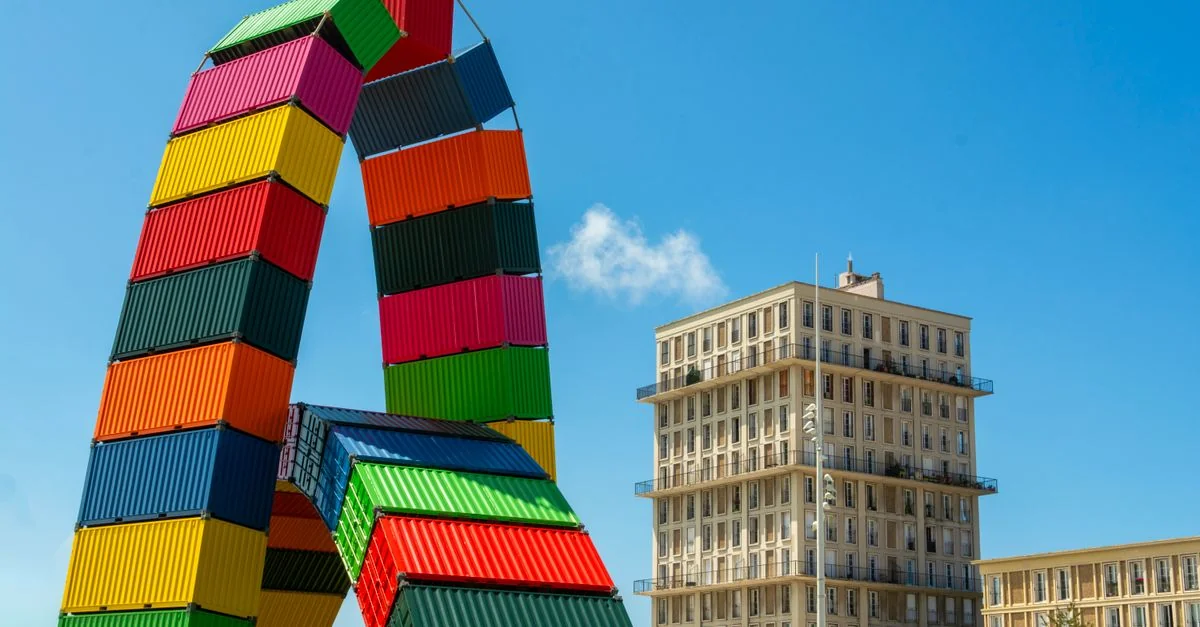
Choosing where to lay your head in Le Havre depends on whether you prefer modernist urban design, maritime action, or village charm. The Perret-Designed City Center is the most practical choice for first-time visitors who want to be within walking distance of major museums, restaurants, and the main transportation hub. Accommodations here mostly consist of mid-range apartments and contemporary aparthotels built within the post-war concrete blocks. Staying in this district puts you right in the middle of the architectural grid, where mid-range nightly rates typically range from $90 to $150 USD, offering easy access to bakeries and tram lines.
For travelers seeking a view of the water, the Saint-François District offers a historic harbor atmosphere just east of the modern center. This neighborhood survived the wartime destruction better than the rest of the city, retaining its old street layouts and low-slung brick buildings. It is a fantastic spot to look for budget-friendly guesthouses and family-run bed and breakfasts, where prices often start around $70 to $100 USD per night. The area is famous for its concentration of seafood restaurants, meaning you can walk out your front door and immediately sit down for a plate of oysters.
If you prefer a quieter, more residential neighborhood with an artistic pedigree, look toward the Sainte-Adresse neighborhood, located just north of the city proper up on the cliffs. This upscale suburb functioned as the Belgian capital during the First World War and offers sweeping vistas of the English Channel. Luxury travelers will find high-end boutique properties and private coastal rentals here, with nightly rates climbing upward of $200 USD. The cliffside location provides a peaceful retreat away from the industrial hum of the port, featuring manicured gardens and quiet streets favored by writers and painters.
Top Things to Do in Le Havre#
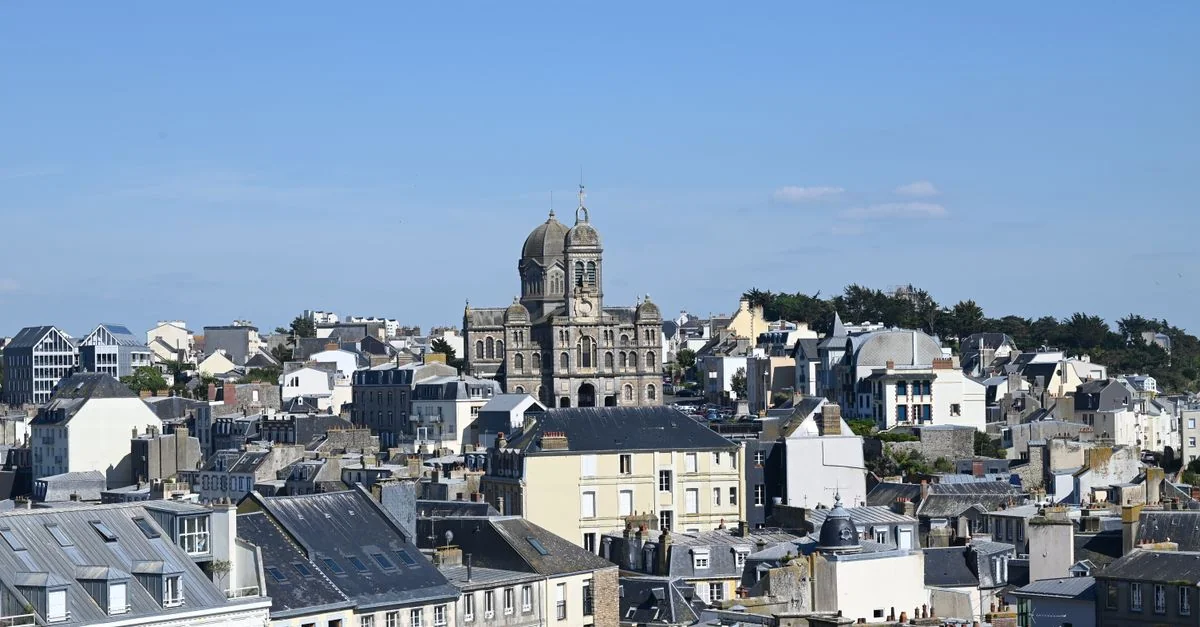
The cultural heart of the city beats inside the MuMa - Musée d’Art Moderne André Malraux, perched dramatically on the breakwater where the Seine meets the sea. This striking glass-and-steel building houses one of the most impressive collections of Impressionist and Post-Impressionist art in France outside of Paris , featuring works by Claude Monet, Edgar Degas, and Camille Pissarro. The museum’s floor-to-ceiling windows flood the galleries with natural light, mirroring the coastal skies captured on the canvases. After viewing the art, step outside to admire Cathedral of Notre-Dame, a remarkable structure that blends 16th-century Gothic architecture with post-war concrete restoration, reflecting the complex history of the municipality.
To truly understand the city’s architectural identity, book a guided tour of the Appartement Témoin Perret, a preserved 1950s show apartment furnished entirely with vintage pieces from the era. It offers a fascinating glimpse into how post-war families lived, complete with modernist kitchen gadgets and ingenious space-saving furniture built into the concrete walls. From there, take a short stroll to the Volcan, designed by the Brazilian architect Oscar Niemeyer. This sweeping, white organic concrete structure, resembling a giant seashell, serves as the city’s national theater and cultural center, creating a striking contrast to the rigid straight lines of the surrounding Perret grid.
For a breath of fresh air, head up to the Jardins Suspendus, an expansive botanical garden occupying a former 19th-century fort high above the city. The sloping ramparts provide panoramic views of the entire harbor and the English Channel, while greenhouses shelter exotic plants collected by historic French explorers. Descending toward the coast, you will encounter the Le Havre Beach, a vast expanse of gray pebbles stretching for miles along the Boulevard Clemenceau. Locals gather here year-round to walk the promenade, watch cargo ships navigate the shipping lanes, or try out land-sailing when the coastal winds pick up.
Do not miss the chance to explore the Port of Le Havre, one of Europe ’s largest maritime gateways. Boat tours depart regularly from the marina, taking visitors past towering gantry cranes, colossal container vessels, and cruise ships that dwarf everything else in the water. For a quieter afternoon, seek out the Abbey of Graville, a peaceful Romanesque monastery tucked away on a hillside overlooking the industrial yards. The ancient stone cloisters and serene gardens provide a stark, meditative escape from the busy modern port activity below.
Food and Dining Guide#
The gastronomy of Le Havre is deeply tied to the cold, rich waters of the English Channel and the fertile pastures of the surrounding Pays de Caux. Because the city is a major fishing port, the daily catch dictates the menus at local bistros. You must try Moules Marinières, a classic dish of fresh blue mussels steamed in white wine, shallots, butter, and parsley, almost always served with a mountain of golden French fries. Another coastal staple is Sole Meunière, a delicate flatfish lightly dusted in flour, pan-fried in foaming butter, and finished with a squeeze of fresh lemon and chopped parsley.
Moving slightly inland for inspiration, local chefs heavily incorporate Norman dairy into savory dishes. Coq au Cider replaces the traditional red wine of the Burgundian version with crisp, locally pressed Norman hard cider, slow-braising chicken with apples, bacon, and heavy cream until the sauce achieves a velvety consistency. For a lighter bite at a sidewalk cafe, order a savory Galette de Sarrasin, a traditional buckwheat crepe filled with local ham, an over-easy egg, and grated Gruyere cheese, folded into a neat square and served piping hot.
When it comes to dining style, the city offers a wonderful mix of casual neighborhood spots and refined eateries. For lunch, grab a street food classic like a Baguette au Camembert, featuring crusty artisanal bread slathered with rich, runny raw-milk Camembert cheese from the nearby countryside, purchased fresh from a corner bakery. For dinner, reserve a table in the Saint-François district, where chalkboard menus change daily based on what the morning boats brought to the docks. Expect to pay modest prices for incredible freshness compared to dining out in Paris.
Getting Around Le Havre#
Navigating this port city is remarkably straightforward thanks to a well-designed public transit network operated by LiA. The system includes two modern tram lines and an extensive fleet of buses that connect the residential quarters, the beachfront, and the university district. A single ticket is inexpensive, and multi-day passes offer unlimited rides, making public transit the most efficient way to travel between attractions. Validators are located on board all trams and buses, and contactless credit cards are widely accepted at ticket kiosks.
Walking is often the best choice for exploring the compact city center. The wide sidewalks, flat terrain, and pedestrianized zones around the Bassin du Commerce make it a joy for pedestrians. Street crossings feature clear signage and audio cues for the visually impaired. However, if you plan to visit the upper-level neighborhoods like Sainte-Adresse or the Abbey of Graville, be prepared for steep staircases and winding uphill roads that can test your stamina.
Taxis are readily available at the main railway station and designated stands throughout the center, though hailing one on the street is uncommon. Ride-sharing apps operate in the city, but availability fluctuates during off-peak hours. Renting a car is unnecessary if you are only staying within city limits, but it becomes essential if you plan to venture out into the surrounding Normandy countryside to explore rural villages, cider orchards, and cliffside paths. Street parking in the center is largely metered and can be competitive, though multi-story public parking garages offer secure, covered spaces for daily rates.
Budget Breakdown#
Planning your finances for a trip to the Normandy coast requires realistic estimates based on your preferred travel style. Budget travelers staying in simple guesthouses or hostels can expect to spend around $60 to $90 USD per day. This covers a bed in a shared or basic private room, bakery breakfasts, casual street food lunches, and grocery store dinners, supplemented by walking and budget-friendly public transit passes.
Mid-range travelers should budget between $150 and $250 USD per day. This comfortable tier allows for a private room in a central Perret-style apartment or mid-range hotel, sit-down lunches at traditional bistros, and multi-course seafood dinners paired with local wine. It also includes admission fees to museums like MuMa, guided architectural tours, and occasional taxi rides when walking uphill proves too tiring.
Luxury travelers can expect daily expenditures starting around $400 USD and climbing upward. This tier covers high-end boutique accommodations on the cliffs of Sainte-Adresse, private transport or rental cars, fine dining experiences featuring multi-course tasting menus, and private guided excursions around the regional ports and countryside. No matter your budget, Le Havre offers strong value compared to France’s capital, allowing visitors to experience authentic culture without paying capital-city markups.
Travel Tips for Le Havre#
Language Barrier management requires a bit of patience and preparation. While younger locals and service workers in major museums speak English, everyday life in neighborhood bakeries and traditional fish markets operates entirely in French. Learning a few polite phrases like bonjour and s’il vous plaît goes a long way in winning over local merchants.
Tipping Culture in France is straightforward because a service charge is automatically included in all restaurant bills by law. However, leaving loose change or an additional five to ten percent in cash is customary for exceptional table service at sit-down meals. Cafes and casual counters do not require tips.
Store Hours can catch American travelers off guard, particularly regarding Sunday closures and the traditional mid-day lunch break. Many independent shops, boutiques, and smaller grocery stores close between noon and two o’clock in the afternoon, and Sunday and Monday are common days for businesses to remain shuttered entirely. Plan your grocery shopping and dining reservations accordingly.
Weather Preparation is essential regardless of the season you choose for your trip. The maritime climate means blue skies can transform into a driving coastal drizzle within minutes. Always pack a windproof jacket, sturdy walking shoes that can handle wet cobblestones or pebbles, and layers that you can easily add or remove as you move between the windy port and sheltered streets.
Coffee Culture differs significantly from American chains. Ordering a standard coffee at a counter usually gets you an espresso. If you want a large mug of milk-based coffee, ask for a café au lait or a café crème, keeping in mind that these are typically consumed in the morning rather than after dinner.
Beach Safety on the pebble shore requires paying attention to the tides and the wind. While the beach is great for long walks and fresh air, swimming can be dangerous when strong currents sweep down the English Channel. Always swim within designated zones during the summer months when lifeguards are actively on duty.
📌 Disclaimer
Prices, schedules, tour details, flight routes, visa requirements, and all other information on this page are based on data at the time of writing. Fares, availability, and policies may change. Please verify current details on the official website before booking.
📌 More about Le Havre